Elevating games: New large screens and foldables quality standards on Google Play | Android Developers’ Blog

The Evolution of the Android Hardware Ecosystem
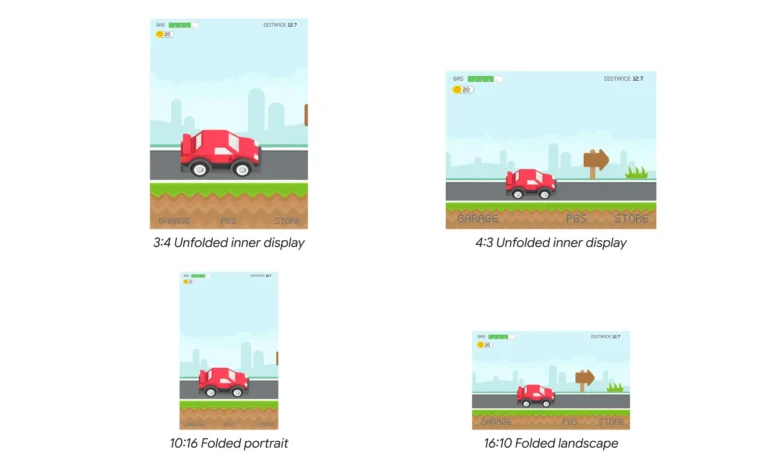
The rise of foldable technology has fundamentally altered how consumers interact with mobile gaming. Market analysts have noted a steady increase in the adoption of devices like the Samsung Galaxy Z Fold series, the Google Pixel Fold, and various flip-style handsets. These devices provide a dual-experience paradigm: a narrow, one-handed display for quick interactions and a tablet-like, expansive canvas for immersive content.
Historically, mobile game development focused on a fixed aspect ratio and a single screen size. However, the fluid nature of foldable devices requires a dynamic approach to UI/UX design. When a user transitions from the outer cover screen to the inner main display, the game must adjust its layout instantaneously. Failure to handle these "configuration changes" gracefully often results in an application crashing, forcing the user to restart the game, or losing progress within a session—a critical friction point that negatively impacts user retention and app store ratings.
New Quality Standards and Compliance Tiers
To address these technical challenges, Google is instituting a multi-tiered quality framework for developers. Starting in August 2027, all games published on the Google Play Store will be required to meet the "Tier 3 (Ready)" baseline standard for large screen and foldable support. These guidelines are not merely aesthetic; they are built upon the necessity of engine-level stability, where games must effectively utilize modern game engines like Unity and Unreal to manage dynamic viewport changes.
The tiered approach allows developers to scale their development efforts. The baseline requirement focuses on fundamental readiness—ensuring that the game does not break when the screen size changes. Higher tiers of the guidelines are expected to focus on advanced optimizations, such as specialized control schemes for larger touch interfaces, split-screen multi-tasking capabilities, and optimized asset loading for different display densities.

The Role of Game Engines and Technical Infrastructure
A significant portion of the technical heavy lifting is being offloaded to industry-standard game engines. By partnering with Unity and Unreal, Google has pushed for native support for resizability and configuration-change handling. Developers who utilize these engines can leverage pre-built tools that handle the transition between screen postures. This integration is vital because it reduces the manual coding burden on developers, allowing them to focus on content rather than low-level Android system handling.
Despite these tools, the industry remains at a transition point. Many legacy titles, or those built on proprietary, custom-built engines, face a steeper challenge. These developers must now dedicate engineering resources to integrate standard Android lifecycle management to remain compliant with the updated Google Play policies.
Strategic Changes to Play Store Listings
In addition to technical performance, the user-facing presentation of games is also changing. Effective immediately, developers are encouraged to upload dedicated screenshots of their games on foldable devices to their store listings. By April 2027, this will move from a recommendation to a mandatory requirement.
The new policy dictates that developers must provide at least three screenshots showcasing the game in its unfolded state, in addition to the standard phone screenshots. This requirement serves two purposes: it provides potential players with an accurate representation of how the game will look on their specific device, and it incentivizes developers to prioritize the large-screen user experience during the design phase. By forcing developers to capture and display these states, Google is ensuring that the "foldable-ready" badge on a game is a verified claim rather than a marketing aspiration.
A Chronological Roadmap for Developers
The timeline for these changes is structured to give developers sufficient lead time to audit their existing catalogs. The key milestones are as follows:
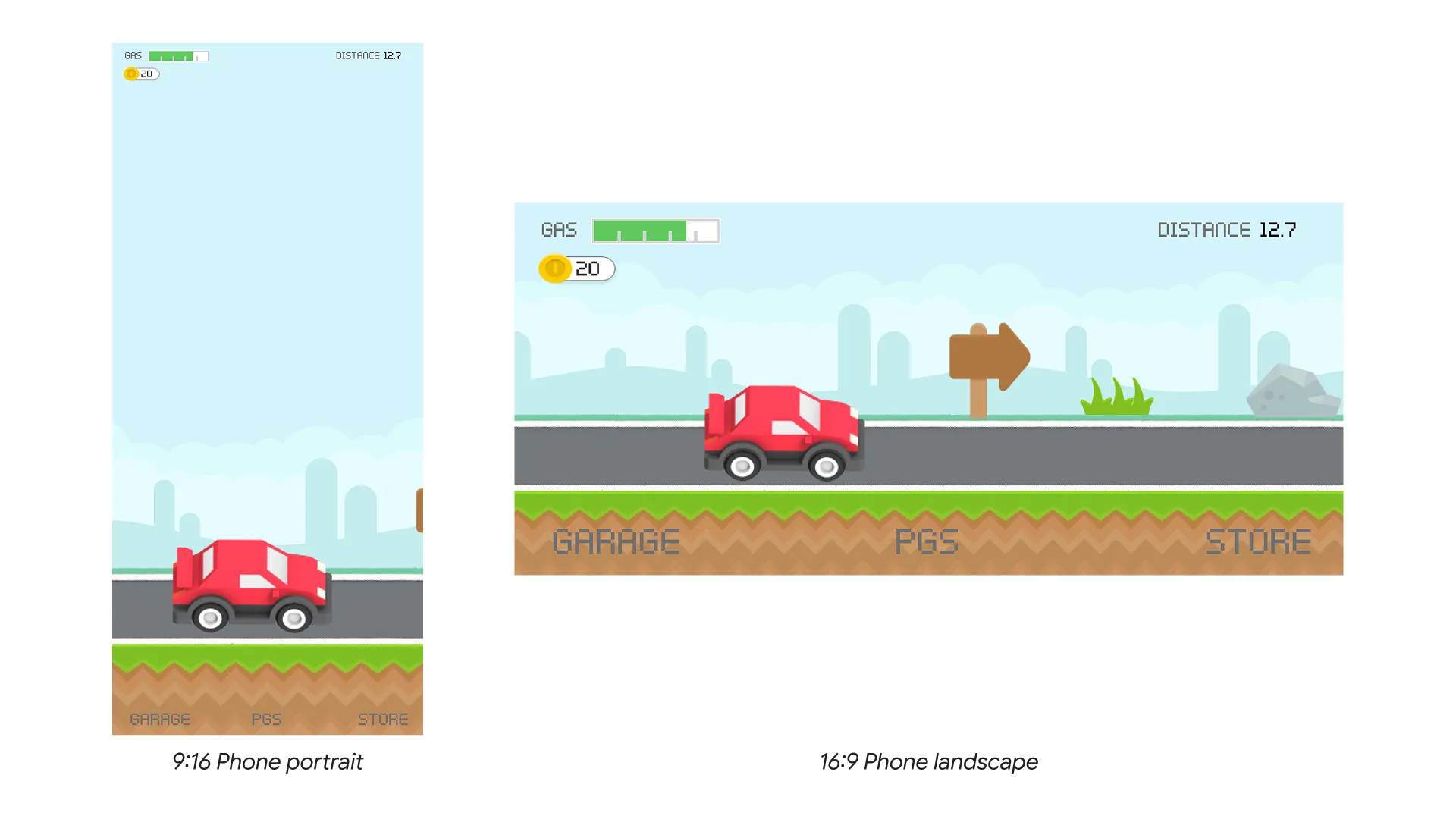
- Immediate (Current): Developers can begin uploading foldable-specific screenshots to the Google Play Console to enhance their store presence.
- April 2027: The submission requirement becomes mandatory. Any new game or major update to an existing title will require the inclusion of at least three foldable-optimized screenshots.
- August 2027: The baseline "Tier 3 (Ready)" quality standard for large screens and foldables becomes a hard requirement for all games on the platform.
Industry observers suggest that this phased approach is intended to prevent a mass "delisting" of apps. By providing a three-year window, Google is signaling to the developer community that large-screen support is no longer an optional "value-add" but a core component of the Android platform identity.
Broader Implications for the Android Ecosystem
The implications of this policy shift extend far beyond foldable phones. By standardizing the way games handle screen resizing, Google is effectively preparing the Android ecosystem for a future of fluid computing. This includes better performance on Android tablets, Chromebooks, and even upcoming desktop-class Android experiences.
For the gaming industry, this represents a shift toward "write once, run anywhere" efficiency. If a game is designed to be responsive to screen dimensions, the same core code can be deployed across a smartphone, a foldable, and a laptop with minimal modification. This efficiency is critical for smaller studios that may lack the resources to maintain separate versions of a game for different hardware categories.
Furthermore, this move aligns with broader trends in mobile hardware where manufacturers are increasingly looking to differentiate their devices through unique form factors. As the hardware becomes more diverse, the software must become more flexible. The enforcement of these guidelines ensures that the Android ecosystem maintains a reputation for high-quality, professional-grade gaming experiences, competing more effectively with closed-loop ecosystems that have historically boasted tighter app quality control.
Analytical Outlook: The Path Forward
The requirement for foldable support is a maturation point for the Android mobile gaming market. In the early days of mobile gaming, "optimization" meant minimizing file size and ensuring the game ran on low-power processors. Today, optimization is about adaptability. As the market reaches a saturation point for standard smartphones, manufacturers and developers alike are looking toward the premium segment—foldables and large-screen tablets—to drive engagement and revenue.
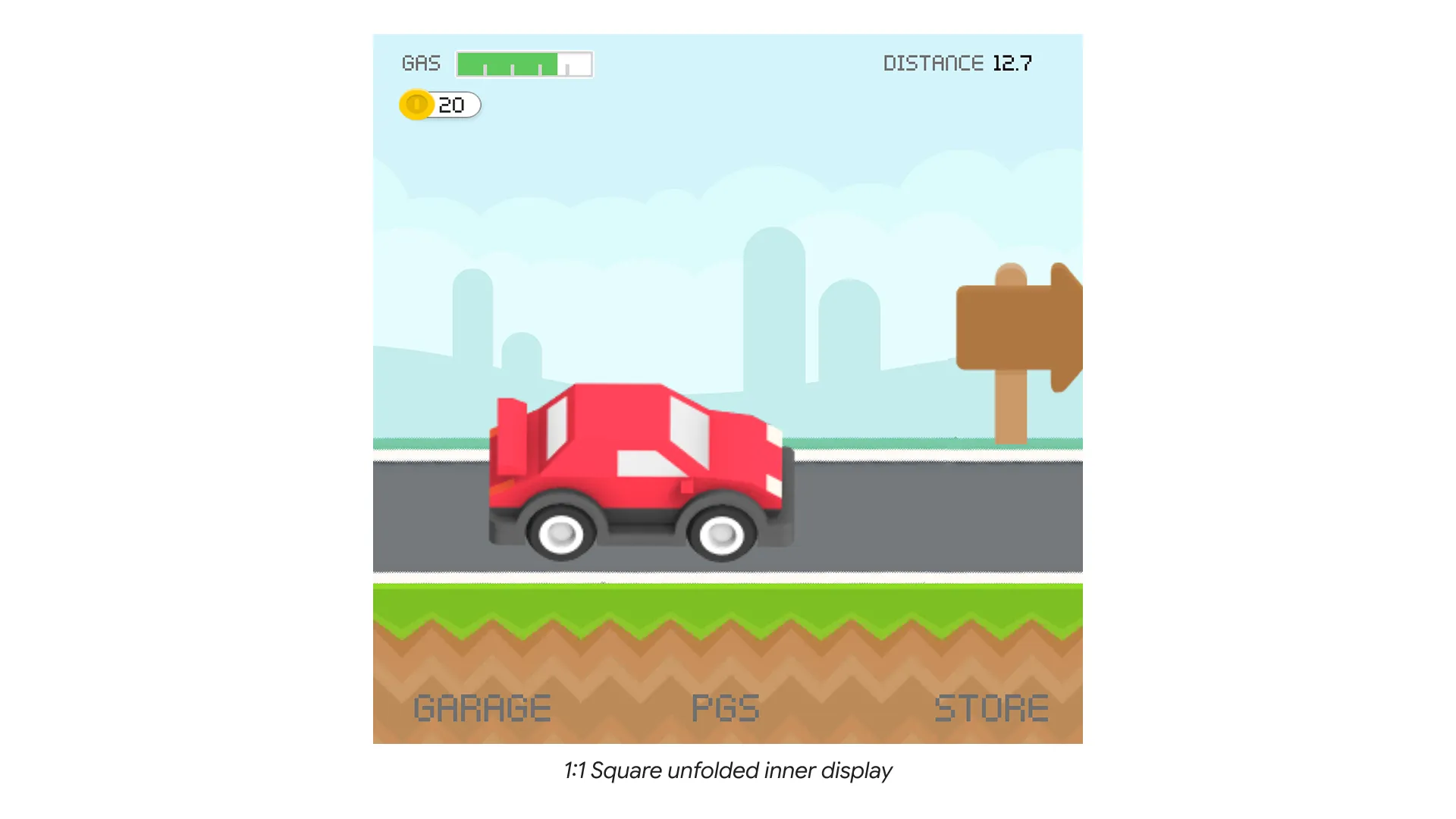
For developers, the transition will require a shift in mindset from designing for a "phone" to designing for a "viewport." Those who embrace this shift early will likely see higher engagement rates, as foldable users are often categorized as "power users" who are more likely to spend time and money within the apps that best utilize their hardware.
Conversely, the requirement acts as a filter. Developers who fail to meet these standards by August 2027 risk losing visibility on the Google Play Store, which remains the primary gateway for the vast majority of Android users. This risk is likely to act as a powerful motivator, ensuring that the next generation of mobile games will be inherently more versatile and technically robust than those that preceded them.
In conclusion, the path toward the 2027 deadline is one of alignment and standardization. By integrating engine support, enforcing strict listing requirements, and setting clear quality tiers, Google is creating a framework that benefits the entire ecosystem. Players gain a more consistent and polished experience, and developers gain a standardized roadmap for building games that are ready for the future of mobile hardware. The next few years will be a period of significant technical refinement, ultimately cementing the role of foldables as a cornerstone of the modern Android gaming experience.