Android Dev Summit 2024 Unveils Comprehensive Developer Tooling Upgrades to Accelerate Agentic App Development and Cross-Platform Scaling

The Android Dev Summit 2024 has officially commenced, serving as the primary stage for Google to unveil a suite of major updates aimed at modernizing the Android development lifecycle. In an era increasingly defined by artificial intelligence and the proliferation of diverse hardware form factors—from foldable devices to XR headsets—Google is pivoting its tooling strategy to prioritize "agentic" workflows and seamless multi-device compatibility. These updates represent a significant shift in how developers interact with Android Studio, the command-line interface, and the broader Jetpack Compose ecosystem.
The Evolution of the Android Development Environment
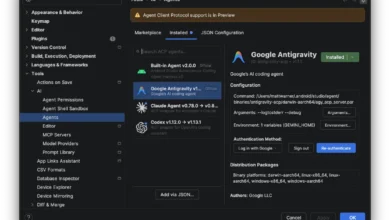
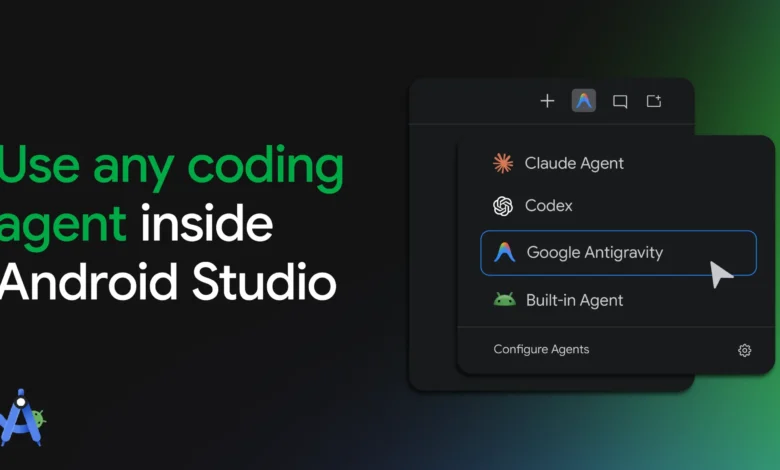
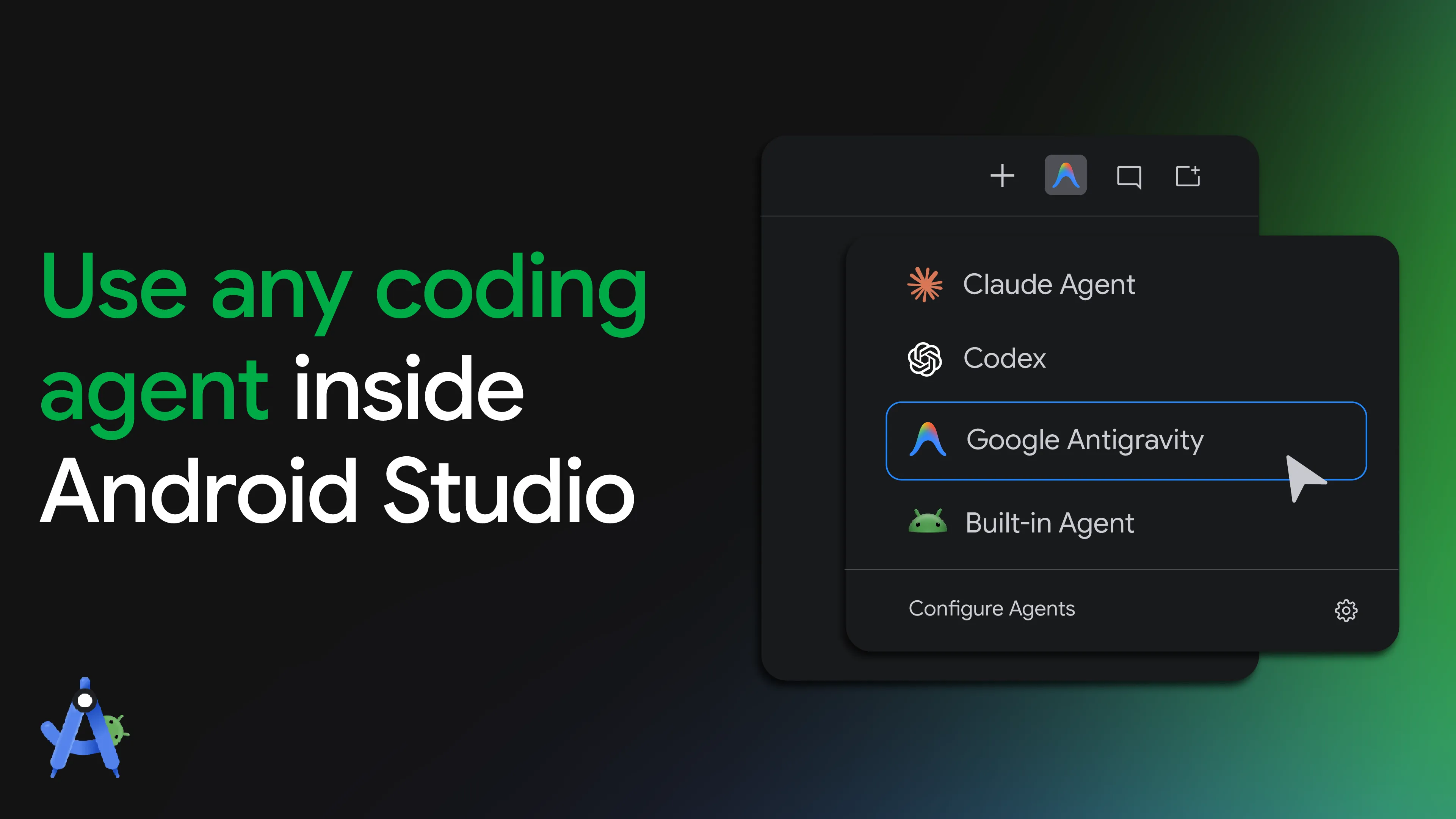
As the complexity of mobile applications grows, the manual labor associated with architectural scaling and UI responsiveness has become a primary bottleneck for software engineers. According to recent developer surveys, the average time spent on boilerplate code and cross-device testing has risen by approximately 15% year-over-year. To address this, Google is integrating "Bring Your Own Agent" (BYOA) capabilities directly into Android Studio, a move designed to decouple the IDE from specific AI model constraints.
The stabilization of Android Studio Rabbit 2 marks a pivotal moment in this transition. By allowing developers to integrate their preferred coding agents—whether it be Claude, Codex, or other ACP-compliant models—Google is acknowledging that the future of software development is not tethered to a single proprietary AI model. This flexibility allows engineering teams to leverage models that are best suited to their specific codebase requirements, potentially reducing development cycles by allowing agents to handle repetitive tasks such as unit test generation, UI refactoring, and documentation maintenance.
Chronology of the 2024 Tooling Updates
The road to the current suite of tools began in early 2023, as Google recognized the need for a more unified approach to "agentic" interfaces. Throughout the latter half of 2023, the Android team focused on streamlining the integration between the Android CLI and cloud-based development environments. By mid-2024, the internal beta programs for the Connected Apps Platform provided the foundation for the announcements made today.
Following the opening keynote at the Android Dev Summit, the immediate rollout includes:

- Android Studio Rabbit 2 Integration: Full support for external coding agents within the stable channel of the IDE.
- Connected Apps Platform: A new framework designed to bridge the gap between Android applications and AI-driven platforms like Gemini and Search.
- Adaptive Skill Updates: Advanced automation for Compose UI, specifically targeting keyboard navigation, pointer cursors, and foldable-aware layout refactoring.
Supporting Data and Technical Implications
The move toward "agentic" experiences—where applications can perform tasks autonomously on behalf of the user—requires a robust backend that these new APIs aim to provide. The introduction of the Connected Apps Platform is particularly significant. By utilizing the Android Machine Control Protocol (MCP), developers can now expose app services to external AI agents in a standardized, secure manner.
Preliminary data from early adopters suggests that integrating MCP-compliant services can lead to a 30% increase in user interaction frequency for apps that provide high-intent services, such as booking, scheduling, or content retrieval. Furthermore, the new Compose adaptive skill acts as an automated auditor for application quality. By scanning existing UI architectures, the tool can automatically inject missing hover states, custom pointer support, and media query handling, effectively lowering the barrier to entry for bringing mobile apps to desktop and laptop environments, including the newly introduced Googlebook form factor.
Strategic Shift: Addressing the Premium Form Factor Gap
A major theme of this year’s summit is the "premium form factor" expansion. With the global market seeing a resurgence in interest for tablets, foldables, and XR hardware, Google is moving away from the "mobile-first" mantra toward an "adaptive-first" philosophy. The company has explicitly stated that next year’s Google Play store criteria will place a heavier emphasis on how apps perform on foldable devices and desktop-class screens.
The technical implications for developers are clear: relying on static, fixed-aspect-ratio layouts is no longer sufficient. The new Compose adaptive skill is designed to handle complex state management across transitions—such as moving an app from a folded, single-screen state to a tabletop or fully unfolded orientation. By automating the refactoring of media and camera interfaces into tabletop layouts, Google is attempting to solve the fragmentation issues that have historically plagued Android tablets and foldables.
The Rise of Android XR and XREAL Partnership
In a demonstration of the company’s long-term hardware vision, the summit highlighted the collaboration with XREAL for the release of the XREAL AURA. This represents the world’s first wired XR glasses powered by the Android XR platform. This launch serves as a signal that Google intends to make Android the primary operating system for the next generation of spatial computing.
By graduating several core XR libraries to stable, Google is inviting developers to build for 3D environments with the same confidence they apply to mobile. The underlying implication is that the Android ecosystem is no longer just a smartphone OS; it is a unified fabric that stretches from the watch on the wrist to the virtual display in the user’s field of vision.
Official Perspectives and Industry Reaction
While official responses from the developer community are still emerging, industry analysts suggest that the "Bring Your Own Agent" initiative is a defensive but necessary maneuver. By avoiding "vendor lock-in" for AI agents, Google is positioning Android Studio as a neutral, high-performance workspace that welcomes competition among AI providers.
"The shift toward agentic tooling is the most significant change in Android development since the migration from Java to Kotlin," noted an industry software architect familiar with the release. "By standardizing how agents interact with the IDE and how apps interact with AI assistants, Google is effectively creating a new layer of the Android stack that will dictate the next decade of app functionality."
Broader Impact and Future Outlook
The broader implications of these announcements are twofold. First, they signal an end to the manual, device-specific coding era. As automated tools take over the "grunt work" of UI adaptation and state management, developers are expected to focus more on high-level logic and unique user experiences. Second, the integration of the Connected Apps Platform suggests that the line between an "app" and an "AI service" will continue to blur. In the near future, the most successful Android apps may not be those with the most features, but those that are the most "discoverable" by AI agents.
Looking ahead, Google has promised further documentation and quality guidelines for the upcoming Google Play store updates, which will be released later this year. These requirements will likely set a new benchmark for app quality, effectively forcing developers who have been hesitant to adopt adaptive layouts to either modernize their architecture or risk lower visibility on the platform.
For the development community, the message is clear: the environment is evolving, and the tools are being provided to make that evolution as frictionless as possible. As the summit continues, the focus will remain on how these new APIs and agentic frameworks function in real-world, high-traffic production environments. The combination of local IDE-based AI assistance and cloud-based app connectivity marks a transformative period for Android, setting the stage for a more intelligent, adaptable, and platform-agnostic future for mobile computing.