New ways to drive smarter discovery, deeper engagement, and business growth on Google Play | Android Developers’ Blog

The Evolution of the Google Play Discovery Engine
The core of the recent announcement lies in the transformation of the Google Play interface. The introduction of the "You" tab marks a departure from traditional, static category browsing toward a dynamic, personalized home base. By curating apps and content tailored to individual user behavior, Google is attempting to increase the relevance of app discovery. This move follows a year of iterative updates that began in mid-2026, when Google first signaled its intent to integrate AI-driven discovery tools across its Android ecosystem.
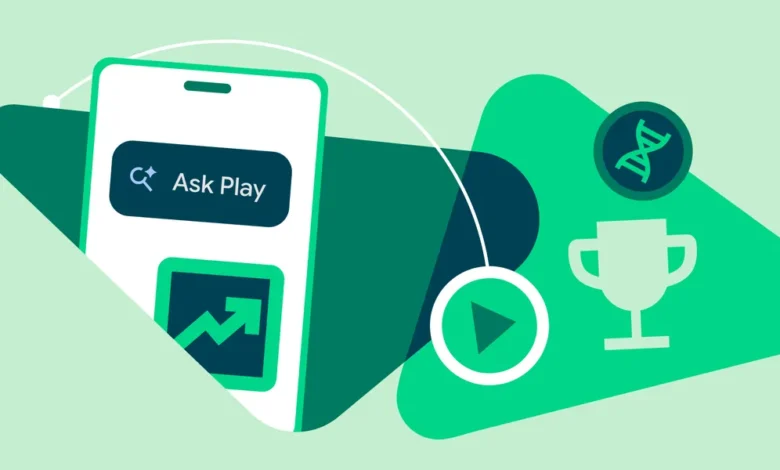
The integration of these features into the Gemini app represents a significant leap in how discovery functions. Users can now search for apps through conversational queries, allowing the AI to interpret complex user needs—such as "find a game to play with friends that is easy to pick up but has a competitive edge"—rather than relying on simple keyword matching. This change is designed to benefit developers whose apps may previously have been buried in saturated categories, allowing them to surface based on the specific utility or entertainment value they provide.
Chronology of the 2026 Platform Pivot
The road to these updates began in May 2026, during the annual Google I/O conference. At that time, Google leadership outlined a roadmap for improving the Play Store experience, citing a need to move beyond a transactional marketplace.
- May 2026: Google I/O developers’ conference sets the stage for "Next-Gen Play," focusing on AI-assisted search and better quality control.
- Summer 2026: Beta testing of "Ask Play" and "Game Finder" tools begins with select developers to refine recommendation algorithms.
- October 2026: The official launch of the personalized "You" tab and the rollout of social engagement features like Play Games Sidekick.
- Late 2026 (Projected): Expansion of quality-based incentive programs to the Korean market, marking the completion of the initial global rollout phase.
Deepening Engagement: The Role of Social Gaming
A central component of the new update is the emphasis on retention through social connectivity. With over 2 billion players currently utilizing the Google Play Games ecosystem, the platform is shifting its focus toward "stickiness." The new Play Games Sidekick and integrated social competition tools are designed to keep users within the app environment for longer periods.
These tools allow developers to implement real-time leaderboards, social quests, and achievement sharing without building these backend infrastructures from scratch. By integrating Game Stats and Play Games Rewards, developers can gamify the user experience. For example, a player might earn exclusive rewards for participating in a weekend challenge, which is then broadcast to their social circle within the Play Games network. This strategy is designed to combat user churn, a perennial challenge for mobile gaming developers.

Financial Implications and the "Level Up" Program
Perhaps the most significant development for the developer community is the expansion of the "Apps Experience" and "Level Up" programs. These initiatives serve as a carrot-and-stick mechanism: developers who meet rigorous quality and performance standards are rewarded with reduced service fees.
The rationale behind these programs is to incentivize developers to optimize their code, improve graphic performance, and integrate the platform’s social features. Data released by Google suggests that this strategy is already yielding high returns for participating companies. For instance, high-profile titles such as PUBG MOBILE and Summoners War have reported a 22% increase in new installs among high-value players following the integration of these quality-of-service guidelines. Furthermore, the ability to achieve a 62% uplift in spend per buyer demonstrates that users are more likely to spend money in applications that feel polished, responsive, and socially connected.
Analysis of the Developer Impact
The professional consensus among industry analysts is that Google is positioning its store to remain competitive against independent app stores and direct-download models. By providing sophisticated discovery tools and financial incentives, Google is essentially raising the barrier to entry for low-quality "junk" apps while lowering the cost of business for developers who prioritize the user experience.
However, the pressure is now on developers to maintain compliance with these evolving standards. To qualify for the reduced fee structures under the Level Up program, developers must demonstrate consistent performance metrics and active use of Google’s suite of engagement tools. This necessitates a shift in resource allocation; smaller studios may find the requirements for "high-quality" designation challenging to meet, potentially creating a tiered ecosystem where only well-funded or highly optimized apps gain significant visibility.
Global Rollout and Regional Variations
The current rollout covers a significant portion of the global market, including Australia, Japan, the European Economic Area (EEA), the United Kingdom, and the United States. Google has confirmed that the expansion into Korea is slated for completion by the end of the year. This phased approach allows Google to manage the localized regulatory and technical demands of different markets.
The visual refresh of the Play Console, which is rolling out alongside these functional updates, is aimed at streamlining the management process for developers. By centralizing the enrollment for quality programs, analytics, and performance reporting, Google is reducing the administrative burden on development teams, allowing them to focus more on content creation and less on navigating the administrative hurdles of the marketplace.

Looking Toward the Future
As the digital marketplace matures, the strategy employed by Google Play reflects a broader trend in the tech industry: the transition from "destination-based" discovery to "context-aware" discovery. By meeting users where they are—whether in the Gemini app, on the home screen, or through social gaming—Google is attempting to ensure that the Play Store remains the primary gateway for Android users.
For the developer, the message is clear: the era of simply uploading an app and waiting for organic growth is over. Future success on the platform will be defined by the ability to leverage AI discovery tools, foster community engagement, and adhere to the increasingly stringent quality standards set by the store’s curators. As these features become standard, the developers who move quickly to adopt them will likely secure a significant advantage in user acquisition and long-term revenue sustainability.
The next few months will be critical as the industry observes how these changes affect the competitive landscape. With the integration of AI-driven recommendations and the continued expansion of quality-based fee reductions, Google is not just updating its store—it is actively engineering a new ecosystem that favors high-engagement, high-performance, and deeply integrated mobile experiences. Developers who adapt to this new paradigm, utilizing the full breadth of the updated Play Console, are poised to benefit from a marketplace that is increasingly tailored to reward quality over volume.