WWDC 2020: An unprecedented digital transformation of Apple’s flagship developer conference

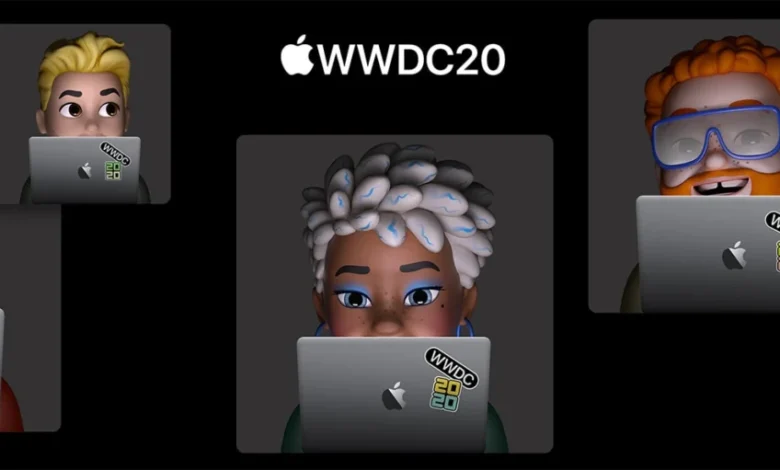
The 2020 edition of Apple’s Worldwide Developers Conference (WWDC) represented a historic pivot for the technology giant, marking the first time in the event’s 33-year history that it was held entirely in a virtual format. Forced by the global onset of the COVID-19 pandemic, Apple transitioned what had traditionally been a physical gathering of thousands of software developers in San Jose, California, into a global, remote-access broadcast. This fundamental change in operations not only preserved the continuity of the Apple developer ecosystem during a period of worldwide uncertainty but also catalyzed a permanent evolution in how the company disseminates information regarding its hardware and software roadmaps.
The Historical Context of WWDC
Since its inception in 1983, WWDC served as the primary nexus for Apple’s engagement with its third-party developer community. Historically, the conference acted as a multi-day immersion experience, characterized by high-intensity technical sessions, collaborative lab environments, and the "Reality Distortion Field"—a term famously coined to describe the persuasive, charismatic influence of Apple’s leadership during product unveilings. In the physical era, the event was defined by the tangible presence of the developer community, the logistical challenges of hosting thousands of people in San Jose or San Francisco, and the social rituals of the "Bash" and networking mixers.
The 2020 transition necessitated the abandonment of these physical touchpoints. Instead, Apple utilized its robust digital infrastructure to host the event, prioritizing pre-recorded, high-fidelity video production. This shift allowed for a tightly curated narrative that prioritized technical precision over the unpredictable nature of live stage presentations.
Chronology of the 2020 Virtual Experience
The event commenced with the keynote address on June 22, 2020, broadcast from the Apple Park campus in Cupertino. Unlike previous years, where audience reactions provided immediate feedback, the 2020 keynote was a polished, cinematic experience. Over the following four days, Apple delivered more than 100 technical sessions, which were made available on-demand. This replaced the traditional, rigid scheduling that often forced attendees to choose between concurrent sessions.
Key technical announcements during this timeline included:
- The transition of Mac computers to Apple Silicon, marking the most significant architectural shift in the platform’s history.
- The introduction of iOS 14, featuring home screen widgets and the App Library.
- Updates to iPadOS, watchOS, and tvOS, emphasizing improved integration between Apple’s various hardware ecosystems.
- Privacy-centric updates, including new "App Tracking Transparency" requirements, which sparked industry-wide discourse regarding digital advertising standards.
Analysis of the Digital Format
The shift to a virtual format yielded quantifiable improvements in accessibility and content consumption. By eliminating the necessity for travel and expensive tickets—which previously cost $1,599—Apple democratized access for its global developer base. Data indicated that the number of participants reached record highs, as developers from virtually every time zone could access content without the barrier of physical attendance.
From a production standpoint, the pre-recorded format allowed for higher density of information. Without the need for transitions between stage setups or the latency of live demonstrations, the sessions were characterized by rapid, clear delivery. Analysis of developer feedback during the period suggested that the "digestible" nature of these clips significantly increased the retention rate of technical information. The emergence of social media sharing for specific WWDC clips further underscored the efficiency of the new model, as developers could disseminate granular technical solutions rather than relying on summaries of broad, hour-long presentations.

Logistical Implications and Lost Nuance
While the digital format was widely lauded for its efficiency, it inevitably stripped away the serendipitous human interactions that defined previous conferences. The loss of physical networking—often referred to as "hallway track" conversations—meant that junior developers missed out on the mentorship opportunities that typically occurred during lunch sessions at the McEnery Convention Center.
The physical conference also served as a "reset" for attendees, providing a temporary escape from their professional environments. The 2020 virtual experience, by contrast, forced developers to integrate the intensity of WWDC into their existing work-from-home lives. This led to a phenomenon where the "Reality Distortion Field" became omnipresent, as the digital conference bleeds into the private, domestic sphere, potentially exacerbating developer burnout during a year already strained by the global health crisis.
Industry Response and Long-term Impact
The developer community’s reaction was largely characterized by intense professional excitement, particularly regarding the move to Apple Silicon. However, industry analysts and seasoned developers raised concerns about the "kryptonite" effect of this excitement. When a company with Apple’s marketing prowess releases a barrage of new tools and frameworks, it can overwhelm the developer’s ability to focus on existing, stable projects.
In response to the deluge of new information, many prominent voices in the programming community advocated for "temperance." The consensus among veteran developers was that professional longevity is not determined by the immediate adoption of every new framework, but by consistent, sustainable development practices. This sentiment echoed the principles of work-life balance—prioritizing health, sleep, and clear communication—over the frantic pace of the annual product cycle.
Broader Economic and Technical Implications
The implications of the 2020 virtual WWDC extend far beyond the software industry. By successfully conducting a high-stakes, multi-day technical conference entirely online, Apple set a new gold standard for corporate communications in the post-pandemic era. The model demonstrated that high-value information can be effectively disseminated through high-quality, on-demand digital content, potentially rendering massive, physical industry trade shows obsolete.
Furthermore, the 2020 conference served as a bellwether for the future of Apple’s hardware strategy. The pivot to custom silicon was not just a technical upgrade; it was a move toward total vertical integration, allowing Apple to control both the hardware and the software stack with unprecedented granularity. For developers, this signaled a need to recalibrate their skill sets toward high-performance computing on the ARM architecture, a shift that continues to influence software development trends years later.
In retrospect, the 2020 conference was a turning point. It marked the moment when the developer industry accepted that the "old way" of networking and learning was no longer the only viable path. As the world moved through the challenges of the pandemic, the virtual WWDC provided a template for resilience. It underscored that while the physical experience of the "Bash" and the camaraderie of the keynote line were lost, the fundamental mission of the conference—to empower the next generation of creators—could survive and even thrive in a digital-first environment.
For the individual developer, the challenge remains: to maintain the balance between the excitement of new, Apple-provided technologies and the pragmatic necessity of building stable, long-lasting software solutions. As the industry looks back at 2020, the event is remembered not just for the software it introduced, but for the fundamental change in how the community consumes, processes, and acts upon the rapid evolution of technology.