A Busy October: Python Release Managers Navigate an Unprecedented Surge in Security Patching

The landscape of open-source software maintenance underwent a rigorous stress test this October as the Python core development team navigated an unprecedented volume of software releases. While Cybersecurity Awareness Month—an annual initiative dedicated to bolstering digital hygiene and infrastructure integrity—typically serves as a period of advocacy, this year it manifested as a high-stakes operational challenge for the Python Software Foundation (PSF) and its cohort of volunteer and fellowship-funded release managers. During the 31-day period, the team issued 16 distinct Python releases, a staggering increase over the five versions originally slated on the official maintenance roadmap. Among these, seven releases were handled by Hugo van Kemenade alone, underscoring the intensity of the workload required to maintain the backbone of modern data science, web development, and automation.
The Chronology of an Unexpected Patch Cycle
The surge in activity began early in the month as vulnerabilities identified within the Python interpreter and its standard library necessitated rapid, coordinated intervention. In standard software development lifecycles, maintenance releases are meticulously scheduled to balance stability with the integration of security patches. However, the discovery of several critical CVEs (Common Vulnerabilities and Exposures) prompted an immediate shift in priorities.
Of the 16 releases pushed to the public repository throughout October, 15 were explicitly categorized as security-focused. The only exception, version 3.15.0rc3, served as a release candidate for the forthcoming stable branch, highlighting that even during a period of intense security remediation, the project maintained its momentum toward future-proofing the language. The technical debt incurred by these patches required a high degree of synchronization across various release branches, ranging from legacy versions still in extended support to the bleeding-edge release candidates.
Supporting Data: Scaling the Maintenance Burden
To appreciate the scale of this effort, one must analyze the typical operational tempo of Python’s release management. Under normal conditions, the core team adheres to a predictable cadence, ensuring that developers are not overwhelmed by constant updates. The October surge represented a more than 200% increase in output compared to the original forecast.
This output was sustained by a distributed team of release managers, each tasked with maintaining specific versions of the language:
- Python 3.16: Managed by Savannah Ostrowski, navigating the initial developmental stages of the next major iteration.
- Python 3.12 and 3.13: Managed by Thomas Wouters, covering the most widely deployed versions in current production environments.
- Python 3.10 and 3.11: Managed by Pablo Galindo Salgado, focusing on stability for long-term enterprise projects.
- macOS Infrastructure: Ned Deily provided the foundational support for all macOS builds, a critical task given the stringent security and signing requirements of modern Apple hardware.
- Security Coordination: Seth Larson acted as the primary bridge between vulnerability researchers and the release managers, ensuring that patches were tested, verified, and deployed without introducing regression errors.
The Role of the Sovereign Tech Fellowship
The ability of the Python project to respond to this crisis with such agility is not purely a product of volunteer goodwill; it is increasingly the result of institutional support. The Sovereign Tech Agency’s Fellowship played a pivotal role in providing the resources necessary for these managers to dedicate significant hours to the maintenance effort. In an era where open-source software powers the vast majority of global infrastructure—from financial systems to critical medical databases—the "volunteer-only" model is increasingly viewed as a single point of failure. The fellowship’s support ensures that the individuals responsible for the world’s most popular programming language can treat these critical maintenance windows as a priority rather than a secondary concern.
Cybersecurity Awareness Month: From Advocacy to Action
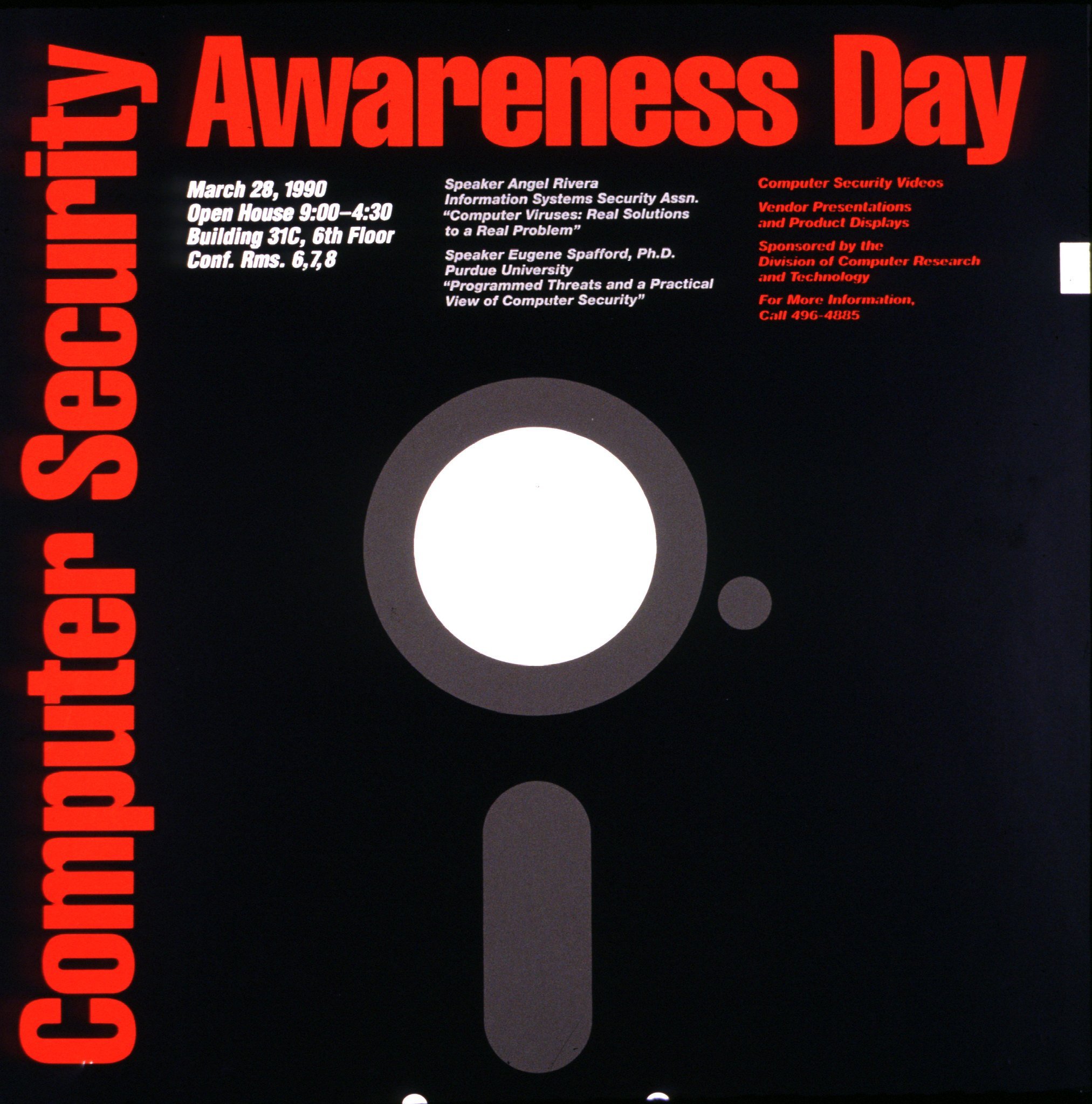
The juxtaposition of Cybersecurity Awareness Month with this intense patching cycle provides a poignant case study on the realities of modern software security. Originally established in 1990—as evidenced by the commemorative "Computer Security Awareness Day" artifacts—the initiative was intended to raise awareness about the nascent risks of floppy disk-based malware and early network intrusion. Today, the scope has expanded to encompass the integrity of the software supply chain itself.
When a core language like Python releases security patches, the implications ripple across millions of downstream applications. Every deployment of these 16 releases represents thousands of hours of testing, build verification, and package distribution. This is the "behind the scenes" work of cybersecurity: the silent, methodical correction of code that keeps global digital infrastructure from succumbing to exploitation.
Implications for the Future of Python Development
The events of this past October suggest a shift in how the Python Software Foundation may need to approach release management in the coming years. As the complexity of the Python ecosystem grows, the surface area for potential security vulnerabilities naturally expands. The reliance on a small, albeit highly skilled, group of release managers poses questions regarding sustainability.
Industry analysts note that while the community response was successful, relying on "heroic" efforts—where a small group of individuals is required to perform 300% of their intended workload—is not a long-term strategy for success. The move toward more robust, automated testing environments and the continued infusion of capital through programs like the Sovereign Tech Fellowship are essential to preventing burnout and ensuring that security remains a proactive, rather than reactive, endeavor.
Furthermore, the successful deployment of these patches confirms the maturity of Python’s release infrastructure. Despite the volume of updates, the core team maintained high standards for build consistency across different operating systems, particularly on macOS. The coordination between Seth Larson’s security team and the individual release managers serves as a template for other open-source projects facing similar pressures.
Concluding Analysis
As the industry looks toward the next calendar year, the October release surge stands as a testament to the resilience of the Python ecosystem. The rapid turnaround of these releases highlights the necessity of a well-funded, well-coordinated security response team. For the millions of developers who rely on Python, the month served as a stark reminder: security is not a static state, but a continuous process of auditing, patching, and refinement.
The Python community, through its transparent communication and commitment to the security of its users, has reaffirmed its status as a cornerstone of modern technology. However, the events of this month also signal that as the language grows, so too must the resources allocated to its stewardship. The transition from a project managed by a handful of core developers to one requiring institutional support for security maintenance marks a significant milestone in the evolution of open-source software. By successfully managing this workload, the Python team has not only secured their own codebase but has also contributed to the collective security of the global internet, proving that the best way to celebrate Cybersecurity Awareness Month is, in fact, to do the hard work of securing the foundation itself.