Behind the Scenes at EuroPython 2026: The Vital Role of Volunteer-Driven Communications and Community Engagement

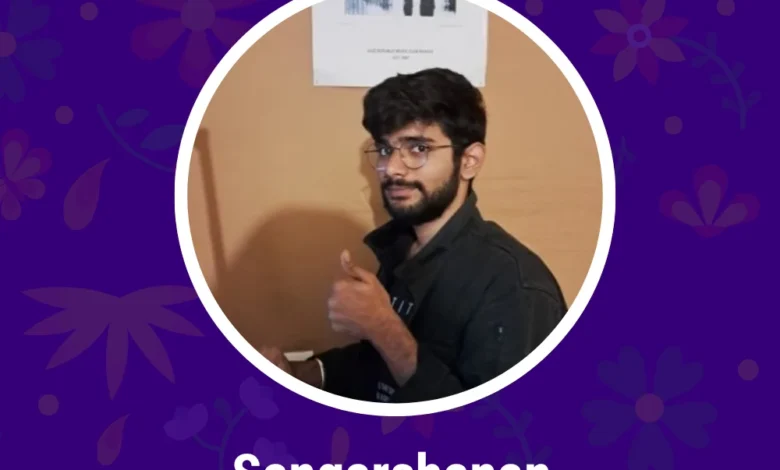
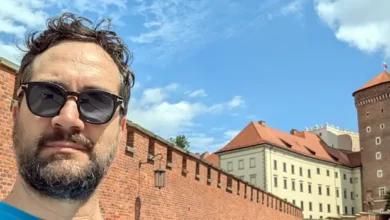
The successful execution of large-scale technology conferences like EuroPython, the premier gathering for the Python programming community in Europe, relies heavily on a complex ecosystem of volunteer labor. While technical infrastructure, speaker coordination, and venue logistics often take center stage in post-conference reports, the role of the Communications Team—specifically those managing the narrative and public-facing identity of the organization—serves as the connective tissue between the event and its thousands of global attendees. This week, EuroPython 2026 formally recognized the contributions of Sangarshanan, a veteran volunteer whose work as the organization’s de facto Chief Meme Officer has reshaped how the conference interacts with its digital audience.
The Evolution of EuroPython Communications
EuroPython, which traces its origins back to the inaugural 2002 conference in Charleroi, Belgium, has evolved from a small assembly of enthusiasts into a massive, multi-national event. As the conference expanded to host thousands of participants, the requirements for public outreach shifted from simple mailing lists to sophisticated, multi-channel social media strategies.
Sangarshanan’s involvement began in 2021, a period marked by the industry-wide pivot toward hybrid and digital-first engagement models necessitated by global travel restrictions. During this transition, the Communications Team faced the challenge of maintaining community cohesion without the traditional physical touchpoints of a standard conference. It was within this context that the strategic use of humor, satire, and "meme culture" emerged as a vital tool for maintaining brand identity and attendee morale. By humanizing the conference’s digital presence, volunteers like Sangarshanan helped mitigate the "zoom fatigue" that plagued the tech community during the early 2020s, ensuring that EuroPython remained a vibrant, approachable space.
Chronology of Volunteer Engagement
The trajectory of volunteerism at EuroPython mirrors the broader trends in open-source community building. Since 2021, the conference has seen a steady increase in the number of individuals willing to commit their time to operational and creative roles.
- 2021-2022: The emergence of digital-first communication strategies. Volunteers were tasked with managing Discord servers, Slack channels, and social media feeds to sustain momentum during virtual sessions.
- 2023-2024: The return to in-person events necessitated a hybrid communication model, balancing real-time on-site updates with remote attendee integration.
- 2025-2026: The maturation of the EuroPython brand. Communications efforts became more data-driven, with a focus on optimizing engagement metrics and cross-platform consistency.
Sangarshanan’s role within this timeline has been consistent, evolving from a standard volunteer role to a specialized creative position. His approach—which involves blending technical announcements with lighthearted content—has proven effective in lowering the barrier to entry for new developers and students entering the Python ecosystem.
The Strategic Value of "Meme Diplomacy"
From a communications perspective, the use of humor is often dismissed as trivial; however, industry analysis suggests that it serves a critical function in community management. By utilizing social media to demystify complex logistical hurdles or poke fun at the inevitable hiccups of event management, the Communications Team fosters a culture of transparency and psychological safety.
For instance, a recent incident involving an auto-transcription error—where "Krakow" was misinterpreted by automated software—could have been viewed as a professional failure. Instead, the EuroPython team leveraged the mistake as a moment of transparency, allowing the community to engage with the reality of the organizers’ human limitations. This "grace-based" communication style, as noted by Sangarshanan, is essential for building long-term loyalty. When participants feel they are part of a community that embraces fallibility, they are more likely to contribute their own time and expertise in subsequent years.
Data-Driven Insights and Skill Development
Volunteering at the scale of EuroPython provides a unique professional development environment that often rivals formal corporate training. For many, including the communications team, the work involves an iterative learning process centered on data analytics.

Volunteers are increasingly required to understand:
- Engagement Metrics: Tracking how post-timing and content format influence reach across platforms like X (formerly Twitter), LinkedIn, and Mastodon.
- Crisis Management: Developing protocols for responding to public feedback in real-time during the high-pressure environment of the conference week.
- Cross-Functional Collaboration: Coordinating between the speakers’ committee, the venue managers, and the technical support teams to ensure a unified message.
The skills acquired—patience, rapid problem-solving, and audience segmentation—are highly transferable. The transformation of a technical contributor into a communications strategist is a common arc for EuroPython volunteers, demonstrating the event’s secondary function as a training ground for future leaders in the tech sector.
Official Perspectives on Volunteer Contributions
The EuroPython organizers emphasize that the event’s longevity is not merely a product of its programming, but of its social architecture. According to organizational leadership, the "people-first" approach is the primary driver of volunteer retention. Many volunteers, having started as attendees, report that the opportunity to form deep professional and personal networks is their primary motivation for returning.
"The work is often mundane," notes one veteran coordinator, "but the context of the community turns it into something meaningful." This sentiment is echoed by the administrative staff, who acknowledge that the conference would be financially and logistically unviable without the thousands of hours contributed by volunteers. The reliance on this labor force has led to the development of sophisticated volunteer management systems, including mentorship programs and clear role definitions, ensuring that the burden of work is distributed equitably.
Broader Implications for Open Source Conferences
The model employed by EuroPython offers a template for other open-source organizations. As conferences face rising costs and increased competition for attendee attention, the ability to cultivate a loyal, volunteer-led "brand army" becomes a significant competitive advantage.
The focus on "Chief Meme Officers" and similar unconventional roles represents a departure from traditional, corporate-style event management. By prioritizing authenticity over rigid formality, EuroPython has managed to sustain a growth rate that outpaces many industry-standard developer conferences.
However, this reliance on volunteers brings its own set of challenges. The risk of burnout, the need for continuous onboarding, and the potential for inconsistency in communication quality are constant concerns. The success of the current communications team, including contributors like Sangarshanan, serves as a case study in how to mitigate these risks. By creating a culture that celebrates mistakes, rewards creativity, and prioritizes interpersonal relationships, the organization ensures that its volunteer pipeline remains robust.
Conclusion
The recognition of individuals like Sangarshanan is more than a courtesy; it is a recognition of the shifting landscape of professional networking and event management. In an era where digital presence dictates the success of global conferences, the ability to communicate with humor, empathy, and technical accuracy is a vital skill. As EuroPython 2026 concludes, the lessons learned from its communication strategies—and the volunteers who execute them—will likely inform the planning of future iterations, ensuring that the community remains as engaged as the technology it celebrates. The success of the conference, at its core, is a reflection of the individuals who dedicate their time to making the complex, technical world of Python accessible, human, and, above all, communal.