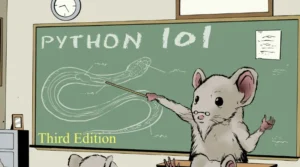
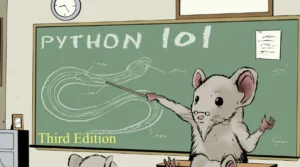
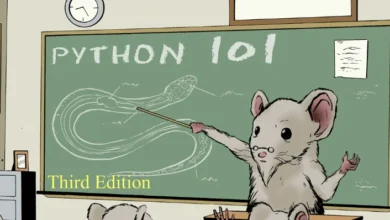
Python 101 Third Edition Kickstarter Campaign Launches to Update Beginner Programming Education for Modern Standards

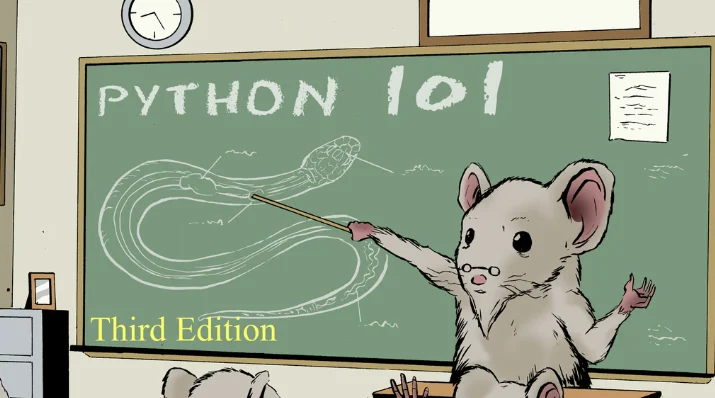
The landscape of computer science education is undergoing a continuous evolution, driven by the rapid advancement of programming languages and the ever-expanding demand for technical literacy across global industries. Within this dynamic environment, seasoned author and software developer Michael Driscoll has officially announced the launch of a Kickstarter crowdfunding campaign for the third edition of his widely recognized instructional book, Python 101. Designed specifically for novices, students, and professionals transitioning into software development, the upcoming edition aims to overhaul the curriculum to reflect contemporary Python standards, modern development tools, and updated coding best practices.
The announcement comes at a time when Python consistently ranks as one of the most popular and versatile programming languages in the world, utilized extensively in data science, artificial intelligence, web development, and automation. By turning to the crowdfunding platform Kickstarter, Driscoll seeks to secure the financial backing necessary to fund the comprehensive writing, professional editing, design, and publication phases required to bring the updated volume to market. This approach allows the author to maintain editorial independence while engaging directly with the community of learners and educators who have relied on previous iterations of the text to build foundational programming skills.
Background Context of the Event and Evolution of Python
To understand the necessity of a third edition, one must examine the rapid pace at which the Python ecosystem has developed over the past decade. Created by Guido van Rossum and first released in 1991, Python was designed with an emphasis on code readability and a syntax that allows programmers to express concepts in fewer lines of code than would be possible in languages such as C++ or Java. Over the years, Python transitioned from a niche scripting tool to the dominant language of the data revolution, serving as the core infrastructure for modern machine learning libraries, web frameworks, and enterprise automation pipelines.
Michael Driscoll, a prominent figure in the Python community and the author of several well-received technical books including Python 101, wxPython in Action, and ReportLab: PDF Generation with Python, originally conceived Python 101 as a bridge for absolute beginners. Previous editions of the book focused on demystifying core programming concepts such as variables, control flow, functions, dictionaries, and object-oriented programming. However, as the Python Software Foundation has rolled out successive minor and major versions—introducing powerful features such as structural pattern matching, improved type hinting, and enhanced performance optimizations—earlier instructional materials have inevitably required modernization.
The decision to launch a Kickstarter campaign for the third edition reflects a broader shift in how technical literature is funded and produced. Independent technical authors frequently utilize crowdfunding to offset the high costs of professional copyediting, technical review, interior typesetting, and cover design. By engaging readers directly through Kickstarter, authors can gauge market demand before committing to print runs, while offering early backers exclusive rewards such as digital pre-releases, physical copies, and supplementary learning materials.
Detailed Chronology and Campaign Structure
The timeline for the Python 101 third edition project is structured to ensure rigorous quality control and timely delivery to backers. The campaign officially opened its doors on Kickstarter, inviting the global developer community to participate in the funding phase. During this initial window, prospective readers can review the proposed table of contents, understand the scope of the updates, and select from various pledge tiers tailored to different learning needs and budgets.
Following the successful conclusion of the funding campaign, the project will enter its intensive production phase. According to the project roadmap, the upcoming months will be dedicated to rewriting foundational chapters, incorporating the latest Python syntax standards, and developing new, practical code examples that resonate with current industry trends. Professional technical editors will then review the manuscript to ensure pedagogical clarity, code correctness, and accessibility for readers with zero prior coding experience.
Once the editing and layout phases are finalized, the book will be prepared for distribution in multiple formats, including digital e-book editions (such as PDF and EPUB) and physical softcover or hardcover prints, depending on the chosen backer rewards. Throughout this timeline, Driscoll has committed to providing regular, transparent project updates via the Kickstarter platform, allowing backers to track the precise evolution of the manuscript from raw drafts to the final published work.
Target Audience and Pedagogical Approach
Python 101 has historically targeted a diverse demographic of learners, and the third edition explicitly maintains this inclusive pedagogical philosophy. The primary audience encompasses complete beginners who have never written a line of code, high school and university students seeking a reliable supplementary text for computer science coursework, and career switchers attempting to acquire marketable technical skills for modern workplaces. Furthermore, professionals working in non-technical fields—such as finance, marketing, and biological sciences—frequently turn to Python to automate repetitive data processing tasks, making an approachable, jargon-free guide an invaluable resource.
A central tenet of Driscoll’s teaching methodology is the elimination of unnecessary academic gatekeeping. Traditional computer science textbooks often bog down early learners with complex theoretical paradigms before demonstrating how to write functional, real-world scripts. Python 101 reverses this paradigm by prioritizing immediate, practical application. Readers are guided through simple scripts that solve tangible problems, building confidence incrementally as they encounter more advanced topics.
The third edition will place special emphasis on modernizing these practical examples. As the software industry has evolved, expectations regarding code quality, error handling, and environment management have shifted. Consequently, the updated book will integrate contemporary development workflows, helping students adopt best practices from day one rather than unlearning outdated habits later in their programming careers.
Financial Allocation and Backer Rewards
Crowdfunding technical literature requires careful financial planning to cover the multifaceted expenses of modern publishing. Funds raised through the Kickstarter campaign will be allocated directly toward key operational areas essential for delivering a polished final product. A significant portion of the budget will support professional developmental editing, technical proofreading, and index generation—services that are critical for ensuring that educational texts are free of logical inconsistencies and code errors.
Additionally, financial resources will be directed toward professional graphic design, cover illustration, and interior formatting to guarantee that the book is visually engaging and easy to read across various devices and print formats. Operational overhead, platform fees, and fulfillment logistics also account for a portion of the budget, ensuring that physical rewards are securely packaged and shipped to international backers.
To incentivize participation, the campaign features a tiered reward structure designed to accommodate various levels of financial support. Entry-level pledges typically provide immediate access to digital copies of the book as soon as they are compiled. Mid-tier options often include bundled learning materials, code repositories, or previous titles by the author. Higher-tier pledges may offer physical signed copies, acknowledgement in the book’s dedication pages, or specialized instructional content. This tiered approach has proven highly effective in past technical crowdfunding campaigns, fostering a sense of shared ownership and community investment among readers.
Broader Industry Implications and the Future of Python Education
The launch of the Python 101 third edition campaign highlights a broader trend within the educational technology and publishing sectors: the increasing reliance on community-supported, independent instructional material. While massive open online courses (MOOCs) and interactive coding websites have captured a large share of the beginner market, comprehensive printed and digital books remain uniquely valuable for learners seeking structured, distraction-free, and deep-dive conceptual understanding.
Books written by independent practitioners often bridge the gap between academic theory and practical software engineering more effectively than institutional curricula. Because authors like Michael Driscoll maintain active involvement in the professional software community, their instructional texts reflect the actual challenges and conventions encountered in modern workplaces. By updating Python 101 to reflect the current state of the language, the project contributes to the broader ecosystem of tech literacy, empowering a new generation of developers, analysts, and innovators to harness Python for scientific discovery, business optimization, and software creation.
As the Kickstarter campaign progresses, industry observers and educators will be watching closely to gauge the ongoing demand for specialized, author-driven programming literature. For aspiring programmers looking to enter the world of technology, the third edition of Python 101 promises to deliver an updated, rigorous, and highly accessible pathway into one of the most important professional skills of the twenty-first century. Supporters interested in participating in the campaign can access project details, review pledge tiers, and follow development updates directly through the official Kickstarter project page.