Svelte 5.57 and SvelteKit 3 Release Candidate mark a significant milestone in the evolution of the Svelte ecosystem

The release of Svelte 5.57 and the ongoing progression of the SvelteKit 3 Release Candidate represent the latest chapters in a sustained effort by the Svelte core team to refine the developer experience and modernize the framework’s underlying architecture. As the community moves toward a stable version of SvelteKit 3, these updates provide critical enhancements that signal a maturation of the ecosystem, emphasizing performance, developer productivity, and the integration of AI-assisted tooling.
The Evolution of Svelte: Version 5.57 and Beyond
Svelte 5, which introduced the revolutionary "Runes" system, marked a paradigm shift in how reactivity is handled within the framework. By moving away from compiler-magic dependency tracking toward a more explicit and performant model, Svelte 5 set the stage for a new era of reactive programming. Version 5.57 serves as a refinement point, delivering new methods for SvelteMap and various quality-of-life improvements that address developer feedback gathered over the last several months.
The introduction of new SvelteMap methods is particularly notable for developers building complex, state-heavy applications. By providing more granular control over reactive data structures, these updates reduce the overhead associated with state management. This follows a broader trend in frontend development where frameworks are increasingly tasked with handling large, dynamic datasets without sacrificing the responsiveness that users have come to expect.
SvelteKit 3: A Milestone in Stability
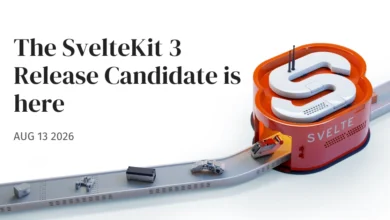
While Svelte handles the UI component layer, SvelteKit functions as the application framework that orchestrates routing, server-side rendering, and data fetching. The SvelteKit 3 Release Candidate (RC) signifies that the core API is largely feature-complete, shifting the team’s focus toward stability, edge-case resolution, and documentation completeness.
The release of the RC is the culmination of a multi-year development cycle. SvelteKit 2 successfully transitioned the framework into a stable, production-ready toolchain, but version 3 aims to address architectural limitations that hindered scalability in larger enterprise environments. Key updates in the RC branch, currently accessible via the @next tag, include enhanced type safety, more robust server-side rendering (SSR) configurations, and improved integration with modern deployment targets like Vercel, Netlify, and Cloudflare Pages.
Tooling Upgrades: The CLI and AI Integration
A major focal point of this update cycle is the Svelte Command Line Interface (CLI). The transition from the mcp add-on to the new ai-tools add-on reflects a strategic pivot toward integrating artificial intelligence into the developer workflow. In the modern software development lifecycle, AI-assisted coding tools have become ubiquitous; by formalizing this integration within the sv CLI, the Svelte team is providing a standardized way for developers to interact with large language models to generate boilerplate, debug code, and optimize component structures.
Furthermore, the sv@next package now includes a task-based migration utility specifically designed for SvelteKit 3. Migration is often the primary friction point for developers when upgrading frameworks. By automating the migration process through a series of discrete tasks—such as updating import paths, modifying configuration files, and adjusting component lifecycle hooks—the Svelte team is significantly lowering the barrier to entry for teams looking to adopt the latest version of the framework.
Chronology of Development
The path to these current releases has been marked by a series of intentional, iterative steps:
- Early 2024: The Svelte core team began emphasizing the "Runes" paradigm, prioritizing the stabilization of Svelte 5 APIs.
- Mid 2024: SvelteKit 2 reached widespread adoption, and initial discussions regarding the architectural changes required for version 3 began appearing in RFCs (Request for Comments).
- Q3 2024: The introduction of the
svCLI provided a unified entry point for Svelte projects, replacing fragmented setup processes. - October 2024: The SvelteKit 3 Release Candidate was officially launched on the
@nextbranch, signaling the final phase of testing. - November 2024: Svelte 5.57 was released, introducing the latest map methods and refining core performance metrics.
Industry Context and Impact
The Svelte ecosystem occupies a unique position in the current JavaScript landscape. Unlike React, which relies on a Virtual DOM, or Angular, which provides a comprehensive, opinionated platform, Svelte operates as a compiler. This distinction is critical to understanding the current update cycle. Every performance improvement in Svelte 5.57 is essentially a compilation optimization, meaning the end-user receives a smaller, faster JavaScript bundle without requiring the browser to perform heavy runtime reconciliations.
Data from recent developer surveys, including the State of JS, indicates that Svelte consistently ranks as one of the most loved and desired frameworks. The primary challenge cited by developers is the ecosystem’s size compared to more established frameworks. By focusing on stability in SvelteKit 3 and better migration tooling, the core team is clearly positioning the framework for broader enterprise adoption.
Official Responses and Community Reception
While the Svelte core team maintains a transparent development process via GitHub and Discord, the reception to these changes has been largely positive. Proponents of the framework highlight that the transition to Runes—while a significant breaking change—has resulted in code that is easier to reason about and debug.
Regarding the move to the ai-tools add-on, community sentiment suggests that developers appreciate the official support for AI, rather than relying on disparate third-party plugins. By standardizing this, the Svelte team ensures that AI-generated code conforms to the framework’s best practices, preventing the "technical debt by AI" scenario that has plagued other developer ecosystems.
Analysis of Implications
The implications of these updates extend beyond simple bug fixes. First, the standardization of the migration path suggests that the team is prioritizing the longevity of existing applications. Large-scale software projects often struggle to justify upgrades due to the labor-intensive nature of manual refactoring; the task-based migration tool is a direct response to this economic reality.
Second, the refinement of the sv CLI indicates that Svelte is moving toward a "batteries-included" experience. Historically, Svelte allowed developers to choose their own tooling, but the current trajectory suggests a preference for a cohesive, managed developer experience. This approach helps reduce the "configuration fatigue" often associated with modern frontend builds.
Finally, the focus on SvelteKit 3 stability indicates that the framework is ready to compete for more complex, data-driven web applications. By refining server-side capabilities and improving the integration of the development toolchain, the team is narrowing the gap between Svelte and other industry heavyweights, such as Next.js or Nuxt.
Conclusion and Future Outlook
As the Svelte ecosystem matures, the emphasis on stability, tooling, and developer productivity has become the framework’s hallmark. The release of Svelte 5.57 and the progress toward a stable SvelteKit 3 provide a clear roadmap for the future. For developers and organizations already invested in the Svelte ecosystem, these updates offer immediate benefits in performance and maintainability. For those considering a migration or a new project, the combination of improved migration tooling and a more stable, mature framework makes Svelte a compelling choice in an increasingly crowded market.
The team encourages all users to review the official changelogs on GitHub and participate in the ongoing discussions via the Svelte Discord server or the dedicated Reddit community. As the Release Candidate for SvelteKit 3 nears its final version, the community remains the primary source of testing and validation, ensuring that when the stable release finally arrives, it will be the most robust iteration of the framework to date.