Accelerating Enterprise Incident Response through the Integration of AWS DevOps Agent and ServiceNow via Model Context Protocol

Enterprise teams managing complex cloud-native applications on Amazon Web Services (AWS) have long grappled with the "swivel-chair" effect in incident management. When a service disruption occurs, site reliability engineers (SREs) and DevOps professionals are typically forced to oscillate between AWS infrastructure consoles, disparate third-party observability platforms, and ServiceNow’s IT Service Management (ITSM) modules. This fragmented operational model often results in manual data correlation, which is not only labor-intensive but also prone to human error, ultimately inflating the mean time to resolution (MTTR) and increasing the risk of cascading failures.
To address these inefficiencies, a new integration between the AWS DevOps Agent and the ServiceNow platform, powered by the Model Context Protocol (MCP), is transforming incident response from a reactive, manual process into an autonomous, governed workflow. This development marks a significant shift in how enterprises leverage artificial intelligence to maintain high-availability systems.
The Evolution of Automated Incident Management
The demand for this integration stems from the increasing velocity of cloud deployments. As organizations migrate more mission-critical workloads to AWS, the sheer volume of telemetry data—logs, metrics, and traces—has outpaced the human capacity for real-time analysis. Historically, ServiceNow served as the system of record for incidents, while AWS served as the execution environment. The disconnect between these two platforms meant that incident context often remained siloed.
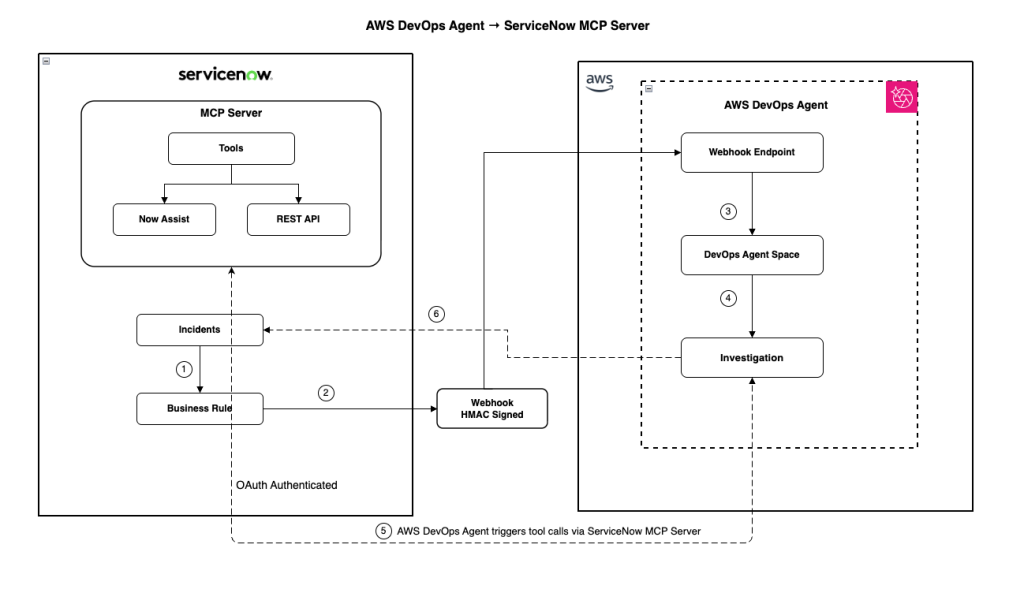
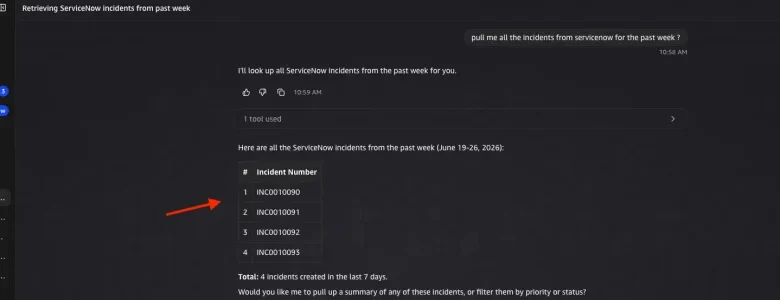
The introduction of the Model Context Protocol (MCP) by Anthropic and industry partners provides a standardized language for AI agents to interact with external tools. By utilizing MCP, the AWS DevOps Agent can now interface directly with the ServiceNow Action Fabric. This allows the agent to not only read incident metadata but also execute authorized remediation steps directly within the ServiceNow ecosystem. This interoperability ensures that the "intelligence" of the AWS DevOps Agent is effectively tethered to the "governance" of the ServiceNow enterprise environment.
Chronology of the Integration Architecture
The architectural framework of this integration was developed to solve the security and compliance concerns that typically accompany autonomous agents. The integration follows a structured, multi-layered approach:
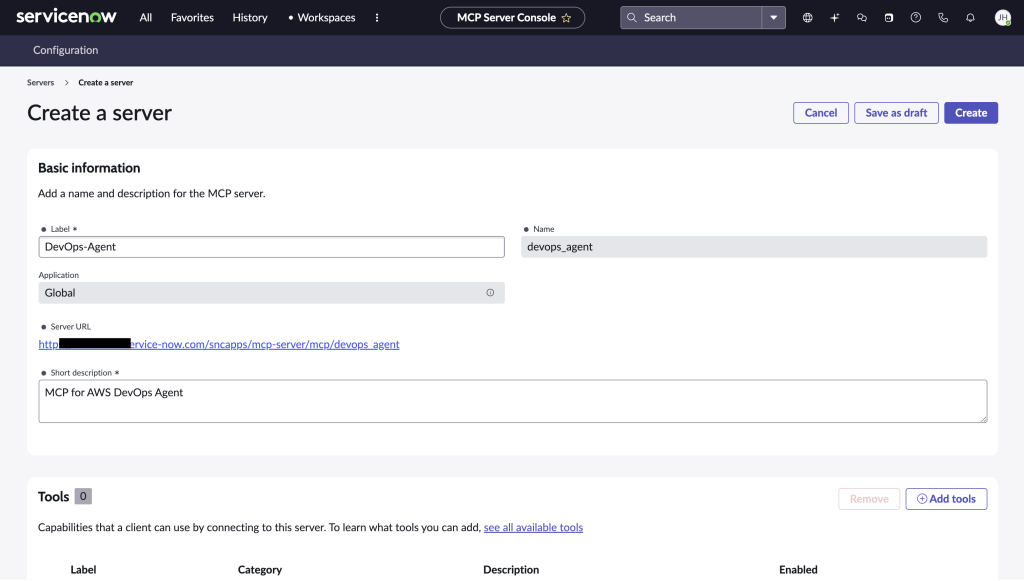
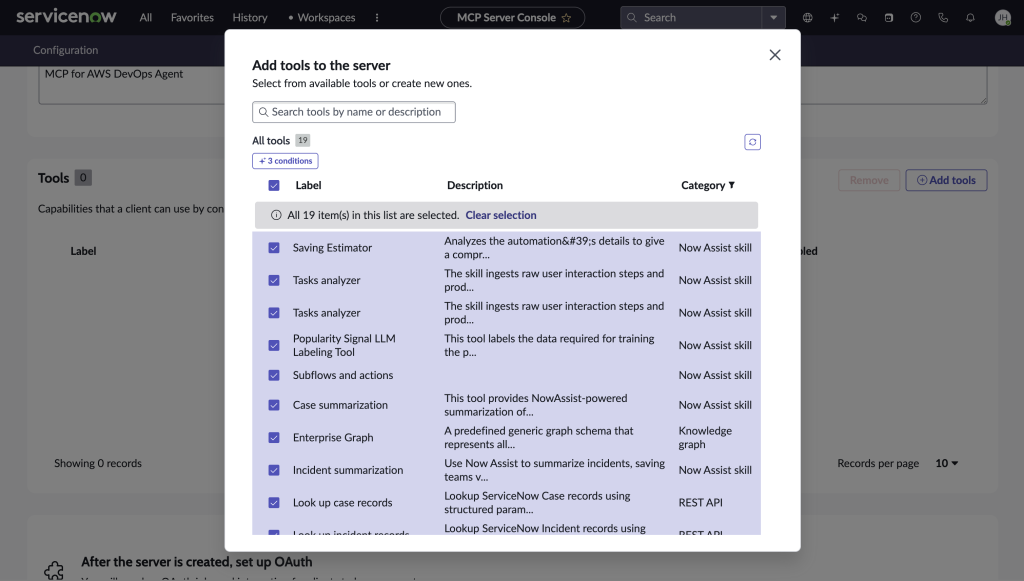
- Discovery Phase: The ServiceNow MCP Server acts as the interface layer, where administrators explicitly define which tools and capabilities—such as CMDB lookups, incident creation, or change request management—are exposed to the AI agent.
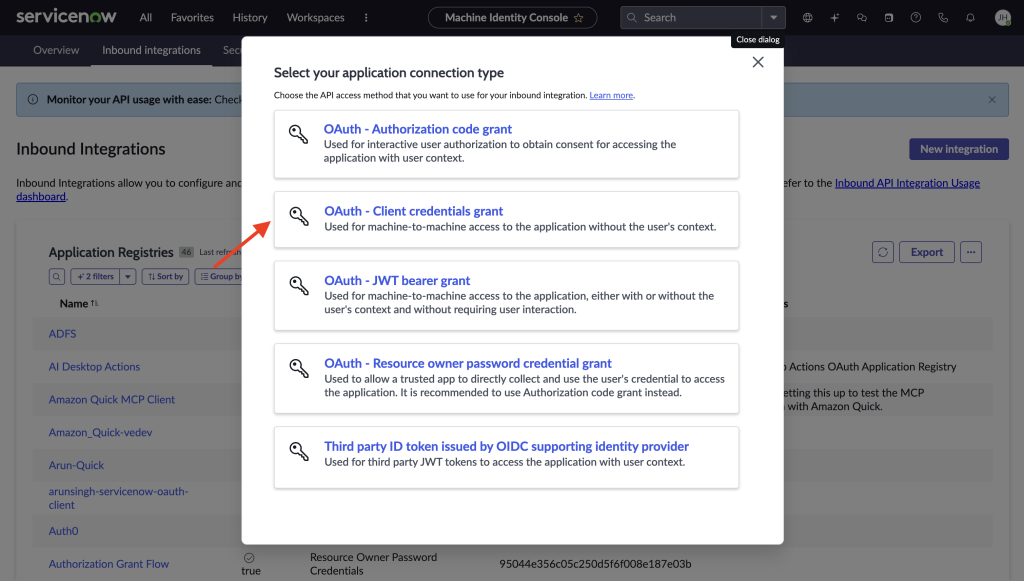
- Authentication and Authorization: Security is managed through OAuth 2.0. The agent operates under the principle of least privilege, with every action scoped to specific roles. This ensures that the agent cannot execute unauthorized changes to the production environment.
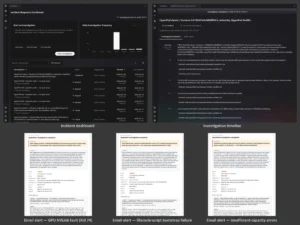
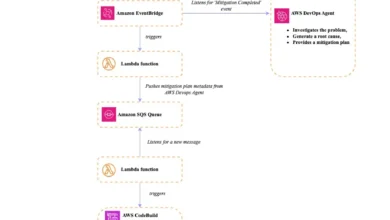
- Autonomous Investigation: Once an incident is triggered in ServiceNow, the AWS DevOps Agent, acting as an MCP client, probes the AWS environment. It correlates the incident details with real-time infrastructure performance data.
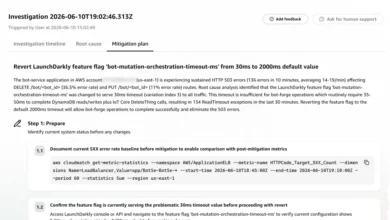
- Action Execution: Upon identifying the root cause, the agent proposes or executes a mitigation strategy, documenting every step within the ServiceNow incident record for auditing purposes.
Data-Driven Impact on MTTR
Industry benchmarks suggest that the manual effort required to aggregate context during an incident accounts for approximately 40% to 60% of total resolution time. By automating the data retrieval and correlation process, organizations utilizing the AWS DevOps Agent integration report substantial reductions in MTTR.
In a typical scenario, an engineer might spend 30 minutes manually querying logs and checking recent deployment history. With the integrated agent, this "triage" phase is reduced to seconds. By the time the SRE receives the notification, the incident record is already populated with a preliminary root cause analysis (RCA), a list of potentially affected resources, and a suggested resolution path. This proactive stance is critical for meeting strict Service Level Agreements (SLAs) in high-stakes enterprise environments.
Strategic Implications for IT Operations
The collaboration between AWS and ServiceNow highlights a broader trend: the movement toward "system-of-action" architectures. Traditionally, ITSM platforms were viewed as passive repositories. With the integration of AI agents, ServiceNow is evolving into an active participant in the DevOps lifecycle.
Govind Menon, Head of MCP Product at ServiceNow, notes that this integration enables a more fluid exchange of intelligence. By opening the system of action to AI agents, organizations can achieve a level of consistency that was previously impossible. When the agent acts, it does so within the guardrails defined by the enterprise’s existing compliance and change management policies. This addresses the primary concern of CIOs: that autonomous AI might inadvertently cause system instability. By funneling all actions through the ServiceNow Action Fabric, the enterprise maintains an auditable trail, which is essential for regulatory compliance in finance, healthcare, and public sector industries.
Implementation and Governance
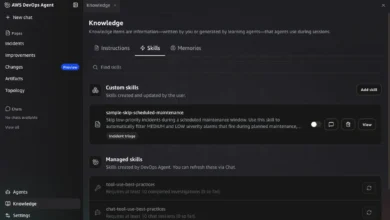
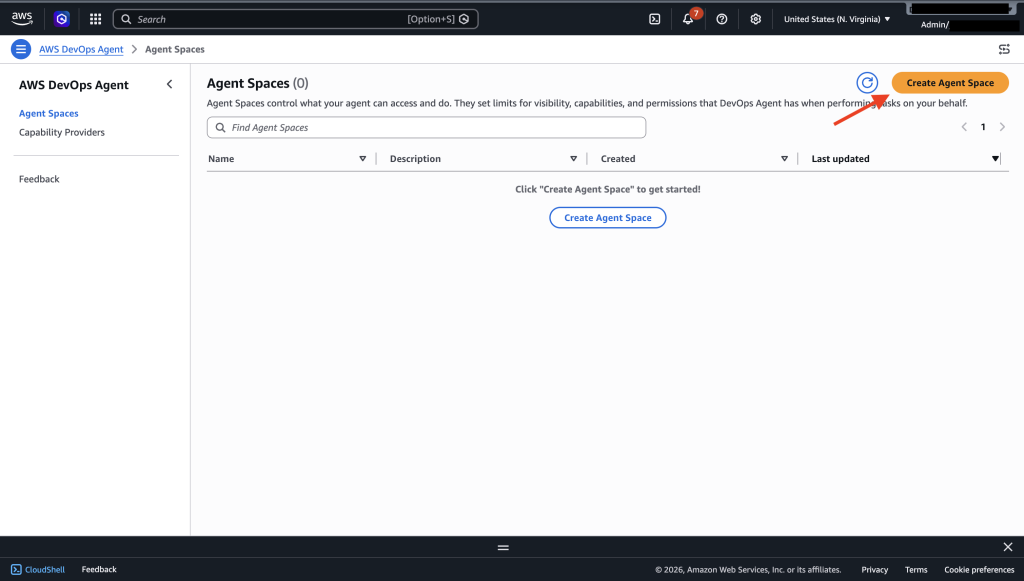
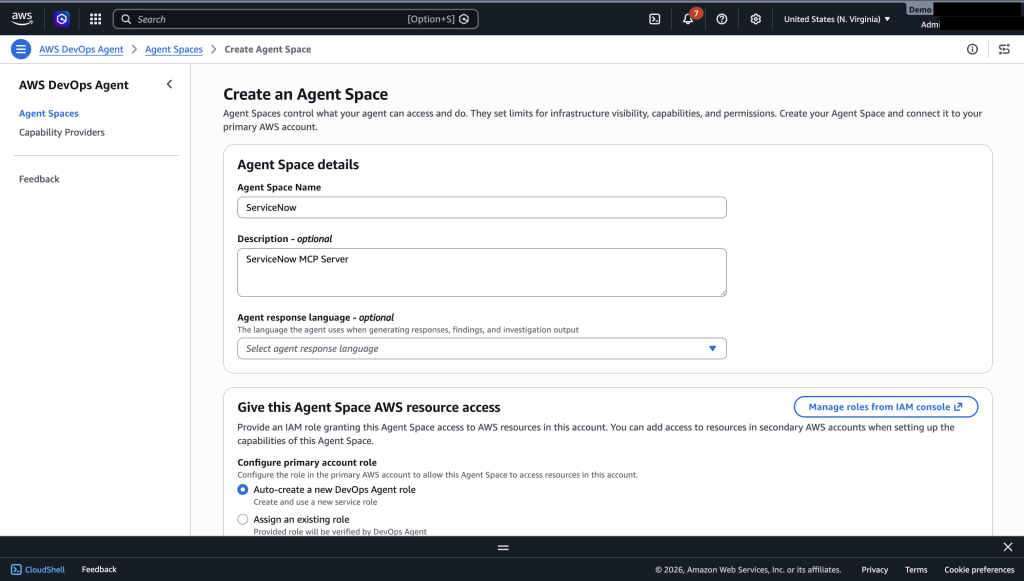
For organizations looking to deploy this, the setup requires a rigorous configuration of the ServiceNow MCP Server Console. Administrators must select specific "skills" that the agent is permitted to invoke. This granular control is a key differentiator from earlier, more opaque automation scripts.
Furthermore, the use of ServiceNow AI Control Tower provides a centralized oversight mechanism. It allows IT leadership to monitor the performance of the AWS DevOps Agent, ensuring that the automation remains aligned with business objectives. This governance is not merely administrative; it is technical, as the system logs every API call and decision-making step taken by the agent.
The Future of Autonomous DevOps
As organizations continue to scale their AWS footprint, the ability to integrate heterogeneous tools via open standards like MCP will become a competitive necessity. The current integration represents the first wave of what is likely to be a more comprehensive ecosystem of agent-to-tool communication.
In the coming years, we can expect this framework to expand to cover broader use cases, such as automated capacity planning, cost optimization, and predictive maintenance. The ability for an agent to "understand" the relationship between a cloud-native microservice and a business-critical incident record in ServiceNow is a foundational capability.
Conclusion
The convergence of AWS DevOps Agent and ServiceNow via the Model Context Protocol solves one of the most persistent bottlenecks in modern IT operations: the information gap between infrastructure observability and service management. By automating the investigation, documentation, and remediation processes, enterprises can move away from reactive firefighting and toward a model of continuous reliability.
For IT departments, this integration provides a clear roadmap for adopting AI-driven automation without sacrificing the security and governance standards that the enterprise requires. As the industry moves toward more autonomous operations, the combination of standardized communication protocols and governed execution layers will prove essential for any organization seeking to maintain stability in an increasingly complex cloud landscape. Organizations are encouraged to review the documentation provided by both AWS and ServiceNow to ensure proper scoping and implementation of these powerful tools, thereby securing their operational future.