Modernizing Enterprise Software Through Continuous Automated Pipelines with AWS Transform


The modern software development lifecycle has undergone a radical transformation, driven primarily by the rapid adoption of generative AI tools that allow developers to ship code at unprecedented velocities. While this acceleration has significantly reduced time-to-market for new features, it has simultaneously introduced a critical secondary challenge: the compounding of technical debt. As organizations integrate AI-generated code into aging brownfield environments—often characterized by legacy frameworks, undocumented services, and deprecated libraries—the risk of creating tangled, unmanageable dependencies grows exponentially. Researchers such as Anderson, Parker, and Tan, writing for the MIT Sloan Management Review, have underscored this reality, noting that layering AI-generated solutions onto legacy systems often obscures underlying systemic risks rather than resolving them. To combat this, a new operational paradigm is emerging: continuous modernization. By embedding automated code transformation directly into Continuous Integration and Continuous Deployment (CI/CD) pipelines, engineering teams can now synchronize dependencies and update documentation with every commit, effectively treating modernization as a constant operational activity rather than a disruptive, periodic project.
The Rising Cost of Technical Debt in an AI-Driven Era
Technical debt is no longer merely a maintenance nuisance; in an era where AI can generate thousands of lines of code in seconds, it has become a strategic liability. Historical data from software engineering firms suggests that the cost of remediation increases by an order of magnitude for every year a dependency remains unpatched. In large-scale enterprise environments, where microservices architectures may span hundreds of repositories, manual efforts to track and resolve these vulnerabilities are increasingly insufficient.
The traditional approach to modernization—often executed via "cleanup sprints" or annual refactoring initiatives—frequently fails because it is decoupled from the active development lifecycle. By the time a team begins a modernization sprint, the codebase has often shifted significantly, rendering many of the planned fixes obsolete. Consequently, the industry is shifting toward "continuous modernization," a practice where automated agents identify, test, and implement code changes in the background, ensuring the codebase remains aligned with current security and architectural standards without requiring constant manual intervention.
The DIY Path to Automated Modernization
For organizations that prefer granular control over their CI/CD workflows, the "Do-It-Yourself" (DIY) approach to continuous modernization offers a flexible alternative to fully managed services. By leveraging the AWS Transform CLI (atx), engineering teams can integrate custom transformation logic into existing CI/CD platforms, including GitHub Actions, GitLab CI, and Jenkins. This approach allows organizations to tailor their modernization strategy to the specific constraints of their environment, such as strict compliance requirements or custom deployment patterns.
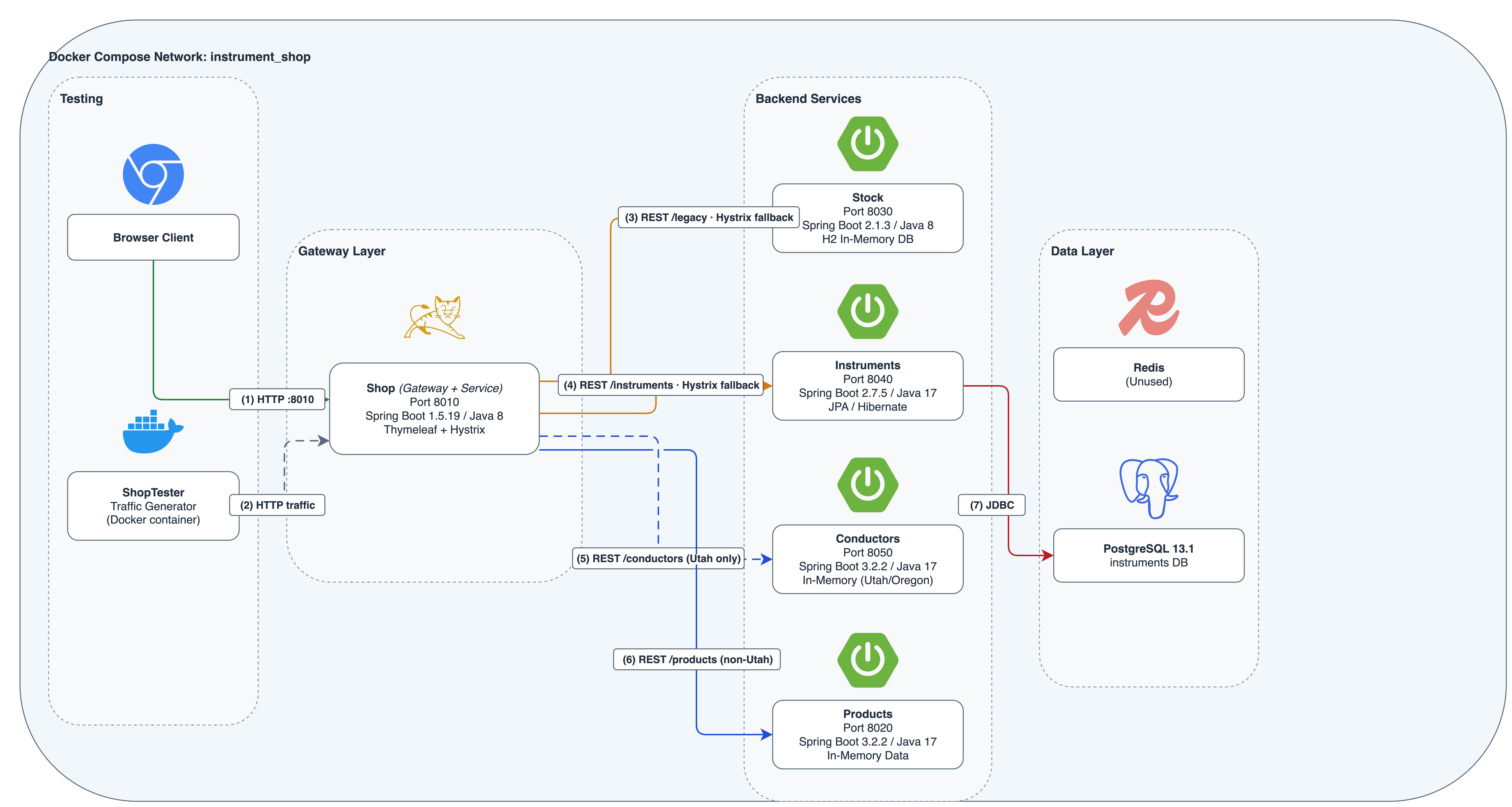
To illustrate this, consider the case of the "instrumentShop" application—a representative Java-based microservices architecture utilizing Spring Boot (v1.5.19), Hystrix for circuit breaking, and PostgreSQL 13.1 for persistence. Such applications are quintessential examples of modern legacy code: they are functional and business-critical, yet they rely on technologies that are either end-of-life or increasingly difficult to maintain. By deploying an automated pipeline, teams can orchestrate four essential practices: automated dependency remediation, auto-documentation on every commit, multi-repository scaling, and continual learning through AI-driven memory agents.
Chronology of an Automated Remediation Workflow
The efficacy of the continuous modernization pipeline is best observed through the lens of a typical automated workflow. The process begins with the identification of a security risk, typically triggered by a tool such as GitHub Dependabot. Instead of simply notifying a developer of an outdated library, the pipeline triggers an automated AWS Transform job.
- Detection and Triggering: The CI/CD pipeline detects a dependency alert. It triggers a shell script designed to invoke the AWS Transform CLI in a headless, non-interactive mode.
- Execution and Validation: The agent attempts the code transformation. Critically, this is not a simple version bump; the agent evaluates the potential for breaking changes, modifies the surrounding code to accommodate new APIs, and runs the necessary build commands (e.g.,
mvn clean install) to verify the stability of the change. - Retry Logic: Recognizing that automated transformations may occasionally encounter environmental friction, the pipeline incorporates built-in retry logic with an exponential backoff. This ensures that transient network issues or temporary build failures do not cause the entire modernization attempt to stall.
- Integration: Once the transformation is successful, the resulting code changes are committed as a new branch or PR, allowing for human oversight before final merge, thereby maintaining the balance between automation and human accountability.
Auto-Documentation as a Strategic Asset
One of the most persistent issues in large software organizations is the "documentation gap," where code evolves faster than the corresponding technical specs. This creates institutional knowledge silos that increase the time required for new engineers to become productive. Through AWS Transform, organizations can now automate the documentation process. By running a codebase analysis transformation as a post-push step, the system generates up-to-date architecture diagrams, technical debt reports, and migration plans. This documentation is automatically committed to the repository, ensuring that every stakeholder—from project managers to lead architects—is working from a single, current source of truth.
Scaling Across the Enterprise
For enterprises managing hundreds of microservices, the challenge is not just performing a single transformation, but orchestrating that change across the entire portfolio. The use of GitHub Actions’ matrix strategy, combined with AWS Transform’s ability to run in parallel, allows teams to perform global updates—such as a massive transition from Spring Boot 2 to 3—across all repositories simultaneously. This capability transforms modernization from a labor-intensive manual task into a scheduled background process.
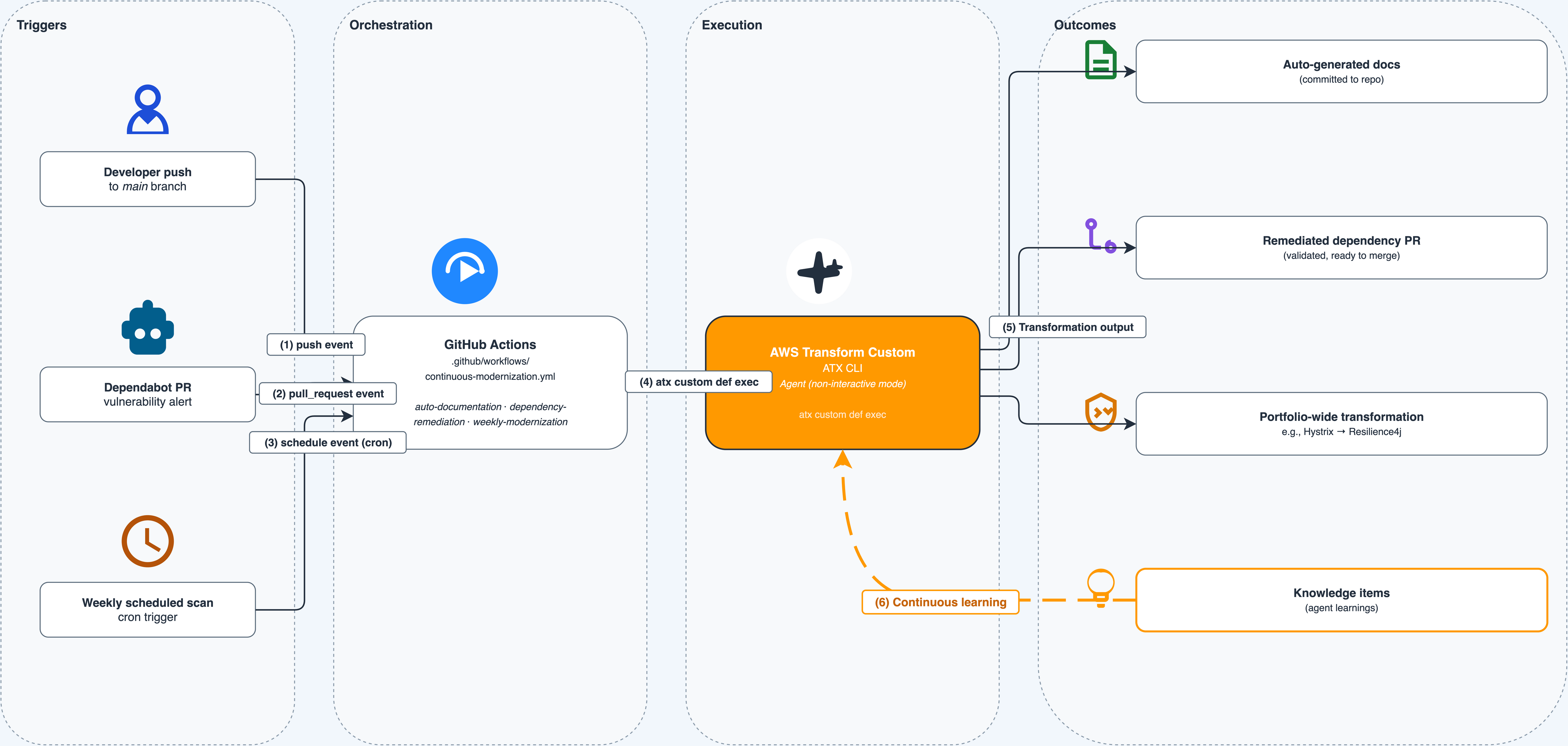
According to internal AWS architecture documentation, the key to successful scaling lies in the use of memory agents. As these agents perform transformations, they "learn" from the specific conventions of each repository. If a transformation encounters a unique edge case in one microservice, the agent captures that lesson and applies it to subsequent runs, effectively refining its own logic over time. This reduces the need for constant manual adjustment and allows the system to handle diverse architectural variations with increasing precision.
Broader Implications and Strategic Outlook
The shift toward continuous modernization represents a fundamental change in how the industry views software maintenance. Rather than viewing technical debt as a "tax" that must be paid at intervals, organizations are beginning to view it as an operational parameter that can be managed through continuous, automated feedback loops.
The implications for security are particularly profound. By shortening the "mean time to remediate" (MTTR) for vulnerable dependencies from weeks to minutes, organizations can significantly shrink their attack surface. Furthermore, the automation of documentation ensures that security audits are inherently more accurate, as they are based on the actual state of the codebase rather than stale, outdated documentation.
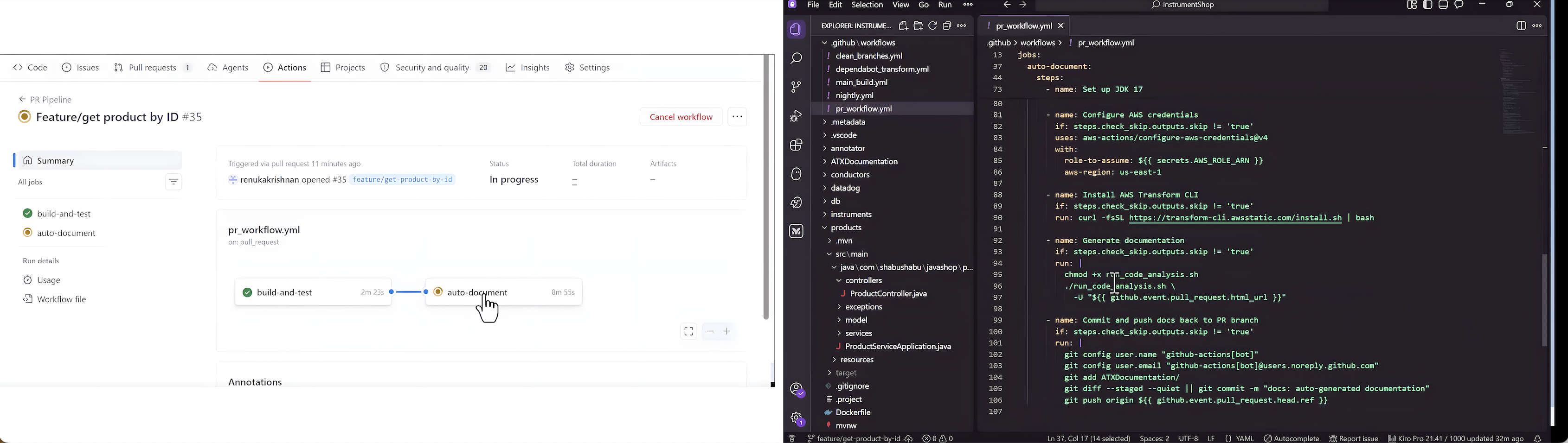
However, industry experts caution that while automation is powerful, it must be governed by robust security policies. The use of flags such as --trust-all-tools in CI/CD pipelines, while essential for non-interactive automation, requires rigorous security reviews. Organizations must ensure that the agents executing these transformations are operating within well-defined, least-privilege permissions, and that all automated changes are subject to automated testing suites that can detect potential regressions before they reach production.
Conclusion
As software development continues to move toward an AI-augmented future, the ability to maintain the health and integrity of legacy systems will become a defining competitive advantage. The integration of continuous modernization practices through tools like AWS Transform allows organizations to reclaim the time previously lost to manual maintenance and refactoring. By automating the routine aspects of software lifecycle management—dependency patching, documentation, and technical debt analysis—teams can focus their human intelligence on innovation and architectural strategy. Whether implemented through a DIY pipeline or a fully managed service, the move toward continuous, automated modernization is no longer an optional upgrade; it is an essential evolution for any organization aiming to thrive in an era of rapid, AI-driven development.
Related posts: