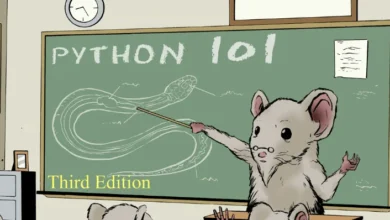
Python 101 Third Edition Kickstarter Campaign Launches to Update Popular Programming Guide for Modern Standards

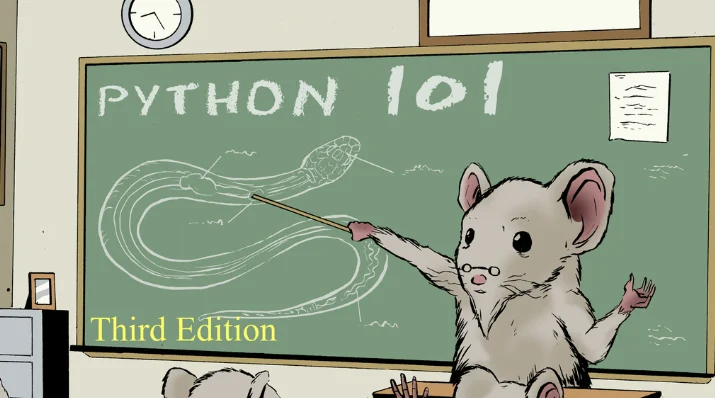
Long-time software developer, author, and technical educator Michael Driscoll has officially announced the launch of a crowdfunding campaign for the third edition of his widely recognized beginner programming guide, Python 101. The crowdfunding initiative, hosted on Kickstarter, aims to secure the financial backing required to write, professionally edit, produce, and publish a thoroughly revised version of the text that reflects the current landscape of the Python ecosystem. Since its initial publication, Python 101 has served as a foundational resource for students, hobbyists, and professionals seeking an approachable entry point into software development. By turning to the Kickstarter platform, Driscoll seeks to engage directly with his readership to ensure the new volume meets contemporary educational standards without the constraints of traditional publishing models.
The decision to develop a third edition stems from the rapid and continuous evolution of the Python programming language itself. In recent years, Python has introduced numerous syntax enhancements, performance optimizations, and changes to standard libraries that render older instructional materials obsolete in certain areas. Furthermore, best practices within the software engineering community have shifted toward greater emphasis on code readability, type hinting, modern packaging tools, and asynchronous programming paradigms. Driscoll’s updated volume is intended to bridge the gap between legacy teaching methods and modern development workflows, ensuring that absolute beginners learn habits and techniques that remain relevant in contemporary software engineering environments.
According to campaign details, the funds raised through the Kickstarter initiative will be allocated toward several key aspects of book production. These include dedicated writing time, comprehensive technical editing, professional proofreading, interior layout design, and cover art creation. Crowdfunding also enables the author to offer various pledge tiers, providing backers with early access to digital drafts, finished e-books, physical paperback or hardcover copies, and supplementary learning materials such as code repositories and exercise solutions. By utilizing a community-driven funding model, the author aims to maintain creative control over the curriculum while delivering a polished, high-quality publication to the programming education market.
Background Context of Python Education and the Rise of Crowdfunded Technical Literature
The landscape of computer science education has undergone a profound transformation over the past two decades. Python, originally conceived by Guido van Rossum in the late 1980s and released in 1991, has grown from a niche scripting language into one of the most dominant programming languages in the world. According to various industry indices, including the TIOBE index and Stack Overflow developer surveys, Python consistently ranks at or near the top of the most popular programming languages globally. This surge in popularity is largely driven by its versatility, clean syntax, and ubiquitous application in high-growth technological sectors such as artificial intelligence, machine learning, data science, web development, and process automation.
As the demand for Python proficiency has skyrocketed, so too has the market for educational resources. Traditional academic institutions have largely incorporated Python into their introductory computer science curricula, replacing older introductory languages like Java or C++. Simultaneously, a massive ecosystem of online tutorials, bootcamps, and self-taught literature has emerged to serve adult learners and career changers. Within this competitive ecosystem, books specifically tailored to absolute beginners occupy a crucial niche, offering a structured, screen-free alternative to endless video playlists and fragmented online documentation.
In recent years, technical authors have increasingly turned to crowdfunding platforms like Kickstarter and Leanpub to finance the creation of specialized programming books. This trend allows authors to bypass traditional publishing houses, which often impose strict word-count limits, high retail pricing, and delayed publication schedules. Crowdfunding empowers technical writers to gauge market demand before committing months of unpaid labor to a manuscript, while simultaneously building a dedicated community of beta testers and early supporters. Michael Driscoll’s decision to fund Python 101 Third Edition via Kickstarter aligns with this modern publishing paradigm, leveraging direct reader engagement to validate and sustain the editorial process.
Chronology and Development Milestones of the Python 101 Franchise
The journey of Python 101 as a staple educational text spans multiple years and several distinct phases of revision. The original iteration of the book was created to address a perceived gap in the market: many beginner books were either too academic and dry or too advanced for individuals who had never written a single line of code. Driscoll designed the original text to focus on practical application, breaking down complex programming concepts—such as variables, control flow, functions, and object-oriented programming—into bite-sized, digestible lessons accompanied by real-world examples.
Following the success of the initial release, the second edition of Python 101 was introduced to incorporate updates from subsequent Python releases, refine instructional pacing, and expand upon tricky topics such as error handling and file I/O. Over the years, thousands of readers utilized the book as a springboard into more advanced topics, ranging from graphical user interface (GUI) development with Tkinter to web scraping and database integration.
The announcement of the third edition marks the next major milestone in the franchise’s lifecycle. The current timeline for the project outlines several distinct operational stages:
- Campaign Phase: The Kickstarter campaign runs for a designated period, allowing backers to pledge funds and secure pre-order rewards.
- Writing and Revision Phase: Following successful funding, the author undertakes the comprehensive rewriting of existing chapters and the drafting of new material covering modern Python features.
- Technical Review and Editing: Early drafts are subjected to rigorous peer review and professional editing to identify clarity issues, bugs in code snippets, and structural weaknesses.
- Production and Layout: Finalized text is formatted into professional e-book (EPUB, MOBI) and print-ready PDF formats, accompanied by updated cover design and interior illustrations.
- Fulfillment and Distribution: Backers receive their digital and physical rewards according to their pledged tier, paving the way for eventual public retail availability.
Target Audience and Accessibility in Modern Programming
A core tenet of the Python 101 philosophy is radical accessibility. From its inception, the book has been explicitly engineered for individuals with zero prior programming experience. This includes high school and university students encountering code for the first time, professionals in non-technical fields seeking to automate tedious administrative tasks, and career changers preparing to transition into software engineering or data analysis roles.
Designing educational material for absolute beginners presents unique pedagogical challenges. Authors must carefully manage the cognitive load imposed on the learner, introducing new terminology and syntax gradually while avoiding the temptation to dive into overly complex theoretical concepts too early. The upcoming third edition aims to refine this pedagogical approach by incorporating updated teaching methodologies developed in recent years. This includes clearer explanations of common beginner pitfalls, improved debugging strategies, and exercises that emphasize problem-solving over rote memorization.
Furthermore, the modern Python ecosystem offers an array of tools that make learning more approachable than ever before. Integrated Development Environments (IDEs) with intelligent code completion, online code playgrounds, and interactive interpreters allow novices to see the immediate results of their code without wrestling with complicated installation procedures. The third edition of Python 101 integrates these modern tooling practices into its foundational chapters, ensuring that learners are not only taught how to write code, but also how to configure a productive, professional-grade development environment on Windows, macOS, or Linux operating systems.
Industry Implications and the Future of Python Education
The launch of crowd-funded technical literature like the third edition of Python 101 highlights a broader trend within the technology education sector: the decentralization and democratization of learning resources. As software engineering continues to evolve at a breakneck pace, traditional textbooks published by legacy academic presses often struggle to keep up with annual language updates and shifting industry demands. Community-backed publishing models provide a nimble alternative, allowing authors to update their content rapidly and maintain an open dialogue with their readership.
Moreover, the enduring popularity of Python underscores its status as the lingua franca of modern computing. As emerging technologies such as generative artificial intelligence, automated data pipelines, and cloud computing redefine the modern workplace, the ability to read and write Python code has transitioned from a specialized skill into a generalized form of digital literacy. Books that lower the barrier to entry for these foundational skills play a critical societal role in preparing the workforce for a technology-driven economy.
By updating Python 101 for the modern era, Michael Driscoll’s Kickstarter campaign contributes to this broader educational mission. Through careful financial planning, community engagement, and a commitment to pedagogical clarity, the project exemplifies how modern technical authors can successfully deliver high-quality, relevant educational content directly to the people who need it most. As the crowdfunding campaign progresses toward its funding goals, the programming community will be watching closely to see how the finalized text addresses the challenges and opportunities of contemporary software development.