SvelteKit Evolution Consolidating Configuration and Preparing for the SvelteKit 3 Transition

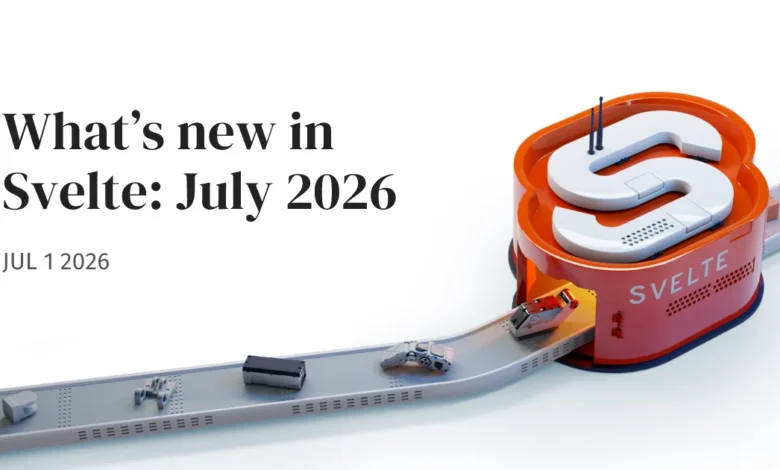
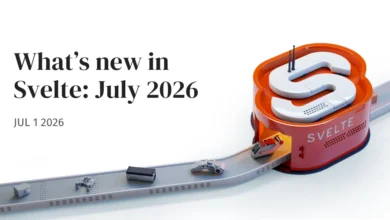
The Svelte maintainers have announced a significant architectural shift in how SvelteKit projects are structured, marking a pivotal moment in the framework’s lifecycle as it moves toward its next major iteration. This month’s updates center on the consolidation of configuration files, a preview of a modernized environment variable system, and the synchronization of developer tools to support the latest language features. These changes represent a broader industry trend toward reducing "boilerplate" code and aligning meta-frameworks more closely with their underlying build engines—in this case, Vite.
Streamlining the Developer Experience: The Unified Configuration Model
For several years, SvelteKit developers have managed their projects through a dual-configuration approach: svelte.config.js for framework-specific settings and vite.config.js for the underlying build tool. While this separation provided a clear boundary between the compiler and the bundler, it often led to confusion for newcomers and redundant logic in complex project setups.
The latest update introduces the ability to define SvelteKit configurations directly within the vite.config.js file. By utilizing the SvelteKit plugin for Vite, developers can now pass configuration objects directly into the plugin initialization, effectively rendering the standalone svelte.config.js file optional. This change is not merely cosmetic; it reflects a deep integration of SvelteKit into the Vite ecosystem.
Technical analysts note that this consolidation simplifies the "mental model" required to maintain a project. When settings for adapters, preprocessors, and routing are housed within the same file as alias definitions and server configurations, the risk of synchronization errors decreases. For enterprise-level applications where CI/CD pipelines often inject configuration dynamically, having a single source of truth within the Vite ecosystem streamlines automation and reduces the likelihood of build-time failures.
The Shift Toward Explicit Environment Variables
One of the most anticipated features revealed this month is the first preview of explicit environment variables. In the current iteration of SvelteKit (version 2), environment variables are typically handled via the $env modules, such as $env/static/private or $env/dynamic/public. While this system provides robust type safety and prevents the accidental leaking of sensitive keys to the client, it relies on "virtual modules" that can sometimes be difficult for external tooling and testing frameworks to resolve.
The transition toward explicit environment variables is slated to become a cornerstone of SvelteKit 3. This new approach aims to replace the magic of virtual modules with a more standard, explicit declaration system. According to early documentation and contributor discussions, the goal is to provide developers with more control over how variables are loaded and validated at runtime and build time.
The move is partly a response to the evolving landscape of edge computing. As SvelteKit is increasingly deployed on platforms like Cloudflare Workers, Vercel, and Netlify, the way environment variables are accessed can vary significantly based on the runtime environment. By moving toward an explicit model, SvelteKit 3 intends to offer a more predictable interface that behaves consistently across local development, Node.js servers, and serverless edge functions.
Synchronizing the Toolchain: The const Tag and CLI Updates
The Svelte ecosystem is known for its "compiler-first" philosophy, which relies heavily on sophisticated language tools to provide a seamless development experience. This month, the Svelte language tools and the sv CLI (the framework’s command-line interface) reached a critical milestone by achieving full compatibility with the new const ... declaration tags.
The const tag, introduced to the Svelte compiler to allow for local variable declarations within template logic, had previously lacked full support in some integrated development environments (IDEs) and automated scaffolding tools. With the latest releases, the whole toolchain is now in sync. This allows developers to use the tag inside loops or conditional blocks without triggering linting errors or losing autocompletion capabilities.
For example, when iterating over a complex data structure in a Svelte component, a developer can now use const itemTotal = price * quantity within an #each block. This improves performance by avoiding redundant calculations and enhances code readability. The synchronization of the CLI means that new projects scaffolded via sv will come pre-configured to handle these modern syntax features, ensuring that best practices are baked into the developer workflow from day one.
Chronology of SvelteKit’s Development Path
To understand the significance of these updates, one must look at the timeline of SvelteKit’s evolution. Since the framework reached its 1.0 milestone in December 2022, the development team has focused on stability and performance.
- December 2022: SvelteKit 1.0 is released, moving the framework out of a long beta period and establishing it as a production-ready tool for full-stack web development.
- December 2023: SvelteKit 2.0 is launched, primarily focusing on compatibility with Vite 5 and refining the migration paths for Svelte 5’s "Runes" system.
- Mid-2024: The introduction of Svelte 5 (currently in preview/RC) changes the reactivity model of the underlying Svelte library, necessitating updates to the meta-framework.
- Present Month: The announcement of unified configuration and the SvelteKit 3 roadmap marks the beginning of the framework’s next major transition.
This chronology demonstrates a deliberate and measured approach to framework maintenance. Rather than introducing breaking changes frequently, the Svelte team uses "bridge" updates—like the one seen this month—to allow developers to opt into new patterns before they become mandatory in a major version.
Supporting Data and Market Adoption
The shift in SvelteKit’s architecture comes at a time of steady growth for the framework. According to the 2023 State of JS survey, Svelte maintains one of the highest "interest" and "satisfaction" ratings among developers, consistently rivaling React and Vue. While its market share in terms of raw usage is smaller than React’s, its influence on the industry—particularly regarding the move away from the virtual DOM and toward compilation—is disproportionately large.
Data from npm trends shows that SvelteKit downloads have seen a year-over-year increase of approximately 45%, reflecting its growing adoption in both personal projects and corporate environments. The move to consolidate configuration into vite.config.js is seen by many industry observers as a tactical move to lower the barrier to entry, potentially accelerating this adoption rate as developers from other Vite-based frameworks (like SolidJS or Vue) find the transition to SvelteKit more intuitive.
Official Responses and Community Reaction
While official statements from the Svelte core team emphasize technical efficiency, the community reaction has been largely positive, albeit with some caution regarding the upcoming SvelteKit 3 migration. On platforms like Reddit and Discord, contributors have noted that the "configuration fatigue" associated with modern web development is a real pain point, and any move to reduce the number of files in a project root is a welcome change.
A Svelte contributor, speaking on the condition of anonymity, indicated that the decision to move toward explicit environment variables was driven by a desire to make SvelteKit "the most boringly predictable framework to deploy." This refers to the goal of eliminating the "magic" that can sometimes make debugging environment-related issues difficult in highly abstracted frameworks.
However, some developers have expressed concern about the potential for breaking changes in SvelteKit 3. The maintainers have addressed this by providing the current updates as an optional "opt-in" preview, allowing teams to test the new configuration style and environment variable patterns in their existing SvelteKit 2 projects before the formal transition.
Broader Impact and Industry Implications
The evolution of SvelteKit reflects a broader shift in the web development industry. As build tools like Vite become the standard across the ecosystem, the need for framework-specific configuration files is diminishing. We are seeing a convergence where the meta-framework (SvelteKit, Nuxt, Remix) acts more like a plugin to the build tool (Vite, Rspack) rather than a separate entity that wraps it.
This "Vite-first" approach has several long-term implications:
- Interoperability: As more frameworks standardize on Vite configuration patterns, it becomes easier to share plugins and tooling across different ecosystems.
- Reduced Maintenance: Framework maintainers can offload more of the heavy lifting to the Vite core team, focusing instead on framework-specific features like routing and server-side rendering (SSR) logic.
- Performance: A more direct integration with the bundler can lead to faster hot module replacement (HMR) and more efficient code-splitting, as there are fewer layers of abstraction between the source code and the final output.
Furthermore, the introduction of the const tag and its subsequent toolchain support highlights a move toward making templates more powerful and expressive without sacrificing the declarative nature of Svelte. This allows Svelte to compete more effectively with JSX-based frameworks, which have traditionally had more flexibility in how variables are handled within the view layer.
Conclusion: The Road Ahead
As SvelteKit continues to mature, the focus is clearly shifting from feature parity to developer ergonomics and long-term sustainability. The updates released this month serve as a bridge between the present and the future of the framework. By unifying configuration and modernizing environment variable handling, SvelteKit is positioning itself as a streamlined, high-performance option for developers who value simplicity and speed.
For developers currently using SvelteKit, the immediate recommendation from the core team is to begin exploring the new configuration options and keeping an eye on the SvelteKit 3 migration guides as they develop. While the current changes are incremental, they lay the groundwork for a more robust and standardized framework that is well-equipped to handle the demands of modern web application development in 2025 and beyond. The alignment of the sv CLI and language tools ensures that the ecosystem remains cohesive, providing a solid foundation for the next generation of Svelte-powered applications.