React Native 0.86 has been officially released, marking a significant milestone for the popular cross-platform development framework. This latest iteration brings crucial improvements, most notably comprehensive edge-to-edge display support for Android 15 and beyond, alongside notable enhancements to React Native DevTools. This release continues the project’s commitment to stability, boasting no user-facing breaking changes, a trend initiated with version 0.83, making the upgrade process for developers more predictable and seamless.
A New Era for React Native: Transition to the React Foundation
A pivotal development accompanying this release is the relocation of the React Native repository, alongside React, Metro, and Yoga, from the facebook GitHub organization to the react organization. This strategic move signifies the formal transition of React and React Native development under the umbrella of the React Foundation, an independent entity dedicated to the long-term stewardship and evolution of the entire React ecosystem. This organizational shift is designed to foster greater community involvement and ensure the sustained growth and stability of these foundational technologies. GitHub has implemented automatic redirects for all existing URLs, issues, and pull requests, ensuring a smooth transition for all users and collaborators. This relocation is indicative of a broader industry trend towards more decentralized and community-driven open-source projects, aiming to reduce reliance on single corporate entities and promote broader innovation.
Unlocking the Full Screen: Edge-to-Edge Support on Android
React Native 0.86 introduces robust fixes for Android 15’s edge-to-edge mode. This enhancement ensures that applications can seamlessly extend their content to the very edges of the device screen, even in scenarios where the operating system enforces this display mode without explicit developer configuration via the edgeToEdgeEnabled Gradle property. This is a critical advancement for modern Android app design, allowing developers to create more immersive and visually appealing user interfaces that fully leverage the device’s display real estate. Historically, achieving true edge-to-edge integration on Android has presented challenges, often requiring intricate native code adjustments. This update streamlines that process, making it more accessible to React Native developers. The fixes address issues that previously could lead to content being obscured by system bars or incorrect layout behavior when edge-to-edge was enabled by default. This improved compatibility is particularly vital as device manufacturers increasingly adopt display designs that minimize bezels and maximize screen usage.
Empowering Developers: React Native DevTools Enhancements
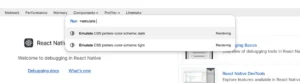
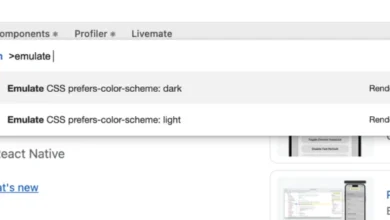
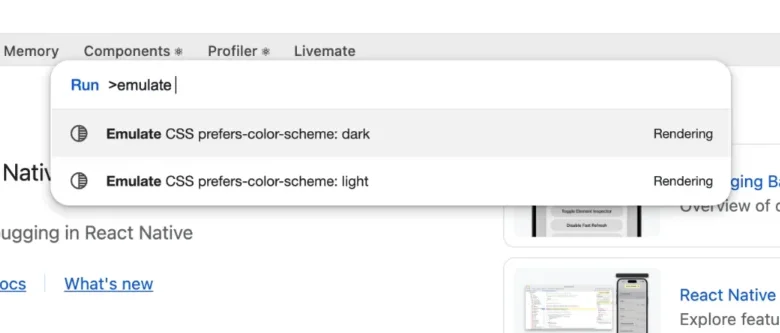
The development experience for React Native applications has been further refined with significant improvements to React Native DevTools. A standout feature is the new support for light/dark mode emulation directly within the DevTools. Developers can now simulate their app’s appearance in both light and dark modes using the Emulation.setEmulatedMedia function, eliminating the need to manually change device settings. This allows for rapid testing and validation of how an application’s UI elements and styling adapt to different appearance modes, a crucial aspect of modern app design that enhances user experience and accessibility. Accessing this feature is straightforward: users can invoke the Command Palette by pressing cmd + shift + P (on macOS) or ctrl + shift + P (on Windows/Linux) and select the desired emulation option. It’s important to note that this is a temporary override; the emulation will reset to the device’s default setting once the DevTools session is disconnected, ensuring no persistent changes are made to the development environment. This capability significantly streamlines the workflow for designers and developers alike, enabling them to ensure design consistency and adherence to platform-specific theming guidelines with greater efficiency.
A Commitment to Stability: No User-Facing Breaking Changes
Continuing a positive trend, React Native 0.86 arrives with zero user-facing breaking changes. This deliberate approach, a continuation from version 0.83, underscores the React Native core team’s dedication to making the upgrade process as smooth and predictable as possible for the developer community. For developers currently on React Native 0.85, upgrading to 0.86 should theoretically require no modifications to their existing application code. This focus on backward compatibility is a significant factor in React Native’s widespread adoption, as it reduces the technical debt associated with maintaining and updating large codebases. The project’s versioning policy, which defines what constitutes a breaking change, remains a key tenet in ensuring developer confidence. This commitment to stability allows businesses to invest in React Native with greater assurance, knowing that major upgrades will not necessitate extensive refactoring efforts.
Deprecations and Future Considerations
While 0.86 focuses on stability and new features, the release also signals upcoming changes through deprecations. Certain APIs have been marked for deprecation, indicating they are slated for removal in future releases. Developers are encouraged to review these deprecations and begin planning for the transition to alternative solutions to ensure long-term compatibility with subsequent React Native versions. This proactive approach to deprecation allows the community ample time to adapt and migrate their codebases, further contributing to the ecosystem’s overall health and maintainability.
Deeper Dive: Runtime, Layout, and Infrastructure Enhancements
Beyond the headline features, React Native 0.86 incorporates a range of under-the-hood improvements across various domains. The Runtime & Web Spec Alignment efforts continue, aiming to bring React Native’s runtime behavior and capabilities closer to web standards, fostering greater code portability and leveraging familiar web development paradigms.
In the realm of Rendering, Layout & Animation, refinements have been made to enhance the performance and responsiveness of user interfaces. These improvements are crucial for building fluid and engaging mobile experiences, especially for visually rich applications and games.

Accessibility remains a core focus, with ongoing work to ensure React Native applications are inclusive and usable by individuals with disabilities. Enhancements in this area contribute to broader reach and compliance with accessibility standards.
Significant progress has also been made in Infrastructure & Dependencies. These updates often involve optimizing build processes, improving tooling, and updating underlying libraries, all of which contribute to a more robust and efficient development environment.
The JSI (Native Interface) has seen the addition of new APIs designed to bolster the C++ interface between native modules and the JavaScript engine. These advancements empower native modules with greater capabilities, enabling more sophisticated integrations and performance optimizations.
Specific to the Android platform, Android Input, Navigation & Images have received attention, with improvements likely addressing how applications handle user input, navigate between screens, and display images, leading to a more polished user experience on the platform. Furthermore, Android Networking capabilities have been refined, potentially improving the efficiency and reliability of network requests within React Native applications on Android devices.
Acknowledgements and Community Contributions
React Native 0.86 is the product of extensive collaboration, featuring over 596 commits from 97 dedicated contributors. The release acknowledges the immense effort and expertise contributed by individuals within the React Native community. A special commendation is extended to those community members who have made significant contributions to this release, underscoring the project’s reliance on and appreciation for its vibrant open-source ecosystem.
Upgrading to React Native 0.86
React Native 0.86 is now the latest stable version, with version 0.83.x moving to an unsupported status. Developers are strongly encouraged to consult the React Native support policy for detailed information on version support. For existing projects, the React Native Upgrade Helper remains an invaluable tool, providing a clear, version-by-version breakdown of code changes necessary for upgrading. Comprehensive upgrading documentation is also available for further guidance.
For those looking to start new projects with the latest version, the command npx @react-native-community/cli@latest init MyProject --version latest will initialize a new project with React Native 0.86.
For users of the Expo managed workflow, React Native 0.86 will be made available through the expo@canary release channels, allowing for early access and testing within the Expo ecosystem. This phased rollout ensures that Expo users can benefit from the latest React Native features while maintaining the stability and integrated tooling that Expo provides.