Transforming Android Apps with Generative AI: A Deep Dive into Jetpacker and Intelligent Experiences

Android developers are embarking on a new era of application development, one where generative artificial intelligence (GenAI) is not just an add-on but a core component, enabling increasingly personalized, intelligent, and agentic user experiences. This shift demands navigating a complex landscape of models, APIs, and architectural choices. To guide developers through this intricate process, Google has unveiled "Jetpacker," a technical showcase app built from the ground up for this year’s Google I/O conference. This open-source application serves as a living demonstration, illustrating how to integrate sophisticated AI capabilities into Android applications, and is now being dissected in a comprehensive series of technical blog posts.
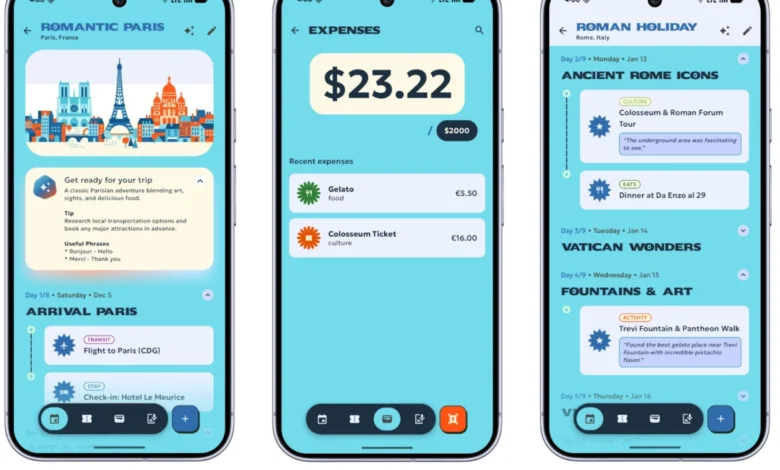
The Jetpacker app, developed using the Antigravity framework and adhering to Android’s best practices for design and functionality, offers a glimpse into the future of mobile applications. At its heart, Jetpacker is designed to assist users in planning, exploring, and fully enjoying their travel adventures. It provides a clear overview of upcoming trips, detailed itineraries for each journey, and specific event information within those itineraries, all presented with a visually appealing and expressive Material UI design. A video demonstration of the app, available for public viewing, showcases its intuitive interface and robust features. The app’s availability as an open-source project on GitHub is a significant move, allowing developers worldwide to examine its codebase, learn from its implementation, and adapt its features for their own projects. This initiative underscores Google’s commitment to fostering innovation and knowledge sharing within the Android developer community.

The accompanying blog post series aims to demystify the process of building these advanced AI-powered applications. Each installment delves into specific aspects of Jetpacker’s functionality, offering detailed implementation steps, practical code snippets, and crucial architectural insights. The journey begins with a fundamental mobile app and progresses towards a truly personalized, intelligent, and agentic experience, demonstrating a clear path for developers to follow.
On-Device Intelligence: Privacy and Performance at the Forefront
One of the pivotal aspects explored in the blog series is the implementation of on-device AI features. This approach offers compelling advantages, primarily centered around user privacy and operational efficiency. By processing AI models directly on the user’s device, developers eliminate the need for cloud inference, thereby avoiding additional operational costs associated with server-side processing. Furthermore, this local processing ensures that applications can function seamlessly even without an active internet connection, a critical consideration for travelers who may encounter areas with limited or no connectivity. Perhaps most importantly, on-device inference provides users with a strong assurance that their private data is being processed locally, never leaving their device and thus mitigating concerns about data breaches or unauthorized access.
In Jetpacker, on-device intelligence is leveraged for several key features. These include the summarization of trip itineraries, which condenses lengthy travel plans into easily digestible overviews, and the management of expenses, likely involving the parsing of receipts or transaction data. Additionally, the app incorporates voice note functionality, allowing users to record and process audio locally, potentially for transcription or as part of a larger journaling feature. These examples highlight how on-device AI can enhance user experience by providing immediate, private, and reliable intelligent assistance without the inherent complexities and costs of cloud-based solutions. The integration of ML Kit’s Generative AI APIs and Gemini Nano, as detailed in the second part of the blog series, provides developers with the tools and frameworks necessary to implement such privacy-first features.

Cloud and Hybrid Inference: Expanding Capabilities with Global Knowledge
While on-device processing offers significant benefits, there are scenarios where the capabilities of cloud-based AI models become indispensable. The blog series addresses this by exploring cloud and hybrid inference strategies, which allow developers to tap into AI models with vastly expanded world knowledge, larger context windows, and a greater capacity for handling complex, multi-step tasks. This approach is crucial for features that require access to real-time information, extensive databases, or sophisticated reasoning capabilities that may exceed the computational power or data storage of a typical mobile device.
Jetpacker demonstrates these capabilities through features such as a "Museum Assistant with web grounding." This suggests an AI that can not only provide information about museum exhibits but also access and synthesize information from the web to offer richer, more contextualized insights. Another example is a "hybrid restaurant review drafting" feature, which likely combines on-device summarization of user input with cloud-based natural language generation to craft compelling review text. A "hotel support chat" showcases another powerful application, incorporating custom-routed live translation. This feature allows users to interact with hotel support in their native language, with the AI facilitating seamless communication by routing requests and translations between the user and cloud-based translation services.
The hybrid inference model is particularly noteworthy. It allows for dynamic selection between cloud and on-device models at runtime. This offers a sophisticated balance, enabling developers to reduce costs by utilizing on-device processing when feasible, while still ensuring full support for all Android devices, including those with less powerful hardware or limited connectivity, by falling back to cloud-based models. This flexibility is key to building scalable and accessible AI-powered applications. The third part of the blog series delves deeper into this, exploring how to leverage Firebase AI Logic to ground Large Language Model (LLM) answers in real-world data, such as Google Maps and broader web context, thereby enhancing the accuracy and relevance of AI-generated responses.

System Integration: Seamless Interoperability with the Android Ecosystem
Beyond the direct integration of AI models within an application, the blog series highlights the importance of system integration. This aspect focuses on how an app’s AI capabilities can be exposed and utilized by the Android operating system itself, creating a more cohesive and intelligent user experience across the entire device. This is achieved through the AppFunctions API, a powerful tool that allows developers to integrate their app’s core functionalities directly into the Android system’s intelligence layer.
While not a feature directly visible within the Jetpacker app’s user interface, this system-level integration unlocks new possibilities for contextual awareness and proactive assistance. For instance, the system could leverage Jetpacker’s travel planning capabilities to offer relevant suggestions or reminders based on a user’s calendar or location data, without the user explicitly opening the app. This deep integration signifies a move towards a more proactive and anticipatory computing paradigm, where the operating system and its applications work in concert to anticipate user needs and provide timely support. The fourth installment of the blog series provides a detailed exploration of how to implement this system integration using the AppFunctions API, offering insights into building applications that are not only intelligent but also deeply embedded within the Android ecosystem.
In-App Agentic Workflows: The Future of Autonomous AI Assistance
The blog series culminates with a look towards the future of AI in mobile applications: in-app agentic workflows. This concept introduces a higher level of autonomy to AI models, enabling them to act as intelligent agents capable of working towards specific goals. Unlike a single inference call, an agent operates through an orchestration loop, allowing it to reason, utilize tools, and adapt its approach to achieve a desired outcome. These intelligent agents can be deployed in the cloud, directly on-device, or through a hybrid setup, depending on the specific requirements of the task.

Jetpacker showcases this by introducing a "booking assistant." This feature automates end-to-end booking workflows directly within the application, streamlining reservation processes for flights, accommodations, or activities. The booking assistant is built using A2UI (Android AI User Interface) and ADK (Android Developer Kit) running in the cloud. In this architecture, the Android app functions as a sophisticated front-end to a multi-agentic system operating in the cloud. This signifies a paradigm shift where mobile applications become interfaces to powerful, distributed AI agents that can perform complex tasks on behalf of the user. The upcoming fifth part of the blog series is anticipated to provide a comprehensive deep dive into building these agentic workflows, offering developers the blueprints to create truly autonomous and goal-oriented AI assistants within their Android applications.
The introduction of Jetpacker and its accompanying technical documentation marks a significant milestone in the evolution of Android development. By providing a tangible, open-source example and a detailed series of guides, Google is empowering developers to harness the transformative potential of generative AI. This initiative not only promises to enhance user experiences through personalized and intelligent features but also underscores a commitment to pushing the boundaries of what is possible on the Android platform, paving the way for a future where mobile applications are not just tools, but intelligent collaborators in our daily lives. Developers interested in staying at the forefront of Android development are encouraged to follow Android Developers on YouTube and LinkedIn for further updates and insights.