React Native 0.83 Ushers in a New Era with React 19.2, Enhanced DevTools, and Web API Integration

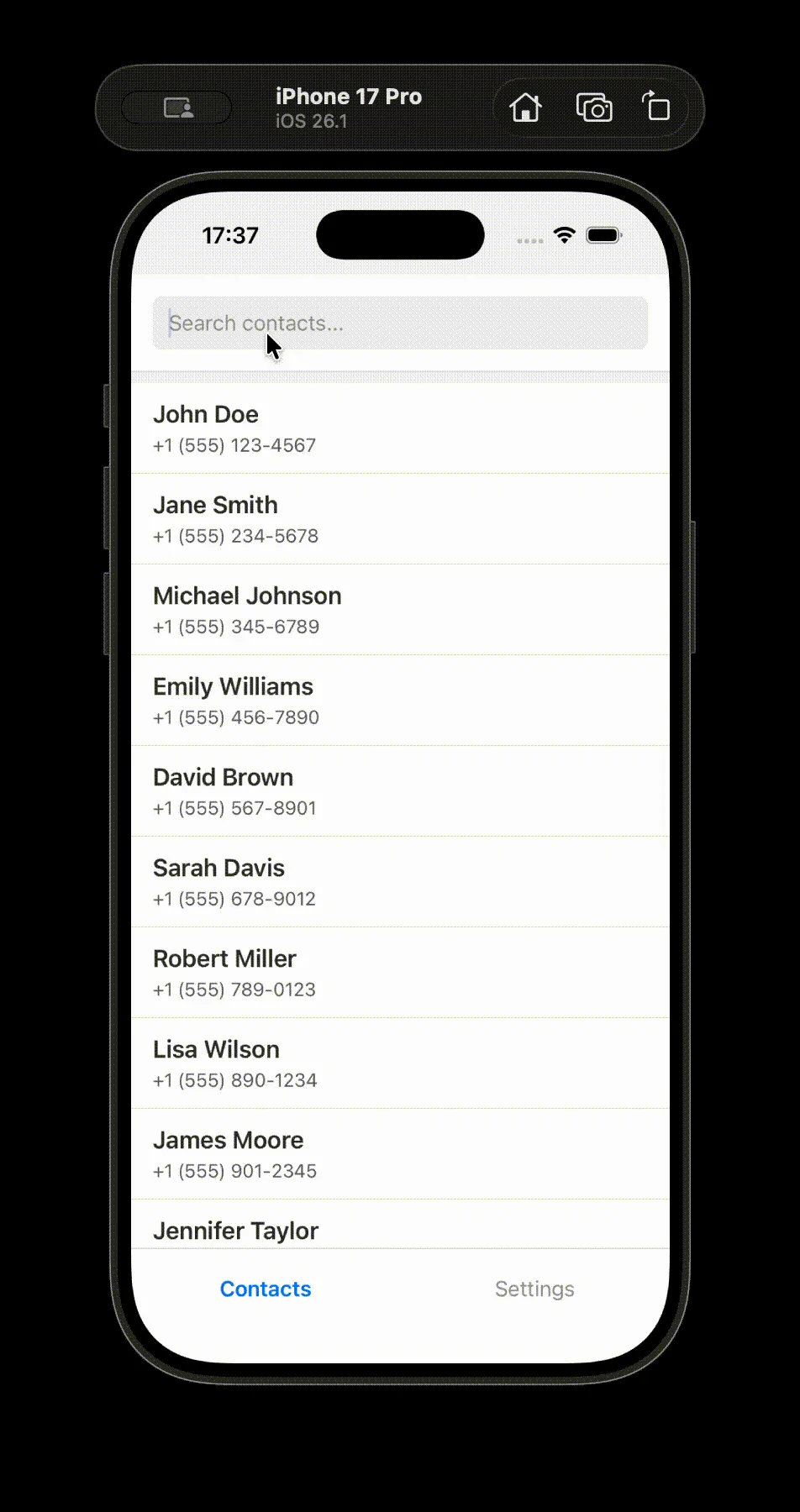
The landscape of mobile application development is set to undergo significant evolution with the release of React Native 0.83. This latest iteration, unveiled today, brings a potent combination of cutting-edge React features, a dramatically improved developer experience through enhanced DevTools, and the experimental integration of powerful web APIs. Notably, this release marks a significant milestone as the first in React Native’s history to ship without any user-facing breaking changes, signaling a commitment to stability and smoother upgrade paths for developers.
The introduction of React 19.2 is a cornerstone of this release, bringing two highly anticipated APIs to the React Native ecosystem: <Activity> and useEffectEvent. These additions aim to streamline component management and address common patterns that have historically led to subtle bugs. Furthermore, React Native 0.83 expands its capabilities with experimental support for Web Performance and Intersection Observer APIs, offering developers new avenues for optimizing application performance and interactivity.
React 19.2: Powering the Future of React Native
At the heart of React Native 0.83 lies its dependency on React 19.2. This integration unlocks powerful new features for developers. The <Activity> component, a novel addition, allows for a more declarative approach to managing the visibility and lifecycle of UI sections. Developers can now break down their applications into distinct "activities," controlling their rendering and prioritization. With modes like 'visible' and 'hidden', <Activity> offers an alternative to complex conditional rendering logic. A particularly compelling aspect is the state preservation of hidden activities; components within a hidden <Activity> retain their state, allowing for seamless transitions back to visibility without losing user progress or contextual information. This could revolutionize how developers manage complex navigation flows, modal presentations, or even off-screen components that need to maintain their internal state.
Complementing <Activity> is the useEffectEvent hook. This new API directly addresses a common pain point associated with useEffect. Previously, managing event handlers within useEffect often led to the effect re-running unnecessarily due to dependency changes. Developers frequently resorted to disabling linter rules or manually excluding dependencies, which risked introducing bugs and making code harder to maintain. useEffectEvent provides a clean separation, allowing event handling logic to be extracted from the effect itself, ensuring that the effect only re-runs when truly necessary, thus promoting more robust and predictable code.

It is important to note that at the time of this release, [email protected] depends on [email protected]. Developers may also be aware of a recent critical security vulnerability in React Server Components. The React Native team has emphasized that React Native itself is not directly affected by this specific vulnerability, as it does not rely on the impacted packages. However, they strongly advise developers operating within monorepos where these vulnerable packages might be present to conduct immediate checks and upgrades. A patch release updating all React dependencies to 19.2.1 is anticipated to follow shortly.
Revamped React Native DevTools: A Developer’s Dream
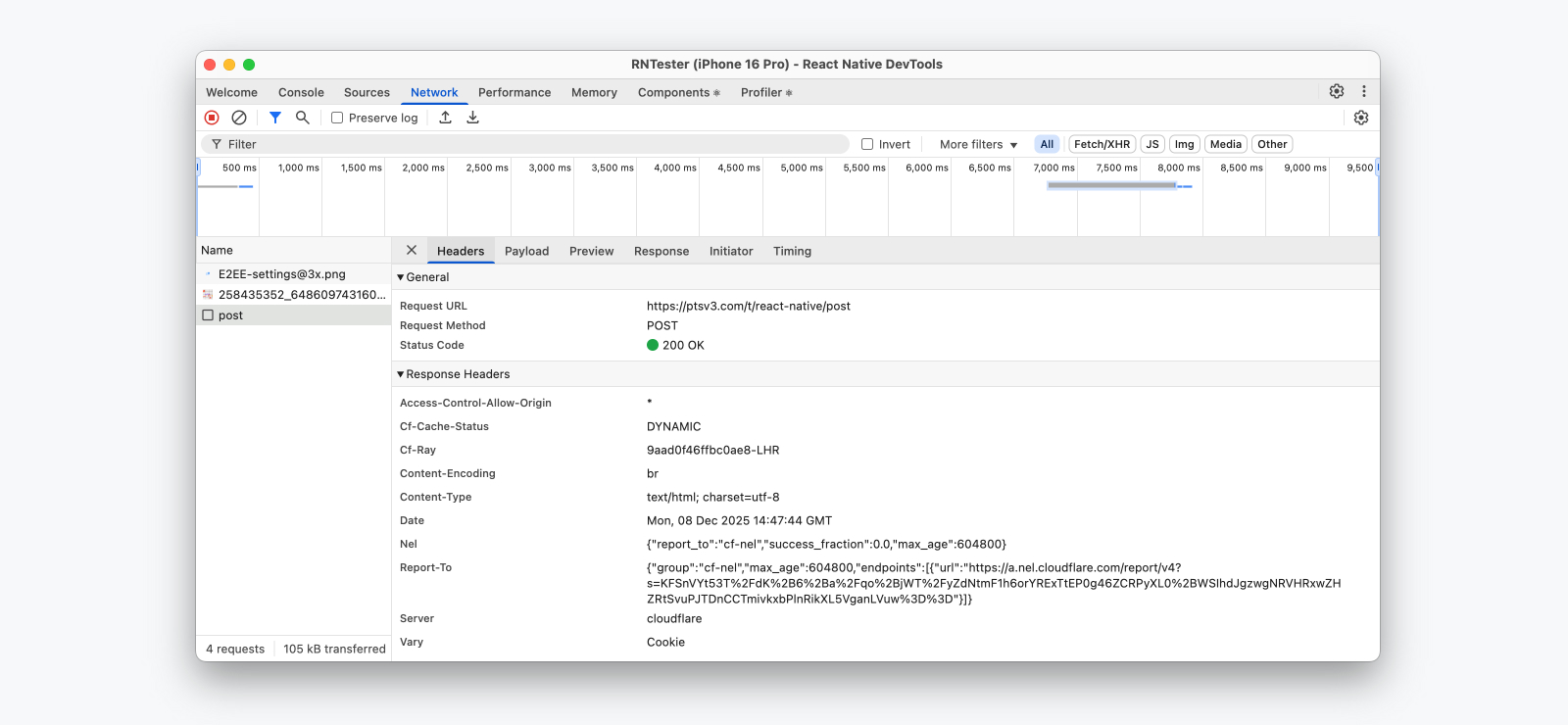
React Native 0.83 introduces a suite of significant enhancements to the React Native DevTools, promising to transform the debugging and performance analysis experience for developers. Two standout features are the new Network and Performance panels, now available for all React Native applications.
The Network inspection capability allows developers to meticulously track and understand all network requests originating from their applications. This includes detailed metadata such as request timings, headers, and response previews. A groundbreaking addition is the "Initiator" tab, which clearly indicates the exact line of code responsible for initiating a network request. This level of granular insight is invaluable for pinpointing network-related performance bottlenecks or unexpected API calls. While the new panel currently captures requests made via fetch(), XMLHttpRequest, and <Image> components, support for custom networking libraries, including Expo Fetch, is slated for future releases. For applications utilizing Expo, a separate "Expo Network" panel will continue to be available, offering broader request source logging but with slightly reduced feature parity until deeper integration is achieved.
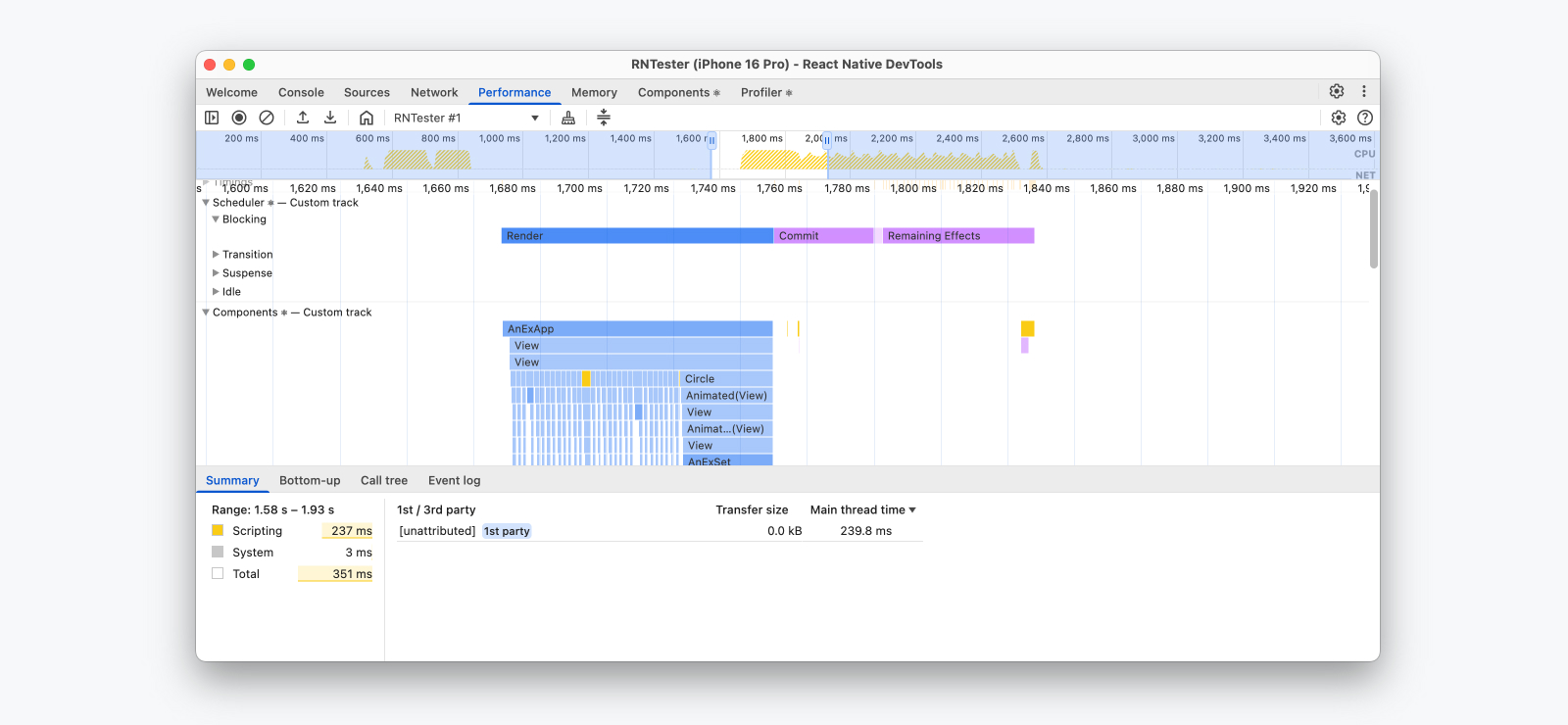
The Performance tracing feature empowers developers to record and analyze JavaScript execution within their applications. It presents a unified timeline that integrates JavaScript execution, React Performance tracks, network events, and custom User Timings. This holistic view provides developers with a powerful tool to identify performance bottlenecks, understand where CPU cycles are being consumed, and optimize their code for maximum efficiency. The integration with the now-stable Web Performance APIs further amplifies this capability, offering fine-grained visibility into application performance.
Beyond these powerful new panels, React Native 0.83 also introduces a new desktop app for React Native DevTools. This standalone application offers a significantly improved user experience compared to the previous browser-based launch, eliminating the dependency on external browsers like Chrome or Edge. The new desktop app is designed for greater stability and a more integrated workflow.
Web API Integration: Bridging the Gap with the Web Platform
React Native 0.83 continues its trajectory of bringing powerful web platform APIs to the mobile development environment. The Web Performance APIs, initially introduced in version 0.82, are now stable and fully integrated. These APIs, including performance.now(), performance.timeOrigin, and PerformanceObserver, enable developers to track various aspects of application performance, both during development via the DevTools Performance panel and at runtime. Crucially, PerformanceObserver functions effectively in production builds, opening up new avenues for collecting real-world performance metrics and understanding how applications behave under diverse user conditions.
In a more experimental capacity, React Native 0.83 also introduces Intersection Observer API support within the canary release. This powerful API allows for asynchronous observation of layout intersections between target elements and their ancestors. This capability is particularly useful for implementing features such as lazy loading of images and components, infinite scrolling, and precise scroll-triggered animations, all of which can significantly enhance user experience and application performance by only rendering and processing what is immediately visible. Developers can explore this feature through the provided API documentation and examples within RNTester.
Experimental Advancements: Hermes V1 and Architecture Evolution
This release also highlights continued progress in experimental areas, particularly concerning the Hermes JavaScript engine and native architecture. Hermes V1 is presented with further performance enhancements. Introduced as an experimental opt-in in React Native 0.82, Hermes V1 represents a significant leap forward in JavaScript performance due to improvements in both its compiler and virtual machine. While still in its experimental phase, developers can opt into using Hermes V1 by building React Native from source, with detailed instructions provided for enabling this advanced engine.
On the native side, React Native 0.83 introduces an experimental flag for iOS, RCT_REMOVE_LEGACY_ARCH. This flag allows developers to compile out the legacy architecture from the codebase. For applications that have already migrated to the New Architecture, this option promises to further reduce build times and application size. Initial tests indicate substantial improvements, with build times decreasing from 73.0 seconds to 58.2 seconds and app sizes shrinking from 51.2 MB to 48.2 MB in a test scenario without third-party dependencies. It is important for developers to note that this flag is not compatible with precompiled React Native binaries and requires building from source.
Furthermore, an experimental feature for iOS enables developers to debug precompiled binaries. This is a significant boon for library maintainers and those developing native modules or components. By leveraging specific CocoaPods configurations and LLDB commands, developers can now set breakpoints within precompiled React Native code, offering unprecedented visibility into the behavior of native modules and the core React Native framework itself.
A Stable Foundation: No User-Facing Breaking Changes
A significant announcement accompanying React Native 0.83 is the absence of user-facing breaking changes. This commitment to stability is a testament to the ongoing efforts to improve the predictability and ease of upgrades for the React Native community. Developers currently on React Native 0.82 can expect a seamless upgrade to 0.83, requiring no modifications to their application code. This focus on backward compatibility aims to foster confidence and reduce the friction associated with adopting new versions of the framework.
Deprecations and Acknowledgements
While the release focuses on stability, two Android-specific deprecations have been introduced. Developers are advised to consult the official documentation for details on these changes to ensure future compatibility.
React Native 0.83 is the culmination of extensive collaboration, featuring over 594 commits from 56 contributors. The release notes extend gratitude to numerous community members for their significant contributions, underscoring the vibrant and collaborative nature of the React Native ecosystem.

Upgrading and Future Support
For developers looking to upgrade their existing projects to React Native 0.83, the React Native Upgrade Helper remains an invaluable resource, providing detailed code change comparisons. For those starting new projects, the latest CLI version can be used to initialize with the newest release.
For users of the Expo framework, React Native 0.83 will be integrated into SDK 55, scheduled for release in January 2026. This phased rollout ensures that Expo developers will also benefit from the advancements in this latest React Native version.
As of this release, 0.83 is the latest stable version of React Native. Consequently, versions in the 0.80.x series are now considered unsupported. Developers are encouraged to stay updated with the latest supported versions to benefit from ongoing improvements, security patches, and new features, as outlined in React Native’s support policy. The evolution of React Native 0.83 signifies a robust step forward, empowering developers with enhanced tools, more stable features, and a clearer path for building sophisticated and performant mobile applications.