Neo4j Enhances Google Cloud Marketplace Offerings with Improved User Experience and Expanded Deployment Options

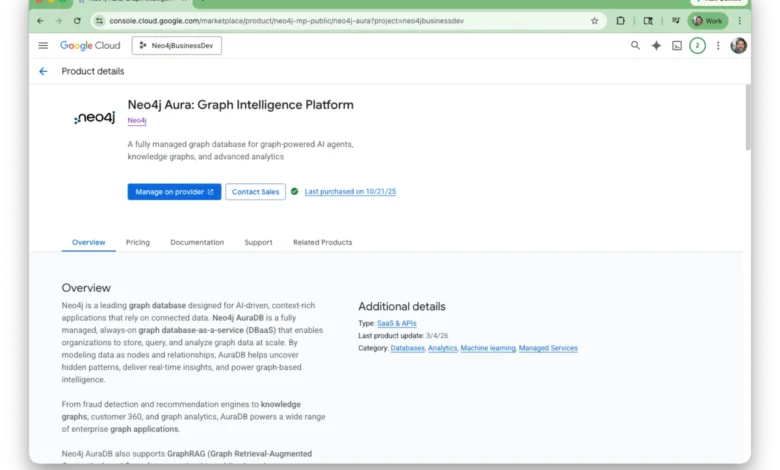
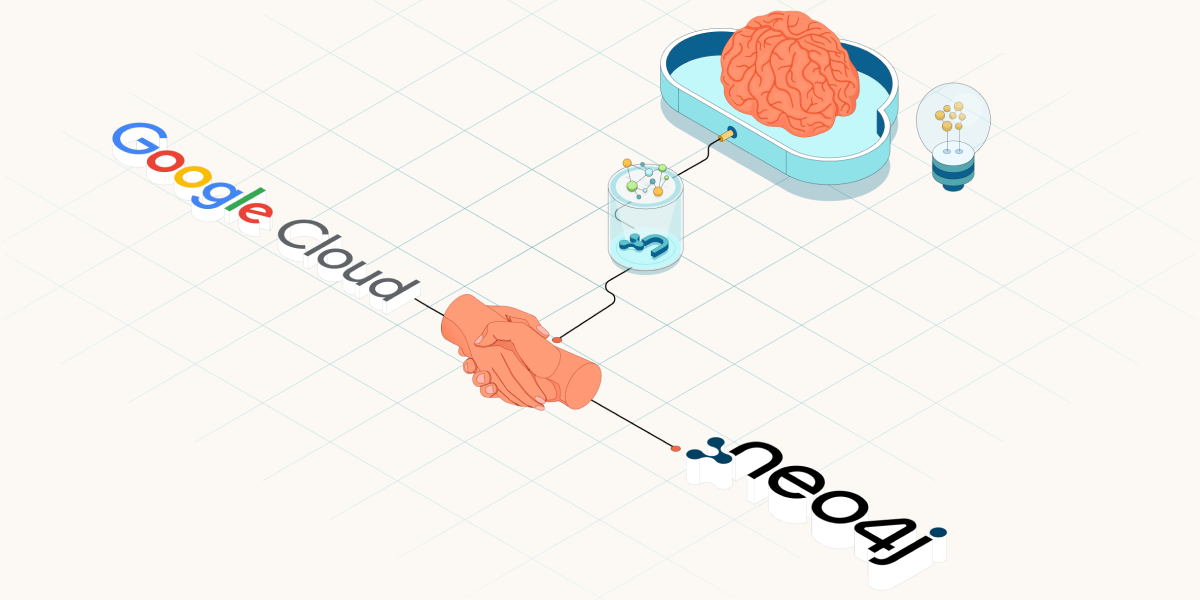
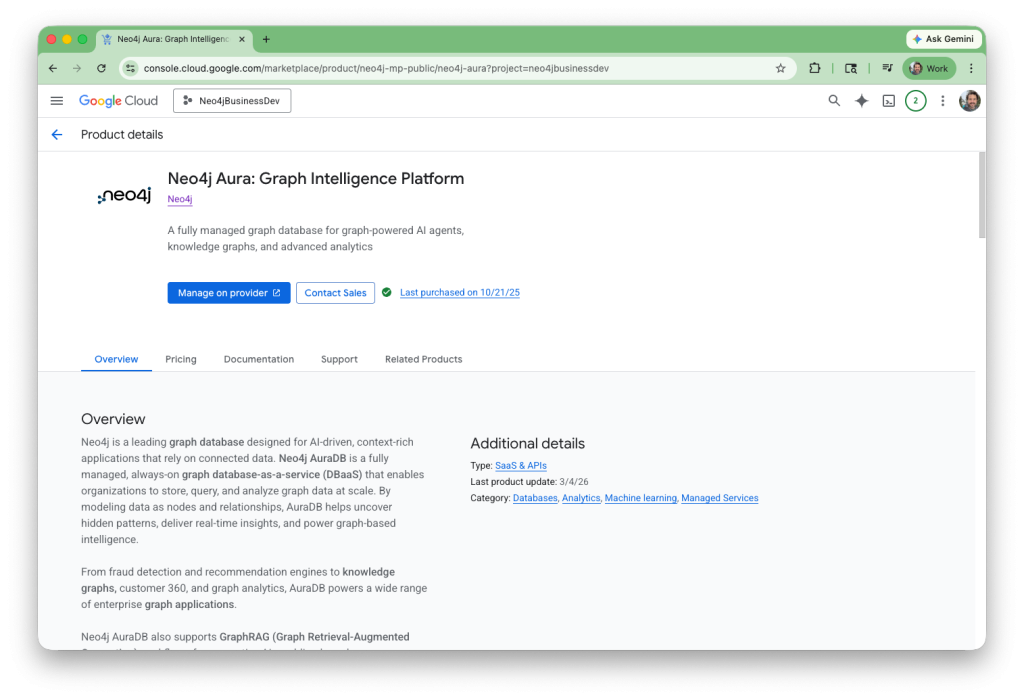
Neo4j, the global leader in graph database technology, has announced a series of significant updates to its product listings on the Google Cloud Marketplace (GCMP), marking a pivotal step in the company’s mission to streamline cloud-native graph data integration. These updates, which span both Software-as-a-Service (SaaS) and self-managed deployment models, are designed to prioritize user experience, simplify the procurement process, and provide developers with more granular control over their infrastructure. By refining how its flagship products—Neo4j Aura and Neo4j Enterprise Edition—are consumed via Google Cloud, the company is positioning itself to meet the burgeoning demand for high-performance data relationship mapping in the era of artificial intelligence and complex cloud ecosystems.
The recent overhaul of the GCMP listings reflects a broader industry trend toward "frictionless" cloud consumption. As enterprises increasingly migrate mission-critical workloads to the cloud, the ability to deploy complex database technologies with minimal manual configuration has become a competitive necessity. Neo4j’s updated listings address this by offering click-to-deploy capabilities, real-time integrated billing, and expanded support for infrastructure-as-code (IaC) via Terraform. These enhancements aim to reduce the time-to-value for organizations ranging from agile startups to global enterprises, ensuring that the power of graph technology is accessible across the entire spectrum of Google Cloud’s customer base.
The Evolution of the Neo4j and Google Cloud Partnership
The relationship between Neo4j and Google Cloud has matured significantly over the past several years, evolving from basic availability to deep technical integration. This chronology of collaboration highlights the strategic importance of graph databases within the modern data stack. Initially, Neo4j was available primarily as a self-managed instance that required significant manual setup by database administrators. However, as the market shifted toward managed services, the introduction of Neo4j Aura on Google Cloud marked a turning point, offering a fully managed experience that offloaded the burdens of patching, scaling, and backups to the provider.
The latest updates represent the next phase of this evolution. By optimizing the Marketplace experience, Neo4j is responding to specific feedback from the developer community regarding the need for more flexible licensing and easier deployment paths. This timeline of continuous improvement underscores Neo4j’s commitment to the Google Cloud ecosystem, which has become a preferred destination for data-intensive applications involving machine learning, fraud detection, and real-time recommendation engines.
Neo4j Aura: Streamlining SaaS Procurement
Neo4j Aura, the company’s fully managed SaaS offering, remains a central pillar of its Google Cloud strategy. Aura is designed for teams that want to focus on building applications rather than managing database infrastructure. Through the Google Cloud Marketplace, Aura is now categorized into distinct tiers to better serve different organizational needs.
Two primary tiers are available through public listings: Aura Professional and Aura Enterprise. These offerings utilize a "pay-as-you-go" billing model, which is integrated directly into the customer’s Google Cloud account. This means that usage costs for Neo4j are reflected on the same invoice as other Google Cloud services, such as Compute Engine or BigQuery. This consolidation is a significant administrative benefit for procurement departments, as it allows them to leverage existing Google Cloud credits and committed use discounts (CUDs) to fund their graph database requirements.
For larger organizations with more stringent security and compliance requirements, Neo4j also offers the Virtual Dedicated Cloud (VDC) tier. Unlike the public listings, VDC is typically handled via "Private Offers." This mechanism allows Neo4j and the customer to negotiate custom pricing and terms based on annual commitments, which are then fulfilled through the Google Cloud Marketplace interface. This hybrid approach ensures that both small-scale developers and large-scale enterprises have a clear path to adoption.
Self-Managed Solutions: Community and Enterprise Editions
While SaaS is growing rapidly, many organizations require the level of control afforded by self-managed deployments, particularly those with specific regulatory requirements or highly customized network architectures. To address this, Neo4j has updated its self-managed listings for both the Community Edition (CE) and the Enterprise Edition (EE).
The Community Edition is positioned as an entry point for developers and smaller projects, available as a pay-as-you-go offering on the marketplace. In contrast, the Enterprise Edition is offered as a Bring-Your-Own-License (BYOL) model. This allows existing Neo4j customers to port their existing licenses into the Google Cloud environment, facilitating a seamless transition for those moving from on-premises data centers to the cloud.
The deployment experience for these self-managed instances has been significantly enhanced. The Marketplace UI now wraps a sophisticated Terraform module, providing a guided experience that automates the provisioning of the necessary Google Cloud resources, including virtual machines, storage disks, and networking components. This "click-to-deploy" functionality reduces the risk of configuration errors and ensures that the deployment adheres to best practices for performance and security.
Technical Empowerment via Terraform and CLI
A notable highlight of the recent updates is the public availability of the Neo4j Terraform modules on GitHub. By exposing the underlying infrastructure-as-code used by the Marketplace UI, Neo4j is empowering DevOps teams to customize their deployments. This is particularly relevant for organizations that use automated CI/CD pipelines to manage their cloud footprint.
Using the Command Line Interface (CLI) and Terraform, developers can modify the deployment modules to suit unique requirements, such as specific compute instance types, specialized storage configurations, or complex VPC (Virtual Private Cloud) peering arrangements. This level of transparency and flexibility is a direct response to the needs of the "power user" community, who often find standard marketplace templates too restrictive for enterprise-grade production environments.
Supporting Data and Market Context
The move to enhance marketplace accessibility comes at a time of explosive growth for the graph database market. According to industry analysis from Gartner, graph technologies are expected to be used in 80% of data and analytics innovations by 2025, up from just 10% in 2021. This surge is driven by the realization that traditional relational databases (RDBMS) are often ill-equipped to handle the complex, interconnected data structures required for modern applications.
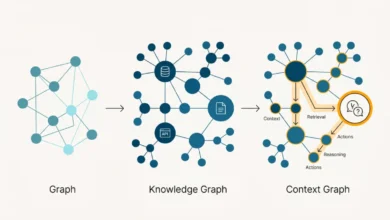
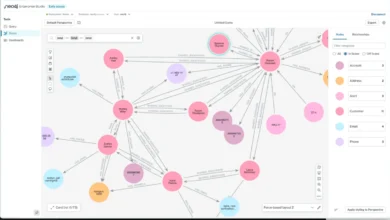
In the context of Google Cloud, Neo4j serves as a critical component for customers utilizing Vertex AI and other machine learning tools. Graph databases provide the necessary context for generative AI models, enabling techniques like Retrieval-Augmented Generation (RAG). By making it easier to deploy Neo4j, Google and Neo4j are collectively lowering the barrier for companies to build "knowledge graphs" that improve the accuracy and relevance of AI-driven insights.
Furthermore, internal data suggests that customers who procure software through cloud marketplaces see a 40% faster procurement cycle compared to traditional enterprise sales motions. By optimizing its GCMP presence, Neo4j is directly tapping into this efficiency, allowing its sales teams and partners to close deals more rapidly while providing customers with a superior onboarding experience.
Official Responses and Strategic Implications
While the company’s blog post focused on the technical aspects of the listings, the strategic implications are clear. An official statement from Neo4j’s ecosystem team emphasized that these updates are part of a continuous feedback loop with their users. "Our goal is to be where our customers are," the statement noted. "By deepening our integration with Google Cloud Marketplace, we are removing the friction that often accompanies the adoption of advanced data technologies."
Industry analysts have reacted positively to the move, noting that the combination of pay-as-you-go SaaS and customizable self-managed options provides a "full-spectrum" solution that few competitors can match. The inclusion of Terraform support is seen as a particularly savvy move to win over the developer and DevOps personas who hold increasing sway over software selection in the enterprise.
Broader Impact on the Cloud Ecosystem
The updates to Neo4j’s listings on Google Cloud Marketplace are more than just a routine maintenance task; they represent a strategic alignment between a leading software vendor and a top-tier cloud provider. As the cloud market matures, the "Marketplace" is becoming the primary engine of software distribution. For Neo4j, these updates ensure that its products are not just available, but are also optimized for the specific billing and deployment workflows that Google Cloud customers expect.
For the broader tech industry, this move signals a shift toward more modular and "composable" enterprise software. By offering multiple tiers and deployment methods, Neo4j is acknowledging that there is no one-size-fits-all approach to data management. Organizations can start small with a pay-as-you-go Community Edition, scale to a managed Aura instance as they grow, and eventually move to a Virtual Dedicated Cloud for maximum security—all within the same cloud ecosystem.
In conclusion, the refreshed Neo4j listings on Google Cloud Marketplace provide a robust framework for organizations to harness the power of graph data. With a focus on ease of use, flexible billing, and developer-centric tools like Terraform, Neo4j has reinforced its position as a cornerstone of the modern cloud data stack. As enterprises continue to grapple with increasingly complex data relationships, the ability to quickly and efficiently deploy Neo4j on Google Cloud will undoubtedly play a crucial role in their digital transformation journeys. Organizations interested in exploring these new listings can find them directly in the Google Cloud Console or visit the dedicated Neo4j-Google partnership page for more detailed technical resources.
Related posts: