Svelte and SvelteKit Ecosystem Advances with New Best Practices Framework and Core Performance Enhancements

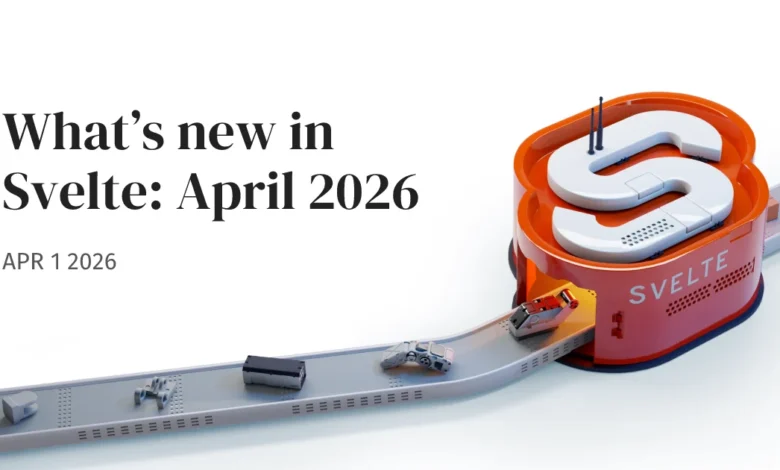
The Svelte maintainer team and the broader open-source community have introduced a comprehensive series of updates this month, headlined by the publication of an official best practices guide and significant architectural refinements to SvelteKit. These developments arrive at a critical juncture for the framework as it continues to transition into the Svelte 5 era, characterized by the introduction of "Runes" and a shift toward a more explicit, signal-based reactivity model. The latest updates focus on standardizing development patterns, enhancing AI-assisted coding capabilities, and improving the resilience of server-side operations within the SvelteKit meta-framework.
A New Standard for Svelte Development
The release of the official best practices guide marks a pivotal moment in the framework’s documentation strategy. As Svelte has evolved from a niche tool for interactive graphics into a robust solution for enterprise-grade web applications, the need for standardized architectural patterns has become paramount. The new guide serves as a foundational resource for developers navigating the complexities of modern reactive programming.
The guide specifically addresses the paradigm shift introduced by Svelte 5. By formalizing the use of Runes—such as $state, $derived, and $effect—the documentation provides a roadmap for migrating legacy Svelte 4 codebases and building new applications that leverage the compiler’s latest optimizations. Industry analysts note that such documentation is essential for reducing the "onboarding friction" often associated with framework version jumps. By establishing a clear set of "golden paths," the Svelte team is aiming to minimize technical debt across the ecosystem and ensure that community-contributed packages remain interoperable.
Chronology of Monthly Technical Milestones
The updates observed over the past thirty days reflect a disciplined release cycle aimed at both developer experience (DX) and runtime performance. The timeline of these improvements demonstrates a multi-pronged approach to ecosystem growth:
- Early Month: The initial draft of the Best Practices guide was integrated into the official documentation, following extensive feedback from core contributors and Svelte Ambassadors.
- Mid-Month: Updates to the Svelte Model Context Protocol (MCP) were finalized. This included the integration of the official OpenCode package, designed to streamline how Large Language Models (LLMs) interact with and generate Svelte code.
- Mid-to-Late Month: A series of patches were applied to the Svelte compiler and SvelteKit, introducing server-side error boundaries and refining the
svelte.config.jsschema. - Month-End: The release of updated TypeScript definitions across the core packages, ensuring that the framework’s type-safety features keep pace with the evolving syntax of Svelte 5.
AI Integration and the Svelte MCP
One of the more forward-looking updates this month involves the Svelte Model Context Protocol (MCP). In an era where AI-assisted coding is becoming the industry standard, the Svelte team has prioritized making the framework "AI-friendly." The improvements to the official OpenCode package allow AI agents and coding assistants to better understand the context of a Svelte project, from component structures to routing logic in SvelteKit.
This integration is particularly significant because Svelte’s compiler-based approach differs fundamentally from the virtual DOM approaches used by competitors like React. By providing a structured protocol (MCP) for AI tools, the Svelte team ensures that generated code adheres to the latest best practices and avoids common pitfalls associated with outdated syntax. This proactive stance on AI integration positions Svelte as a leader in the next generation of developer tooling, where the synergy between the human programmer and the machine assistant is optimized at the protocol level.
Enhancing Server-Side Resilience in SvelteKit
SvelteKit, the official framework for building applications with Svelte, received several critical updates aimed at improving production stability. The most notable of these is the introduction of improved server-side error boundaries. In web development, an unhandled error during server-side rendering (SSR) can lead to a complete application failure or a poor user experience, such as a blank screen or a generic 500 error page.
The new server-side error boundaries allow developers to gracefully catch and handle exceptions that occur during the data loading or rendering phase on the server. This ensures that even if one part of a page fails to load, the rest of the application remains functional, providing a "fallback" UI to the user. This level of granularity in error handling is a requirement for high-traffic, mission-critical applications where uptime and user retention are primary metrics.
Furthermore, refinements to svelte.config.js have simplified the configuration process for complex deployments. As SvelteKit supports a wide array of environments—ranging from serverless functions on Vercel and Netlify to traditional Node.js servers and static site hosting—the configuration file acts as the central nervous system of the project. The recent updates reduce boilerplate and provide clearer error messaging when configuration parameters are mismatched, further smoothing the deployment pipeline.
Supporting Data and Ecosystem Growth
The impact of these updates is reflected in the growing adoption metrics for Svelte. According to the most recent industry surveys, Svelte remains one of the most "admired" frameworks among professional developers, consistently ranking high in satisfaction scores. The framework’s GitHub repository has seen a steady increase in contributions, with the monthly changelog showing dozens of bug fixes and performance optimizations contributed by both the core team and independent developers.
Data from package registries indicates a significant uptick in downloads for Svelte 5 preview and release candidate versions, suggesting that the community is eager to adopt the new reactivity model. The introduction of the best practices guide is expected to accelerate this trend, as it provides the necessary assurance for engineering managers and architects to greenlight Svelte for large-scale projects.
Official Responses and Community Sentiment
While the Svelte core team maintains a focused, technical public presence, the feedback from Svelte Ambassadors and contributors has been overwhelmingly positive. Within community hubs such as Reddit and Discord, developers have highlighted the improved type safety and the clarity of the new documentation as major wins.
"The move toward more explicit state management with Runes was a bold step for Svelte," noted one contributor in a public discussion. "The updates this month, particularly the best practices guide, show that the team is committed to supporting the community through this transition. It’s not just about adding features; it’s about ensuring those features are usable in a professional context."
The Svelte showcase, which highlights real-world applications built with the framework, also saw several high-profile additions this month. These range from data visualization dashboards to e-commerce platforms, demonstrating the framework’s versatility across different sectors of the digital economy.
Broader Implications for the Web Development Landscape
The ongoing evolution of Svelte and SvelteKit has broader implications for the front-end development landscape. For years, the industry has been dominated by a few major players. However, Svelte’s unique "disappearing framework" philosophy—where the framework does the heavy lifting during the build step rather than in the browser—continues to challenge the status quo.
By refining its documentation and improving its AI readiness, Svelte is positioning itself as a more efficient alternative to traditional frameworks. The focus on performance is not merely academic; in the modern web, faster load times and smoother interactions translate directly into better SEO rankings and higher conversion rates for businesses.
The introduction of server-side error boundaries and better TypeScript support also signals Svelte’s intent to capture more of the enterprise market. Large organizations require tools that are not only fast but also predictable and easy to maintain. By addressing these "boring" but essential aspects of software engineering, the Svelte team is building a platform that can compete with the established giants on every front.
Future Outlook and Conclusion
As the month closes, the Svelte ecosystem appears more robust than ever. The focus for the coming quarter is expected to remain on the stabilization of Svelte 5 and the continued expansion of the SvelteKit adapter ecosystem. With the foundational work on the best practices guide and AI integration now in place, the framework is well-equipped to handle the next wave of web development challenges.
The meticulous attention to detail found in the Svelte and SvelteKit changelogs—covering everything from obscure bug fixes to major architectural shifts—reflects an open-source project that is maturing rapidly. For developers and stakeholders, the message is clear: Svelte is no longer just an experimental tool for enthusiasts; it is a sophisticated, production-ready framework backed by a disciplined community and a clear vision for the future of the web.
Developers are encouraged to review the updated documentation and changelogs to fully understand how these changes impact their current and future projects. As the web continues to evolve toward more interactive and data-intensive experiences, the refinements made this month ensure that Svelte remains at the forefront of the industry’s technological progression.