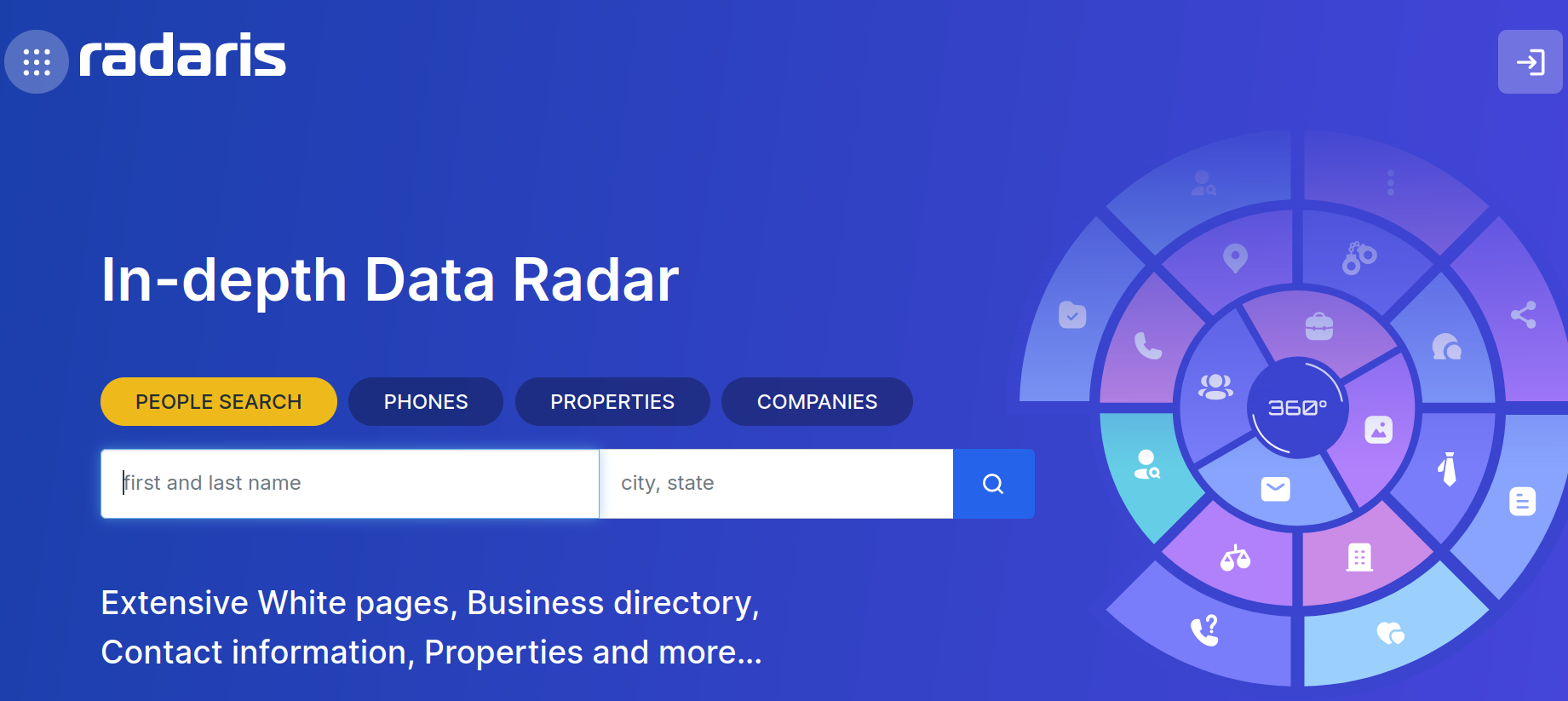
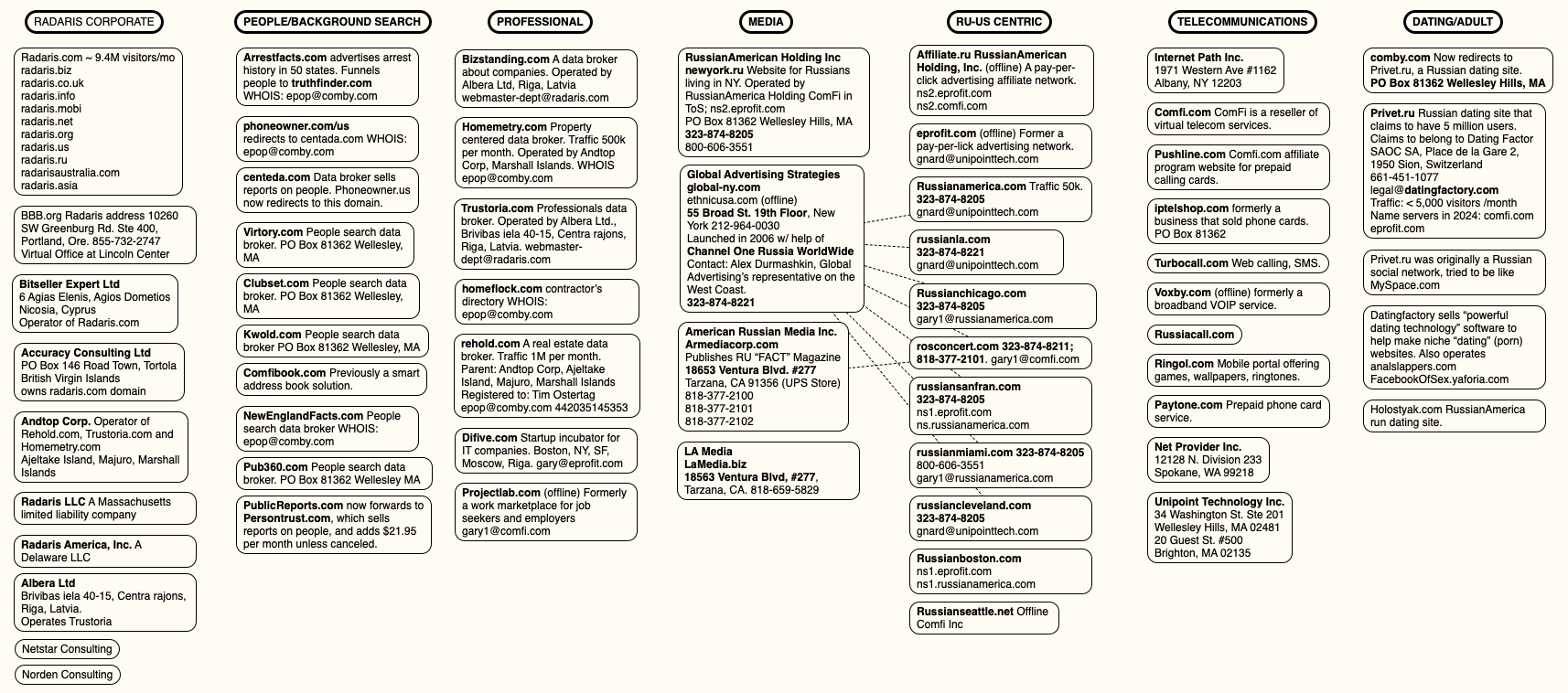
The consumer data broker Radaris.com has long maintained a reputation for systemic non-compliance, frequently ignoring formal requests to scrub the personal information of individuals from its extensive network of people-search portals. This pattern of obfuscation recently culminated in a landmark legal defeat, as a New Jersey judge ordered the transfer of Radaris.com and over a dozen associated domain names to the plaintiffs in a high-stakes privacy lawsuit. The ruling serves as a stark rebuke to a company that for years utilized complex corporate shell games and jurisdictional maneuvering to evade the mandates of Daniel’s Law, a critical New Jersey statute designed to protect law enforcement officials, judges, and their families from digital exposure.
The Genesis of the Litigation
The legal offensive against Radaris was spearheaded by Atlas Data Privacy Corp, an organization actively litigating against data brokers perceived to be in violation of Daniel’s Law. Enacted following the tragic death of Daniel Anderl, the son of a U.S. District Court judge, the statute prohibits the public disclosure of personal identifiers for government personnel. It mandates the removal of such information upon request and imposes statutory penalties of $1,000 per violation for each instance of non-compliance.
In February 2024, Atlas initiated legal proceedings against Radaris, alleging a blatant disregard for these protections. The ensuing discovery process revealed a calculated strategy by Radaris’s leadership to frustrate the judicial system. As the case unfolded, attorneys for the company—primarily associated with the Boston Law Group—engaged in extensive procedural delays. By the time the court was prepared to issue a default judgment, the defense frequently shifted the corporate structure, citing various entities in the Marshall Islands, the Seychelles, and the British Virgin Islands as the "true" owners of the domains to escape liability.
A Pattern of Corporate Obfuscation
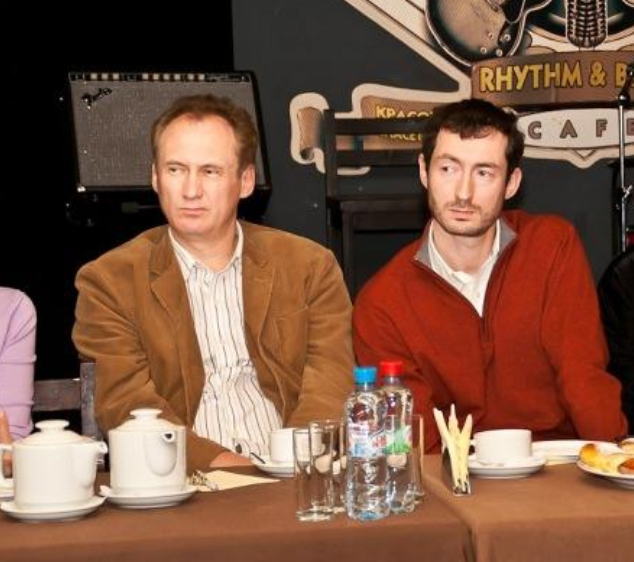
The ownership structure behind Radaris has been a subject of significant scrutiny. Investigations have linked the company to Igor and Dmitry Lubarsky, brothers based in Massachusetts who oversee a sprawling ecosystem of data-harvesting sites, dating platforms, and affiliate programs. Throughout the litigation, the defense team relied on a "shell game" strategy. Whenever a specific legal entity was identified as the target of a lawsuit, that entity would be declared defunct or replaced by a new, offshore successor.
A particularly damning revelation in the case was the use of a fictitious CEO, "Gary Norden." Radaris had utilized this fabricated persona in press releases and investor pitches for years. When confronted by journalists and the court, defense attorney Val Gurvits acknowledged that the identity was an invention, a disclosure that damaged the company’s credibility in the eyes of the court. Further analysis of over 10,000 internal documents, obtained by Atlas during discovery, confirmed that dozens of seemingly independent websites—including Radaris, Veripages, and others—shared identical administrative, technical, and financial infrastructure. These operations, often managed through common email domains, generated significant revenue streams, with some individual sites pulling in upward of $45,000 in monthly advertising and lead-generation fees.
Chronology of the Legal Conflict
The tension between the plaintiffs and the Radaris operators has deep roots in the legal system. A pivotal moment occurred in 2017 during a class-action lawsuit where the company initially failed to contest the claims, resulting in a $7.5 million default judgment. When the court attempted to seize the Radaris.com domain to satisfy the judgment, the defense successfully appealed, arguing that the court had targeted the wrong corporate entity. This victory emboldened the operators, who promptly shifted management of the site to an entity called Andtop Company, based in the Marshall Islands.
The legal landscape shifted again in June 2025, when Atlas re-filed its complaint with an expanded scope. This time, the litigation was more comprehensive, targeting the broader web of companies tied to the Lubarsky brothers. By August 2026, the New Jersey court had reached a breaking point with the defense’s tactics. Finding that the defendants had been afforded ample opportunity to mount a substantive defense and had consistently failed to do so, the court ordered the transfer of 14 domains to Atlas. As of now, Radaris.com redirects to a notice detailing the court-ordered transfer, effectively halting its ability to monetize the personal data of American citizens.
Industry-Wide Implications and Constitutional Challenges
While the Radaris case represents a significant victory for privacy advocates, the broader legal war is far from over. The data broker industry has mounted a vigorous constitutional defense against Daniel’s Law, with at least 70 similar lawsuits currently being funneled into federal courts. The core of the industry’s argument rests on the First Amendment, claiming that these state-level privacy statutes are overly broad and infringe upon the right to publish publicly available information.
The legal uncertainty is compounded by the lack of a cohesive federal standard. While 14 states have enacted legislation modeled after Daniel’s Law, the effectiveness of these measures varies. In August 2025, a federal district court ruled that West Virginia’s version of the law was facially unconstitutional, creating a split in legal precedent that observers believe will ultimately necessitate a Supreme Court intervention.
The Role of "The Middlemen"
Privacy experts, such as Justin Sherman, author of the forthcoming book The Middlemen, emphasize that the Radaris saga is symptomatic of a larger systemic failure. The "data broker economy" thrives because existing privacy laws contain significant loopholes for "public" or "government" records. Data scrapers routinely harvest motor vehicle records, property filings, and court documents, aggregating them into dossiers that are then sold to the highest bidder.
"The lack of comprehensive federal privacy law is not for a lack of knowledge," Sherman notes. "We have seen the consequences of this ecosystem time and again, from the massive IDScan.net breach that exposed the driver’s license data of 153 million Americans to the persistent, unchecked commercialization of sensitive personal identifiers."
Furthermore, the industry’s lobbying efforts remain formidable. Tech companies, social media giants, and even proponents of artificial intelligence have lobbied against restrictive data-scraping laws, arguing that such measures could stifle innovation and economic growth. This pressure has resulted in a legislative stalemate where state-level protections act as a patchwork, often falling short of providing universal safety for citizens.
The Future of Data Privacy
The transfer of Radaris.com to Atlas serves as a warning to other data brokers, but the underlying business model remains lucrative. Even when companies are successfully sued, the financial damages are often viewed as a cost of doing business, or they are mitigated by the difficulty of collecting funds from foreign-domiciled entities.
Moving forward, the focus will likely shift toward the U.S. Court of Appeals for the Third Circuit, which holds the keys to the constitutional validity of Daniel’s Law. If the law is upheld, it could set a powerful precedent for consumer protection nationwide. Conversely, if it is struck down, the burden will return to federal lawmakers to craft a solution that balances First Amendment rights with the fundamental expectation of digital privacy in the 21st century. Until then, the Radaris case remains a singular, high-profile example of what happens when a company’s strategy of delay and obfuscation finally collides with an uncompromising judicial mandate. For now, the "Radaris empire" has lost its most prominent digital storefront, but the broader debate over who owns the data that defines our public and private lives remains unresolved.