The Hidden Figures of Python: Spotlight on Juanita’s Contributions to Open Source and Scientific Computing


In the dynamic world of technology, often the most impactful contributions come from individuals working diligently behind the scenes, fostering communities and driving innovation. The podcast series "PyPodcats," with its segment "The Hidden Figures of Python," aims to shed light on these essential figures, celebrating their often-unsung efforts. In a recent episode, the spotlight turned to Juanita, a PhD student whose multifaceted involvement in open source, scientific Python, and cybersecurity is making significant waves within the tech landscape. Her journey highlights the diverse paths individuals can take to contribute meaningfully to the open-source ecosystem, emphasizing the importance of community building, education, and a proactive approach to emerging challenges like cybersecurity.
From Academia to Open Source Advocacy: Juanita’s Journey
Juanita’s academic pursuits at UC Santa Cruz have provided a strong foundation for her research, which is deeply intertwined with open-source software, particularly in the realm of security. This academic focus, however, is only one facet of her extensive engagement with the Python community. Beyond her research, Juanita dedicates significant volunteer time to the Scientific Python Project, where she serves as a community manager. This initiative is crucial for coordinating the vast and intricate scientific Python ecosystem, encompassing efforts like organizing summits, developing specifications, and creating essential tools. Her role involves a broad spectrum of community engagement, underscoring her commitment to nurturing and expanding the reach of scientific Python.
Her entry into this sphere wasn’t immediate. Juanita’s involvement began approximately five to six years prior to the podcast recording, starting with her work as a developer for Spyder, an Integrated Development Environment (IDE) widely used by scientists. While Spyder is designed to simplify Python development, especially for those outside of traditional software engineering backgrounds, Juanita’s contributions extended beyond coding. She focused heavily on documentation and community outreach, recognizing the vital role these aspects play in fostering user adoption and engagement.
Revolutionizing Documentation and Community Engagement
A key aspect of Juanita’s early work with Spyder involved a proactive approach to making documentation more accessible and engaging. She initiated "Spyder Casts," a series that invited developers to discuss their work, a format that bears resemblance to the very podcast interview she participated in. Furthermore, she developed tutorials and educational content, aiming to reach a broader audience, including younger generations. This initiative to "turn documentation into something more millennial," as she described it, demonstrates a forward-thinking perspective on how to disseminate knowledge and onboard new users into complex software ecosystems.
Her efforts did not go unnoticed. Stefan J. van der Walt and Jarrod Millman, the founders of the Scientific Python Project, were impressed by her work with Spyder, likely through her YouTube videos and other outreach efforts. Recognizing her passion and talent for community building and accessible content creation, they invited her to join their nascent project. This collaboration marked a pivotal moment, allowing Juanita to contribute to the broader coordination of the scientific Python ecosystem. Her initial work with the project involved developing guides and videos specifically for beginners, aiming to demystify the ecosystem for newcomers.
The Undervalued Importance of Documentation and Outreach
The discussion around Juanita’s contributions highlighted a recurring theme in open-source communities: the often-underappreciated value of documentation and community outreach. While the creation of new functionalities or bug fixes might garner immediate attention, the foundational work of clear, accessible documentation is frequently overlooked. Juanita emphasized that without this "less glamorous" work, projects risk becoming inaccessible, leading to a decline in engagement, particularly among younger developers. This neglect can result in a project becoming stagnant, eventually losing its relevance and appeal.
Her personal experience reinforces this point. Initially, Juanita joined the Spyder team as a bug fixer, a typical role for a beginner developer. However, she found herself increasingly drawn to documentation. Her primary goal was to make the documentation more "friendly" and approachable. This involved practical steps like incorporating screenshots and GIFs, a labor-intensive but effective method for illustrating complex processes and making the tool easier to learn. This was particularly crucial for Spyder, as its primary users are scientists, many of whom may not possess a deep understanding of software development fundamentals. By simplifying the learning curve through excellent documentation, Juanita aimed to empower these users.
Embracing New Media: TikTok and the Future of Engagement
The conversation also delved into the evolving landscape of media consumption and its impact on community engagement. Juanita discussed her experiences creating short-form video content for the Scientific Python Project on platforms like TikTok. She acknowledged the challenge of distilling educational content into bite-sized, engaging videos suitable for platforms where attention spans are short. This involved breaking down complex topics, such as making a first Pull Request or reviewing one, into easily digestible pieces. While acknowledging the difficulty, she recognized the necessity of adapting to new media trends to reach younger demographics and maintain community relevance.
This pivot to short-form video reflects a broader trend in digital communication. The rapid growth of platforms like TikTok has reshaped how information is consumed, favoring concise, visually engaging content. For open-source projects aiming to attract and retain new contributors, especially from younger generations, embracing these platforms is becoming increasingly important. The success of such initiatives can be measured by their ability to translate complex technical concepts into accessible formats, thereby lowering the barrier to entry for aspiring developers and enthusiasts.
Cybersecurity: A Growing Priority in Open Source
Juanita’s academic research also extends to the critical field of cybersecurity within open-source projects. This area is gaining significant traction due to the pervasive nature of open-source software and the increasing sophistication of cyber threats. Her interest in this domain stems from her academic background in mathematics, with a particular focus on cryptography. This expertise led her to join a Security Lab for her PhD, where she initially focused on cryptography unrelated to open source.
However, she soon recognized a critical need to bridge her passion for open source with her security research. She observed a gap: many open-source maintainers were concerned about security but lacked the expertise or time to adequately address it. This realization motivated her to focus on the "human part of security" within open source, rather than solely on technical exploits. Her goal is to help maintainers implement best practices and improve the security posture of their projects, acknowledging that this is a continuous learning process.
Actionable Security Recommendations for Maintainers
For open-source maintainers seeking to enhance their project’s security, Juanita offered several actionable recommendations. She highlighted the valuable resources provided by platforms like GitHub, which have been instrumental in promoting security practices. She specifically recommended implementing features such as secret scanning and static analysis within repositories, as well as leveraging automated dependency updates through tools like Dependabot. These are relatively straightforward implementations that GitHub has made accessible, offering a solid starting point for improving security.
Beyond platform-specific tools, Juanita also pointed to the OpenSSF Scorecards. This tool, available through a command-line interface (CLI) or as a GitHub Action, allows for the measurement of various security flags within repositories. While the score itself might not provide a complete picture of a project’s security, it serves as an excellent diagnostic tool, identifying areas of weakness and suggesting actionable steps for improvement. She cautioned, however, that not all checks might be universally applicable, and maintainers should interpret the results in the context of their specific project’s characteristics and stage of development.
The Role of AI in Open Source Security
The discussion touched upon the burgeoning role of Artificial Intelligence (AI) in cybersecurity. Juanita expressed a cautiously optimistic view, acknowledging AI’s potential to assist in identifying vulnerabilities. She noted that AI models have shown promising results in detecting specific code patterns that could pose security risks. However, she stressed the importance of understanding AI’s limitations, emphasizing that it should be used as a tool to augment human expertise, not replace it entirely. Blindly trusting AI’s assessment of security without human oversight could be perilous.
Her perspective aligns with the broader understanding of AI as a powerful analytical tool that can process vast amounts of data to identify anomalies and patterns that might elude human observation. In the context of open-source security, AI could potentially accelerate the detection of known vulnerability types, freeing up human experts to focus on more complex and novel threats. The key lies in responsible integration, ensuring that AI-driven security solutions are validated and monitored by human professionals.
Community Building: The Heart of Open Source
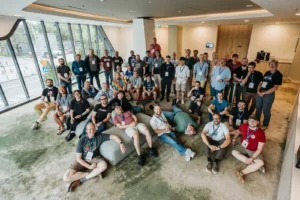
Juanita’s involvement in organizing events, such as the annual summits for the Scientific Python Project and contributing to the SciPy conference’s communication efforts, underscores her dedication to fostering vibrant and collaborative communities. Organizing these events, she noted, involves meticulous planning that extends beyond technical aspects, encompassing logistics like accommodation and catering, all aimed at ensuring a positive and productive experience for attendees.
A particularly unique and heartwarming aspect of her involvement with SciPy is her participation in "SciPy 5," a group that creates and performs songs summarizing the conference’s events during the lightning talks. This blend of technical discourse and creative expression highlights the multifaceted nature of community engagement and the human element that binds these collaborative endeavors together. It demonstrates that open-source communities are not just about code; they are also about shared experiences, camaraderie, and a sense of collective accomplishment.
Navigating Underrepresentation in Tech
The conversation also addressed the challenges faced by individuals from underrepresented groups in the technology industry, particularly women and Latinx individuals in open source and cybersecurity. Juanita candidly shared her experiences with imposter syndrome, a common feeling of inadequacy that can be exacerbated by being part of a minority group. She acknowledged that while her background in mathematics, rather than traditional software engineering, contributes to this feeling, there have been instances where she felt treated differently due to her identity.
Despite these challenges, Juanita’s perspective is one of resilience and determination. These experiences have fueled her drive to excel, not only to prove herself but also to serve as a representative for her communities, demonstrating that women and Latinx individuals can be highly capable in technical fields. She finds strength and inspiration in surrounding herself with supportive individuals within the Python and open-source communities who offer mentorship and encouragement. This emphasis on building a strong support network is crucial for navigating the complexities of underrepresentation and fostering personal and professional growth.
The Python community, in particular, has been a source of such support for Juanita. She describes it as a space where individuals are willing to help, mentor, and elevate one another. This inclusive atmosphere is vital for creating an environment where everyone, regardless of their background, can thrive and contribute to the collective advancement of the ecosystem.
A Legacy of Inspiration and Impact
Juanita’s story is a powerful testament to the diverse ways individuals can contribute to the open-source world. From her foundational work in documentation and community outreach for Spyder to her current role in coordinating the Scientific Python ecosystem and her research into cybersecurity, her impact is broad and significant. Her journey underscores the importance of accessible education, the evolving nature of community engagement, and the critical need for robust security practices in the digital age.
As a "Hidden Figure of Python," Juanita embodies the spirit of collaboration, innovation, and dedication that drives the open-source movement forward. Her commitment to mentoring, sharing knowledge, and advocating for inclusivity serves as an inspiration to aspiring technologists and a reminder of the invaluable contributions made by those who work tirelessly to build and sustain the digital infrastructure we rely on. The "PyPodcats" initiative, by bringing figures like Juanita into the spotlight, plays a crucial role in recognizing these essential contributors and encouraging a more diverse and vibrant future for technology.
Related posts: