The digital landscape is undergoing a seismic transformation, marking the end of an era defined by the graphical user interface (GUI). For decades, the internet has functioned as a vast, complex directory of buttons, forms, and nested menus. Users have been trained to navigate digital labyrinths to complete basic tasks, from booking travel to conducting medical research. However, a new paradigm known as Intent-Driven Design is fundamentally shifting the responsibility of task execution from the human user to the software itself. By utilizing large language models and autonomous AI agents, web architecture is moving toward a future where the best interface is, effectively, no interface at all.

The Chronology of the Click: From Xerox to Generative AI
To understand the current shift, one must look at the historical trajectory of human-computer interaction (HCI). In the early 1970s, researchers at the Xerox Palo Alto Research Center (PARC) developed the Xerox Star, the first commercial system to utilize a desktop metaphor, icons, and a mouse. This point-and-click paradigm was further popularized by the 1984 launch of the Apple Macintosh, which established the visual language of the modern web.
For forty years, this model remained largely static. The user’s role was to act as the primary orchestrator of the computer’s logic. Whether filling out a multi-step tax form or sorting through travel itineraries, the user was required to input parameters, navigate dropdown menus, and manage browser tabs to cross-reference information. According to data from the Nielsen Norman Group, the "cost of interaction"—the mental and physical effort required to operate a system—has historically been treated as a fixed constraint. However, recent advancements in artificial intelligence have begun to decouple user effort from digital outcomes.
The transition began in earnest around 2022, when the widespread adoption of transformer-based models allowed software to parse natural language with unprecedented accuracy. By 2024, the industry began witnessing a pivot: instead of providing a set of tools for a user to perform a task, platforms began providing a single gateway for a user to state a goal.
The Mechanics of Intent-Driven Systems
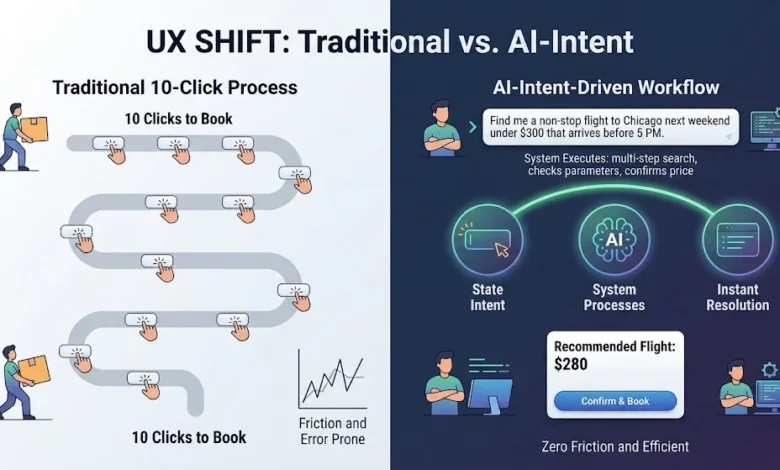
Intent-Driven Design operates on a tripartite architecture: goal capture, generative synthesis, and autonomous execution. In a traditional e-commerce environment, a user might click through a search filter, adjust a price range slider, select a category, and open multiple product comparison tabs. In an intent-driven model, the user provides a high-level command: "Find me a waterproof hiking boot under $150 that is available for two-day shipping."

The software processes this natural language request, queries its database, compares attributes, and returns a singular, actionable resolution. This shift effectively eliminates the "10-click process." Key platforms leading this transition include:
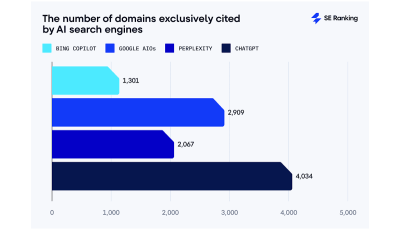
- Perplexity AI: By synthesizing information from across the web into a single, cited answer, the platform bypasses the traditional search engine results page (SERP) model, which relies on users clicking through disparate websites to synthesize information themselves.
- Vercel v0: This tool allows for the generative creation of UI components. Instead of a designer manually dragging and dropping elements in a tool like Figma, the system renders functional code based on a written prompt, reducing the "build" phase of web development from hours to seconds.
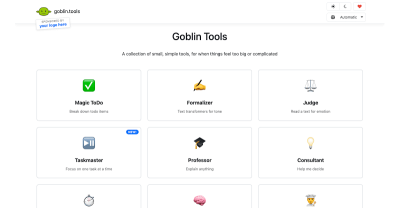
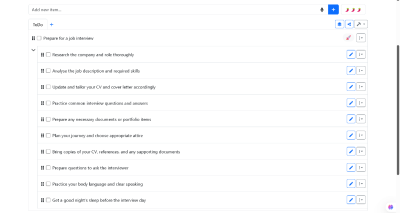
- Goblin.tools: Specifically designed for neurodivergent individuals, this suite breaks down complex, overwhelming tasks into actionable checklists using AI, demonstrating how intent-driven design can provide significant accessibility improvements by reducing cognitive load.
Supporting Data and User Efficiency Metrics
Research into human-computer interaction suggests that the "interaction cost" of traditional UIs is a primary cause of user churn. A 2023 study by the Baymard Institute indicated that complex checkout processes remain a leading cause of cart abandonment, with the average checkout flow involving 11.8 form fields.
Intent-driven interfaces represent a significant reduction in these friction points. By automating the "grunt work" of data entry and navigation, platforms are seeing higher completion rates for complex tasks. Furthermore, the shift toward generative UI—where the interface is built dynamically for the specific user and the specific task—reduces the "noise" of static websites. Users no longer need to search for a "contact us" button or a "track order" link; the system anticipates the need based on the context of the user’s journey.
Institutional Responses and Industry Implications
Major industry players are currently grappling with the implications of this shift. The Nielsen Norman Group has noted that we are moving toward an "AI-as-a-paradigm" model, where the interface is not a static destination but a fluid outcome of the user’s current needs.
However, this transition is not without challenges. The "Black Box" problem, as identified by the Google PAIR (People + AI Research) initiative, poses a significant hurdle. In a traditional GUI, a user can diagnose why a search failed (e.g., a misspelled word in a search box). In an AI-agent system, if the agent fails, the user may not know why. To mitigate this, developers are increasingly building "transparent feedback loops," where the AI explicitly states its interpretation of the user’s intent before executing a task.
Furthermore, ethical considerations regarding "the illusion of control" have been raised by groups such as the Center for Humane Technology. There is a risk that by removing the interface, designers may inadvertently nudge users toward choices that favor the platform’s business model over the user’s actual best interest. Consequently, the industry is moving toward a standard of "high-stakes confirmation," where autonomous agents are empowered to act independently for minor tasks, but must seek explicit human authorization for financial or privacy-sensitive actions.
The Future of Web Design: From Engagement to Completion
The traditional metrics of web success—time-on-page, click-through rates, and session duration—are being challenged by the new philosophy of "invisible completion." In the legacy web model, a higher time-on-page was often considered a marker of engagement. Under the new paradigm, if a user spends less time on a site, it is viewed as a triumph of efficiency.
This shift echoes the principles proposed by Golden Krishna in his work, The Best Interface Is No Interface, which argues that the goal of technology should be to solve problems with the minimum amount of digital interference. As we move further into this era, the role of the UX designer is evolving from a creator of pixels and buttons to a designer of logic, context, and intent-mapping.
The implication for the future of the internet is profound. As interfaces become more "ambient"—integrated into the background of our devices and workflows—the distinction between "using an app" and "achieving a goal" will continue to blur. The web of tomorrow will not be a collection of websites to be visited, but a seamless, agent-driven layer of infrastructure that disappears the moment the user’s intent is fulfilled. We are witnessing the maturation of the digital age: a move away from the clunky, manual navigation of the past toward an era of immediate, intent-based resolution.
Related posts: