AWS Announces Global Expansion of Builder Lofts to Berlin, Hyderabad, and São Paulo Following San Francisco Success

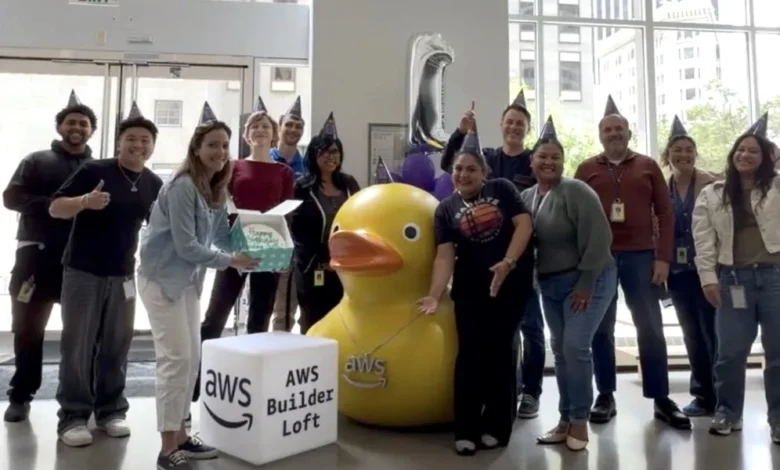
Amazon Web Services (AWS) has officially announced plans to expand its physical community infrastructure with the establishment of three new permanent AWS Builder Lofts located in Berlin, Germany; Hyderabad, India; and São Paulo, Brazil. This strategic international rollout follows the successful launch and operation of the inaugural AWS Builder Loft in San Francisco, which opened its doors in July 2025 and has since welcomed more than 22,500 developers, students, and startup entrepreneurs.
The expansion marks a significant evolution in how major cloud providers engage with local developer ecosystems. Rather than relying exclusively on temporary pop-up installations—such as the historical AWS Pop-up Lofts and the more recent AWS Gen AI Lofts deployed during the initial surge of generative artificial intelligence technologies—AWS is investing heavily in permanent, brick-and-mortar hubs designed to foster ongoing collaboration, technical education, and community-led innovation across pivotal global tech markets.
Chronology and Evolution of AWS Physical Spaces
The conceptual framework of the AWS Builder Loft is rooted in more than a decade of experiential marketing and developer relations strategies. In the early and mid-2010s, AWS pioneered the "Pop-up Loft" model in major technology capitals around the world. These temporary spaces provided early-stage startup founders, software engineers, and cloud novices with access to AWS architects, co-working facilities, and educational seminars for limited durations, typically spanning a few weeks to several months.
As generative AI technologies gained widespread adoption and transformed the software development lifecycle, AWS adapted this playbook by introducing specialized AWS Gen AI Lofts. These pop-up spaces were engineered specifically to give developers immediate, hands-on environments to experiment with foundational models, vector databases, and AI-driven application architectures.
However, internal evaluations and feedback from global developer communities highlighted a persistent structural gap: the ephemeral nature of pop-up spaces limited long-term community cohesion. While temporary lofts effectively catalyzed short-term engagement, they lacked the permanence required to nurture sustained student groups, independent user communities, and long-range collaborative projects.
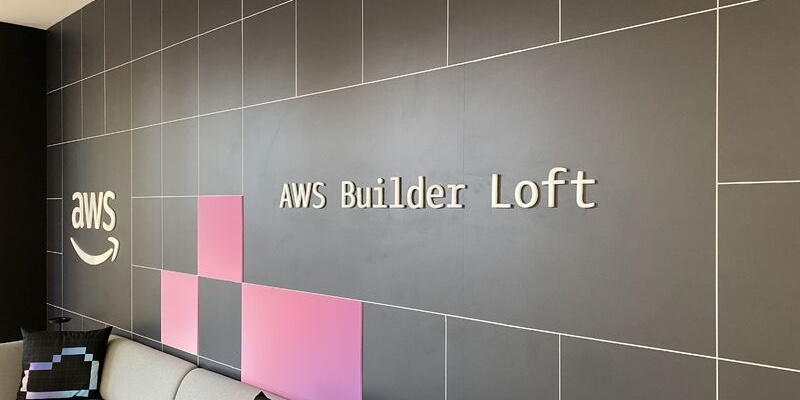
To address this need, AWS conceptualized the permanent Builder Loft model. The pilot location launched in San Francisco in July 2025. Over the subsequent thirteen months, the San Francisco facility evolved into a bustling regional nucleus, averaging four to eight distinct community events per week and serving as a reliable daily workspace and event venue for thousands of local technologists. Buoyed by this high utilization rate and measurable community impact, AWS leadership greenlit the multi-continent expansion to Berlin, Hyderabad, and São Paulo.
Core Offerings and Facility Architecture
The newly announced Builder Lofts in Berlin, Hyderabad, and São Paulo will replicate and adapt the versatile structural blueprint established in San Francisco. Each location is engineered to function as a multi-use civic and technical hub, providing free-of-charge access to a wide array of amenities and resources for developers, students, and tech professionals.
Key features of the upcoming international facilities include:
- Flexible Co-Working and Collaboration Zones: Open-plan areas designed for daily networking, impromptu pair programming, and individual project development.
- Dedicated Training and Workshop Rooms: Scalable spaces capable of accommodating large groups—such as a morning session hosting over 50 students learning foundational cloud architectures—that can rapidly pivot by evening into demo stages or pitch nights for early-stage startups.
- Content Creation Studios: Specialized environments equipped for recording podcasts, technical webinars, and developer-focused educational media.
- Event Hosting Facilities: Fully equipped auditoriums and presentation areas available at no cost for local tech community leaders, including organizers of independent developer circles, AWS User Groups, and AWS Student Builder Groups.
By removing financial barriers to venue access, AWS aims to lower the friction associated with organizing grassroots technical meetups, thereby empowering local leaders to dictate programming rather than imposing top-down corporate agendas.
Strategic Rationale: Why Berlin, Hyderabad, and São Paulo?
The selection of Berlin, Hyderabad, and São Paulo as the sites for the first international wave of Builder Lofts reflects a deliberate focus on high-growth metropolitan areas that serve as critical engines of technological innovation and talent acquisition within their respective geographic regions.
Berlin: The European Startup Capital
Berlin has long maintained its position as one of Europe’s foremost hubs for venture capital, software engineering talent, and digital entrepreneurship. By establishing a permanent Builder Loft in the German capital, AWS is positioning itself at the epicenter of the European Union’s vibrant tech ecosystem. The space will offer a physical anchor for Berlin’s diverse community of open-source contributors, enterprise developers, and fintech innovators, facilitating cross-border collaboration and regulatory-compliant cloud architecture discussions tailored to European standards.

Hyderabad: India’s Rapidly Scaling Tech Powerhouse
Often referred to as "Cyberabad," Hyderabad is a premier global center for information technology, research and development, and engineering excellence in India. Home to major global capability centers and a rapidly expanding cohort of tech startups and engineering graduates, Hyderabad represents a massive concentration of technical talent. The new Builder Loft will provide local student builders and professional developers with advanced resources to scale their skills, bridging the gap between academic institutions and the commercial software industry.
São Paulo: The Gateway to Latin American Innovation
As the financial and commercial heart of Latin America, São Paulo boasts a mature and rapidly accelerating technology sector, particularly in fintech, agritech, and e-commerce. The establishment of a Builder Loft in Brazil addresses the surging demand for localized technical training and community infrastructure in South America. The space will serve as a collaborative bridge connecting regional entrepreneurs with global AWS expertise, fostering homegrown solutions tailored to the unique economic and logistical challenges of the Latin American market.
Community-Driven Programming and Operational Model
A central tenet of the Builder Loft philosophy is decentralization of content. While AWS subject matter experts and solutions architects will frequently utilize the spaces to conduct workshops, office hours, and technical deep dives, the primary programming engine is intended to be the local community itself.
Developers, meetup organizers, and academic student groups retain the autonomy to curate events, hackathons, and study jams that reflect the specific needs and interests of their local ecosystems. This grassroots approach ensures that the relevance of the space remains high, adapting organically to shifts in technology trends—ranging from serverless computing and containerization to generative AI and quantum computing.
In San Francisco, this model has successfully blurred the lines between formal corporate training and informal peer-to-peer learning. A typical week in the city features technical deep dives into complex machine learning workflows running parallel to introductory coding bootcamps for university students and high-stakes pitch sessions where startup founders present their prototypes to venture capitalists and prospective engineering partners.
Industry Implications and Market Analysis
The global expansion of the Builder Loft initiative underscores a broader shift in developer relations and cloud vendor strategy. As cloud computing matures into an essential utility, differentiation increasingly relies on cultivating deep, long-term loyalty within developer and builder communities.
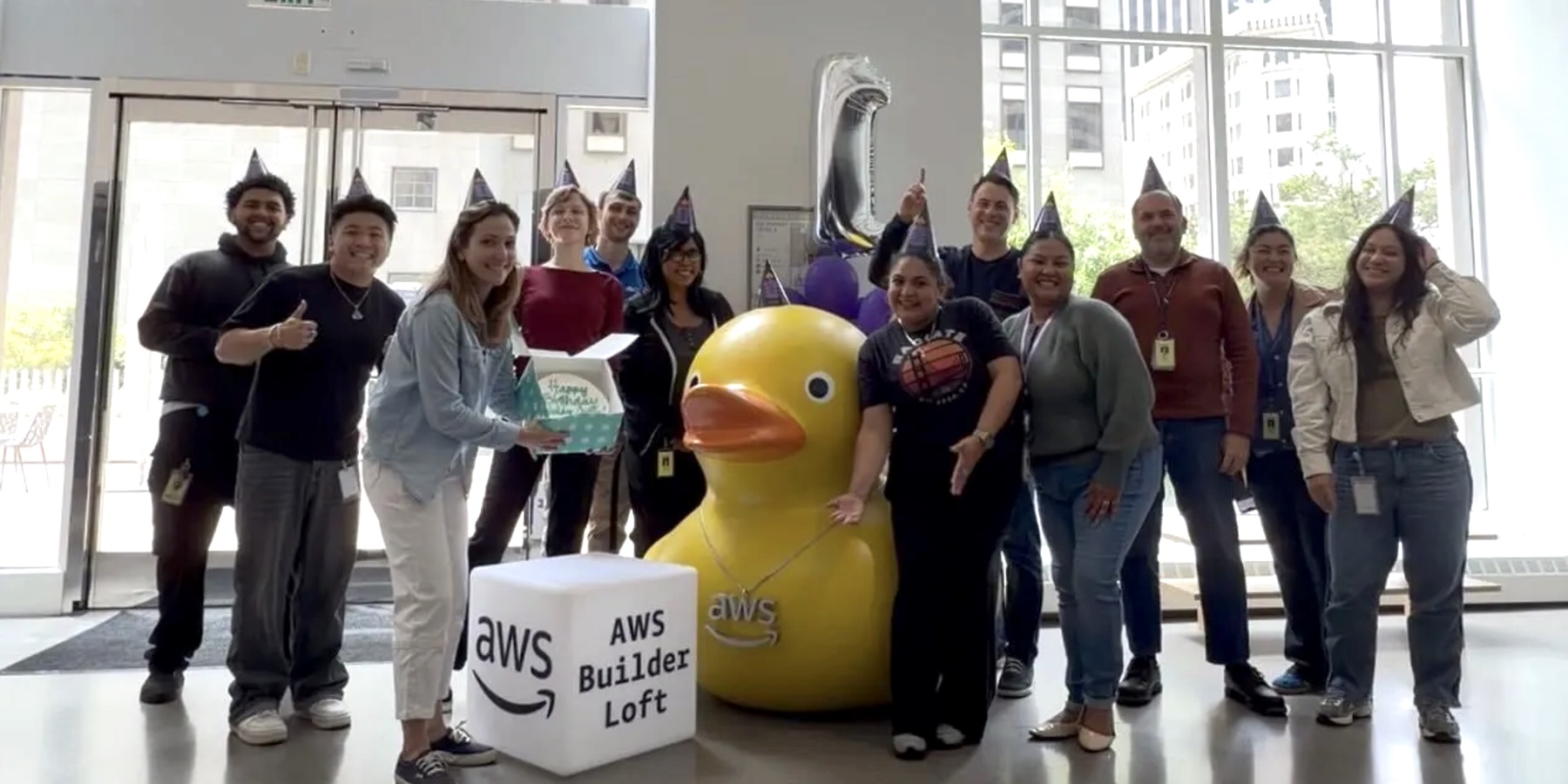
Industry analysts note that physical spaces like the Builder Loft offer strategic advantages that digital-only engagement channels struggle to replicate:
- Accelerated Trust and Adoption: Face-to-face interactions with AWS architects and peer developers reduce the psychological barriers to adopting complex cloud services, particularly for early-stage startups and students.
- Talent Pipeline Development: By providing students and junior developers with free access to professional infrastructure and mentorship, AWS strengthens its long-term ecosystem, ensuring that the next generation of engineers is naturally fluent in AWS-centric architectures.
- Ecosystem Resilience: Empowering independent user groups and local community leaders fosters localized resilience, creating self-sustaining networks of innovation that operate semi-independently of direct corporate intervention.
Future Outlook and Next Steps
With the official announcement of the expansion into Berlin, Hyderabad, and São Paulo, AWS has indicated that detailed launch timelines, exact addresses, and inaugural event schedules for each of the three new international locations will be released in subsequent blog posts and official updates over the coming months.
In the interim, developers, tech community leaders, and prospective participants can monitor ongoing developments through the official AWS Builder Loft portal, review architectural and strategic insights shared by AWS leadership, and explore existing regional programming at the operational San Francisco facility.
Related posts: