Googlebook Launches Linux Terminal Preview to Bridge the Gap Between Casual Users and AI-Driven Development

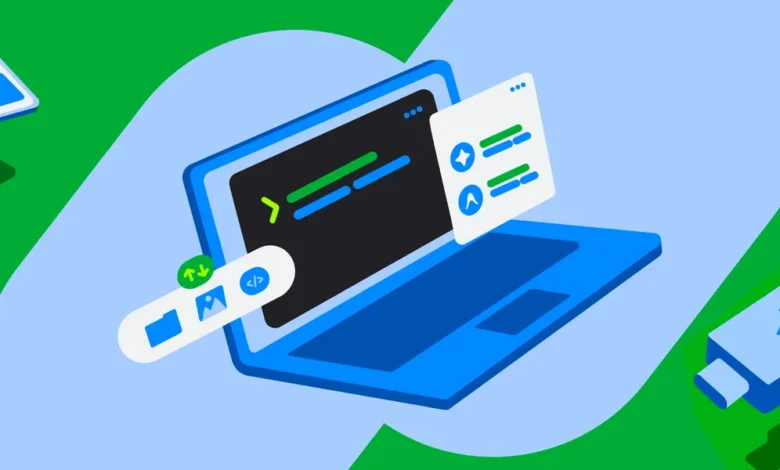
The modern landscape of artificial intelligence is increasingly defined by agentic workflows, where AI models operate autonomously to execute complex tasks. To facilitate this shift, Google has officially introduced a Linux terminal preview for Googlebook, a strategic move designed to democratize access to sophisticated command-line tools. By integrating a secure, sandboxed Linux environment directly into the Googlebook operating system, the company is positioning its hardware as a primary gateway for both novice users and seasoned developers to interact with the next generation of AI agents.
The Evolution of Agentic Development
The shift toward "agentic" AI—systems capable of planning, executing, and refining tasks across multiple software environments—has fundamentally altered the requirements for personal computing. Historically, the command-line interface (CLI) was the exclusive domain of software engineers and system administrators. However, as AI agents now require terminal access to install dependencies, manage file systems, and execute automation scripts, the barrier to entry has shifted.
For many users, the necessity of interacting with a terminal to harness the full potential of AI has created a "technical gap." By embedding a Linux VM directly into Googlebook, Google aims to collapse this gap. This initiative represents a significant pivot in the platform’s philosophy, moving away from being a purely web-based consumer device toward becoming a versatile workstation capable of handling high-level computational workflows.
Security Architecture and Sandbox Design
One of the primary challenges in introducing terminal access to a consumer-focused OS is the inherent security risk associated with granting administrative, or "root," privileges. To mitigate this, Googlebook has implemented a defense-in-depth architecture. The terminal operates entirely within an isolated Linux Virtual Machine (VM).
This sandboxing strategy ensures that even when a user or an AI agent executes sudo commands—which grant elevated system permissions—those actions are confined to the VM. The host operating system remains protected, as the file system interaction is strictly managed through a controlled mounting process. Users must explicitly grant permission before the Linux environment can access specific local directories, such as photo galleries or documents. This creates a "failsafe" environment where experimental scripts can be tested without the risk of system-wide corruption. Should an error occur, a one-click reset feature allows users to restore the Linux environment to its original state while retaining their personal data on the host, effectively removing the "fear factor" of damaging the machine during experimentation.
Technical Capabilities and Ecosystem Integration
The Debian-based Linux environment provided in the Googlebook preview is designed for high performance and compatibility. It supports a comprehensive array of standard developer tools, including Git for version control, SSH for remote connectivity, and the apt package manager for software installation.
Support for modern programming runtimes is a cornerstone of this update. The terminal environment is optimized for:
- Python: The de facto language for AI development and data science.
- Node.js: Facilitating rapid web development and server-side scripting.
- Rust and Go: Languages increasingly favored for their performance and memory safety in systems programming.
- Ruby: Maintaining compatibility with legacy scripting workflows.
Furthermore, the integration extends beyond the terminal window. The Googlebook Files app now recognizes the Linux file system, allowing for seamless drag-and-drop operations between the Linux environment and the user’s local storage. This is particularly relevant for users who sync data from Android devices, as it allows AI agents to perform batch processing on mobile-originated media files directly from the local disk.
Chronology of the Development
The path to this release has been characterized by a steady maturation of Googlebook’s underlying architecture:
- Early Phase: Googlebook began as a lightweight, browser-centric platform, focusing on cloud security and simplicity.
- Intermediate Phase: The company introduced initial container support, allowing for basic web-app development.
- Current Phase: The launch of the Linux Terminal Preview marks the transition into a professional-grade development tool, acknowledging that the future of computing involves local AI execution.
- Roadmap: Future updates are projected to include full support for Linux GUI applications, which will be integrated directly into the Googlebook app launcher, further blurring the line between native OS apps and Linux-based software.
Data-Driven Performance and Professional Usage
Internal data from Google’s own engineering teams suggests that this transition is not merely cosmetic. Engineers have utilized the Googlebook Linux environment for tasks as resource-intensive as compiling the Linux kernel. By allowing users to allocate specific memory quotas to the VM, Google ensures that the hardware can scale according to the workload.
The ability to perform automatic localhost port forwarding is another critical feature for developers. By bridging the gap between the Linux VM and the host browser, developers can preview web applications and AI-driven interfaces in real-time without complex networking configurations. This "out-of-the-box" readiness is intended to satisfy the demands of professional developers who require a portable, low-latency environment for rapid prototyping.
Industry Implications and User Feedback
The announcement has been met with significant interest from the developer community on platforms such as Reddit, where early testers have been exchanging feedback on the stability and performance of the VM. Industry analysts suggest that this move is a direct response to the increasing demand for "local-first" AI. By moving away from purely cloud-based AI interactions, users can maintain greater privacy over their datasets—a crucial factor for those working with sensitive or proprietary information.
However, the transition also brings new responsibilities. As users become more comfortable with CLI tools, the reliance on community-maintained documentation and support forums, such as the official Googlebook community, will likely increase. Google has emphasized that this preview is a collaborative process, encouraging users to report bugs and suggest features to shape the final release.
Analysis: A Strategic Pivot
The integration of a Linux terminal into Googlebook is a strategic move that addresses the changing demographics of computer users. As AI agents become more prevalent, the average user is increasingly likely to interact with terminal-like structures, even if they do not identify as "programmers."
By providing a secure, sandboxed environment that supports the full spectrum of modern development languages, Google is effectively future-proofing its hardware. The implication for the broader tech industry is clear: the divide between consumer devices and professional development workstations is evaporating. As agentic AI continues to evolve, the capacity to run, debug, and manage these agents locally—and securely—will become the defining feature of personal computing hardware.
Looking Ahead
The current preview is viewed as the first step in a broader long-term strategy. The upcoming support for Linux GUI applications is expected to be the next major milestone, potentially allowing users to run desktop-grade applications like GIMP, VS Code, or LibreOffice directly within the Linux layer, further enhancing the utility of the device.
For now, the focus remains on stabilization and community engagement. As Google continues to iterate on this preview, the company is soliciting feedback through its official channels to ensure that the terminal meets the needs of the diverse groups of users who are now entering the world of agentic development. Whether for building hyper-specific tools, experimenting with AI models, or managing complex data workflows, the new Googlebook terminal stands as a testament to the importance of accessibility in the age of intelligent automation.