How the Fedora Design Team Successfully Hosted a Virtual Conference Entirely on Open Source Software

In January 2023, the Fedora Design Team achieved a significant milestone in community-led event management by executing the inaugural Creative Freedom Summit using an entirely open-source technological infrastructure. Historically reliant on proprietary hybrid platforms such as Hopin for events like the annual Flock conference, the organizing committee made a deliberate philosophical and technical pivot. This decision sought to align the operational framework of the conference with the foundational ethos of the open-source movement. The resulting three-day virtual event demonstrated that decentralized, community-supported tools can deliver a professional, seamless, and scalable conference experience without compromising data sovereignty or relying on commercial vendor ecosystems.
Background Context and Origins of the Summit
The conceptual foundation of the Creative Freedom Summit was born out of necessity and overwhelming community demand. Following the call for papers for the August 2022 iteration of Flock—the annual gathering of Fedora users and contributors—organizer Marie Nordin observed a striking trend. The review board received a disproportionately high volume of talk submissions focused specifically on design, art, and creative workflows within open-source ecosystems. Because the general conference schedule was constrained, many of these high-caliber presentations could not be accommodated.
Recognizing a distinct niche, Nordin proposed a dedicated, standalone conference highlighting creatives who utilize open-source software to produce their work. By the autumn of 2022, the Fedora Design Team formally adopted the initiative, establishing a tight planning window ahead of the scheduled dates of January 17–19, 2023. Due to the rapid deployment timeline, organizers bypassed a traditional open Call for Papers (CFP) management process. Instead, they curated an initial roster by inviting speakers directly from the pool of unaccepted Flock submissions and leveraging the personal professional networks of open-source contributors. The response rate was overwhelmingly positive, with nearly every invited speaker accepting the engagement.
Evaluating the Proprietary Versus Open-Source Dilemma
For organizations championing open-source software, the reliance on proprietary platforms for community events often presents a philosophical conflict. While commercial platforms like Hopin offer integrated sponsor booths, multi-track capabilities, hallway networking chat, and robust moderation tools, they operate as closed ecosystems.
When planning the Creative Freedom Summit, the organizing committee weighed several critical variables: budget constraints, technical capabilities of the volunteer base, and the availability of supported infrastructure. The project operated with zero financial budget, relying entirely on volunteer labor hours. Fortunately, the team had access to established Fedora infrastructure, including a Matrix server instance and a hosted WordPress environment. Furthermore, key personnel possessed prior technical experience operating live weekly video calls via PeerTube.
Given these assets, the team prioritized a low-key, single-track, and informal format. This structure provided a high tolerance for minor technical glitches while maximizing the educational value of testing a fully open-source technology stack in a live production environment.

The Open-Source Technology Stack in Action
The architecture of the Creative Freedom Summit was divided into live operational components and post-event management tools. Each layer of the stack was selected to ensure decentralization, ease of use for volunteers, and minimal friction for attendees.
Livestreaming and Immediate Replays via PeerTube
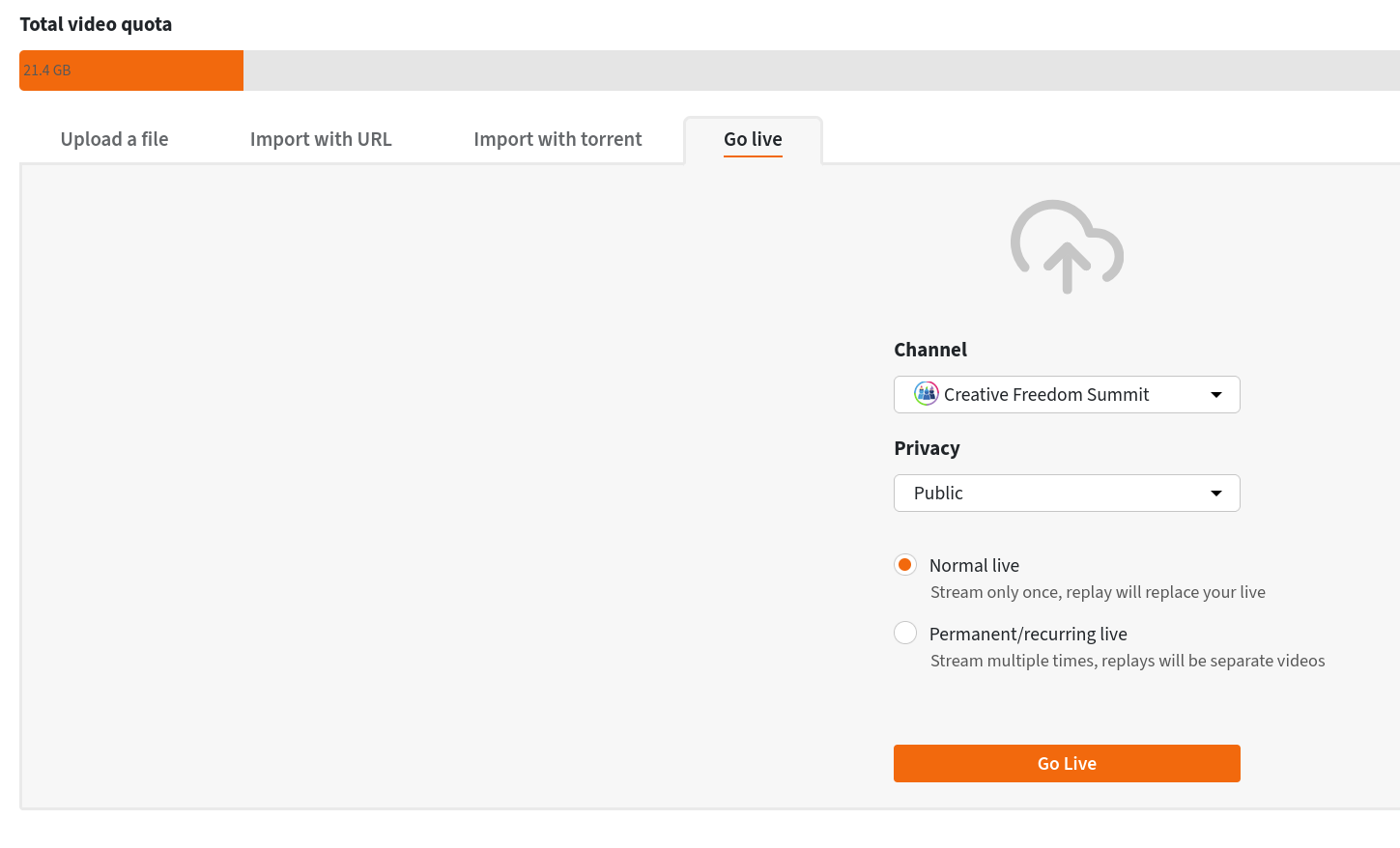
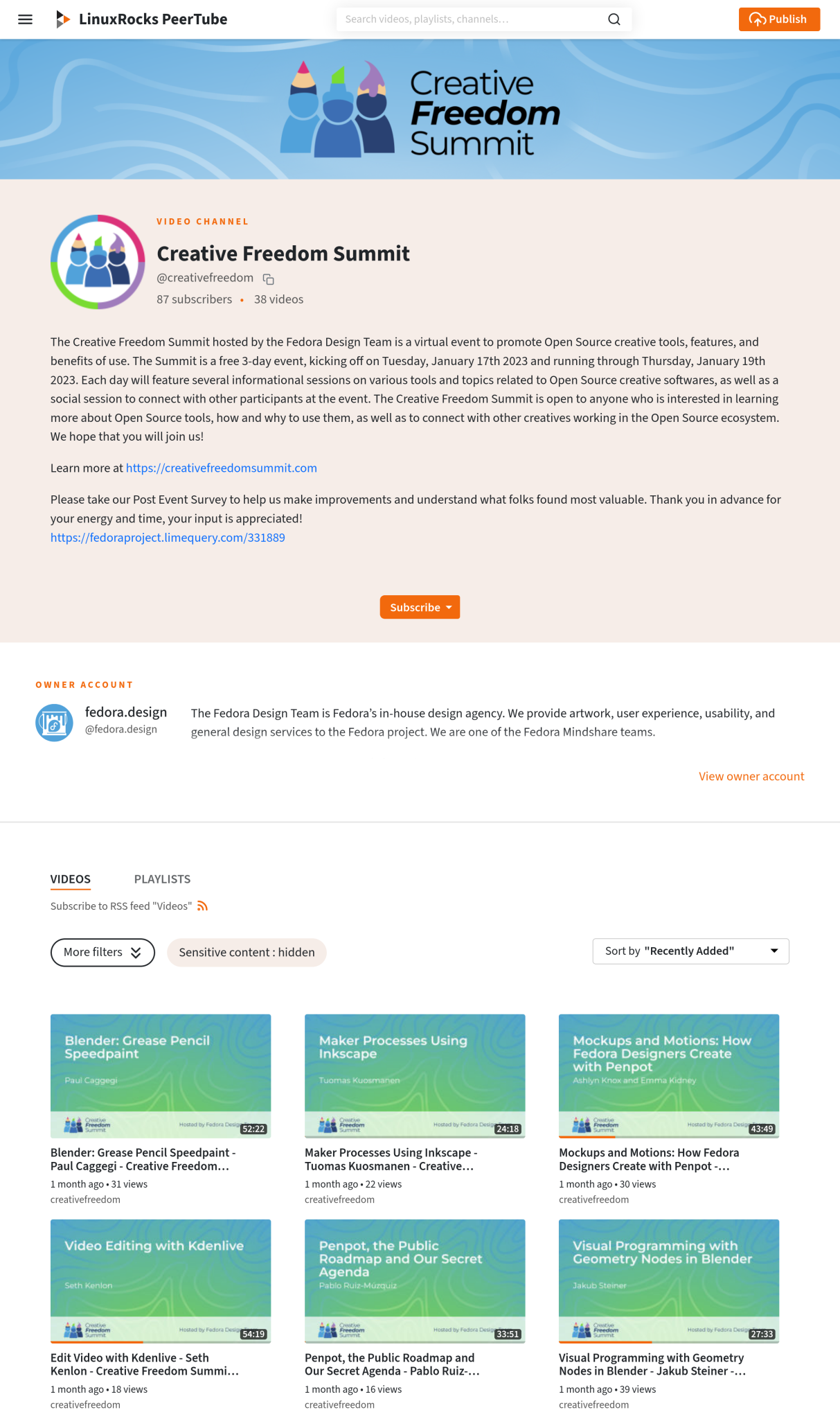
For video broadcasting, the summit utilized the LinuxRocks PeerTube platform, generously hosted by LinuxRocks.online. PeerTube is a free, decentralized, and open-source video hosting platform integrated into the broader Fediverse.
A primary operational advantage of PeerTube over conventional streaming solutions is its native automation capabilities. Immediately upon the conclusion of a livestream, the platform automatically generates and publishes a replay recording directly to the designated channel without manual intervention, file exporting, or administrative uploading. Attendees frequently highlighted this feature in the chat rooms as a major benefit, allowing participants to review missed sessions within minutes of their completion.
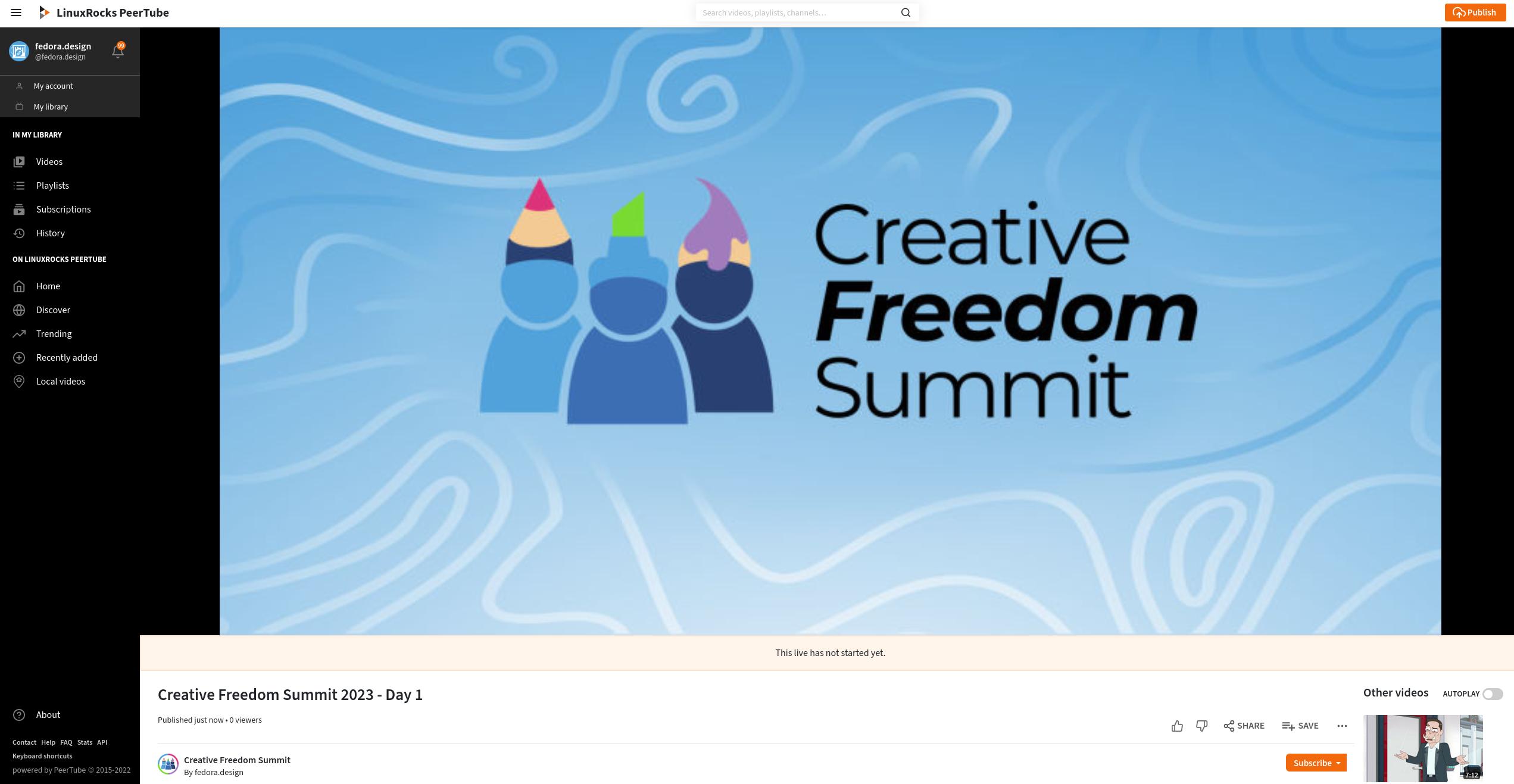
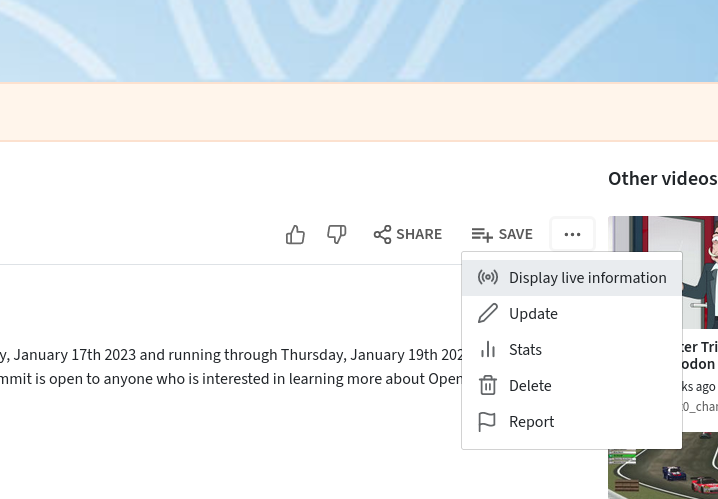
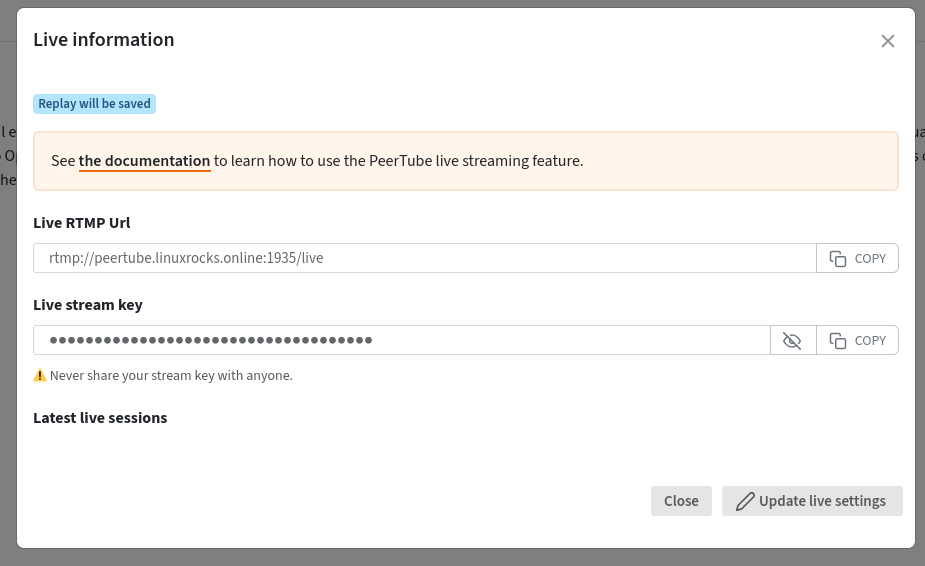
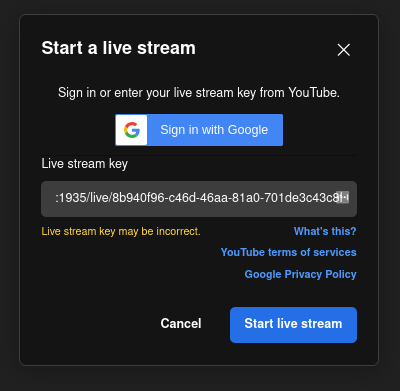
To minimize administrative overhead, organizers established a reusable livestreaming Uniform Resource Locator (URL) and authorization key. Rather than generating fresh stream credentials for every individual presentation, the team shared a single, master configuration document among rotating hosts. Any authorized team member could initiate a stream simply by inputting the pre-configured RTMP URL and stream key into the broadcasting software.
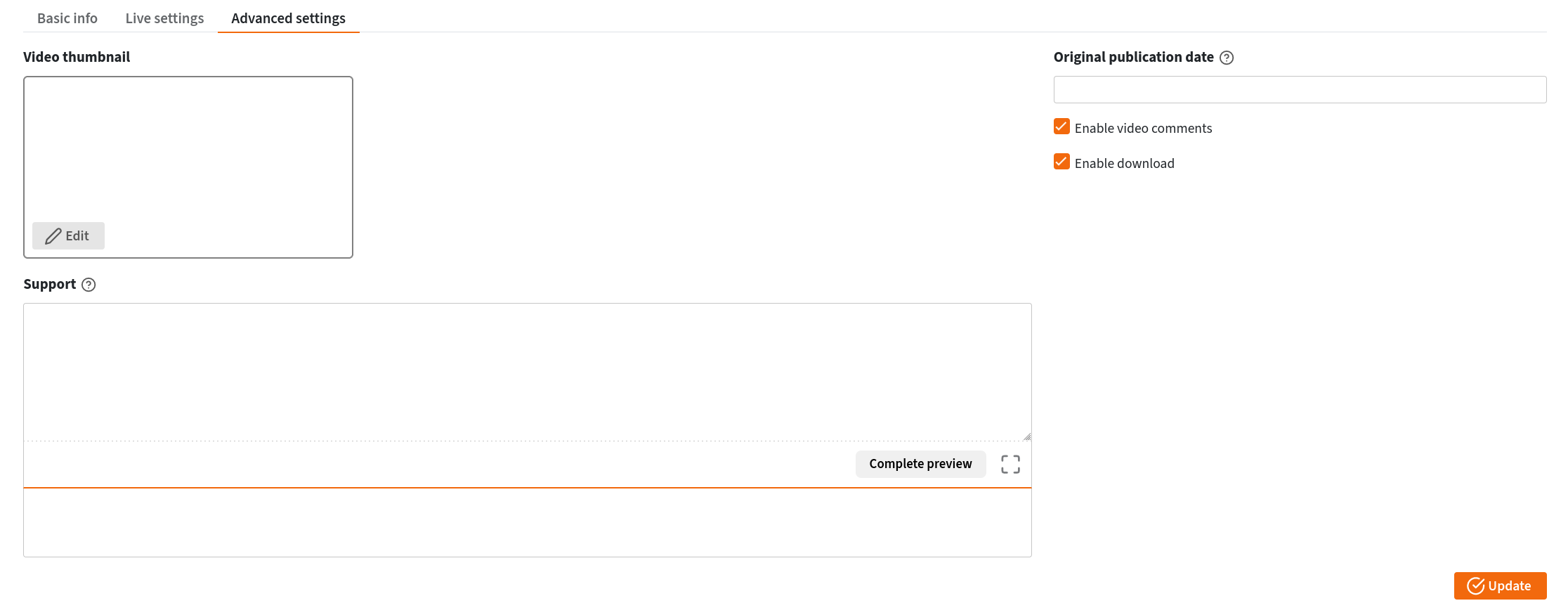
The technical workflow for PeerTube integration involved establishing a stream video object via the platform’s publishing interface, configuring advanced metadata—including licensing and transcoding options to ensure automatic archiving—and uploading a custom standby image to display during pre-event holding patterns. Once updated, the system generated a unique RTMP address and stream key, which were combined using a forward slash separator before being pasted into the virtual meeting software.
Live Stage Management via Jitsi Meet
The virtual stage for speakers and hosts was powered by Jitsi Meet, a free and open-source video conferencing platform. Organizers created a custom meeting room via meet.jit.si, distributing the URL exclusively to presenters and event moderators.
To manage speaker transitions securely without disrupting active presentations, the room was configured with a virtual lobby. This allowed incoming presenters to wait off-stage until the previous session concluded, at which point a host admitted them to the main virtual stage. Jitsi’s native integration supported direct screen sharing for slide presentations and software demonstrations, while its built-in livestreaming protocol enabled seamless broadcasting to the LinuxRocks PeerTube channel.
Despite the success of this setup, organizers identified critical operational lessons during the live event. On the first day of the conference, streams were left running continuously across multiple presentations, resulting in lengthy video files containing several sequential talks. For subsequent sessions, operators adjusted their protocol to stop and start the Jitsi stream between individual presentations, producing clean, single-topic raw recording files that optimized the user experience for the instant-replay function.
Additionally, operators encountered transient audio feedback loops caused by unmuted browser tabs monitoring active streams or automated background clients. Organizers recommended that future virtual event operators implement strict multi-device audio isolation protocols and conduct rigorous pre-event rehearsals to mitigate similar acoustic anomalies.
Backstage Coordination and Real-Time Communication
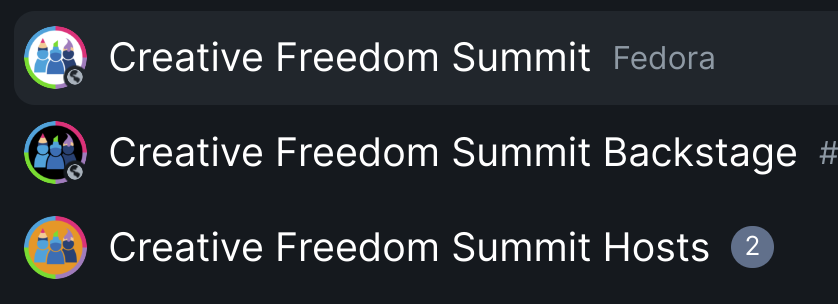
To manage internal logistics, the organizing committee established an invite-only "Backstage" chat room using Element, a client for the decentralized Matrix communication protocol. This channel served as a secure coordination hub for speakers, emcees, and technical staff to verify audio-video setups, monitor schedule adherence, and execute rapid contingency planning—such as dynamically rescheduling a presentation when a speaker encountered an unexpected emergency.
While a separate channel was initially established for event hosts, the team ultimately determined that maintaining more than two concurrent internal channels created unnecessary administrative overhead. Streamlining internal communications to a single backstage environment proved optimal for rapid operational decision-making.
Centralized Attendee Experience via Matrix and Element
The public-facing attendee experience was centralized within a public Matrix chat room accessed through the Element client. To create a cohesive, single-window conference environment, organizers utilized the widget system native to Element, embedding interactive web components directly into the chat interface.
The integrated dashboard featured the live PeerTube video stream in the upper quadrant, complemented by an embedded HackMD.io document in the adjacent panel. This document hosted real-time announcements, daily schedules, codes of conduct, and dedicated Q&A pads where attendees submitted questions for moderators to read aloud to speakers. Conversations and community networking occurred organically within the main chat feed directly beneath the embedded widgets.
Website Infrastructure
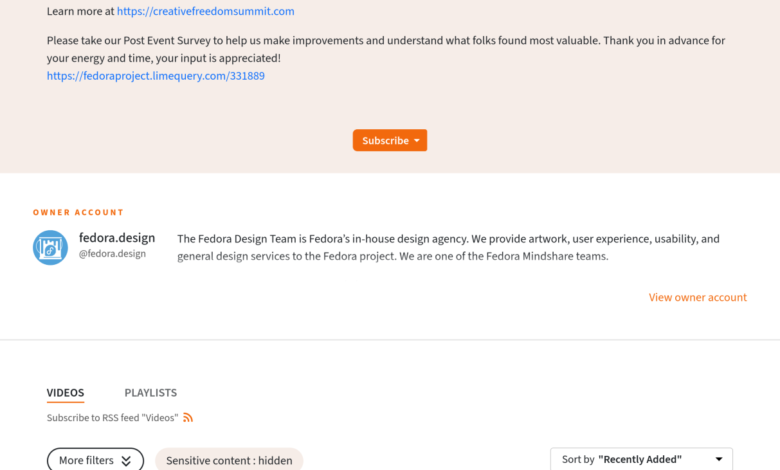
The public-facing web presence, creativefreedomsummit.com, was engineered by developer Ryan Gorley utilizing WordPress and hosted via WP Engine. The site functioned as an informational single-page application featuring an embedded schedule sourced from sched.org, directing visitors efficiently toward the primary Matrix communication channels and livestream endpoints.
Post-Event Workflows, Survey Data, and Analytics
Following the conclusion of the summit, organizers deployed an open-source survey utilizing LimeSurvey to gather quantitative and qualitative feedback from participants. The results were analyzed during recurring post-event coordination meetings, providing actionable insights for future iterations of the conference.
A prominent topic in post-event evaluations was event accessibility, specifically live captioning. While the initial technical stack did not natively support real-time closed captioning during live broadcasts, attendees strongly advocated for its inclusion in future events. Organizers identified potential open-source remedies for subsequent summits, including leveraging local speech-to-text applications or routing live transcriptions through open-source broadcasting software such as OBS Studio.
Furthermore, post-event video post-processing required a coordinated volunteer effort. Because raw recordings occasionally required trimming, titling, and audio balancing, organizers established a structured workflow utilizing a GitLab epic to coordinate tasks across a distributed team of community volunteers.
Volunteers utilized Kdenlive—a free and open-source video editor—to clean up raw footage and leverage the software’s built-in, automated speech-to-text subtitling engine. While automated transcription accelerated the production timeline, organizers noted that machine-generated subtitles required manual proofreading and correction to ensure accuracy before final publication to the main PeerTube channel.
Broader Impact and Industry Implications
The successful execution of the Creative Freedom Summit has broader implications for open-source community building and event management. By demonstrating that complex, multi-day virtual conferences can be administered entirely through sovereign, open-source technology stacks—encompassing PeerTube, Jitsi, Matrix, Element, and WordPress—the Fedora Design Team has established a viable blueprint for other open-source projects seeking technical independence.
The initiative proves that robust community engagement and professional broadcasting standards do not strictly depend on commercial software licensing. As organizations increasingly prioritize digital autonomy, data privacy, and cost-effective operations, the methodology pioneered by the Creative Freedom Summit offers a compelling model for future community-driven technical conferences. Planning is already underway for the 2024 summit, with organizers actively refining their technological infrastructure to incorporate enhanced accessibility features and streamlined Call for Papers management systems.