Navigating the Future of Intelligent Infrastructure: The Evolution of AI Conformance in Kubernetes

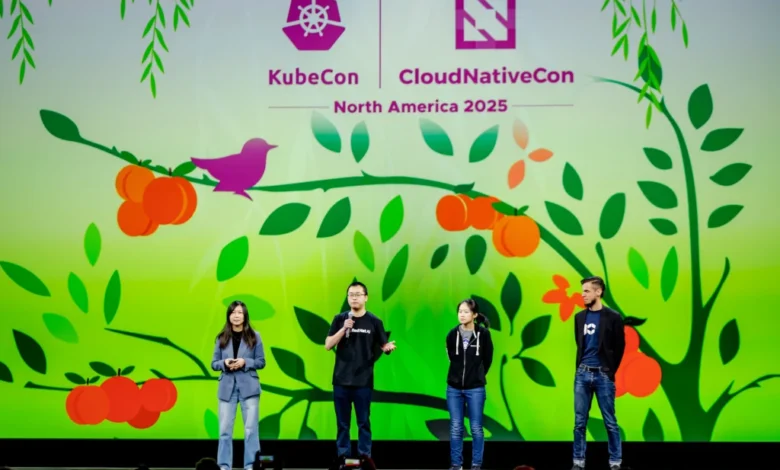
The rapid integration of artificial intelligence and machine learning workloads into enterprise infrastructure has fundamentally reshaped modern cloud-native architectures. As organizations increasingly deploy complex workloads such as distributed model training, large-scale inference, and GPU-intensive pipelines, the necessity for standardized deployment platforms has grown acute. On October 29, 2026, industry leaders and open-source maintainers provided critical insights into how the Kubernetes ecosystem is addressing this transformation. Through a comprehensive spotlight interview conducted by Frederico Muñoz of the SAS Institute and independent expert Kirti Goyal, key figures Janet Kuo of Google and Yuan Tang of TensorScale AI detailed the trajectory of the AI Conformance initiative. Moving from an initial Cloud Native Computing Foundation (CNCF) program to a dedicated Working Group, and finally settling as a permanent subproject under SIG Architecture, AI Conformance represents a pivotal shift in how the world’s leading container orchestration platform standardizes the next generation of computing.
Background Context and the Genesis of AI Conformance
The proliferation of artificial intelligence over recent years exposed a distinct challenge within the cloud-native landscape. While Kubernetes rapidly established itself as the universal control plane for modern applications, the hardware and software layers required to support high-performance AI were characterized by significant fragmentation. Hardware accelerators, specialized networking protocols, scheduling algorithms, and inference orchestration frameworks were initially implemented by various cloud providers and hardware vendors in disparate ways. This divergence created considerable portability challenges, operational inconsistencies, and legitimate enterprise concerns regarding vendor lock-in.
Recognizing the urgent need to preempt widespread ecosystem fracture, Janet Kuo—a Senior Staff Software Engineer at Google and Kubernetes maintainer since the project’s 1.0 launch—spearheaded the initial proposal for a unified framework. Pitching the concept to CNCF leadership, Kuo sought to establish a baseline standard for AI workloads running on Kubernetes. Following executive buy-in, the AI Conformance program was officially inaugurated. Kuo rallied a leadership coalition that included Yuan Tang, Rita Zhang, and Mario Fahlandt to foster broader community consensus. At the time, Tang was serving as a co-chair of the Kubernetes Working Group for Serving (WG Serving) and leading upstream strategies at Red Hat. His involvement ensured that critical developments such as the Gateway AI Inference Extension were harmonized with the burgeoning conformance requirements.
Chronology of Governance: From Program to Subproject
The structural evolution of the AI Conformance initiative exemplifies the deliberate governance model employed by the Kubernetes community. Temporary Working Groups are traditionally established to tackle complex, cross-cutting challenges that require rapid consensus-building among disparate Special Interest Groups. The Kubernetes AI Conformance Working Group was formed precisely to draft foundational requirements, establish certification methodologies, and unify vendors around a single standard.
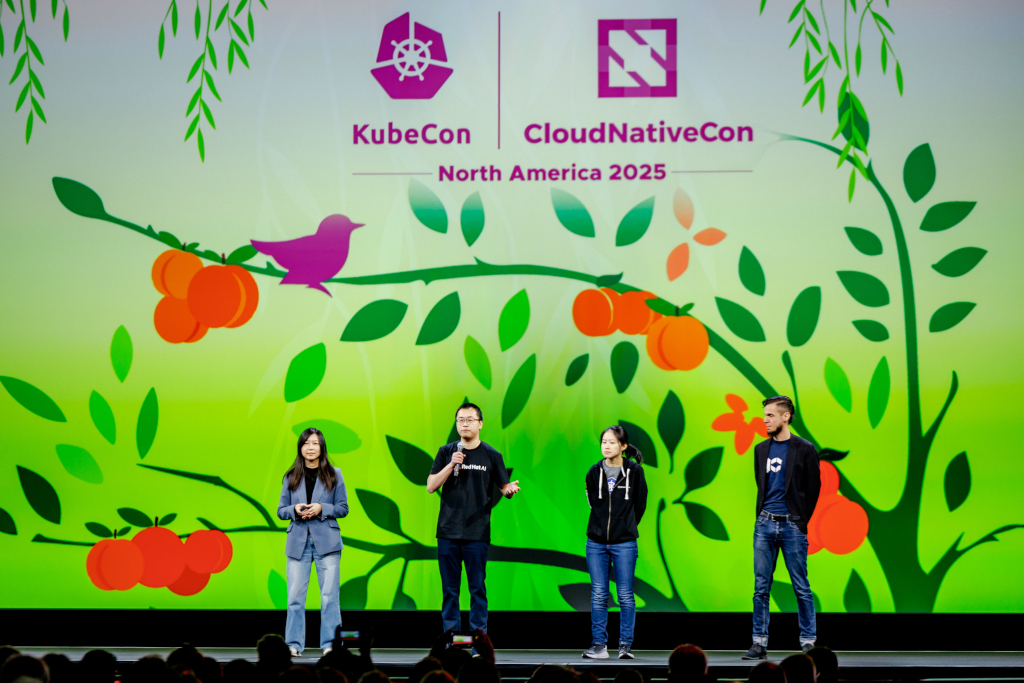
By late 2025 and into 2026, the initiative achieved its primary milestones. At KubeCon + CloudNativeCon North America in late 2025, the CNCF officially launched the Certified Kubernetes AI Conformance program. The response from the global ecosystem exceeded initial expectations. Within a matter of months, the number of certified platforms expanded dramatically, climbing from an initial cohort of 18 platforms to 31 certified implementations by the time of the KubeCon Europe 2026 update. This rapid adoption underscored a profound industry appetite for vendor-neutral interoperability.
Having successfully established the baseline criteria and certification workflows, the Working Group concluded its temporary mission and was officially archived. In accordance with Kubernetes governance principles, the initiative transitioned into a permanent subproject under SIG Architecture. This structural realignment reflects the reality that artificial intelligence is no longer an isolated, experimental workload category, but rather a permanent, foundational pillar of enterprise infrastructure that requires ongoing architectural oversight, API alignment, and long-term governance.
Technical Architecture and the Balance of Stability and Speed
One of the most formidable challenges facing the AI Conformance subproject is reconciling the velocity of artificial intelligence innovation with the deliberate, stability-oriented design philosophy of Kubernetes APIs. While AI frameworks, model servers, and accelerator technologies evolve on a weekly or monthly basis, core infrastructure control planes require years of backward compatibility and rigid stability guarantees.
To navigate this tension, the subproject adopted a strategic tiered graduation model. When novel AI infrastructure paradigms emerge, they are initially introduced as recommended "SHOULD" requirements within the conformance guidelines. This phased approach empowers the broader ecosystem to experiment, iterate, and discover optimal operational patterns without prematurely locking the core Kubernetes API into rigid structures. Once specific capabilities mature, gain widespread adoption, and demonstrate architectural stability, they graduate to mandatory "MUST" requirements for certified platforms.
Furthermore, the initiative maintains a disciplined focus strictly on the infrastructure layer rather than application-level tooling. By leveraging advanced native mechanisms such as Dynamic Resource Allocation (DRA)—which evolved significantly through the collaborative efforts of WG Device Management and SIG Architecture—the conformance standards test for core accelerator support and resource scheduling without becoming entangled in proprietary AI frameworks or specific model-serving software. This ensures that the base platform remains robust and reliable while permitting application-layer AI tooling to evolve at its own rapid pace.
Broad Industry Impact and Strategic Implications
The elevation of AI Conformance to a permanent SIG Architecture subproject carries profound implications for platform operators, enterprise developers, and cloud vendors alike. As detailed by project leaders, AI has transitioned from a specialized research domain dominated by machine learning scientists into a mainstream operational requirement for nearly every large-scale infrastructure deployment.
By standardizing foundational requirements across accelerator scheduling, high-performance networking, workload-aware orchestration, and low-latency inference, the initiative preserves the foundational promise of Kubernetes: portability across multi-cloud, on-premises, and edge environments. Organizations can now architect their intelligent applications with the confidence that certified Kubernetes platforms will deliver consistent operational behavior, thereby mitigating the financial and operational risks associated with proprietary vendor lock-in.
Initial adopters and major contributors driving this standard forward encompass a broad spectrum of the cloud-native ecosystem, including hyperscalers, enterprise software leaders, and specialized AI infrastructure providers such as Akamai, Alibaba Cloud, AWS, Broadcom, CoreWeave, DaoCloud, Google Cloud, Kubermatic, Microsoft Azure, NVIDIA, Oracle, SUSE, Red Hat, and SAP. Their collective participation signals a unified industry commitment to cohesive ecosystem evolution over fragmented proprietary stacks.
Future Outlook and Pathways for Contribution
As the AI Conformance subproject settles into its permanent home within SIG Architecture, project maintainers are actively encouraging broader community participation to address upcoming infrastructural challenges. Developers interested in shaping the future of cloud-native AI can engage directly through the official GitHub repository at kubernetes-sigs/ai-conformance and participate in regular community meetings.
Contributors looking to propose new requirements can utilize the established KAR (Kubernetes AI Requirement) template for pull requests, while developers eager to write code are invited to expand the automated Go test suites located within the project’s test directory. Meanwhile, platform vendors seeking official validation can access comprehensive certification documentation and guidelines through the dedicated CNCF repository at cncf/k8s-ai-conformance.
Ultimately, the maturation of AI Conformance within Kubernetes marks a critical milestone in the maturation of artificial intelligence as a standard enterprise utility. By anchoring rapid technological innovation within a stable, governed, and vendor-neutral architectural framework, the Kubernetes community has ensured that the next decade of intelligent workloads will scale on a resilient and unified foundation.
Related posts: