Instagram Direct Modernization: How Meta and Google Collaborated to Build an AI-Native UI Architecture with Jetpack Compose

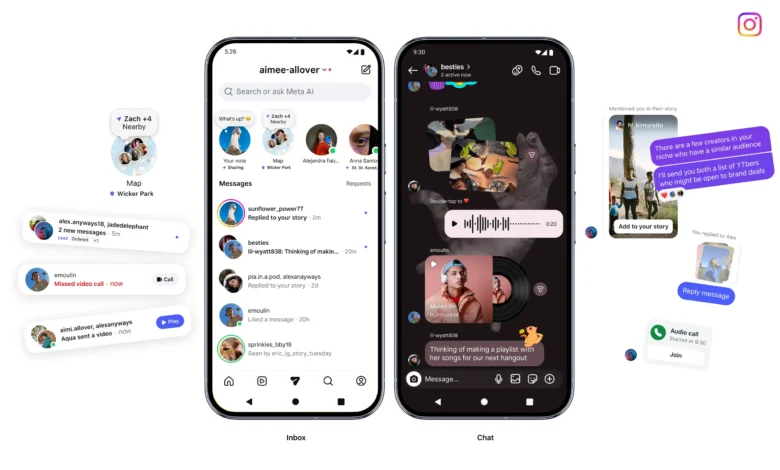
The landscape of mobile application development is undergoing a seismic shift, driven by the dual pressures of increasing architectural complexity and the rapid integration of artificial intelligence in coding workflows. In a landmark engineering initiative, Meta has successfully transitioned the Instagram Direct messaging service—a system handling billions of daily interactions—to Jetpack Compose, Android’s modern declarative UI toolkit. This migration represents more than a simple framework swap; it signals a fundamental change in how large-scale consumer applications are architected to be "AI-native," resulting in a 50% reduction in UI codebase size and significant gains in computational efficiency.
The undertaking was not merely an aesthetic or modernizing exercise. As Instagram’s legacy Android View system reached its limits in terms of maintainability and performance optimization, the team identified a critical bottleneck: the friction between imperative legacy code and the growing reliance on AI coding assistants. By partnering with Google, the engineers at Meta aimed to prove that declarative UI architectures are inherently better suited for AI-driven development, a hypothesis that yielded measurable results in both performance and developer productivity.
The Challenge of Scale and Legacy Debt
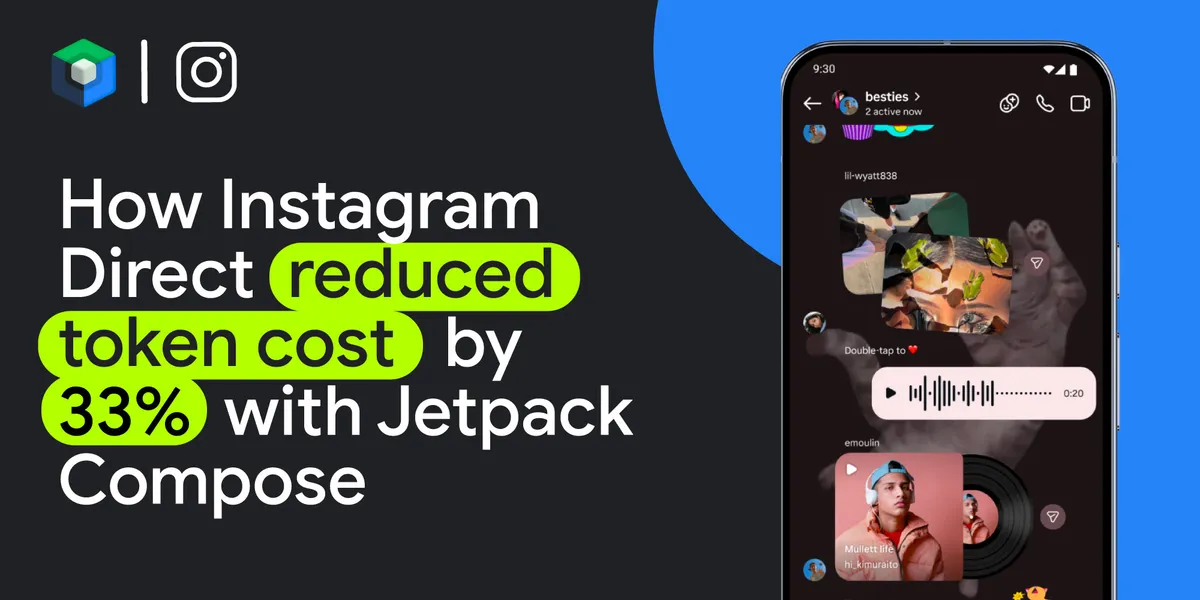
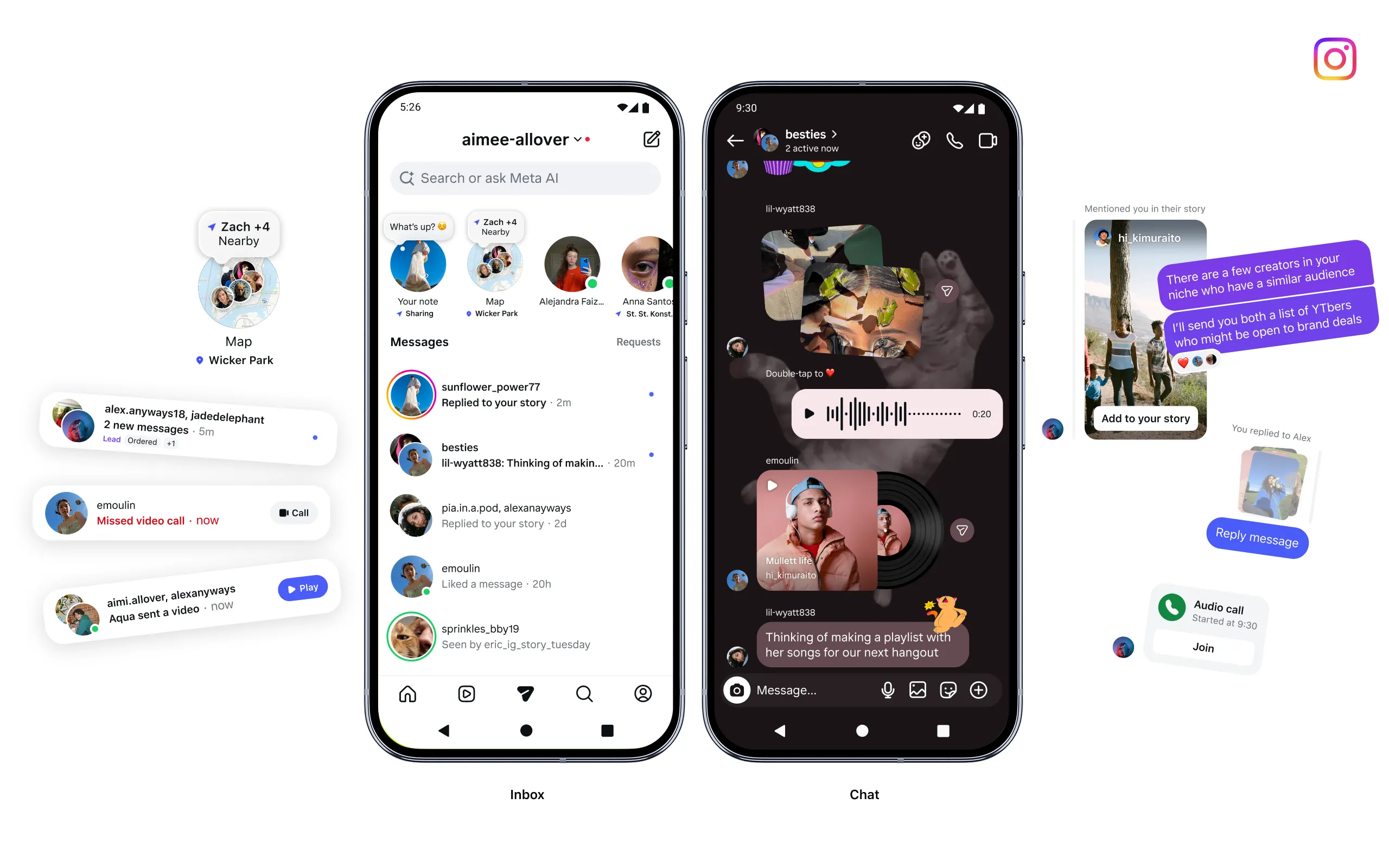
Instagram Direct serves as a cornerstone of the Instagram experience. However, the sheer scale of the feature set presents unique engineering challenges. A single conversation screen on the platform must manage over 200 distinct message types, with individual UI components capable of rendering in more than 160 different state permutations. For years, the team utilized the legacy Android View system, squeezing every possible micro-optimization out of the framework. Yet, this approach eventually created massive technical debt.
The primary issue with legacy, imperative UI code in the age of AI is predictability. AI coding assistants often struggle with the "path of least resistance." When tasked with modifying a massive, state-heavy codebase, AI models frequently generate code that creates subtle, hard-to-reproduce bugs, particularly when mixing legacy imperative paradigms with modern declarative logic. The Instagram team recognized that to truly leverage AI, the architecture itself needed to be redesigned to enforce clear boundaries and state management.
Establishing the AI-Native Architecture
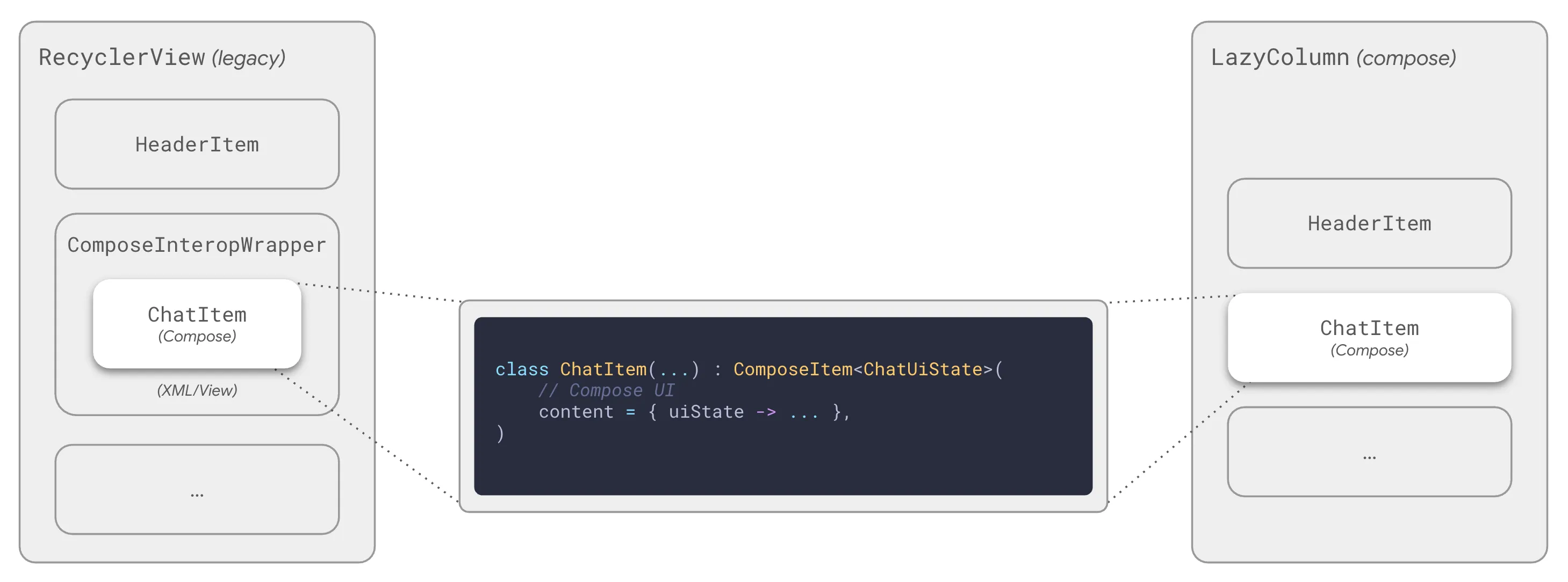
The transition to Jetpack Compose was executed in phases to ensure zero disruption to the hundreds of millions of users who rely on the platform daily. The team moved away from the common pattern of embedding Compose components inside existing View hierarchies—a practice that, while convenient for short-term migration, often leads to fragmented architectures and complex, bug-prone state management.
Instead, the team focused on building an AI-native UI architecture where Compose components are shielded from the underlying framework, allowing them to remain pure and predictable. This shift was governed by two primary rules: ensuring all Compose code is decoupled from class members or internal state, and treating the UI as a function of its state, provided exclusively via arguments.
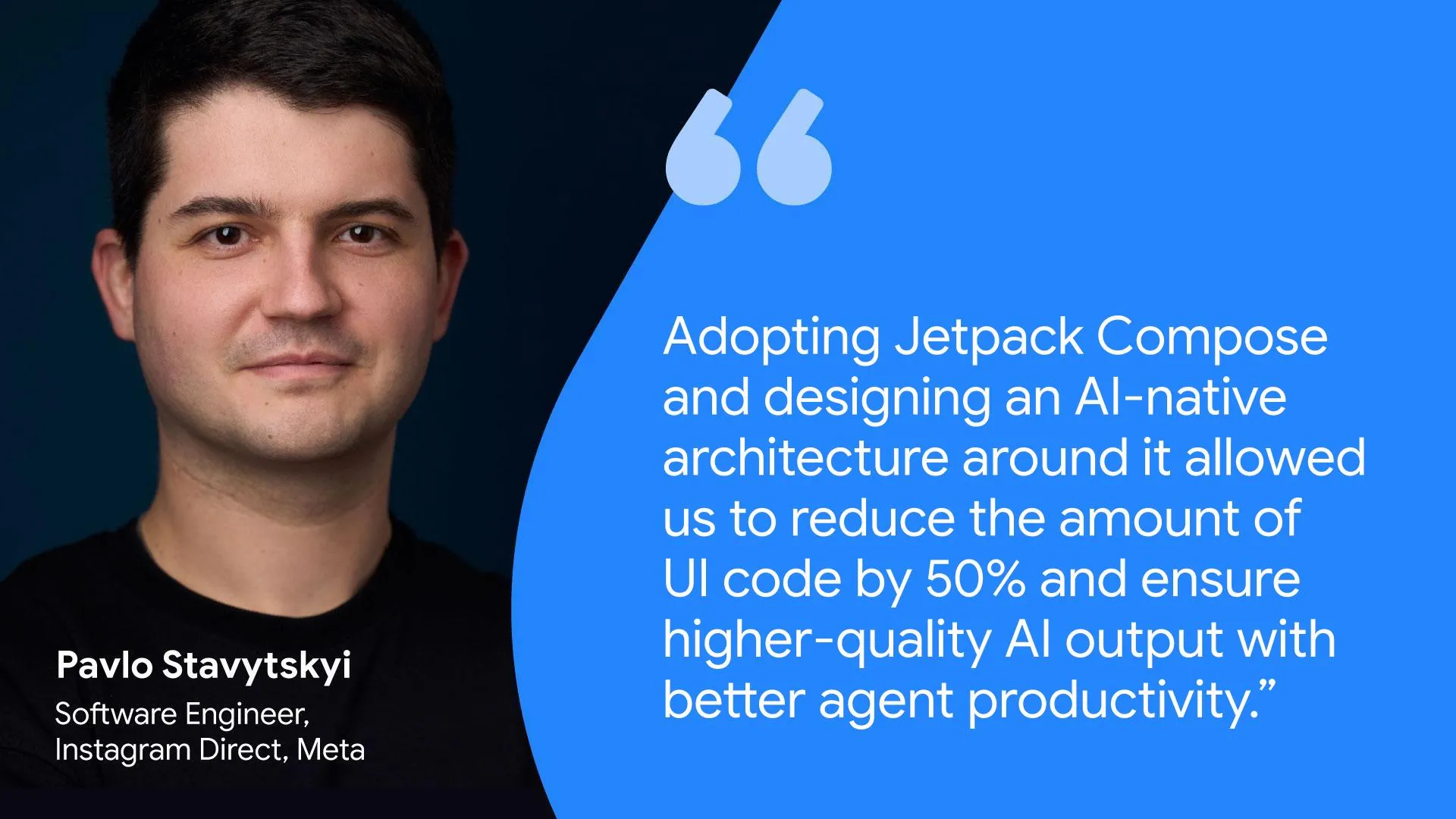
By restructuring the code in this manner, the team created a environment where AI agents could operate with higher precision. Because the AI is no longer required to navigate the complexities of class-level state, it can generate code that is cleaner, more modular, and less prone to side effects. This structural integrity is what allowed the team to achieve a 50% reduction in the total volume of UI code, directly impacting the quality of AI-generated output and lowering the computational cost per token during AI-assisted development.
Quantifiable Performance Gains
The collaboration between Meta and Google provided a unique opportunity to stress-test Jetpack Compose at an unprecedented scale. The teams focused on three core metrics: Large Frame Drops per minute (LFDs/m), composition time, and startup latency.
The data revealed that as codebases grow more complex—measured by a "risk score" that evaluates the likelihood of a change causing production incidents—AI efficiency tends to decline. In the legacy View system, a doubling of this risk score resulted in a 30% reduction in AI agent resource efficiency. Conversely, within the new Jetpack Compose architecture, the same increase in complexity saw only a 9% reduction in efficiency. This indicates that the declarative nature of Compose is significantly more resilient to the challenges of scaling large, complex UI systems.
Beyond AI efficiency, the actual performance of the application improved. Through the introduction of "Pausable Composition" in Compose 1.10 and the utilization of LazyLayoutCacheWindows in Compose 1.9, the team was able to mitigate scroll stutter, a common pain point in high-traffic, dynamic messaging interfaces. By pre-calculating and retaining off-screen items, the team reduced Large Frame Drops by approximately 13% compared to baseline Compose performance, effectively meeting and exceeding the high standards previously set by the legacy View-based system.
A Chronology of Collaboration
The migration process was not an overnight shift but a carefully orchestrated sequence of events.
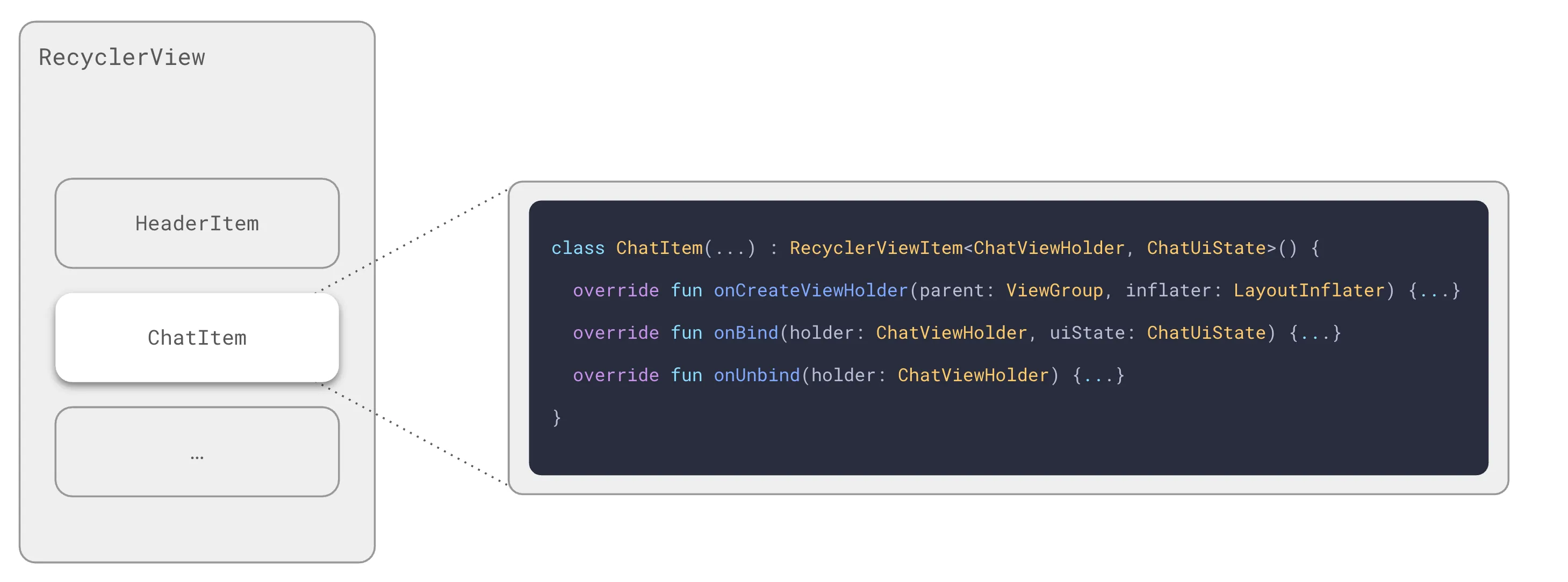
- Initial Phase: The team conducted a thorough analysis of legacy bottlenecks and established the "AI-native" design principles.
- Intermediate Phase: A massive, parallel migration took place. Hundreds of individual list items were moved to Compose, while simultaneously maintaining legacy counterparts to ensure consistent service availability.
- Architectural Shift: After the initial UI component migration, the team moved to replace the
RecyclerViewcore withLazyColumn. This allowed the platform to move toward a truly native Compose experience, enabling runtime A/B testing via feature flags to validate performance in production. - Optimization Phase: Working with Google, the teams implemented specific technical features—such as
LazyLayoutCacheWindowsand theonVisibilityChangedAPI—to address the specific needs of Instagram’s massive messaging surface.
Broader Implications for the Android Ecosystem
The impact of this collaboration extends well beyond the walls of Meta. By identifying the limitations of existing frameworks when subjected to AI-driven workflows, the Meta and Google partnership resulted in concrete contributions to the Jetpack Compose toolkit.
The onVisibilityChanged API, for instance, provides a standardized way for developers to track whether components are visible on screen—a capability that previously required developers to build custom, hand-rolled solutions. Similarly, the refinement of LazyLayoutCacheWindows provides the entire Android community with better tools to handle high-frequency, complex list items without sacrificing scroll performance.
Future Outlook and Conclusion
The success of the Instagram Direct migration provides a blueprint for large-scale application modernization. The move toward declarative UI is no longer just a trend for cleaner code; it is a strategic necessity for organizations looking to integrate AI into their development lifecycles. By prioritizing architectural simplicity, developers enable AI agents to function more effectively, leading to a virtuous cycle of faster development, higher quality code, and lower maintenance overhead.
As Instagram continues to bring Jetpack Compose to more surfaces across the application, the lessons learned from the Direct team’s journey will likely serve as a foundational guide for the broader Android developer community. The collaboration has proven that even the most complex legacy systems can be successfully transitioned to modern architectures, provided there is a rigorous commitment to performance, a willingness to adopt new paradigms, and a partnership model that prioritizes systemic improvements over short-term fixes.
The era of AI-native development is clearly taking shape. For developers and organizations looking to remain competitive, the integration of declarative UI frameworks and intelligent, AI-optimized architectures will be the defining characteristic of the next generation of mobile software engineering. The Instagram Direct case study stands as a definitive proof of concept that this shift is not only achievable but essential for the future of large-scale, high-performance mobile applications.
Related posts: