From Working Group to Architectural Standard: The Evolution of AI Conformance in Kubernetes

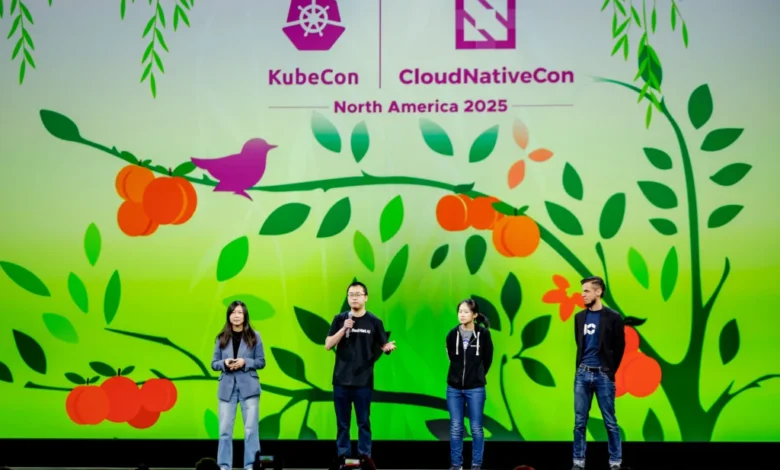
The cloud-native landscape is undergoing a profound paradigm shift as artificial intelligence and machine learning workloads transition from specialized, research-oriented environments into foundational enterprise infrastructure. Central to this monumental transition is the rapid maturation of Kubernetes as the universal control plane for modern computing. In an exclusive interview conducted by Frederico Muñoz of the SAS Institute and independent technologist Kirti Goyal, prominent Kubernetes maintainers Janet Kuo of Google and Yuan Tang of Red Hat detailed the intricate trajectory of the AI Conformance initiative. Originally launched as a dedicated community working group under the Cloud Native Computing Foundation (CNCF), the initiative has successfully evolved into a permanent subproject under SIG Architecture. This transition highlights a critical milestone: artificial intelligence is no longer treated as a peripheral application layer running on top of Kubernetes, but rather as a core structural workload category that demands rigorous architectural governance, long-term standardization, and cross-vendor interoperability.
The Chronology and Genesis of Ecosystem Standardization
The origins of the Kubernetes AI Conformance program trace back to a growing realization among core maintainers that the explosive demand for AI infrastructure threatened to fracture the ecosystem. As organizations raced to deploy distributed training frameworks, large-scale inference engines, and complex agentic AI systems, hardware vendors and cloud providers began constructing disparate infrastructure stacks. These proprietary implementations—particularly around specialized accelerators like GPUs, high-performance networking fabrics, complex scheduling algorithms, and inference orchestration layers—created severe portability challenges and heightened risks of vendor lock-in.
Recognizing the urgent need to preempt widespread fragmentation, Janet Kuo pitched the initial Kubernetes AI Conformance Proposal to CNCF leadership in late 2025. Following formal approval, Kuo partnered with community co-chairs Yuan Tang, Rita Zhang, and Mario Fahlandt to rally the broader open-source community. Concurrently, Yuan Tang was leading the Working Group for Serving (WG Serving) and spearheading initiatives such as the Gateway AI Inference Extension, which quickly gained momentum and amplified the community demand for standardized inference requirements.
The subsequent establishment of the Kubernetes AI Conformance Working Group served as a collaborative crucible. Bringing together diverse industry stakeholders, the working group’s primary mandate was to formulate a shared, community-defined baseline for AI workloads. By shifting the ecosystem away from fragmented, vendor-specific approaches, the working group established foundational requirements that ensure operational consistency across diverse execution environments, spanning public clouds, on-premises data centers, and edge architectures.
Rapid Adoption and Milestones at KubeCon
The acceleration of the AI Conformance program has been remarkably swift, defying traditional open-source adoption curves. At the KubeCon + CloudNativeCon North America 2025 event, the CNCF officially launched the Certified Kubernetes AI Conformance program to widespread industry curiosity. Initially, 18 foundational platforms achieved certification, demonstrating early backing from prominent cloud providers, hardware manufacturers, and enterprise software vendors, including Akamai, Alibaba Cloud, AWS, Broadcom, CoreWeave, DaoCloud, Google Cloud, Kubermatic, Microsoft Azure, NVIDIA, Oracle, Red Hat, SAP, and SUSE.
Just months later, at the KubeCon + CloudNativeCon Europe 2026 conference, keynote updates revealed that the roster of certified platforms had surged to 31. This dramatic expansion in such a short window serves as a quantitative indicator of the immense market appetite for a unified, vendor-neutral standard. Platform operators and enterprise developers increasingly demand assurance that their AI applications can be ported seamlessly across compliant Kubernetes distributions without requiring deep rewrites or becoming tethered to single-vendor ecosystems.
Transitioning from Working Group to SIG Architecture Subproject
Within the governance model of the Kubernetes project, working groups are inherently temporary structures designed to tackle specific, time-bound outcomes. Having successfully published the initial conformance requirements, established the certification workflow, and fostered industry-wide consensus, the AI Conformance Working Group officially archived its status. In a move that signals the permanence of artificial intelligence within the cloud-native ecosystem, the initiative transitioned into a permanent subproject under SIG Architecture.
This structural relocation to SIG Architecture is deeply symbolic and practically necessary. SIG Architecture holds ultimate responsibility for overall Kubernetes conformance, API design principles, and cross-cutting architectural integrity. Housing the AI Conformance subproject within this group ensures that AI-specific infrastructure standards remain rigorously aligned with the broader Kubernetes codebase for the long term.
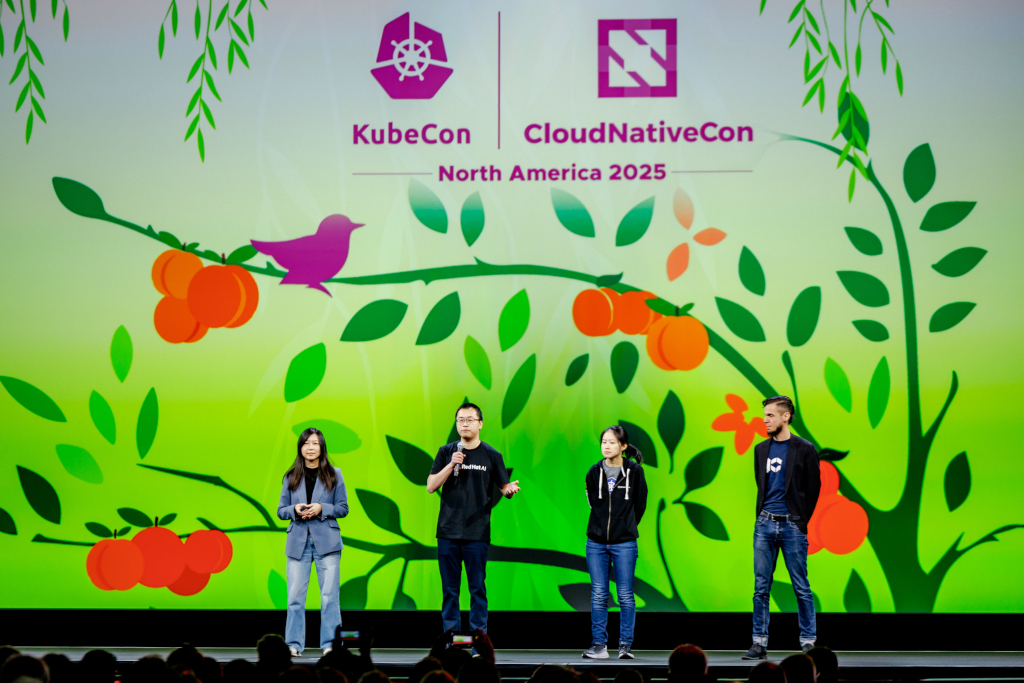
According to Kuo and Tang, the primary mandate of the newly minted subproject is to maintain current, vendor-neutral, and standard-setting requirements that capture cutting-edge advancements in AI infrastructure. Furthermore, when the subproject identifies operational gaps where no clear community pattern exists, it actively fosters and incubates new standards to resolve them.
Bridging the Velocity Gap: Stability Versus Rapid Innovation
One of the most complex challenges facing the Kubernetes architecture team is reconciling the blistering pace of AI hardware and software innovation with the notoriously deliberate, stable release cadence of Kubernetes APIs. While artificial intelligence models, frameworks, and accelerator libraries evolve on a weekly basis, enterprise-grade container orchestration platforms demand years of backward compatibility and rigid stability.
To navigate this delicate tension, the AI Conformance subproject engineered a strategic two-tiered graduation model. When emerging AI infrastructure concepts first materialize, they are introduced into the conformance framework as recommended "SHOULD" requirements. This tiered approach grants the ecosystem valuable room to experiment, test real-world scenarios, and reach consensus on best practices without prematurely locking the Kubernetes project into rigid, potentially flawed APIs. Once these underlying patterns mature and achieve widespread ecosystem adoption, they graduate to mandatory "MUST" requirements.
Simultaneously, the conformance program maintains a strict focus on the foundational infrastructure layer rather than attempting to govern fast-moving, high-level AI frameworks or model servers. By leveraging mechanisms such as Dynamic Resource Allocation (DRA)—which evolved significantly through the work of WG Device Management—the conformance framework tests for core capabilities like accelerator support at the platform layer. This architectural boundary ensures the base platform remains stable and reliable, while allowing application-layer AI tooling to iterate at maximum velocity.
Broader Implications for Enterprise IT and Cloud-Native Strategies
The institutionalization of AI Conformance within Kubernetes carries far-reaching implications for enterprise IT strategy, procurement policies, and multi-cloud architecture design. As artificial intelligence solidifies its position as a core workload category, enterprise architects are re-evaluating their infrastructure investments to prioritize portability and risk mitigation.
By establishing rigorous, vendor-neutral benchmarks, the Certified Kubernetes AI Conformance program directly mitigates the risks of proprietary lock-in. Organizations can now design complex, GPU-intensive pipelines, large-scale distributed training clusters, and low-latency inference services with the confidence that their underlying orchestration layer adheres to universally recognized specifications. This interoperability reduces operational friction, lowers the total cost of ownership for AI infrastructure, and empowers enterprises to shift workloads dynamically between on-premises private clouds and multiple public cloud providers based on cost, capacity, or compliance requirements.
Furthermore, the integration of AI requirements into the core architectural roadmap of Kubernetes signals a mature alignment between hardware manufacturers and software maintainers. As specialized accelerators, high-speed interconnects, and workload-aware schedulers become standard components of the modern data center, Kubernetes is cementing its role as the definitive operating system of the cloud-native era.
Future Outlook and Community Engagement
As the AI Conformance subproject looks toward its next phase of development, maintainers Janet Kuo and Yuan Tang emphasize that community involvement remains vital to its ongoing success. The initiative actively invites platform vendors seeking official certification to engage with the compliance documentation maintained in the cncf/k8s-ai-conformance repository. Simultaneously, software developers, systems engineers, and infrastructure architects interested in shaping the future of cloud-native AI are encouraged to participate in SIG Architecture meetings and contribute to the expanding automated Go test suites hosted within the kubernetes-sigs/ai-conformance repository.
Through open collaboration, rigorous architectural oversight, and a steadfast commitment to vendor neutrality, the Kubernetes community is successfully guiding the cloud-native ecosystem through one of its most transformative eras, ensuring that the platform remains resilient, extensible, and universally applicable for the next decade of computing workloads.