Enterprise AI transformation relies on the end-to-end platform: Azure was built for this moment

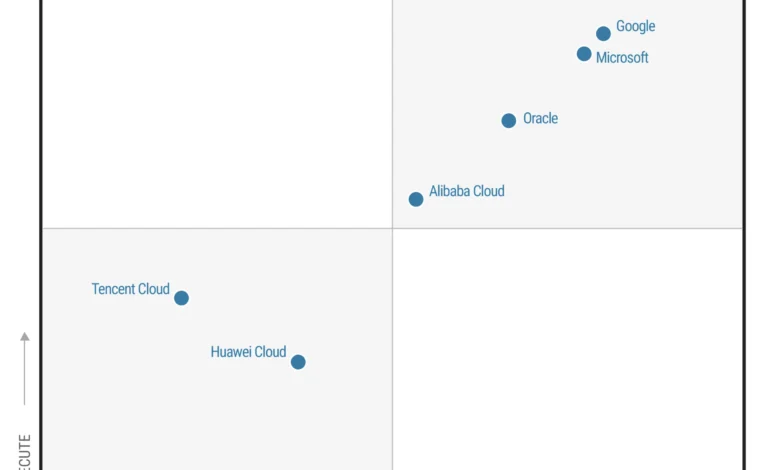
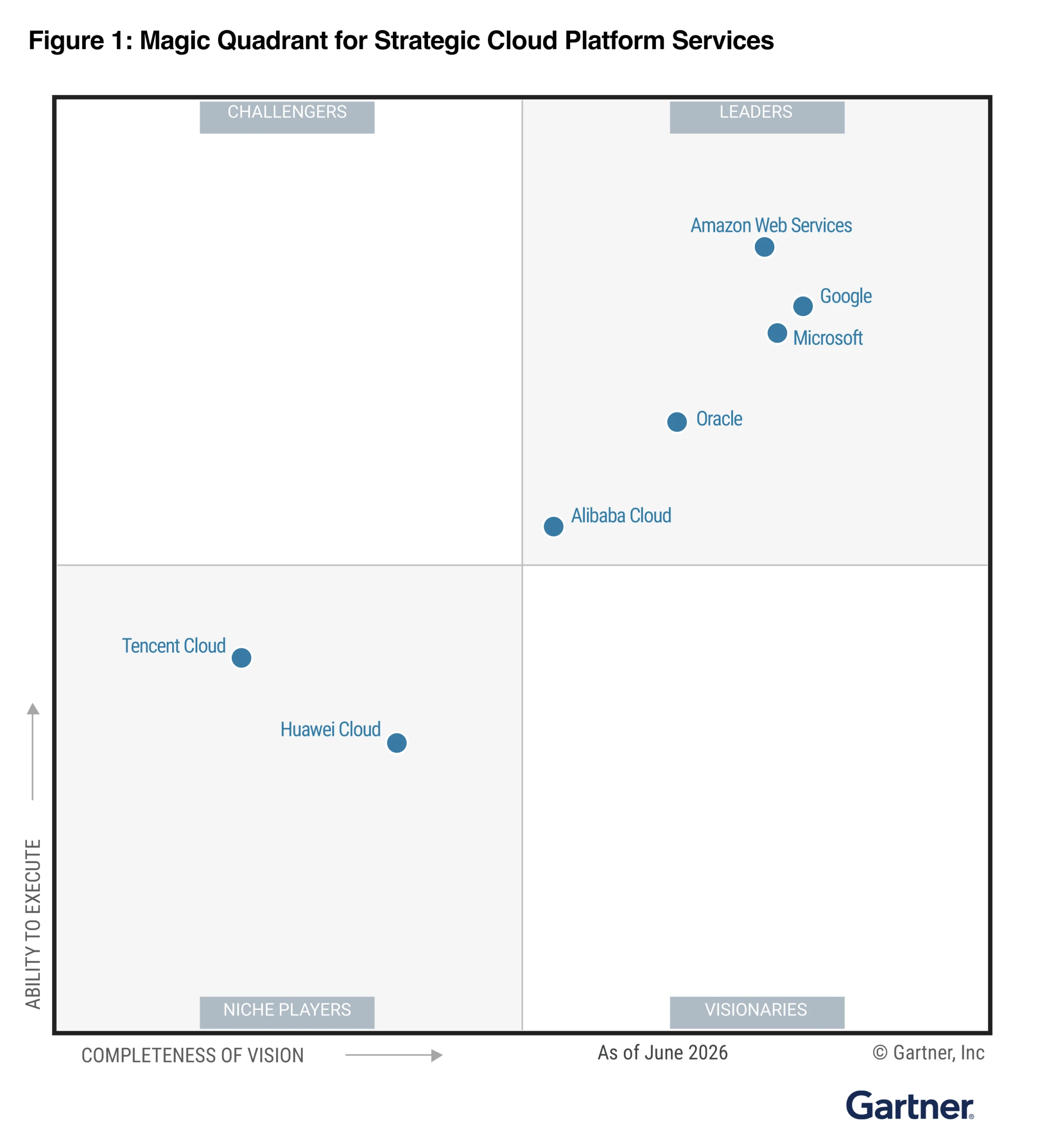
The transition of artificial intelligence from experimental pilot projects to mission-critical production environments has redefined the requirements for modern cloud service providers. As enterprises move beyond the initial excitement of generative AI, the focus has shifted toward building cohesive systems that unify infrastructure, data, and application logic. In this shifting landscape, Microsoft Azure has secured top-tier recognition in the 2026 Gartner Magic Quadrant for Strategic Cloud Platform Services and The Forrester Wave: Public Cloud Platforms, Q3 2026, marking a significant milestone in the company’s multi-year strategy to provide a vertically integrated ecosystem for the enterprise.
This dual recognition serves as an industry validation of the “system-first” philosophy Microsoft has adopted. By aligning silicon-level infrastructure with high-level agentic applications, Microsoft is positioning itself as the primary operating system for the next generation of business computing.
A Chronology of Strategic Integration
The path to this leadership position was not incidental but the result of a deliberate, multi-year evolution in product strategy. Following its initial breakthroughs in 2023, Microsoft’s cloud strategy shifted from providing raw compute power to building an end-to-end AI lifecycle.
In 2023, the focus was largely on establishing foundational access to Large Language Models (LLMs) via the Azure OpenAI Service. By 2024, the priority evolved to address the "data gravity" problem, with the integration of Microsoft Fabric—a unified analytics platform designed to break down silos between operational data and AI training sets. In 2025, the company turned its attention to the “agentic” revolution, introducing specialized tools that allowed AI models to perform tasks autonomously within secure enterprise environments. By 2026, the focus reached its current state: the optimization of the entire stack—from custom silicon and high-performance networking to the governance and security frameworks required to manage AI in production.
This progression underscores a shift in industry expectations. Customers no longer seek just a provider for GPUs or storage; they require a comprehensive architecture where the security, identity, and governance protocols are consistent across heterogeneous compute environments, whether they reside in the cloud, on-premises, or at the edge.
The Multi-Model Reality and Economic Efficiency
One of the most significant challenges facing enterprise leaders in 2026 is the "multi-model" requirement. While frontier models offer unmatched reasoning capabilities, they are not always the most efficient or cost-effective choice for every specific business function. Organizations are increasingly adopting a tiered model strategy, utilizing large-scale frontier models for complex analytical tasks while deploying smaller, specialized, and open-weight models for routine operations to optimize costs and latency.
Microsoft has addressed this through the expansion of Microsoft Foundry. This platform provides the necessary orchestration layer to allow developers to experiment with, evaluate, and secure a wide range of models without the complexity of managing disparate infrastructure stacks. By reducing the "seams" between these layers, Microsoft enables teams to switch models based on performance requirements without having to rebuild their underlying data pipelines or security policies.
Data Gravity and the Enterprise Intelligence Layer
The adage "models come and go; data has gravity" has become a central tenet for enterprise architects. For AI to provide sustained business value, it must have access to the deep, historical context of an organization. Microsoft has leaned into this reality by positioning Microsoft Fabric and Microsoft Purview as the bedrock of its AI ecosystem.
By unifying data analytics with enterprise-grade governance, organizations can ensure that their AI models are not operating in a vacuum. The inclusion of Microsoft IQ—a unified intelligence layer—acts as the connective tissue, allowing AI agents to understand the nuances of organizational knowledge, internal communications, and proprietary workflows.
The practical application of this architecture is evidenced by early adopters in highly regulated sectors. For instance, institutions like UNC Health have utilized these foundations to modernize their data environments. By creating a governed data structure, they can now deploy AI for clinical operations and research with a high degree of confidence, meeting strict regulatory standards while simultaneously accelerating the pace of innovation.
Modernization as a Catalyst for AI Adoption
A critical component of Microsoft’s current market strategy is the integration of AI with legacy modernization. Rather than treating AI as a separate, parallel project, Microsoft advocates for "agentic modernization." This approach involves using AI to assist in the transformation of legacy applications, allowing organizations to maintain the business logic they have refined over decades while transitioning to cloud-native architectures.
Industry data suggests that the biggest barrier to AI adoption is not the lack of models, but the difficulty of connecting those models to existing business systems. By integrating GitHub Copilot and agentic workflows into the software development lifecycle, Microsoft is allowing developers to automate code refactoring, testing, and migration. This pragmatic approach is credited by analysts as a primary differentiator for the company, as it provides a clear, actionable path for heritage companies to bridge the gap between their legacy infrastructure and future AI capabilities. Levi Strauss & Co. stands as a notable example, having leveraged this integrated approach to modernize its core systems on Azure while simultaneously deploying AI agents to drive internal decision-making.
Analysis: Implications for the Cloud Market
The recognition from Gartner and Forrester highlights a fundamental shift in how cloud platforms are being evaluated. In previous years, competitive analysis focused on raw capacity, global availability, and cost-per-compute-hour. Today, the criteria have pivoted toward the ability of a platform to reduce technical debt and manage complexity.
For enterprise decision-makers, the implications are twofold. First, the platform is now viewed as an integrated system rather than a collection of disparate services. This favors vendors that can offer end-to-end control, from the underlying chip architecture to the end-user application. Second, the ability to manage risk—specifically regarding security, compliance, and cost—is now just as critical as raw performance.
Analysts have noted that Microsoft’s consistent focus on "enterprise readiness" has allowed it to maintain its lead even as specialized AI competitors emerge. By prioritizing a vertically integrated stack, Microsoft has effectively made it more difficult for customers to migrate away from its ecosystem, as the value proposition of the integrated system is higher than the sum of its individual parts.
Official Responses and Future Outlook
While Microsoft executives have expressed satisfaction with these industry benchmarks, the company has maintained that the ultimate metric of success remains the tangible impact on customer outcomes. The company’s focus for the remainder of 2026 and into 2027 remains on scaling these systems to handle increasingly complex, autonomous workloads.
"What matters more than rankings is that customers are shaping their infrastructure for the next decade," a spokesperson noted. The goal, according to Microsoft, is to ensure that the infrastructure remains flexible enough to accommodate future breakthroughs in AI while remaining stable and reliable enough to support the world’s most mission-critical business processes.
As the industry moves toward a future defined by autonomous agents and decentralized intelligence, the competition among public cloud providers is expected to intensify. However, the current consensus among leading analysts is that the winners of this cycle will be those that can successfully lower the barrier to entry for AI while maintaining the rigorous governance and security standards that the enterprise market demands. By positioning Azure as the primary vehicle for this transition, Microsoft has set a high bar for the remainder of the cloud sector.
Related posts: