Desktop Wallpaper Calendars: A Global Artistic Collaborative Celebrating the Arrival of September

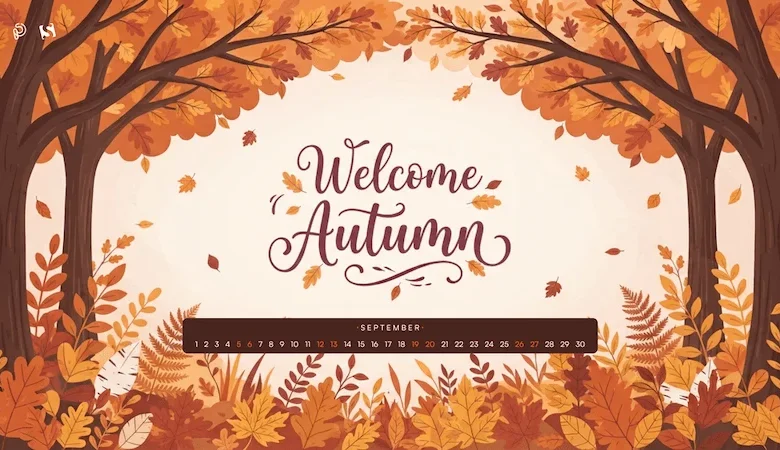
For more than 15 years, the digital design community has observed a consistent monthly ritual: the release of curated, artist-contributed desktop wallpapers that mark the transition between seasons. This September, the project continues its legacy, offering a bridge between the waning warmth of summer and the cooling, crisp arrival of autumn. This initiative, hosted by Smashing Magazine, serves as a unique global platform where professional designers, illustrators, and hobbyists from countries ranging from Serbia and Spain to India and Mexico contribute original artwork, free of commercial client constraints.
Historical Context and Evolution of the Project
The tradition began over a decade and a half ago, born from a desire to foster creative expression in an industry often dominated by rigid project briefs and strict stakeholder requirements. By removing the limitations of client-led design, the project encourages participants to explore aesthetic concepts, personal narratives, and regional interpretations of the calendar cycle.
Over the years, the scope of this project has expanded significantly. What began as a modest collection of basic digital images has evolved into a sophisticated gallery of high-resolution graphic design, reflecting global design trends, local cultural nuances, and the varying perspectives of artists living through the same solar cycle in vastly different hemispheres and climates. The project acts as a longitudinal record of creative trends in desktop personalization, tracking how UI/UX professionals and graphic designers have shifted their visual language from the skeumorphic designs of the late 2000s to the minimalist and illustrative styles prevalent in the mid-2020s.
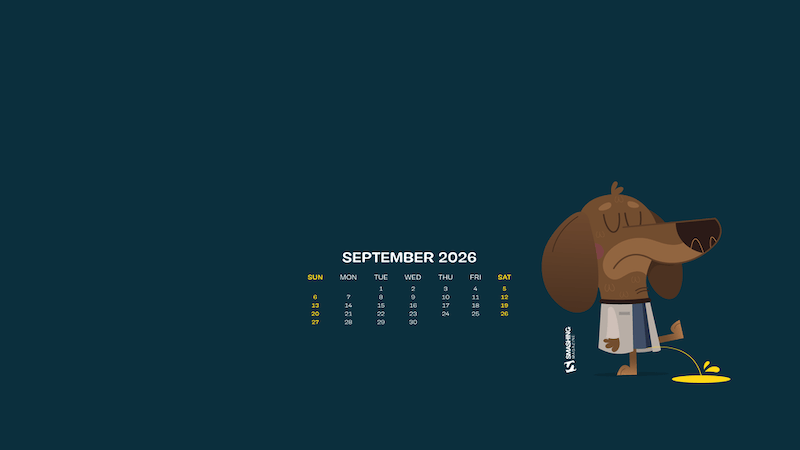
Themes of the September 2026 Collection
The current collection highlights the inherent tension of the month of September—a period defined by the psychological shift from vacation-oriented leisure to the structural demands of the "new year" in educational and corporate settings.
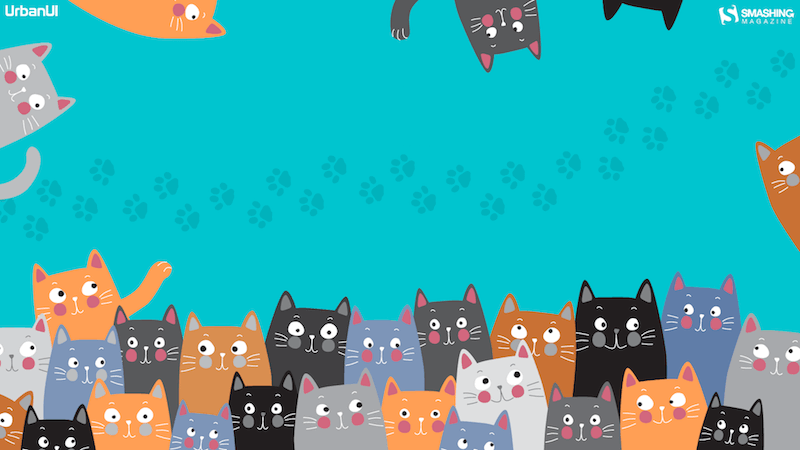
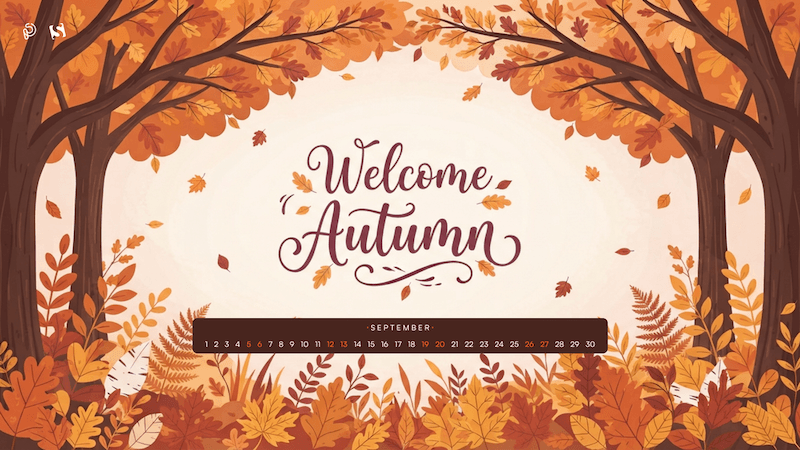
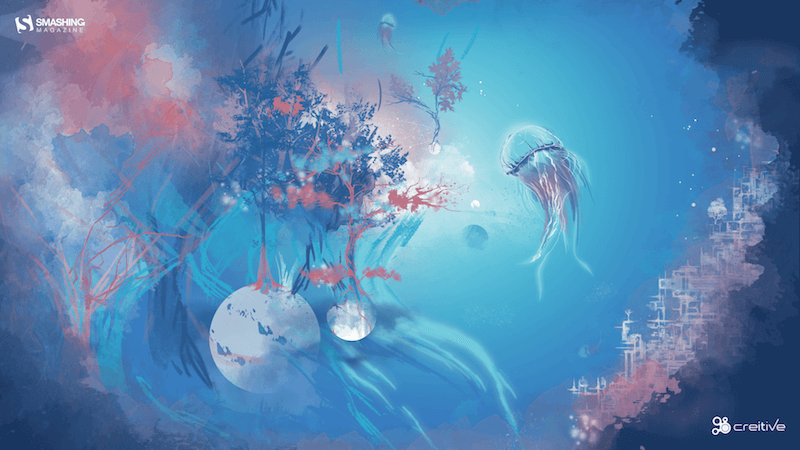
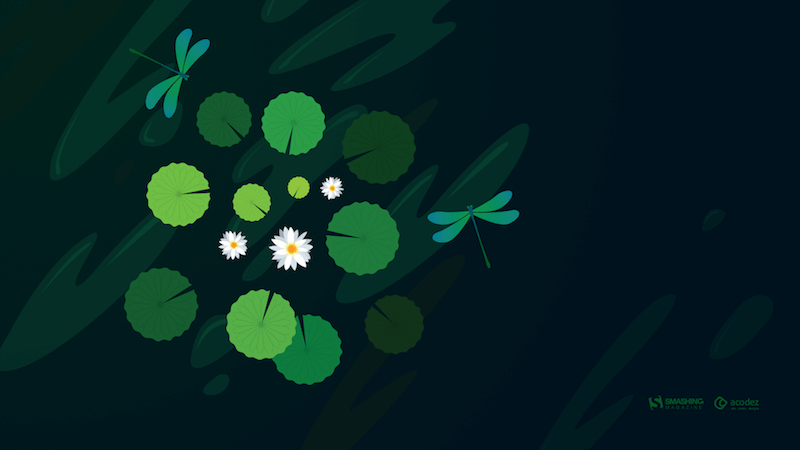
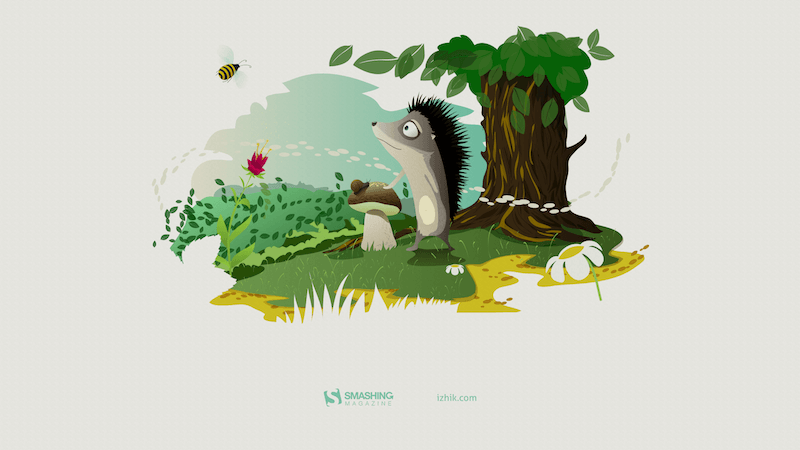
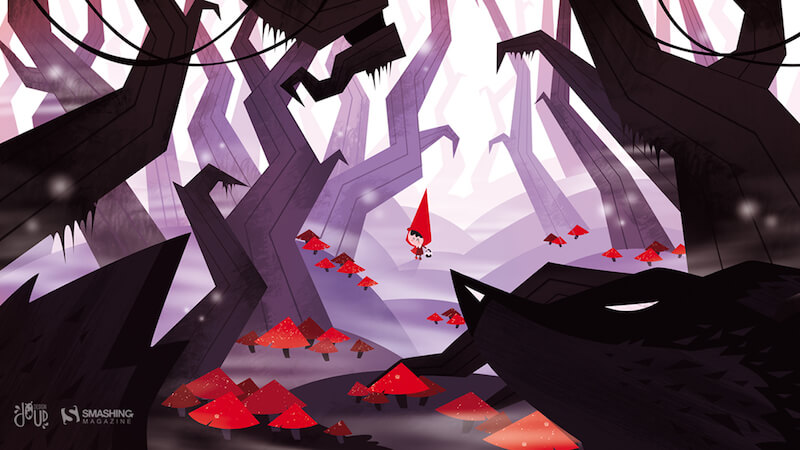
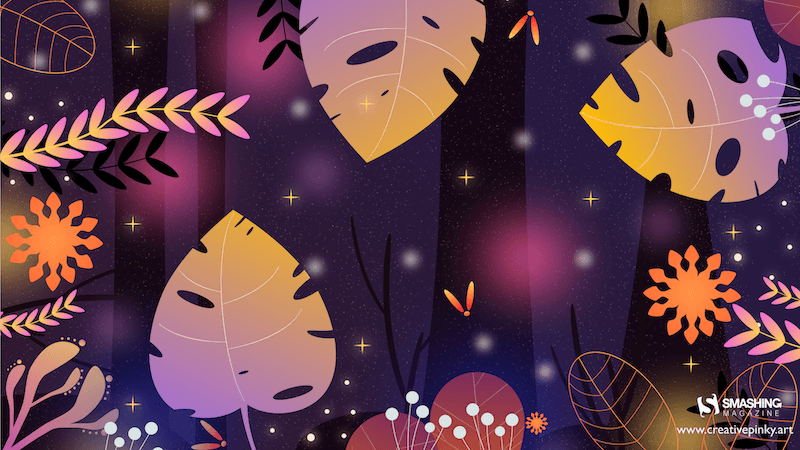
The submissions for September 2026 demonstrate a heavy focus on the natural transition of the season. Designers such as those at Popart Studio in Serbia have utilized the metaphor of the woodland canopy and the "crisp, golden shift in the air" to define the workspace. Other contributors have leaned into the melancholy of the passing season, with artists like Ana Masnikosa and the team at Bootstrap Dashboards exploring the imagery of creatures retreating for winter and the fading memories of summer vacations.
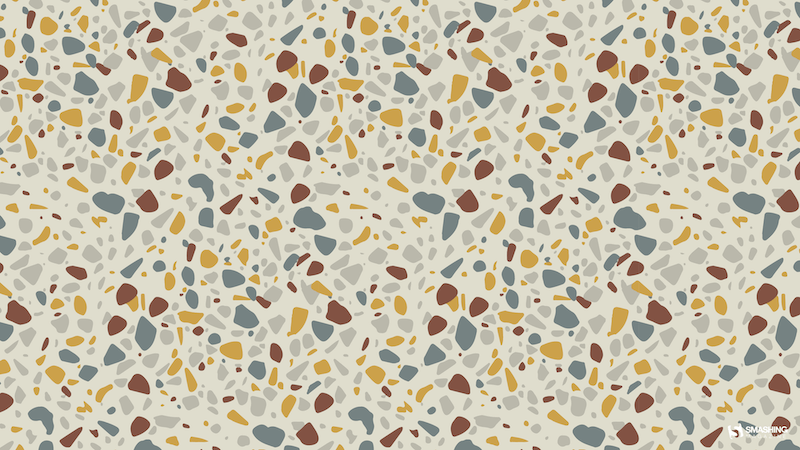
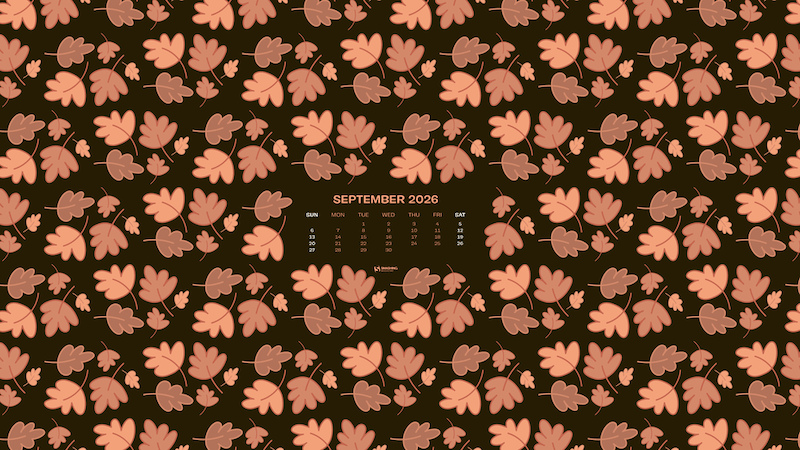
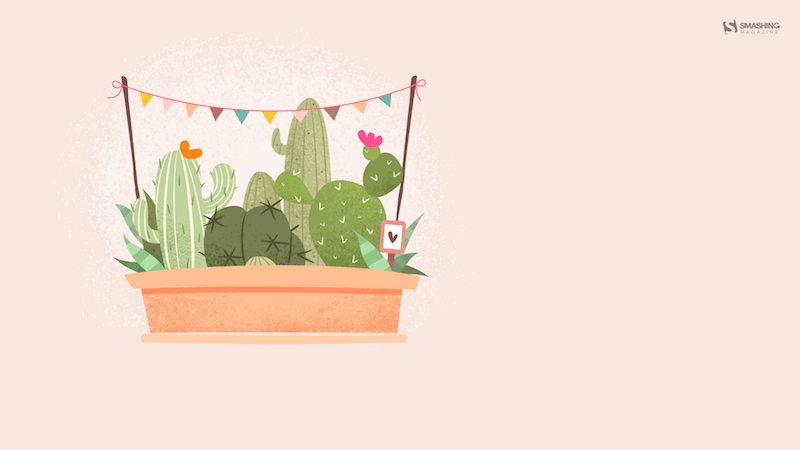
Conversely, some contributors have chosen to defy the seasonal transition. Designers like Livia Lénárt from Hungary and Ricardo Gimenes from Spain have utilized motifs such as cacti and abstract geometric patterns to maintain a sense of summer vibrancy, effectively challenging the common trope that September must inherently signal a shift toward muted, autumnal color palettes.
Data and Geographic Diversity
The impact of this project is measured not only by the sheer volume of downloads—which reach into the tens of thousands monthly—but by the geographical diversity of the contributors. The September 2026 cohort includes participants from:
- Europe: Serbia, Spain, Belgium, the Netherlands, Romania, Bulgaria, and the United Kingdom.
- North America: Canada, the United States, and Mexico.
- Asia: India.
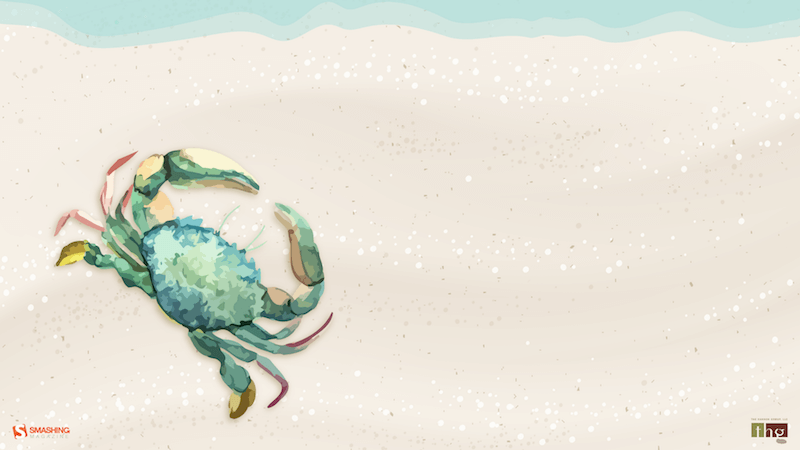
This geographic spread is critical to the project’s success, as it provides a multifaceted view of what "September" signifies. For a designer in Mexico, September is a time of patriotic celebration, as reflected in Maria Keller’s "Lucha Libre" illustration, which commemorates Mexican Independence Day. In contrast, for a designer in Maryland, USA, the month marks the end of the blue crab season—a vital economic and cultural touchstone for the region. These localized inputs provide users with a globalized desktop experience that transcends regional boundaries.
Analysis: The Role of Digital Art in Workspace Productivity
The implications of the desktop wallpaper project extend beyond simple aesthetics. In an era of increasing remote work and digital fatigue, the personalization of the workspace has been identified by workplace psychologists as a potential contributor to employee well-being. By allowing users to curate their digital environment with high-quality, community-sourced art, the project enables a form of "psychological ownership" over the workspace.

Furthermore, the "open-submission" model employed by the organizers acts as a decentralized talent incubator. Many designers who have been featured in these collections have leveraged the visibility to advance their careers, transitioning from community participants to established agency professionals. The project provides a rare, objective-free space where designers can experiment with new techniques—such as vector illustration, digital painting, or abstract composition—without the fear of failure that often accompanies commercial work.
Technical Specifications and Accessibility
In alignment with its mission to support the design community, all contributions are provided free of charge and in a wide variety of resolutions. This commitment to accessibility ensures that the art is compatible with everything from high-density 4K desktop monitors to mobile device screens. The technical rigor required by the organizers ensures that each submission meets professional quality standards, maintaining the prestige associated with the feature.

The submission process is straightforward but strictly monitored. Interested contributors are invited to join the project through an established portal, where their work undergoes a vetting process to ensure compatibility and aesthetic coherence. The timeline is fixed, with the publication of each month’s collection occurring on the final days of the preceding month, creating a predictable rhythm that users and contributors have come to rely on.
Thematic Chronology of the September Collection
The 2026 collection follows a thematic progression that mirrors the progression of the month itself:
- Early September: Focus on the lingering remnants of summer, represented by "Long Live Summer" and "Still In Vacation Mood," which capture the desire to extend the leisure of the preceding months.
- Mid-September: The onset of structural changes, represented by "National Video Games Day Delight" and educational motifs, acknowledging the return to school and increased social activity.
- Late September: The final surrender to autumn, characterized by "Welcome Autumn," "Autumn Rains," and the "Cozy Evening" designs, which embrace the shift toward indoor, reflective environments.
Future Outlook and Opportunities for Participation
As the project moves into the final quarter of the year, the focus will shift toward the themes of October, which typically involve harvest motifs, Halloween-adjacent aesthetics, and the deepening of the autumn season. The ongoing success of the platform suggests that the demand for human-centric, community-driven digital art is growing.

The organizers have confirmed that the call for submissions for the October cycle remains open, with a firm deadline of September 30. For emerging artists, this represents a significant opportunity for exposure within a global network of design professionals. The project continues to invite submissions that are "created with love by the community for the community," reinforcing the idea that even in a digital-first world, the value of shared artistic endeavor remains high.
Conclusion
The monthly wallpaper series serves as more than a simple collection of background images; it is a testament to the power of community-led design and a vital documentation of global cultural perspectives. By providing a platform for artists to communicate their experiences of the changing seasons, the initiative has secured its place as a staple of the design community. Whether it is the vibrant colors of a Mexican holiday or the quiet, misty mornings of a Serbian village, these desktop wallpapers offer a brief, meaningful pause in the daily routine of digital life, reminding users of the beauty inherent in the passage of time. As the digital landscape continues to evolve, the importance of such human-focused, non-commercial projects is likely to remain paramount, serving as a reminder that even in the most technical of environments, there is always room for art.
Related posts: