Microsoft Azure Secures Industry Leadership in 2026 Cloud Platform Assessments as Enterprise AI Adoption Reaches Inflection Point

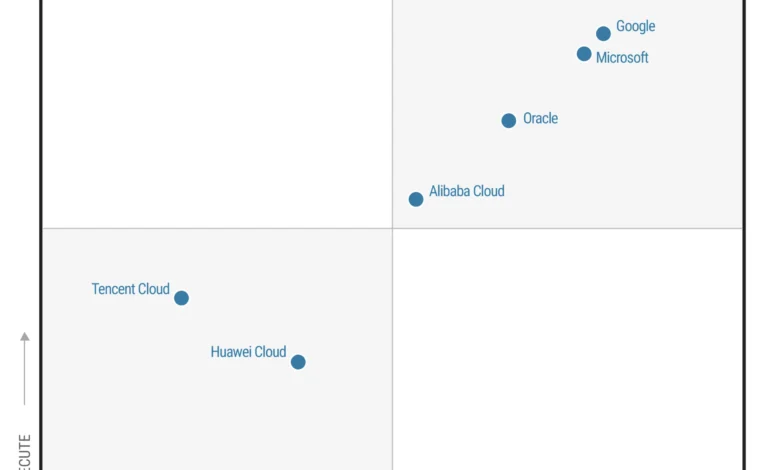
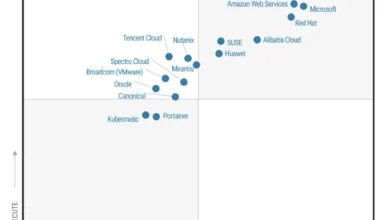
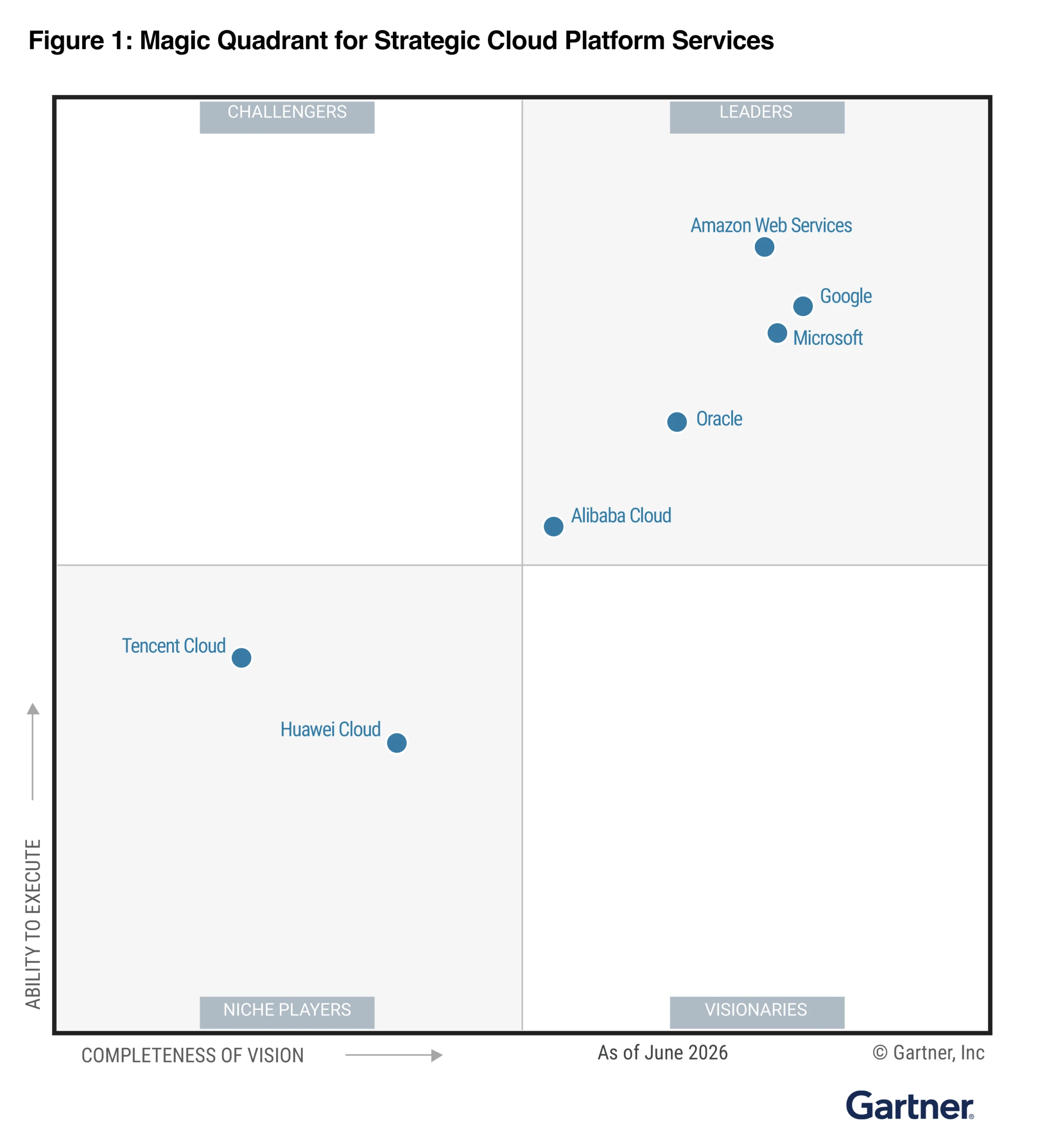
The global landscape of enterprise cloud computing has reached a critical juncture in 2026, as organizations transition from experimental, isolated AI projects to large-scale production deployments. This pivot has solidified Microsoft Azure’s position as a dominant force in the industry, underscored by recent, high-profile recognition from leading research firms. Microsoft has been named a Leader in both the 2026 Gartner Magic Quadrant for Strategic Cloud Platform Services and The Forrester Wave: Public Cloud Platforms, Q3 2026. These accolades arrive at a moment when the demand for integrated, resilient, and multi-model AI environments is at an all-time high, signaling that the next era of cloud infrastructure will be defined by unified system-level capabilities rather than individual service features.
A Chronology of Market Evolution and Platform Maturity
The journey toward this current industry milestone began in earnest during the 2023–2024 period, when generative AI first demonstrated its potential to disrupt legacy business operations. Throughout 2023, Microsoft began a strategic realignment of its Azure platform, focusing on the integration of its proprietary AI infrastructure with existing enterprise software ecosystems. By 2024, the focus shifted from simple model access to the orchestration of complex AI agents.
The 2025 fiscal year marked a significant increase in enterprise investment, with cloud providers racing to offer "model-agnostic" platforms. Microsoft’s consistent placement as a Leader in the Gartner Magic Quadrant—a streak continuing from 2023 through the present 2026 report—suggests that this long-term strategy of vertical integration has provided the company with a structural advantage. While competitors initially focused on compute capacity or specific model partnerships, Microsoft’s roadmap prioritized the "silicon-to-agent" stack, ensuring that security, identity, and governance protocols were baked into the foundational layers of the cloud environment.
The Shift Toward Multi-Model Production Environments
As AI adoption matures, enterprises are increasingly moving away from a "one-size-fits-all" model approach. Modern organizations are now utilizing a heterogeneous mix of frontier models—leveraging massive parameter counts for complex reasoning—alongside smaller, specialized, and open-weight models designed for cost-efficiency and localized control. This multi-model architecture requires a cloud platform that can support diverse compute needs without increasing operational overhead.
Industry analysts emphasize that the value proposition of a cloud provider is no longer measured by the raw capability of a single model, but by the efficiency of the "system" surrounding it. Microsoft’s approach, anchored by Microsoft Foundry, aims to reduce the "seams" between these disparate layers. By providing a unified interface for evaluating, securing, and deploying models, Microsoft is effectively lowering the barrier to entry for enterprises attempting to manage complex, multi-model production environments. This integration allows IT teams to switch between models based on workload requirements without needing to re-engineer their entire data pipeline or security infrastructure.
Data Gravity and the Unified Intelligence Layer
A central challenge for enterprises deploying AI at scale is the concept of "data gravity." As noted in the 2026 Forrester report, while AI models may be transient and subject to rapid innovation, data is persistent and anchored to the business. Moving massive datasets between cloud environments to accommodate different AI services introduces latency, security risks, and significant financial costs.
To address this, Microsoft has leveraged its data estate, specifically through the integration of Microsoft Fabric and Microsoft Purview. By centralizing analytics and enforcing consistent governance, Microsoft allows AI agents to interact with live, operational data within existing databases such as Azure SQL and Cosmos DB. The introduction of Microsoft IQ as a unified enterprise intelligence layer provides a necessary "context engine" for these agents. By providing consistent business context—understanding the nuances of internal documentation, proprietary processes, and organizational knowledge—Microsoft ensures that agents act with the reliability required for mission-critical business decisions.
Real-World Implementation and Modernization Catalysts
The integration of AI into legacy environments remains the most significant hurdle for established firms. Many corporations are burdened by decades of accumulated technical debt, proprietary business logic, and complex, siloed data. The industry consensus in 2026 is that modernization is not a preliminary step to AI adoption, but rather an inseparable component of the AI transformation itself.
The case of Levi Strauss & Co. serves as a primary example of this integrated methodology. By utilizing Azure Migrate to modernize its legacy infrastructure, the company established a stable, resilient foundation that could then support the deployment of agentic AI via Microsoft Foundry. This approach allowed the company to preserve its existing business logic while layering on the decision-making capabilities of generative AI.
Similarly, the healthcare sector, exemplified by UNC Health, demonstrates the importance of a governed data foundation. In highly regulated industries, the ability to maintain compliance while running AI models across patient care and research data is paramount. The use of Microsoft Fabric allows such institutions to maintain regulatory rigor while scaling AI applications, highlighting a trend where "responsible AI" is becoming a primary market differentiator for cloud providers.
Fact-Based Implications of the 2026 Rankings
The recognition from Gartner and Forrester serves as more than just a marketing validation for Microsoft; it provides a benchmark for the enterprise software industry. Several key implications emerge from these reports:
- Vertical Integration as a Standard: The era of fragmented, "best-of-breed" point solutions is giving way to vertically integrated platforms. Customers are prioritizing providers who can manage the full lifecycle of an application, from the silicon layer up to the user-facing agent.
- The Decline of "Black Box" Migrations: Enterprises are increasingly avoiding "lift and shift" strategies that do not account for AI readiness. The demand is now for platforms that offer built-in modernization tools, such as GitHub Copilot’s agentic modernization for .NET and Java, which automate the refactoring of legacy code.
- Operational Efficiency at Scale: As the novelty of AI wears off, the focus has shifted to Total Cost of Ownership (TCO). Organizations are pressuring cloud providers to demonstrate that they can control the spiraling costs associated with high-compute AI workloads through better management and more efficient model orchestration.
Market Outlook and Future Directions
Looking ahead, the next phase of cloud evolution will be defined by the "intelligent agent" economy. According to industry analysts, the ability to provide a cohesive, reliable system—where infrastructure, data, models, and applications function as a single, coherent unit—will be the primary factor in long-term enterprise vendor selection.
The 2026 reports suggest that while the competitive landscape remains intense, Microsoft’s strategy of building an interconnected ecosystem provides a distinct advantage in terms of stability and enterprise-grade reliability. As businesses continue to integrate AI into their core operations, the expectation for cloud providers will only grow. Future developments are likely to focus on further automating the management of AI systems, reducing the reliance on manual infrastructure tuning, and providing more granular control over the data privacy and security aspects of agentic workflows.
For the CIOs and IT leaders navigating this transition, the primary takeaway from the 2026 analyst reports is the necessity of platform selection as a multi-year, strategic commitment. The choice of a cloud partner is no longer about which vendor offers the latest individual feature, but rather which vendor provides the most robust architecture for the future of decentralized, AI-driven business intelligence. As the industry looks toward the remainder of the decade, the focus remains firmly on the ability to translate technical potential into measurable business impact: faster time-to-market, enhanced operational security, and the reliable scaling of critical systems.
Related posts: