Svelte 5.57 and SvelteKit 3 Release Candidate mark a significant milestone in the evolution of the Svelte ecosystem.

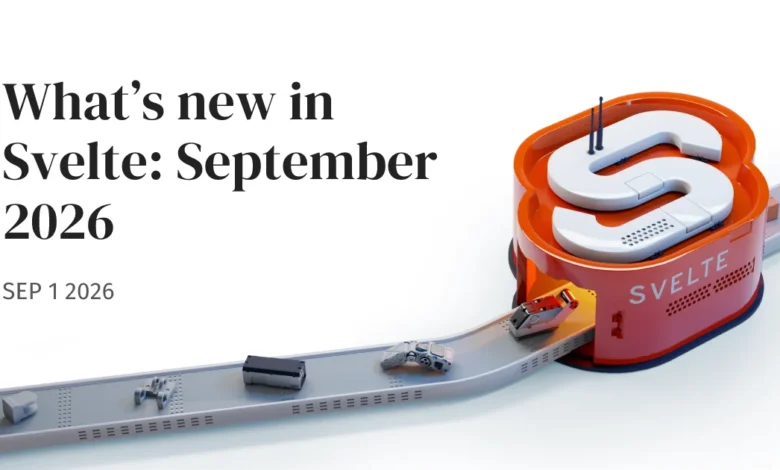
The release of Svelte 5.57, coupled with the accelerating progress of the SvelteKit 3 Release Candidate, represents a strategic consolidation of the Svelte framework’s core capabilities. As the web development community increasingly demands high-performance, low-boilerplate solutions, these updates signal a shift toward greater stability, enhanced developer ergonomics, and the integration of modern artificial intelligence-assisted tooling. This progress reflects the long-term roadmap established by the Svelte core team to maintain parity with contemporary frontend requirements while preserving the reactive simplicity that defined the framework’s early success.
Evolution of the Core Framework: Svelte 5.57
Svelte 5, which introduced the revolutionary "runes" reactivity system, has undergone a series of rapid iterations designed to address feedback from enterprise-scale adopters. Version 5.57 is not merely a collection of patches; it introduces specific enhancements to the SvelteMap utility. These additions reflect a growing trend of providing robust, built-in data structures that reduce the reliance on third-party state management libraries.
By refining the internal map implementation, the Svelte core team is directly addressing performance bottlenecks encountered in complex, data-heavy applications. This update serves as a critical maintenance cycle, ensuring that the framework remains performant as it matures. The focus remains on "quality-of-life" improvements, which, while appearing incremental, significantly reduce the cognitive load for developers transitioning from traditional component-based architectures to the more granular reactivity model of Svelte 5.
The Path to SvelteKit 3
SvelteKit 3 represents the next major inflection point for the ecosystem. Currently in its Release Candidate (RC) phase, the framework is undergoing rigorous validation to ensure a seamless transition for the existing SvelteKit 2 user base. The progression of the @next line of releases has been marked by a transition from experimental feature exploration to strict API stabilization.
The significance of SvelteKit 3 lies in its architectural refinement. Throughout the RC period, the development team has focused on optimizing the routing engine, enhancing server-side rendering (SSR) efficiency, and refining the integration with modern edge-computing environments. For developers currently operating on the 2.x branch, the transition to version 3 is being treated as a high-priority stability upgrade. The maintenance of the 2.x branch—exemplified by recent patches like 2.70.1, 2.70.2, and 2.70.3—demonstrates a commitment to long-term support (LTS) while the ecosystem pivots toward the new standard.
Tooling Innovation: The Rise of AI-Assisted Development
One of the most notable shifts in the Svelte ecosystem is the evolution of the sv CLI. The transition from the legacy mcp add-on to the new ai-tools package signifies a broader industry trend: the integration of artificial intelligence into the local development environment.
The ai-tools suite is designed to streamline repetitive coding tasks, provide context-aware suggestions, and assist in refactoring. By embedding these capabilities directly into the official CLI, the Svelte team is lowering the barrier to entry for developers who wish to utilize AI-driven productivity gains without leaving their preferred terminal workflow. Furthermore, the introduction of a task-based migration utility in sv@next specifically for SvelteKit 3 indicates that the team is prioritizing the "Day 1" experience of upgrading existing projects. This automation is expected to reduce the friction typically associated with major framework version bumps, thereby accelerating the adoption of SvelteKit 3 across the industry.
Chronology and Development Timeline
The journey toward this current state of the Svelte ecosystem has been methodical.
- Early 2024: The introduction of Svelte 5 concepts began to gain traction, focusing on the new reactivity paradigm.
- Mid-2024: SvelteKit 2 solidified its position as the standard for production applications, receiving consistent maintenance and security updates.
- Q3 2024: The Svelte core team shifted focus toward the stabilization of SvelteKit 3, opening the
version-3branch for public testing. - Current Period: The release of Svelte 5.57 and the mature RC status of SvelteKit 3 coincide with the rollout of integrated AI tools, marking a convergence of core framework stability and modern developer tooling.
Supporting Data and Ecosystem Performance
The adoption rates for Svelte have consistently trended upward, particularly among teams prioritizing Core Web Vitals and SEO performance. Because Svelte compiles away much of the framework overhead into vanilla JavaScript, applications built on the 5.x architecture typically exhibit smaller bundle sizes compared to competitors using Virtual DOM-based reconciliation.
Internal benchmarks for the SvelteKit 3 RC suggest significant improvements in load-time performance for large-scale applications. By optimizing the hydration process and streamlining the server-side logic, the framework is positioning itself as a primary candidate for high-traffic, content-heavy websites. The continued activity on the language-tools repository also underscores the commitment to maintaining first-class IDE support, which is critical for enterprise developers who rely on robust TypeScript integration and real-time linting.
Broader Implications and Industry Impact
The shift toward a more modular and AI-augmented ecosystem has significant implications for the future of web development.
- Reduction in Boilerplate: By integrating more utility-driven features (such as enhanced
SvelteMap), the framework reduces the need for "glue code," allowing developers to focus on business logic rather than framework plumbing. - Standardization of Migration: The emphasis on automated, task-based migration tools sets a new standard for framework maintenance. If successful, this approach could serve as a model for other JavaScript frameworks looking to manage long-term technical debt.
- The AI Integration Trend: By replacing manual configurations with AI-assisted CLI add-ons, Svelte is acknowledging that the future of web development is deeply intertwined with LLM-powered productivity. This move likely cements Svelte’s status as a developer-first framework that adapts quickly to the shifting landscape of software engineering.
Official Stance and Community Feedback
The Svelte maintainers have remained transparent throughout this process, utilizing GitHub’s release notes and dedicated changelogs to communicate changes. The active participation of the community on platforms like Reddit and the official Svelte Discord server has been instrumental in identifying edge cases during the RC phase. The team has consistently encouraged users to test their existing codebases against the next release lines to ensure that the eventual stable release of SvelteKit 3 is as bug-free as possible.
Developers looking to stay ahead of these changes are encouraged to consult the official documentation at next.svelte.dev. This site serves as the authoritative source for migration guides, API documentation for the new runes system, and technical specifications for the upcoming SvelteKit 3 features.
Conclusion: A Look Ahead
As the Svelte ecosystem moves toward the stable release of version 3, the focus will likely remain on polishing the developer experience and ensuring seamless compatibility across the broader web stack. With the introduction of enhanced CLI capabilities and a refined core, the ecosystem is well-equipped to handle the demands of modern web development. The strategic combination of architectural stability and forward-looking tooling ensures that Svelte remains a competitive and viable choice for developers, ranging from individual hobbyists to large-scale engineering teams. As always, the community is encouraged to contribute to the ongoing development and testing process, ensuring that the final releases represent the collective needs and standards of the users who drive the platform’s growth.
Related posts: