Instagram Direct Modernizes Infrastructure with Jetpack Compose to Unlock AI-Native Development and Performance at Scale

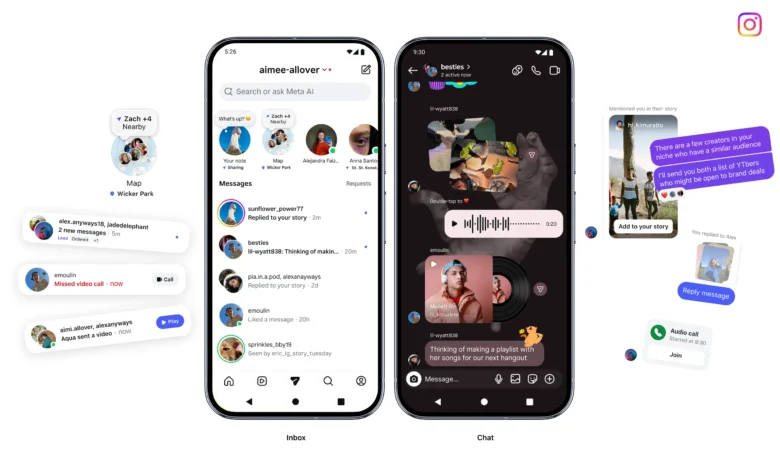
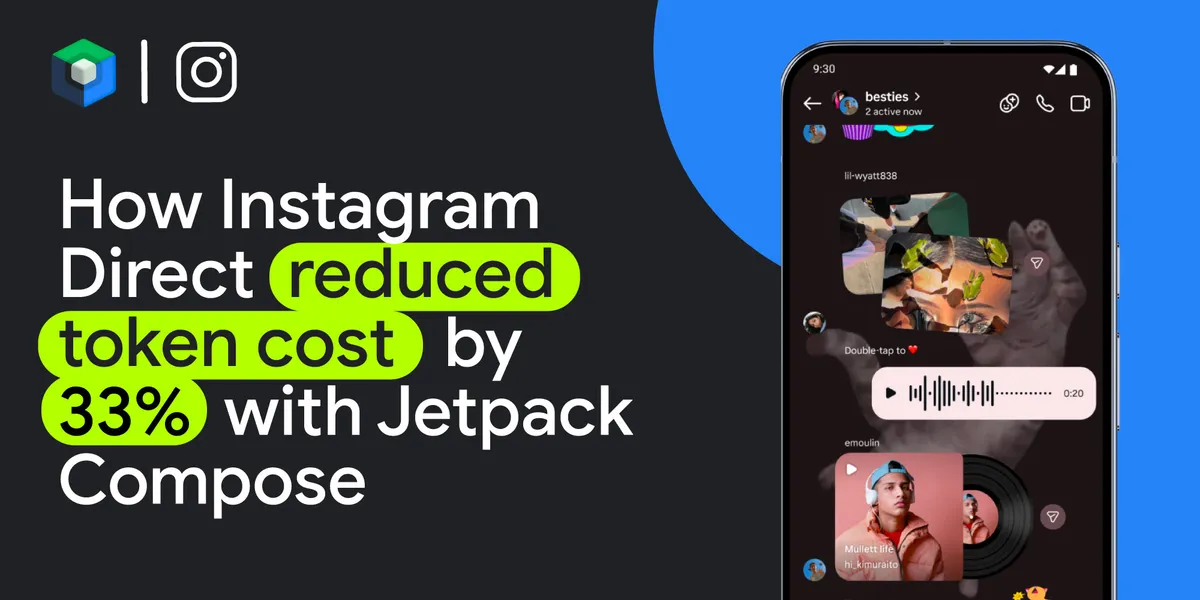
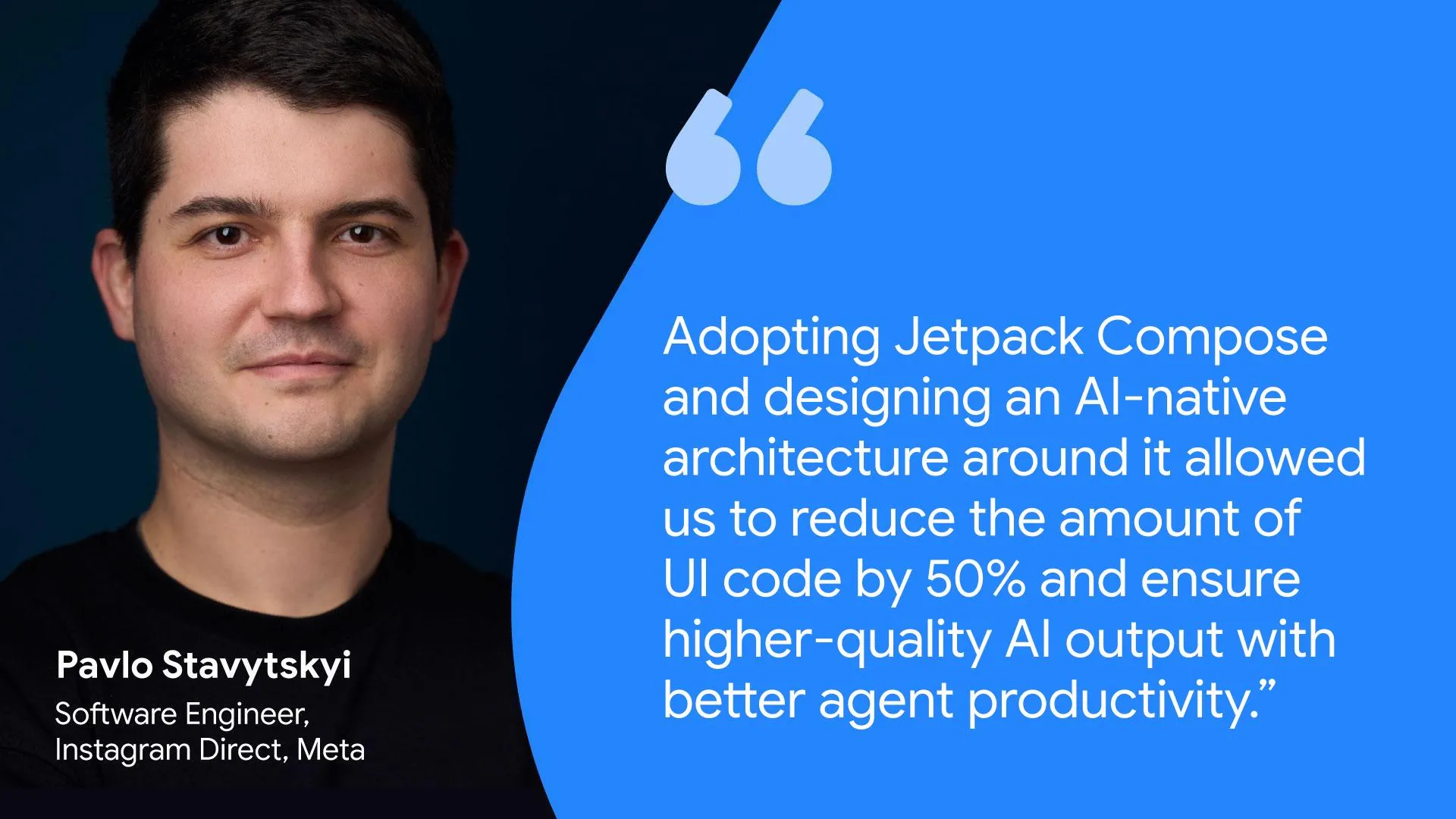
Instagram Direct, the messaging backbone of the world’s most popular photo and video-sharing application, has completed a significant architectural transformation by migrating its extensive Android user interface from the legacy View system to Jetpack Compose. This transition, conducted in close technical partnership with Google, represents more than a standard UI refresh; it signifies a strategic shift toward an AI-native codebase designed to accommodate the rapid integration of artificial intelligence in software engineering. By re-architecting its UI foundation, Meta has achieved a 50% reduction in code volume, a 35% improvement in AI agent execution speed, and substantial gains in overall app responsiveness.
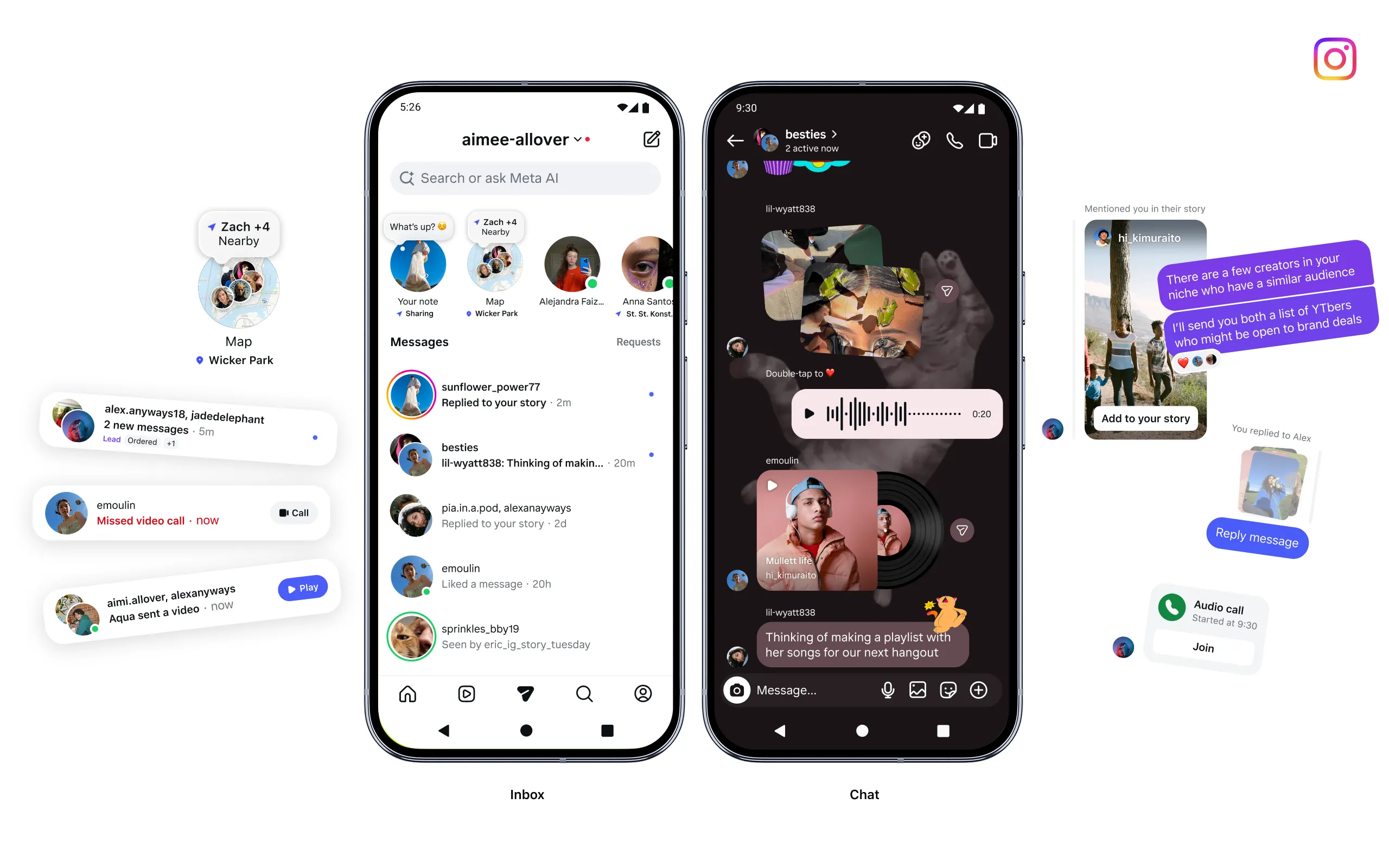
The scale of the undertaking was immense. Instagram Direct serves hundreds of millions of daily users, requiring the migration to occur seamlessly without disrupting the core messaging experience. The application features screens that must handle over 200 distinct message types and UI components capable of rendering in more than 160 different state permutations. For years, the team had pushed the legacy Android View system to its absolute limits, squeezing out every possible micro-optimization. However, as the engineering team moved toward increased reliance on AI coding assistants, the limitations of the imperative, state-heavy legacy code became a bottleneck.
A Strategic Pivot Toward AI-Native Architecture
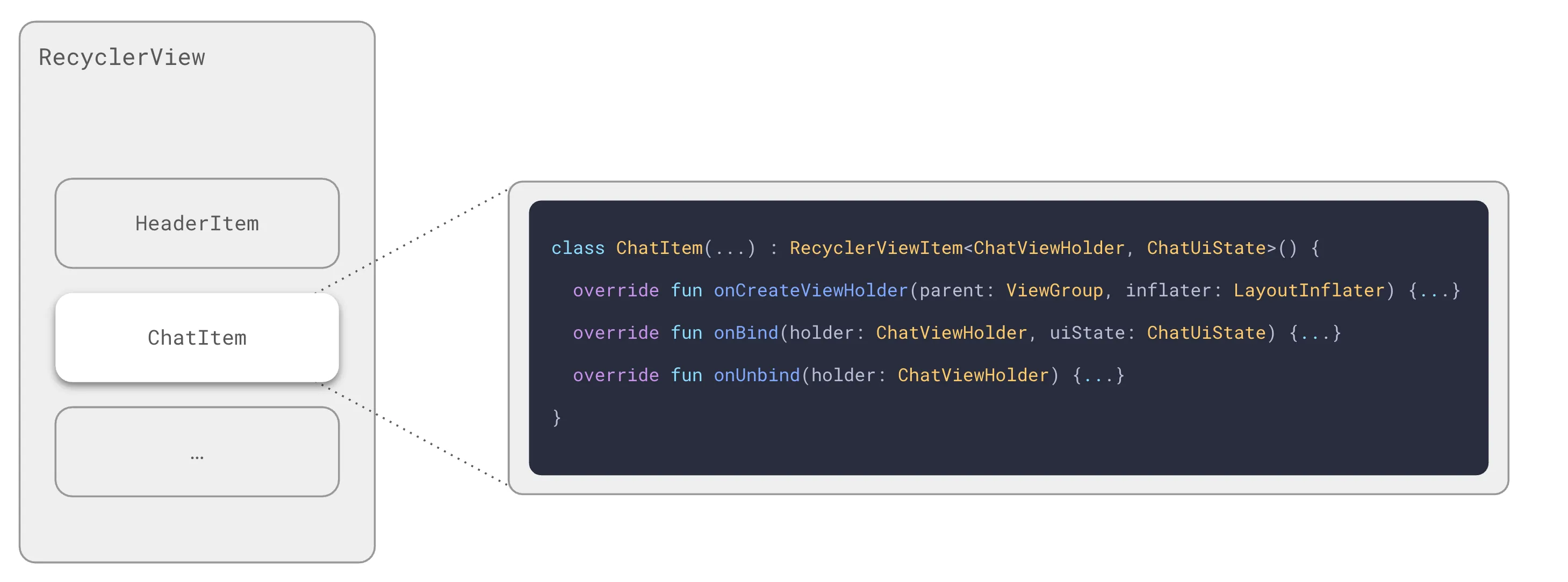
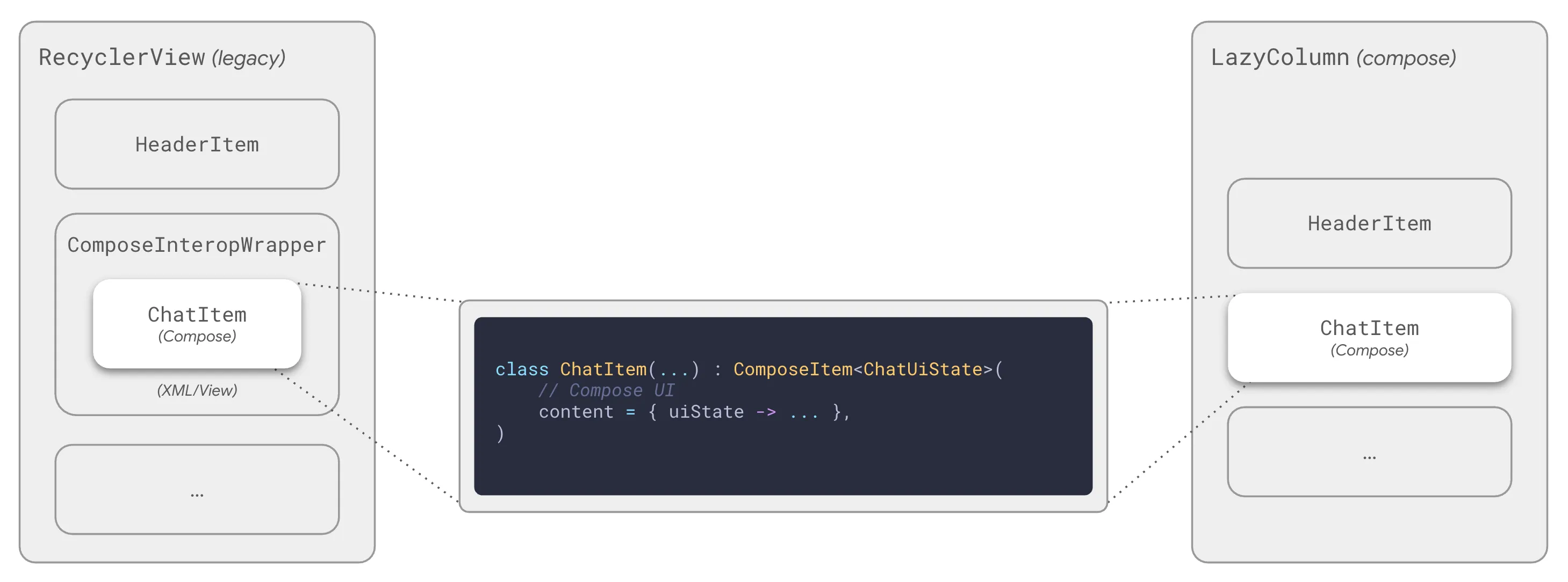
The primary challenge in modernizing a massive legacy codebase is the risk of introducing technical debt. When AI tools are tasked with modifying legacy code, they often gravitate toward the path of least resistance. In mixed-paradigm codebases—where declarative UI components (Compose) are forced to interact with imperative legacy elements (Views)—AI models often struggle to maintain clean state boundaries. This results in "leaky" abstractions, where mutable state persists across UI component re-bindings, leading to elusive bugs and inconsistent user experiences.
To address this, the Instagram Direct team mandated a transition to a purely declarative UI architecture. By utilizing Jetpack Compose, the team ensured that code remained predictable, modular, and structurally transparent. AI models, which rely on pattern recognition and logical consistency, function far more efficiently when navigating a declarative tree compared to the fragmented, lifecycle-heavy structure of the traditional View system.
The migration followed a rigorous, two-stage methodology for each UI surface. First, engineers focused on establishing the architectural groundwork, defining the necessary abstractions, and resolving complex edge cases. Once this foundation was set, a secondary team focused on the implementation and production-readiness of the UI components. This staged approach allowed Meta to maintain high velocity, enabling parallel work streams where one engineer could finalize the architecture while another built out the visual components.
Quantitative Gains and Performance Benchmarks
The data collected during and after the migration provides a compelling case for the efficiency of the new architecture. Internal metrics at Meta showed that for every unit of landed output, the AI-native Compose implementation required 32% fewer exchanges between human engineers and AI agents. This reduction in friction suggests that the new codebase is significantly easier for current LLM-based coding assistants to process, debug, and expand.
Perhaps more critical for the end user is the impact on performance. Despite the massive shift in underlying technology, the team successfully maintained—and in some cases exceeded—the performance bar set by the previous, highly optimized View-based system. Key performance metrics monitored by the team included large frame drops (LFDs) per minute, startup time, and memory overhead.
The data reveals a stark contrast in "resource efficiency" as code complexity increases. Meta’s risk-score tracking, which measures the likelihood of a change inducing a production incident, showed that as a file’s complexity grows, the resource efficiency of AI agents working on legacy View code drops by 30%. In contrast, the same increase in complexity for a file written in Jetpack Compose resulted in only a 9% decrease in efficiency. This suggests that the Compose architecture is inherently more resilient to "code rot" and remains manageable even as product requirements evolve.
Collaborative Innovation with Google
The project was not a unilateral effort by Meta; it served as a collaborative testing ground for Google’s Android development team. The scale and sensitivity of Instagram’s user base provided a unique environment to stress-test new Compose capabilities. As a result of this partnership, several features were accelerated or refined for the broader Android developer ecosystem, including the introduction of Pausable composition and advanced visibility tracking.
One of the most notable technical outcomes is the development of LazyLayoutCacheWindow. This feature allows developers to define a buffer zone around the viewport, pre-composing and retaining off-screen items to ensure that flings and scrolls remain buttery-smooth even during high-traffic usage. Internal testing at Meta demonstrated that combining Pausable composition with a one-viewport cache window reduced noticeable stuttering—measured as large frame drops—by approximately 13% compared to baseline Compose.
Additionally, the introduction of the onVisibilityChanged API in Compose 1.9.0 provided a standard, native way to track impression logging. Previously, developers had to rely on custom, hand-rolled solutions that were difficult to maintain across hundreds of files. By standardizing this within the framework, Meta was able to eliminate significant amounts of boilerplate code while simultaneously improving the accuracy of product quality metrics.
Broader Implications for the Mobile Industry
The successful migration of Instagram Direct suggests a broader trend in mobile development: the shift from "mobile-first" to "AI-first" architectures. By prioritizing structures that are machine-readable and predictable, companies can unlock a force multiplier in engineering productivity.
The Instagram case study demonstrates that modernizing an app is not just about adopting a newer UI framework, but about re-evaluating how software is authored. The 50% reduction in UI code volume is a significant finding. Fewer lines of code inherently mean fewer potential failure points and a lower cognitive load for developers—both human and synthetic. As AI coding tools become more deeply integrated into the IDE (Integrated Development Environment), the structure of the codebase will become the most significant factor in how effectively those tools can contribute to a project.
Furthermore, the team’s use of Baseline Profiles ensured that the transition did not negatively impact the app’s startup performance. By pre-compiling hot code paths at installation, the app ensures that the Compose runtime is primed for immediate use, circumventing the potential "warmup" costs that often plague complex UI frameworks.
Conclusion and Future Outlook
The Instagram Direct project serves as a landmark case study for the scalability of Jetpack Compose in high-stakes environments. It proves that a declarative paradigm is not only capable of handling extreme complexity but can actually serve as a superior foundation for future-proofing applications.
For the broader Android developer community, the lessons are clear: architectural decisions made today should consider how easily an AI agent can interpret and modify that code in the future. By aligning with declarative standards and focusing on modular, state-driven design, developers can ensure their applications remain performant and maintainable in an increasingly automated development landscape. Meta and Google have signaled that this collaboration is ongoing, with both teams looking to apply these AI-native strategies to additional surfaces across the Instagram ecosystem and beyond, setting a new benchmark for large-scale mobile application engineering.