SvelteKit Monthly Update Brings Enhanced Form Handling and Real-Time Data Capabilities

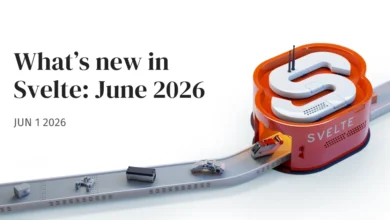
The Svelte ecosystem has reached a significant milestone this month, marked by a series of high-impact updates to SvelteKit that streamline developer workflows and enhance data synchronization. As the web development landscape shifts toward more reactive and server-integrated architectures, the Svelte team has responded with improvements to form management, the introduction of a robust real-time query function, and critical adjustments to remote function handling. These updates represent a strategic push to reduce boilerplate code while maintaining the framework’s signature performance benchmarks.
Advancements in SvelteKit Form and Remote Functionality
At the center of this release cycle is the refinement of SvelteKit’s form-handling capabilities. Forms remain a cornerstone of web application interactivity, and the latest iteration focuses on tightening the feedback loop between the client and the server. By simplifying the orchestration of form submissions, SvelteKit continues to abstract away the complexities typically associated with state management during network requests.
Concurrently, the introduction of the .live() query function marks a notable evolution in how developers interact with server-side data. Historically, achieving real-time synchronization required custom polling logic or complex WebSocket configurations. The .live() function provides an out-of-the-box solution for streaming data updates, allowing developers to ensure that the UI remains consistent with server state with minimal overhead. This addition reflects a broader industry trend toward "live" web experiences where low-latency data updates are expected rather than optional.
However, developers must note that these enhancements arrive alongside specific breaking changes related to remote functions. These modifications necessitate a review of existing codebases for teams currently utilizing these features. While breaking changes are often viewed with caution, the maintainers have indicated that these adjustments are foundational for the long-term stability and security of the framework.
A Chronology of the Monthly Development Cycle
The development of these features follows a rigorous, multi-week release cadence that has become the hallmark of the Svelte project. Following the late-month release, the Svelte team has emphasized that these changes are the culmination of feedback gathered from the core contributor community throughout the preceding weeks.
The timeline began with the identification of bottlenecks in form-state synchronization, leading to internal testing phases during the first two weeks of the month. As the implementation matured, the team integrated these changes into the edge-builds, allowing for public feedback via the Svelte Discord and GitHub repositories. By mid-month, the focus shifted to refining the API surface of the new .live() function to ensure it adhered to Svelte’s minimalist design philosophy. The final week was dedicated to documentation updates and the systematic resolution of bugs discovered during the integration testing phase.
Technical Implications and Ecosystem Growth
The implications of this update extend beyond SvelteKit itself, impacting the wider Svelte ecosystem, including language tools, AI-assisted development utilities, and Vite-based plugins. The vite-plugin-svelte update, for instance, has been optimized to handle the new form-processing requirements, ensuring that build times and HMR (Hot Module Replacement) speeds remain unaffected by the increased functionality.
Furthermore, the language tools release addresses several long-standing issues regarding type safety and autocompletion for complex server-side functions. As Svelte continues to mature into an enterprise-ready framework, the ability to provide accurate tooling support is as critical as the runtime features themselves. Data from the Svelte GitHub repository indicates a steady uptick in contributor activity, with thousands of commits across the core packages this month alone, reflecting a high level of engagement from both independent developers and corporate sponsors.
Analysis: Bridging the Gap Between Client and Server
The shift toward server-integrated functions is a strategic pivot that aligns Svelte with the "Full-Stack Framework" movement. By enabling developers to write server-side logic that feels as seamless as client-side code, SvelteKit is effectively reducing the cognitive load on developers. The integration of the .live() function, specifically, suggests a move toward a more declarative data-fetching model.
In a traditional REST or GraphQL architecture, developers often manually manage the lifecycle of a request: loading states, error handling, and eventual data mutation. Svelte’s new approach seeks to encapsulate these states within the framework’s core, potentially reducing the reliance on third-party state management libraries. This trend is significant; it suggests that the framework is becoming increasingly "batteries-included," a move that historically drives adoption in corporate and production-heavy environments where maintainability is a top priority.
Community Reactions and Official Guidance
The Svelte maintainer team has been proactive in communicating these changes via official channels. Through the project’s Discord server and Reddit presence, the sentiment among early adopters has been largely positive, particularly regarding the ease of implementing real-time features. However, the community has also highlighted the importance of clear documentation, especially concerning the breaking changes in remote functions.
In response, the core team has emphasized that the full documentation and changelogs are the primary sources of truth. They have urged developers to consult the specific CHANGELOG.md files located in the sveltejs/kit and sveltejs/svelte repositories. These documents provide a granular breakdown of the specific commits and behavioral shifts that might impact existing applications.
Future Outlook: Sustainability and Performance
As the Svelte ecosystem looks toward the next quarter, the focus remains on performance, accessibility, and developer experience. The current release is not an isolated event but rather a component of a larger roadmap that aims to make Svelte the most performant framework in the JavaScript ecosystem.
By streamlining the interaction between forms, server actions, and real-time data, the framework is positioning itself to handle more complex, data-intensive applications. As businesses continue to demand faster, more responsive user interfaces, the pressure on frameworks to provide built-in solutions for real-time synchronization will only intensify. Svelte’s current trajectory suggests it is well-equipped to meet these demands while remaining accessible to developers of varying skill levels.
Summary of Essential Resources
For developers tasked with upgrading their applications, the following resources remain the most critical:
- SvelteKit Adapter CHANGELOG: Essential for understanding how the new form handling interacts with specific server-side adapters (e.g., Vercel, Netlify, Cloudflare).
- Svelte Compiler CHANGELOG: Provides insights into the low-level optimizations made to the compiler, which impact the final bundle size and execution efficiency of every application.
- Language Tools Releases: Vital for those relying on TypeScript or VS Code extensions for intellisense, as these tools have received updates to support the new syntax introduced this month.
- Community Platforms: Both the official Svelte Discord and the subreddit remain active hubs for developers seeking assistance with migration or troubleshooting specific bugs encountered during the upgrade process.
In conclusion, this month’s updates serve as a testament to the framework’s agility. By prioritizing the developer experience through the refinement of form logic and the introduction of real-time data capabilities, Svelte continues to solidify its place as a top-tier choice for modern web development. While the breaking changes require attention, the long-term benefits of these structural improvements—namely, more robust, faster, and more maintainable applications—are expected to outweigh the immediate effort of refactoring. As always, the community is encouraged to contribute feedback, report bugs through the appropriate channels, and participate in the ongoing evolution of the framework. The path forward for Svelte is clear: continue to simplify the complex, optimize the routine, and foster an environment where developers can build high-performance applications with confidence.