Android updates security architecture by deprecating direct contact write access in favor of standardized intents.


In a significant pivot regarding mobile privacy and data management, the Android platform is set to overhaul how applications interact with user contact lists. Beginning with the upcoming release of the Android operating system, developers will no longer be permitted to utilize the broad WRITE_CONTACTS permission to modify or create entries in a user’s address book. This fundamental change marks the end of an era where applications could, with a single blanket permission, gain the ability to perform sweeping, background modifications to a user’s most sensitive personal data.
The Shift Toward Intent-Based Interaction
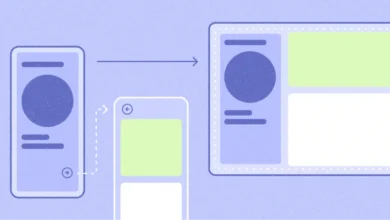
The core of this transition lies in the shift from direct database access to the utilization of standard system-level intents. By leveraging ACTION_INSERT, ACTION_EDIT, and ACTION_INSERT_OR_EDIT, developers will now trigger a standardized, system-controlled interface that handles the actual data entry. For the end user, this ensures a consistent experience across all applications, as the operating system—rather than the third-party app—manages the display and finalization of contact data.
For developers, this means that the days of requesting broad write permissions are effectively numbered. Applications attempting to bypass these new guidelines in future Android versions will be met with a SecurityException or a direct permission denial. This enforcement is designed to prevent "permission creep," where apps request access far beyond their functional requirements.
Addressing Historical Inconsistencies
The decision to deprecate the WRITE_CONTACTS permission stems from years of fragmented user experiences across the Android ecosystem. Historically, the implementation of contact intents varied wildly between device manufacturers. Some custom Android skins would strip essential data, such as high-resolution profile photos, while others suffered from unintuitive navigation that discouraged users from finalizing contact creation.
These inconsistencies forced many developers to seek the direct, albeit invasive, WRITE_CONTACTS permission simply to ensure their applications functioned reliably. By mandating a standardized, system-enforced interface for all devices running the upcoming Android release, the platform aims to harmonize these behaviors, removing the technical necessity for apps to manage contact databases directly.
The Introduction of MANAGE_CONTACTS
While the broader trend moves toward restricted access, Google recognizes that certain specialized applications require elevated privileges to function. To accommodate these legitimate use cases, the platform is introducing a new specialized permission: MANAGE_CONTACTS.
This high-level permission is strictly intended for apps whose core functionality relies on mass contact management. This includes CRM (Customer Relationship Management) platforms, cloud-based synchronization tools, and specialized dialer or caller ID applications that perform deep integrations with the system address book. The arrival of this permission, scheduled for Android 17 QPR2 in the fourth quarter of 2026, will be accompanied by rigorous Google Play Store guidelines. Developers seeking to utilize this permission will be required to declare their specific business necessity, ensuring that the privilege is not abused for data scraping or unauthorized background modifications.
Categorizing the Migration Path
The migration process for the developer ecosystem is structured to ensure that only the most essential services retain high-level access. The following breakdown illustrates how different software categories are expected to adapt:

- Social and P2P Payment Apps: These applications, which often require contact lookup for friend lists or bill splitting, will no longer need write access. They are encouraged to transition to the system Contact Picker, which allows for secure, one-time selection without broad permission grants.
- Business Card and Networking Tools: These apps should transition to the standard ACTION_INSERT flow. By passing parsed data as "extras" to the intent, the app can populate the system’s half-sheet editor, allowing the user to review and save the information with a single tap.
- VoIP and Messaging Platforms: Rather than injecting custom entries into the user’s contacts—such as "Call via [App Name]"—these services should adopt the new People Directory. This feature allows apps to publish "reachability" metadata to the system, enabling users to initiate calls or chats from within the standard Phone or Contacts app without the need for the host app to modify the database directly.
- Enterprise and Sync Services: Applications that require continuous, two-way background synchronization will likely qualify for the MANAGE_CONTACTS permission. This is specifically reserved for cases where user interaction for every individual record would be functionally impossible.
Chronology of the Transition
The rollout of these changes follows a multi-year roadmap designed to give the developer community ample time to adjust their codebases and compliance documentation.
- October 21, 2026: Official announcement of the MANAGE_CONTACTS policy by Google Play.
- Q4 2026 (Android 17 QPR2): The MANAGE_CONTACTS permission is officially introduced to the platform.
- 2027 (Upcoming Android Release): The enforcement phase begins. Apps targeting this version of Android will lose the ability to use WRITE_CONTACTS for direct writes. Contact intents become the mandatory standard.
- 2027 (Post-Release): The Google Play Console will begin requiring formal declarations from developers utilizing the MANAGE_CONTACTS permission. Compliance will be strictly enforced for all apps on the platform.
Implications for Data Privacy
The broader implications of this update are significant. By stripping away the ability for apps to modify contact lists in the background without user interaction, Google is closing a common vector for data fragmentation and potential privacy leakage.
Previously, a malicious or poorly designed app could silently modify existing contact entries, append unwanted data, or even delete information without the user’s explicit consent. By forcing interaction through a system-level interface, the operating system ensures that the user remains the ultimate authority on what information enters their personal address book. This architecture shifts the responsibility of data integrity from the application back to the platform, where it can be governed by consistent, audited policies.
Technical Readiness and Best Practices
For developers currently relying on the legacy WRITE_CONTACTS permission, the migration is not merely a compliance task but an opportunity to improve app performance. Using system intents offloads the burden of UI management and data validation to the Android framework.
Developers are encouraged to review the updated official developer guides regarding the use of "Extras" in intent payloads. By carefully structuring the data passed to the system editor, apps can ensure a seamless experience where the user is presented with a pre-filled form that requires only a final confirmation. This "frictionless" approach is expected to increase the likelihood of users actually saving contacts, as it removes the confusion often associated with custom, non-standardized interfaces.
Expert Analysis
Industry analysts view this move as a logical progression in the "privacy-first" mandate that has defined mobile OS development over the past decade. By moving from a "permission-granting" model to an "intent-based" model, the platform effectively isolates the user’s data from the app’s internal logic.
"This is about reducing the attack surface of the device," says one security researcher familiar with the update. "When you stop allowing apps to ‘write’ directly to sensitive databases, you eliminate a whole class of bugs and malicious behaviors. It forces developers to justify their access, and if they can’t, they simply don’t get the keys to the kingdom."
Preparing for the Future
As 2027 approaches, the transition period provides a vital window for developers to refactor their applications. Failure to act by the launch of the next major Android version will result in broken functionality for millions of users. It is imperative that teams audit their manifest files, identify any usage of WRITE_CONTACTS, and begin implementing the recommended intent-based alternatives.
By aligning with these new standards, developers will not only ensure compliance with future Google Play policies but will also contribute to a more secure, consistent, and user-friendly Android ecosystem. As the industry moves toward this new standard, the focus remains clear: the user’s contacts are their own, and the operating system is the primary steward of that privacy.