Nvidia CEO Jensen Huang Targeted by Chinese Intelligence Operation Involving Corporate Executive Alice Huang

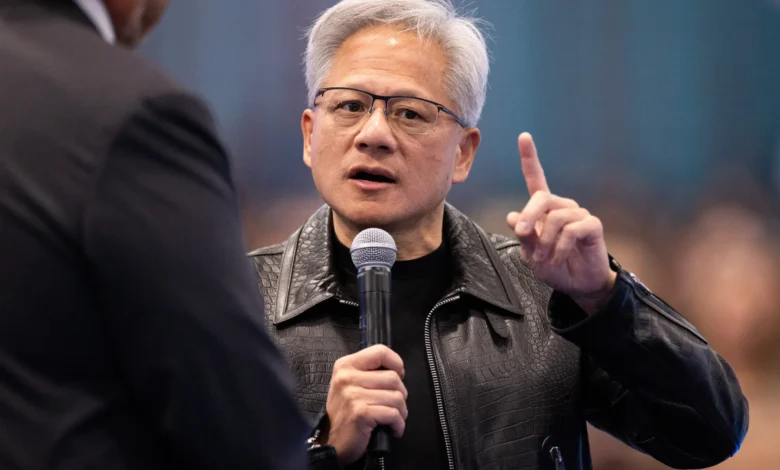
A startling intelligence report has surfaced, alleging that technology executive Alice Huang was recruited by China’s Ministry of State Security to conduct espionage against Nvidia CEO Jensen Huang. The revelation, which emerged through a series of reports from The New York Times and The Financial Times in November 2026, details an elaborate attempt by foreign intelligence services to gain an edge in the escalating global competition for artificial intelligence dominance. The memo, reportedly based on U.S. intelligence gathering, suggests that the scope of Chinese efforts to infiltrate the upper echelons of Western semiconductor leadership is broader and more personal than previously disclosed.
The Allegations and the Intelligence Memo
According to the reports, the intelligence community identified a specific operation centered on a relationship between the Nvidia CEO and Alice Huang, a senior executive at the Singapore-based firm Megaspeed. The memo claims that Alice Huang was acting under the direction of the Chinese Ministry of State Security, with the primary objective of extracting sensitive information regarding Nvidia’s future product roadmaps, chip architectures, and strategic partnerships.
The Financial Times further reported that the intelligence documentation suggested a personal dimension to this effort, alleging a romantic relationship between the two figures. By leveraging this connection, Chinese intelligence allegedly sought to bypass traditional corporate security measures, attempting to gain access to proprietary data that could help close the technological gap between Western silicon capabilities and domestic Chinese progress.
A Chronology of Escalating Tensions
The timeline of this incident reflects a broader trend of geopolitical friction centered on the semiconductor industry. Over the past several years, the U.S. government has implemented increasingly stringent export controls on high-end GPUs and AI processors to prevent their acquisition by Chinese military and research entities.
- Early 2026: U.S. intelligence agencies reportedly compile a classified memo detailing the recruitment of Alice Huang by Chinese state actors.
- Mid-2026: Internal investigations and security audits are triggered within the tech sector as rumors of espionage begin to circulate in Washington and Silicon Valley.
- November 6, 2026: The New York Times publishes the first major report identifying Jensen Huang as a specific target of Chinese intelligence efforts.
- November 7, 2026: Follow-up reporting clarifies the involvement of Alice Huang and the nature of the alleged personal ties utilized in the operation.
This series of events marks a significant escalation in the "Chip War." While industrial espionage is a persistent challenge in the global technology sector, the direct targeting of a CEO of a company as pivotal as Nvidia represents an unprecedented level of aggression.
The Role of Shadow Companies and Supply Chain Integrity
The concerns regarding espionage are compounded by broader investigations into how Nvidia’s advanced technology continues to reach restricted entities in China. In a separate report, The New York Times highlighted the case of "New Matrix," a company authorized by the U.S. Commerce Department to purchase high-end Nvidia chips.
When journalists visited the registered address for New Matrix, they found no evidence of a legitimate business operation—only a "hollow gray shell." This discovery has ignited fears that front companies are being used to circumvent U.S. export bans. If a entity like New Matrix is indeed a front for a blacklisted private equity firm or a military-linked research facility, the security implications for the United States are profound. It suggests that despite stringent oversight, the "leakage" of dual-use technology remains a significant vulnerability in the global semiconductor supply chain.
Official Responses and Corporate Stance
Nvidia has moved to address these allegations with a carefully crafted public relations strategy. An official spokesperson for the company emphasized that interactions between its chief executive and industry peers, such as Alice Huang, were standard professional occurrences.
"Jensen Huang’s interactions with Alice Huang were not unusual," the spokesperson stated, emphasizing that the company maintains rigorous protocols regarding the handling of sensitive information. Nvidia has consistently maintained that it does not share classified or non-public strategic information with its customers, regardless of the nature of the relationship. Furthermore, the company reinforced its commitment to domestic security, stating, "We sell the first, best, and most of our technology in America."

However, analysts note that a company’s public defense is often only part of the story. Behind the scenes, Nvidia—like many other major technology firms—likely faces immense pressure from the U.S. government to tighten internal security, monitor executive communications more closely, and vet business partners with greater scrutiny.
Broader Impact and Implications for the AI Sector
The allegations surrounding the Jensen Huang operation highlight several critical realities in the modern tech landscape:
1. The Weaponization of Information: As AI becomes the central pillar of national security and economic power, CEOs of major chip manufacturers are increasingly viewed as strategic assets. They are no longer just business leaders; they are geopolitical targets.
2. The Vulnerability of Global Networks: The tech industry is inherently globalized, relying on talent, investment, and partnerships that cross international borders. The case of Megaspeed, a Singaporean entity, illustrates how intelligence services utilize third-party nations to obscure their activities and gain access to restricted technology hubs.
3. The Burden of Compliance: For companies like Nvidia, the cost of compliance is skyrocketing. Navigating the intersection of aggressive global sales targets and strict national security mandates creates a precarious environment. Every new sale to an international partner now requires a comprehensive background check to ensure the entity is not a "hollow shell" fronting for prohibited activity.
4. The Geopolitical "Cold War": This incident serves as a bellwether for the state of U.S.-China relations. The use of traditional human intelligence (HUMINT) to target a private executive indicates that the digital and cyber warfare campaigns of the past decade are being supplemented by more traditional, clandestine methods.
Future Outlook: Security Over Speed?
As the dust settles on these revelations, the industry will likely see a shift in operational security. Boards of directors at major tech firms are expected to demand more stringent monitoring of executive travel, communications, and third-party affiliations.
The U.S. Commerce Department will also face renewed pressure from lawmakers to close loopholes that allow "hollow" companies to procure advanced chips. The effectiveness of these measures remains to be seen, but the target on the back of companies like Nvidia will only grow larger as the performance gap between AI systems becomes the primary metric of national power.
Ultimately, the incident underscores the fragility of the current tech ecosystem. While the pursuit of innovation and market share remains the primary driver of growth, the underlying infrastructure of the tech industry is increasingly viewed through the lens of national security. For Jensen Huang and his counterparts, the future of global technology leadership will require not just superior engineering, but an unprecedented level of geopolitical vigilance.