Governing the Economics of AI Agent Optimization: Moving from Pilots to Managed Enterprise Investments


The transition of artificial intelligence from experimental, isolated pilot programs to critical enterprise infrastructure has created a new set of operational challenges for IT leadership. As AI agents gain the autonomy to interact with proprietary data, execute complex workflows, and interface with third-party tools, the risk of "runaway" costs has moved to the forefront of corporate governance discussions. This final installment of The Economics of Agent Optimization series explores the structural necessity of treating AI not as a static software cost, but as a dynamic, managed investment system within the Microsoft Foundry ecosystem.
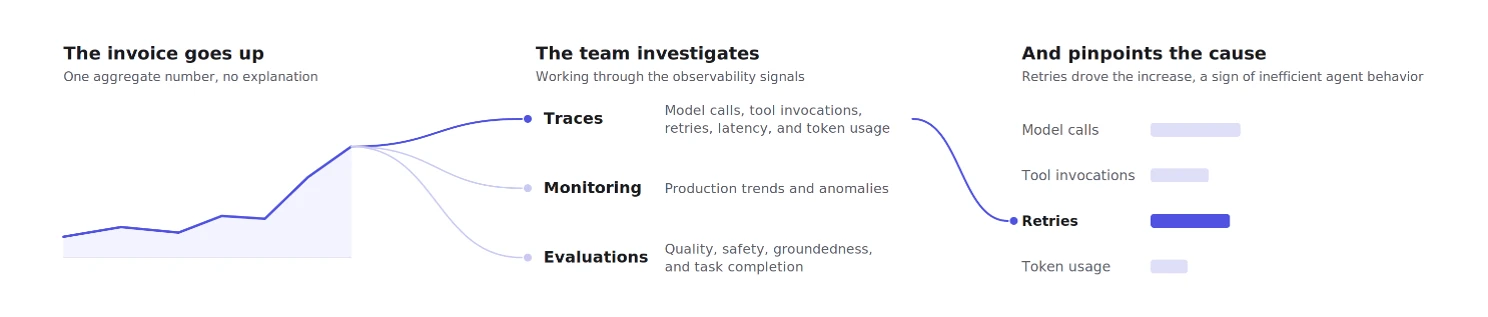
The fundamental challenge for modern enterprises is that agentic systems operate at a velocity that far outpaces traditional IT governance models. While legacy applications follow predictable resource consumption patterns, AI agents utilize generative models that fluctuate in cost based on token consumption, latency, and the complexity of recursive logic. Without a robust governance framework, individual engineering teams often make siloed decisions regarding model selection, tool integrations, and capacity limits, leading to cumulative inefficiencies that are only discovered long after the billing cycle has concluded.

The Evolution of AI Governance: A Chronological Perspective
The journey toward effective AI governance can be categorized into three distinct phases of maturity, each building upon the lessons of the previous:
Phase one focused on the foundational decision-making process, establishing the basic architecture for AI systems. This initial phase addressed the critical choices that dictate system performance, including model selection, infrastructure placement, and the balance between latency and accuracy.
Phase two involved operationalizing these systems at runtime. This period introduced the necessity of real-time optimization, where developers learned to manage request-level costs through techniques such as prompt caching, dynamic routing, and efficient tool invocation.

Phase three, which occupies the current development landscape, focuses on context engineering. By optimizing how information is retrieved and fed into the agent’s working memory, organizations successfully reduced redundant processing, ensuring that agents remained focused on high-value tasks rather than consuming tokens on irrelevant data.
The fourth and current phase—the governing of spend—represents the culmination of these efforts. This stage shifts the focus from engineering efficiency to financial accountability, ensuring that agentic systems are not just technically sound, but also economically justifiable.
The Necessity of Multi-Layered Cost Controls
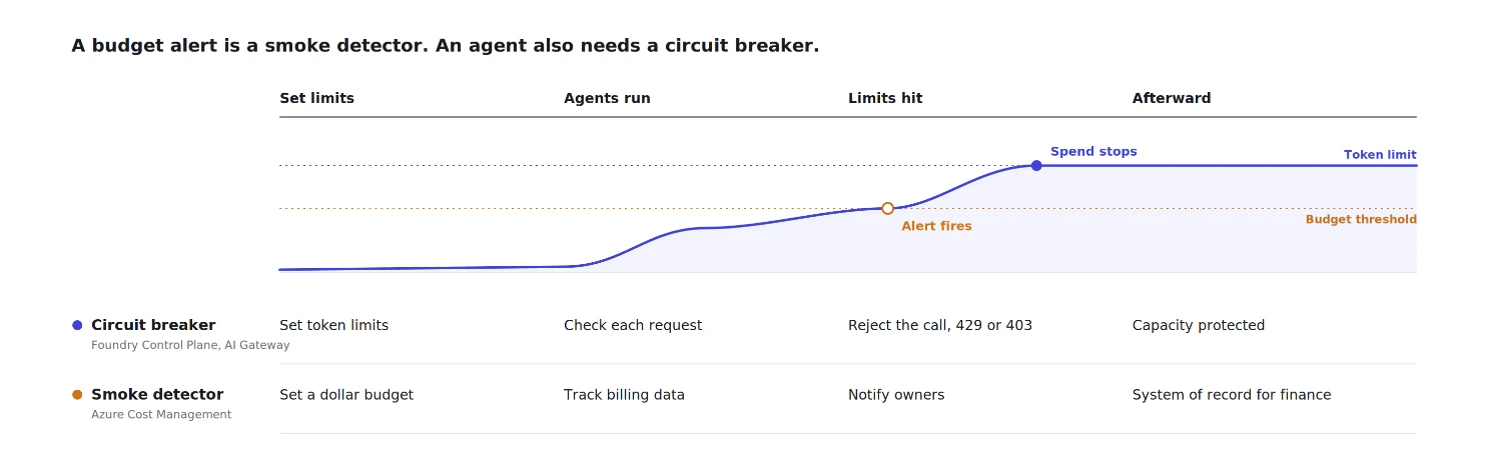
Effective cost management in the era of AI requires a departure from traditional "smoke detector" approaches. In legacy IT, budget alerts functioned as reactive mechanisms, notifying administrators only after a threshold was breached. However, an AI agent caught in a recursive retry loop can generate significant costs in a matter of seconds. Consequently, modern governance requires a "circuit breaker" methodology that operates directly within the request path.
This governance strategy is built on three pillars: visibility, limitation, and ROI validation.
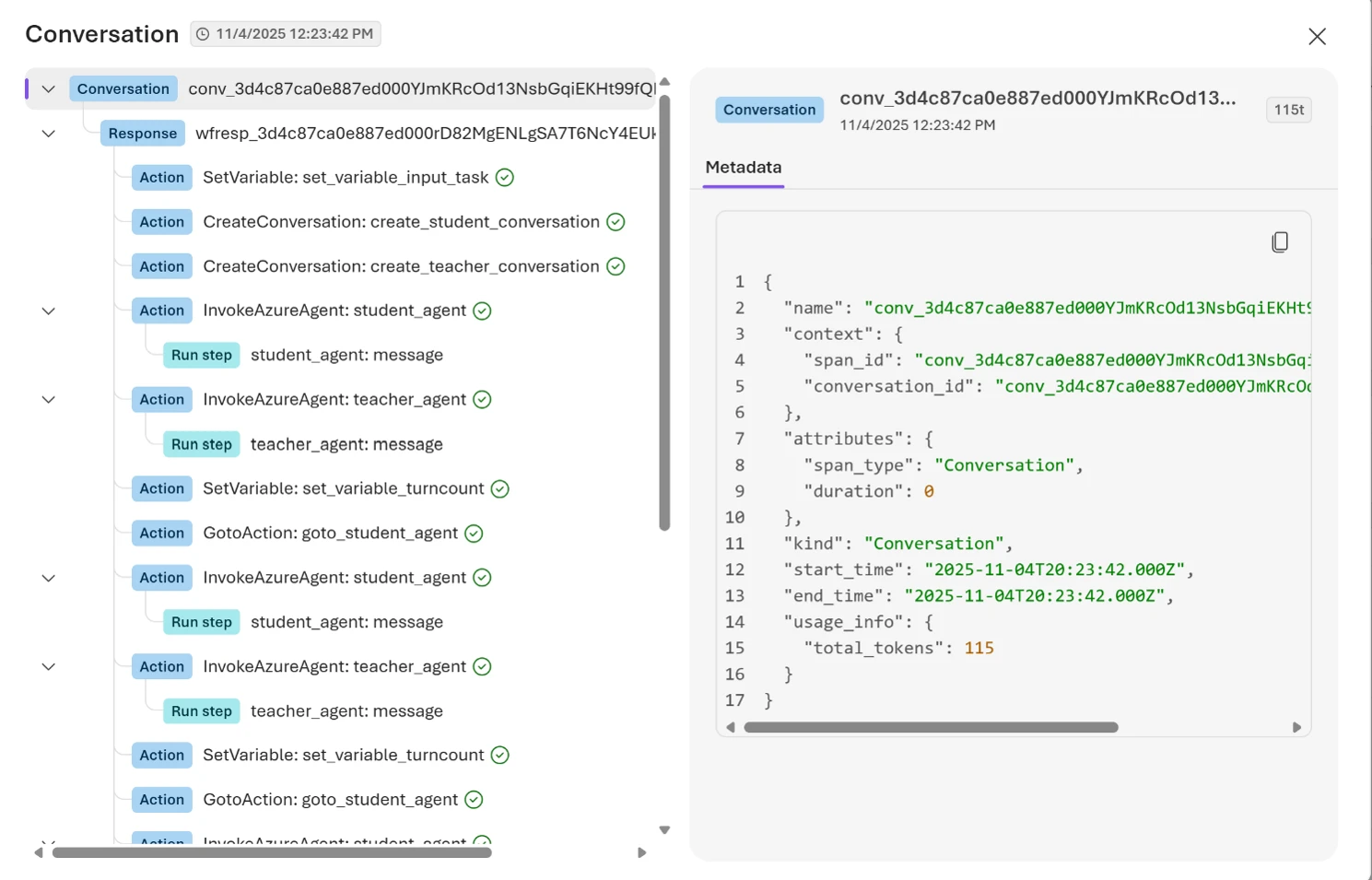
Visibility requires granular attribution. AI costs are notoriously difficult to track when viewed as a single, aggregate line item. Microsoft Foundry addresses this by mapping usage directly to project-level tags. By leveraging the AI Gateway within Azure API Management, organizations can now emit token metrics filtered by specific API endpoints, product categories, or user identities. This allows FinOps teams to perform forensic analysis on cost spikes, distinguishing between legitimate increases in customer demand and inefficient architectural design or "zombie" processes.
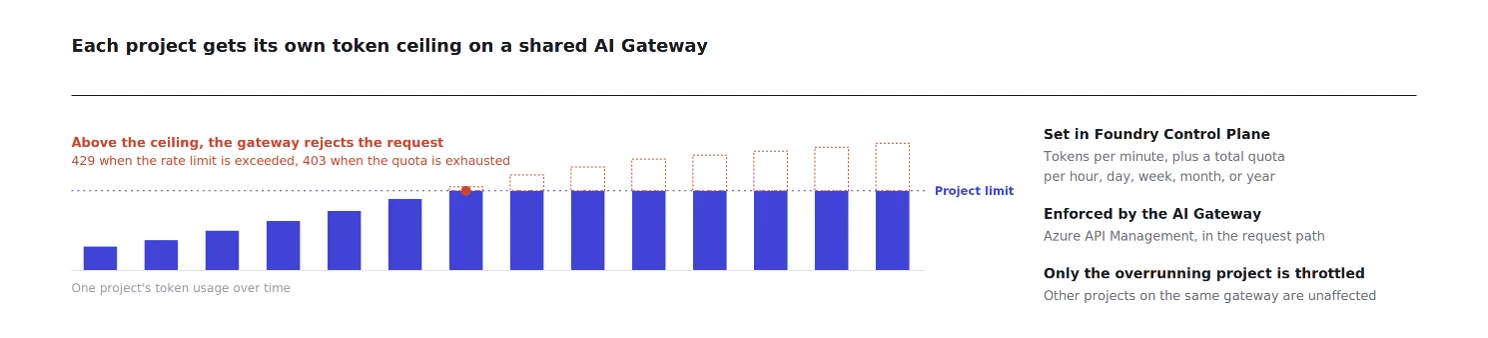
The second pillar, limitation, involves the implementation of hard boundaries. Within the Foundry control plane, administrators can define tokens-per-minute rate limits and cumulative token quotas. By utilizing these controls, a project can be confined to a specific budget, ensuring that it cannot monopolize shared capacity or trigger unexpected enterprise-wide costs. These limits operate at the infrastructure layer; when a project exceeds its quota, the system returns a 403 Forbidden response, effectively halting the spend before it can impact the bottom line.
The third pillar is the shift toward ROI-based evaluation. The industry is moving away from the assumption that the "lowest cost" agent is the most efficient. A high-performing agent that resolves complex customer inquiries in fewer steps—even at a higher per-token cost—is objectively more valuable than a low-cost agent that fails to complete its objective.
Data-Driven Implications for Enterprise Finance
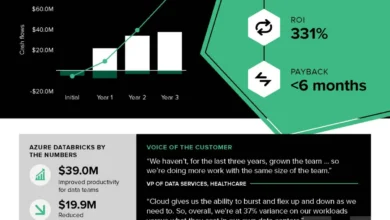
The economic implications of this shift are profound. According to industry analysis of early-adopter trends, enterprises that implement proactive agent governance see a marked decrease in "ghost costs"—expenses derived from poorly optimized prompt chains or unnecessary model calls.
By integrating ROI dashboards, organizations can now quantify the net value generated by each agent. This is achieved by assigning a dollar value to successful task completions, such as resolved support tickets or successful data extractions. When these outcomes are contrasted against the operational cost of the agent, leadership gains a clear, defensible metric for decision-making. If an agent’s ROI drops below a predetermined threshold, it serves as a signal to the development team to either re-engineer the workflow, prune the context window, or, in some cases, retire the agent entirely.
This framework creates a necessary bridge between engineering and finance. While developers focus on the technical metrics—tokens, latency, and success rates—finance teams are provided with a clear view of how those technical inputs translate into fiscal output. This alignment prevents the "billing surprise" phenomenon, where organizations realize their AI spend has grown exponentially only when the monthly invoice is delivered.
Strategic Recommendations for IT Leaders
To successfully govern an expanding AI estate, IT leaders should consider the following actionable steps:
- Centralize Visibility: Move away from siloed usage data. Ensure all AI deployments are tagged by project, team, and business unit. This creates the baseline necessary for any subsequent cost optimization efforts.
- Implement Circuit Breakers: Do not rely solely on monthly budgets. Deploy rate limits and token quotas at the project level to create immediate, enforceable barriers to runaway consumption.
- Establish a Value Metric: Define what "success" looks like for each agent. Whether it is customer satisfaction scores, time-to-resolution, or conversion rates, linking costs to specific business outcomes is the only way to prove the viability of an AI investment.
- Foster a Culture of Accountability: Make the cost of model calls visible to the engineering teams responsible for them. When developers understand the financial impact of their code, they are naturally incentivized to optimize prompt efficiency and model selection.
Conclusion: The Future of AI as a Managed Asset
The maturity of AI in the enterprise will be defined by the transition from the "exploration" phase to the "investment" phase. Just as cloud computing evolved to require rigorous cost management, multi-cloud monitoring, and FinOps, the AI era necessitates a disciplined approach to agent management.
Microsoft Foundry provides the structural tools to facilitate this shift, but the ultimate responsibility remains with the organization to adopt a culture of governance. By treating AI agents as managed investments rather than experimental novelties, enterprises can capture the significant benefits of generative AI without exposing themselves to the financial risks of uncontrolled consumption.
The goal is not to suppress innovation by restricting access to powerful models, but rather to ensure that every token spent serves a distinct business purpose. As the technology continues to evolve, the ability to balance high-velocity innovation with financial oversight will likely become a key differentiator for industry leaders. Through the application of observability, proactive limits, and outcome-based valuation, the next generation of enterprise AI will be defined by its efficiency, reliability, and clear contribution to the bottom line.