Breaking Free From Rigid Layouts: How Kirki is Reshaping the WordPress Ecosystem Through Infinite Canvas Technology

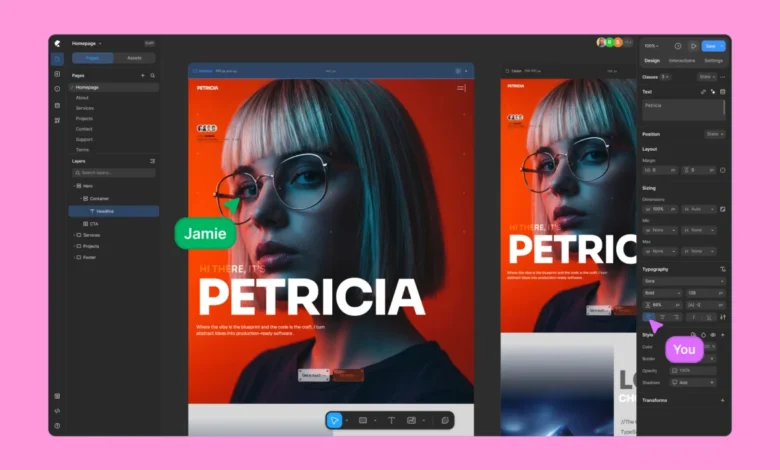
For over a decade, the WordPress ecosystem has been dominated by a "box-model" paradigm, where page builders constrained creativity within rigid containers, columns, and rows. This legacy architecture, while lowering the barrier to entry for non-coders, often came at the cost of bloated codebases, performance bottlenecks, and a heavy reliance on third-party plugins. However, a significant shift is currently underway with the emergence of Kirki, the first freeform visual builder for WordPress that replaces traditional grid-based limitations with an infinite, coordinate-based canvas. This transition marks a pivot in web development, signaling a move toward the design-centric workflows popularized by professional prototyping tools like Figma and Webflow, now integrated directly into the WordPress dashboard.

The Evolution of WordPress Page Building
To understand the significance of Kirki’s arrival, one must look at the historical trajectory of WordPress site construction. In the early 2010s, the introduction of visual page builders revolutionized the platform by allowing users to drag and drop elements. While these tools democratized web design, they fundamentally relied on standard HTML structure, often resulting in "div soup"—a phenomenon where excessive, nested HTML tags are generated to maintain layout stability.

Over the years, performance metrics such as Google’s Core Web Vitals have penalized these bloated structures. As search engine optimization (SEO) shifted its focus toward page experience and speed, the industry began searching for a solution that provided the ease of visual editing without the performance tax. Kirki emerged from this demand, moving away from traditional block-based constraints to offer a fluid, layer-based environment that treats web design as a spatial, rather than a linear, process.

Comparative Performance Analysis
The technical implications of moving to a freeform, coordinate-based system are substantial. In a controlled performance audit conducted on a standardized WordPress environment (using the default Twenty Twenty-Five theme), developers compared the output of Kirki against industry-standard page builders.

The results were statistically significant. When rendering an identical layout, Kirki produced a Document Object Model (DOM) that was 40% leaner than its competitors. By eliminating unnecessary wrapper divs and minimizing heavy JavaScript execution, Kirki achieved a 0.8-second faster Largest Contentful Paint (LCP) time in mobile testing. This optimization is critical for modern enterprises, where every millisecond of load time correlates directly with bounce rates and conversion metrics. The ability to achieve such performance without manually optimizing code or installing specialized performance-caching plugins suggests a fundamental change in how theme development can be approached.

Key Technological Differentiators
Kirki’s departure from convention is defined by several core features that streamline the developer workflow:

- The Infinite Canvas: By abandoning the rigid row-and-column layout, users can place elements anywhere on a 2D plane. This allows for overlapping elements, complex layering, and creative freedom that previously required custom CSS or specialized, expensive themes.
- Unified Responsive Editing: Traditional builders often force users to toggle between desktop, tablet, and mobile views. Kirki introduces concurrent editing, where all breakpoints are rendered side-by-side. Changes made to a parent element cascade down to smaller screens, but can be overridden at the element level, reducing repetitive configuration.
- Figma-to-WordPress Handoff: For design-heavy agencies, the bridge between design files and live production has historically been the most friction-heavy point. Kirki’s native Figma import feature allows for the direct migration of design properties, drastically reducing the time required to turn a prototype into a functional web page.
- Class-Based Styling: Borrowing from modern front-end development frameworks like Tailwind, Kirki applies styles via CSS classes. This ensures that global changes—such as a site-wide font update or color shift—can be managed via variables rather than manual edits on every page, ensuring design consistency across massive sites.
Economic and Operational Impact
Beyond the technical architecture, Kirki represents a strategic shift in the business model of WordPress plugins. For years, the "freemium" model led to the "plugin trap," where essential features like dynamic content, form builders, or popup management were locked behind various tiered paywalls or required separate, often expensive, subscriptions.

Kirki has positioned itself as an all-in-one suite. By bundling dynamic content management, a form builder, and an interaction engine into a single ecosystem, the platform reduces the "plugin bloat" that plagues many WordPress installations. The pricing model, which includes a robust free version and a $499 lifetime license, reflects a move toward transparency and long-term cost predictability for agencies and business owners. Industry analysts suggest that this consolidated approach may pressure other major builders to reconsider their reliance on fragmented, paid add-on marketplaces.

Collaboration in the Browser
One of the most notable features in the latest iteration of the software is real-time, multi-user co-editing. Previously, WordPress was a single-user environment; if two people edited a page, the last person to save would often overwrite the other’s work. Kirki’s implementation of live cursor tracking and change attribution allows remote teams to collaborate on the same page in real-time, similar to Google Docs or Figma. This feature is particularly impactful for agencies that operate on tight deadlines, enabling designers and copywriters to work simultaneously without conflict.

Future Implications for the WordPress Ecosystem
The introduction of a freeform, high-performance builder like Kirki forces the broader WordPress community to confront a reality: the era of "good enough" performance is ending. As users become more accustomed to the high-end interaction and design capabilities of SaaS website builders, they are increasingly demanding those same capabilities within the open-source freedom of WordPress.

The long-term impact of this technology will likely be seen in the professionalization of the WordPress developer role. As builders become more sophisticated, the focus shifts from "how do I get this layout to work?" to "how do I build a scalable, high-performance, and accessible user experience?"

Furthermore, the inclusion of built-in quality control tools—which scan for accessibility compliance (WCAG), broken links, and SEO-damaging markup before publication—indicates a proactive approach to web standards. By baking technical excellence into the builder itself, Kirki is moving toward a standard where technical debt is addressed at the design phase rather than during a post-launch audit.

Final Assessment
The transition to Kirki is not merely a change in interface; it is a fundamental shift in how websites are architected within the WordPress environment. By bridging the gap between professional design tools and the CMS’s backend, the platform provides a viable path for users who want to avoid the limitations of traditional page builders without sacrificing performance or maintainability.

While the learning curve for a freeform, infinite-canvas system may be steeper than that of drag-and-drop block builders, the trade-off in creative control and code quality is substantial. As the industry continues to prioritize speed, responsiveness, and sophisticated interactivity, tools like Kirki are likely to set the new benchmark for what is expected of a professional-grade website builder in the modern digital landscape. For developers, designers, and business owners, the message is clear: the future of web building is moving toward tighter integration, cleaner code, and more fluid, non-linear workflows.