Before Australian authorities apprehended two central figures last month, the cybercriminal syndicate known as TeamPCP executed a series of software supply-chain attacks that pushed the boundaries of modern digital espionage. By systematically tainting hundreds of open-source repositories, hijacking developer credentials, and deploying an automated, self-replicating worm, the group successfully breached over a thousand corporate and governmental entities. However, the true story of TeamPCP’s downfall lies not just in law enforcement’s digital forensics, but in a clandestine operation led by Google’s threat intelligence researchers, who placed a mole inside the group’s inner sanctum almost from the moment it emerged.
The Genesis of the Infiltration
The operation began in early 2026, as TeamPCP transitioned from a nascent collective into a sophisticated threat actor. According to Austin Larsen, a researcher at Google Threat Intelligence, the company identified the group’s rising profile and launched a proactive intelligence-gathering campaign. Google’s strategy centered on persona-building; an undercover analyst worked for several months to establish rapport with an associate who was eventually vetted and invited into the group’s core communication hub, a private chat channel known as "CanisterWorm."
By March 2026, Google had a direct line of sight into the group’s operations. The insider, whose identity remains protected, was one of only 12 individuals granted access to the group’s tactical discussions and, crucially, its server infrastructure. This allowed Google to monitor the development of malicious code, the exfiltration of sensitive data, and the group’s overarching strategy in real-time. This level of access provided Google with an unprecedented advantage: the ability to intercept threats before they could be fully realized or exploited by the group’s broader criminal network.
A Chronology of the Rampage
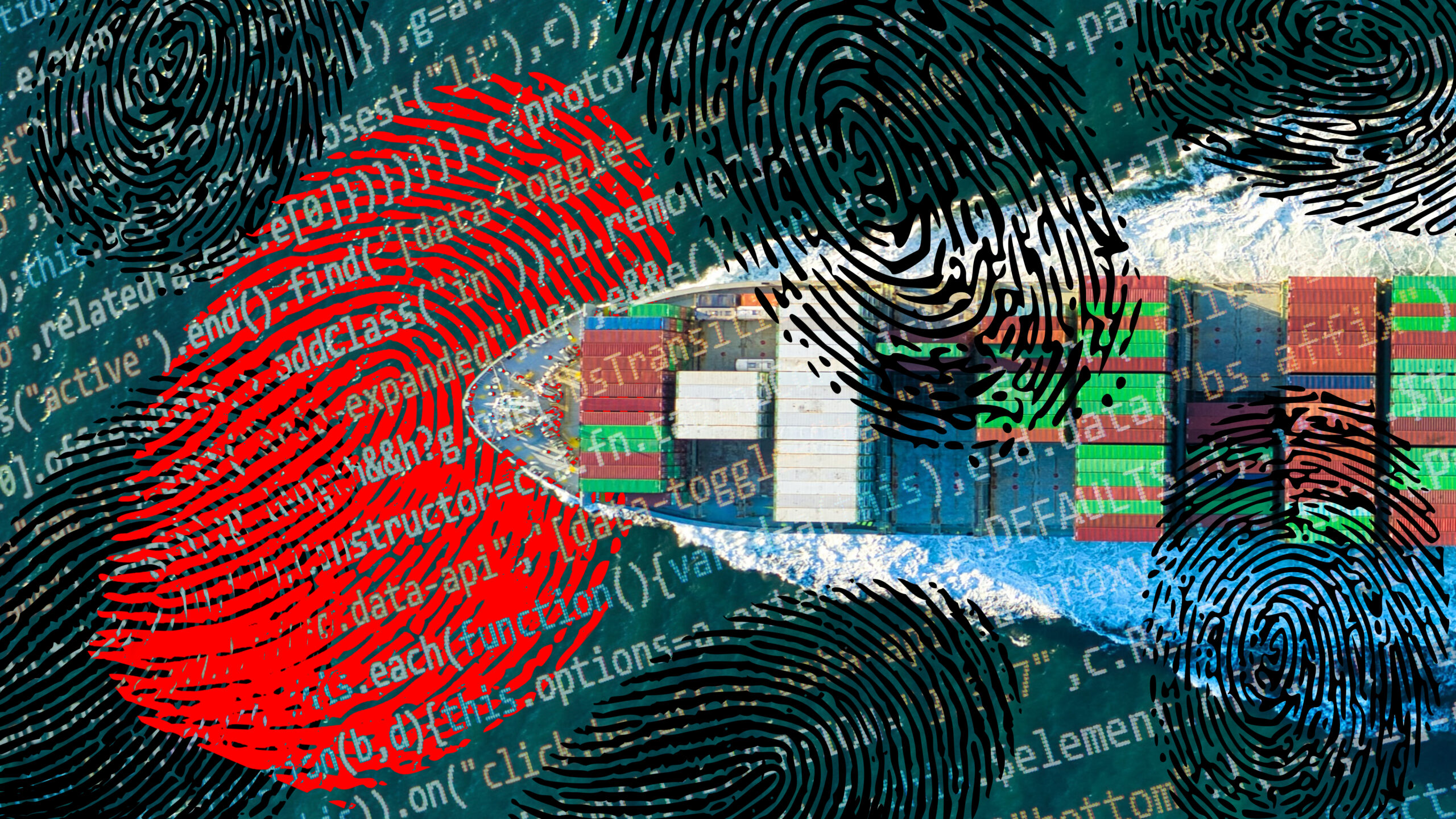
The scope of TeamPCP’s activities was expansive, utilizing a "cascading" attack model. The group targeted widely used open-source security and infrastructure tools, such as the Trivy vulnerability scanner and the LiteLLM framework. By compromising these tools, the group achieved a force-multiplier effect, gaining access to the accounts of legitimate developers who relied on the compromised software.
The timeline of the group’s activities is marked by several key milestones:
- Early 2026: TeamPCP appears on the threat landscape, specializing in software supply-chain poisoning.
- March 2026: Google’s undercover analyst gains entry to the CanisterWorm chat, providing deep-tissue visibility into the group’s operations.
- April 2026: TeamPCP forms an ill-fated partnership with the notorious cybercriminal group ShinyHunters, intending to scale their extortion efforts.
- May 2026: Google identifies an AI-generated zero-day exploit within the group’s communications and successfully coordinates a patch with the affected software vendor.
- August 2026: Law enforcement agencies, acting on intelligence provided by Google and other sources, move to finalize the investigation.
- Late August 2026: Australian Federal Police (AFP) arrest Ruben Ian Thomson and Louis Michael Gaebler, described as the principal participants in the syndicate.
During this period, the group frequently deployed a self-spreading worm dubbed "Mini Shai-Hulud"—a reference to the sandworms from Frank Herbert’s Dune. This tool allowed the group to automate the lateral movement of its malware across enterprise environments, significantly increasing the number of impacted organizations, including high-profile entities like OpenAI and the European Commission.
The Mechanics of Betrayal and Failure
TeamPCP’s downfall was hastened by a combination of internal volatility and poor operational security (OpSec). The group’s decision to partner with ShinyHunters, a veteran criminal organization, proved to be a strategic error. ShinyHunters, seeking to maximize its own profit, eventually turned on its partners, siphoning off data and extorting victims independently. In an ironic twist, ShinyHunters voluntarily provided Google with logs of TeamPCP’s internal communications, unaware that Google already possessed its own direct, authorized source within the group.
The internal discord prompted TeamPCP to purge its ranks, exiling ShinyHunters and other members. However, the damage to their security posture was already done. The group’s primary downfall was rooted in the failure of its lead members to adequately obfuscate their digital footprints.
Larsen’s investigation revealed that the group’s primary handler, identified as Ruben Ian Thomson, had linked his criminal activity to personal identifiers. Digital forensic traces—such as a 2019 dispute on a hacker forum involving a PayPal account tied to a personal email address—eventually mapped the pseudonym "sheepstealing" to Thomson. The final blow came when the group began backing up their stolen credentials to a Google Drive account explicitly linked to the same email address used for the group’s administrative tasks.
Official Responses and Strategic Shifts
The FBI and AFP have maintained a measured stance regarding the details of the operation. While the FBI declined to comment on the active, ongoing aspects of the investigation, the agency highlighted its commitment to the newly released FBI Cyber Strategy, which emphasizes "active disruption." This strategy signifies a departure from passive monitoring toward aggressive intervention in cybercriminal operations.
The involvement of the private sector, specifically Google’s Cyber Disruption Unit, highlights a growing trend in global cybersecurity. Rather than simply issuing security advisories or patching vulnerabilities after an incident occurs, technology firms are increasingly taking an active role in neutralizing threats at their source.

"Writing reports can only be so useful," Larsen noted. "Taking action to protect users and customers—that is the next step."
Broader Implications for Cybersecurity
The TeamPCP case serves as a critical case study for the future of threat intelligence. The fact that an AI-generated zero-day exploit was discovered in the group’s toolkit—and subsequently neutralized—underscores the dual-use nature of artificial intelligence. As cybercriminals increasingly integrate AI into their workflows, the ability to monitor and disrupt these processes from within becomes an essential component of national and corporate security.
Furthermore, the prevalence of supply-chain attacks targeting open-source software continues to be a systemic risk. Because modern software development relies heavily on third-party dependencies, a single compromised package can ripple through the entire global digital economy. The TeamPCP incident demonstrates that the current defenses in the software supply chain are insufficient against determined, well-organized actors who understand the interconnectedness of modern development environments.
For the cybersecurity community, the lesson is clear: infiltration and disruption are becoming as important as encryption and firewalls. By moving from a reactive posture to one of active, intelligence-led disruption, companies can shift the economic burden of cybercrime back onto the attackers. The arrest of Thomson and Gaebler serves as a reminder that even the most "brazen" groups are ultimately vulnerable to the combination of sophisticated digital forensics, inter-agency cooperation, and, occasionally, the sheer hubris of the criminals themselves.
As the investigation concludes, the industry will likely analyze the "CanisterWorm" event to refine policies on how private organizations share information with law enforcement. The collaboration between Google, the FBI, and the AFP sets a precedent for how global digital threats can be contained, potentially providing a roadmap for addressing future, more complex threats in the evolving cyber landscape.