Tuta Launches Post-Quantum Encrypted Cloud Storage Service Tuta Drive into Closed Beta Testing Phase.

The digital landscape of the mid-2020s has been defined by an escalating tension between state-sponsored surveillance, the aggressive data-harvesting practices of multinational technology conglomerates, and a growing global demand for robust privacy protections. As governments increasingly integrate mass surveillance into standard administrative procedures and data brokers facilitate a "free-for-all buffet" of personal information, the necessity for end-to-end encrypted (E2EE) alternatives has moved from a niche concern to a mainstream requirement. Tuta, the German-based privacy firm formerly known as Tutanota, has addressed this demand by announcing the commencement of the closed beta phase for Tuta Drive, a cloud storage solution built on the foundations of post-quantum cryptography.
This launch represents a pivotal expansion for the company, which currently provides encrypted email and calendar services to more than 10 million users worldwide. By introducing a storage component, Tuta aims to provide a comprehensive, private digital workspace that serves as a direct counterweight to the data-mining ecosystems of major service providers.
The Evolution of the PQDrive Project and Strategic Funding
The development of Tuta Drive is the culmination of a multi-year research and development initiative known as the PQDrive project. First announced in July 2023, the project was established with the specific objective of creating a cloud storage architecture capable of withstanding the future threat of quantum computing. Unlike traditional encryption models that rely on mathematical problems potentially solvable by a sufficiently powerful quantum computer, Tuta Drive was designed from the ground up to utilize post-quantum algorithms.

To facilitate this ambitious technological leap, Tuta secured €1.5 million in funding through the KMU-innovativ program, a grant scheme managed by the German Federal Ministry of Education and Research (BMBF). This program is designed to support small and medium-sized enterprises (SMEs) engaged in high-tech research that possesses significant potential for societal and economic impact. The involvement of the German government underscores the strategic importance of developing sovereign, secure communication and storage infrastructure within the European Union.
The technical realization of Tuta Drive was achieved through a collaborative partnership with the University of Wuppertal. Academic researchers from the university were tasked with validating the cryptographic integrity of the platform. One of the primary technical hurdles addressed during this collaboration was the implementation of data deduplication in an encrypted environment. In standard cloud storage, deduplication allows providers to save space by storing only one copy of identical files; however, in a zero-knowledge, encrypted environment, the provider cannot see the file contents to determine if they are identical. The University of Wuppertal worked to develop methods that allow for efficient storage management without introducing vulnerabilities or "leaking" metadata that could compromise user security.
Technical Architecture: Post-Quantum Security and Zero-Knowledge Design
At the core of Tuta Drive is the TutaCrypt protocol, a hybrid encryption framework that Tuta previously integrated into its email service. This protocol does not discard classical encryption methods but rather layers them with quantum-resistant algorithms. By employing this hybrid approach, the service ensures that even if a future quantum computer successfully breaches the quantum-resistant layer, it would still face the hurdles of traditional, battle-tested encryption—and vice versa. This strategy addresses the "Store Now, Decrypt Later" (SNDL) threat, where adversarial actors harvest encrypted data today in hopes of decrypting it once quantum technology matures.
Tuta Drive operates on a zero-knowledge architecture. In this model, the service provider has no access to the decryption keys, which are generated and stored locally on the user’s device. Consequently, Tuta possesses no technical means to view the contents of the files, share them with third parties, or comply with data requests that require the disclosure of clear-text information.
Furthermore, the service is hosted entirely on servers located in Germany. This geographic placement provides an additional layer of legal protection. Germany maintains some of the world’s most stringent privacy laws, and all data hosted on the platform falls under the jurisdiction of the General Data Protection Regulation (GDPR). The combination of technical post-quantum safeguards and a robust legal framework positions Tuta Drive as a "haven" for sensitive data belonging to journalists, activists, whistleblowers, and privacy-conscious businesses.
Early Access Observations and Beta Functionality
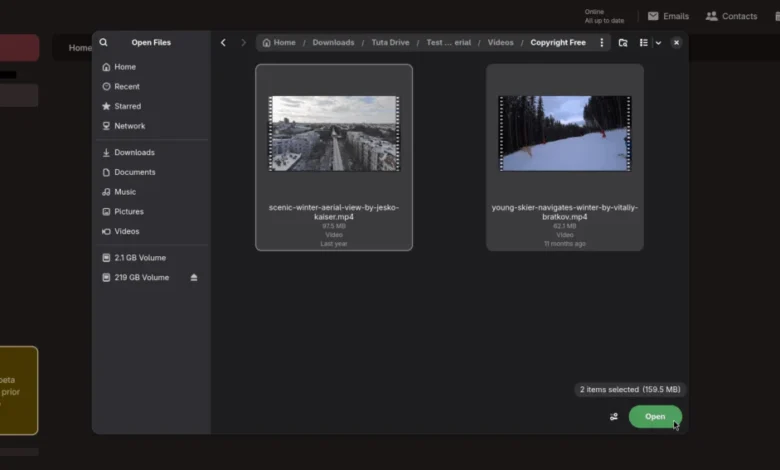
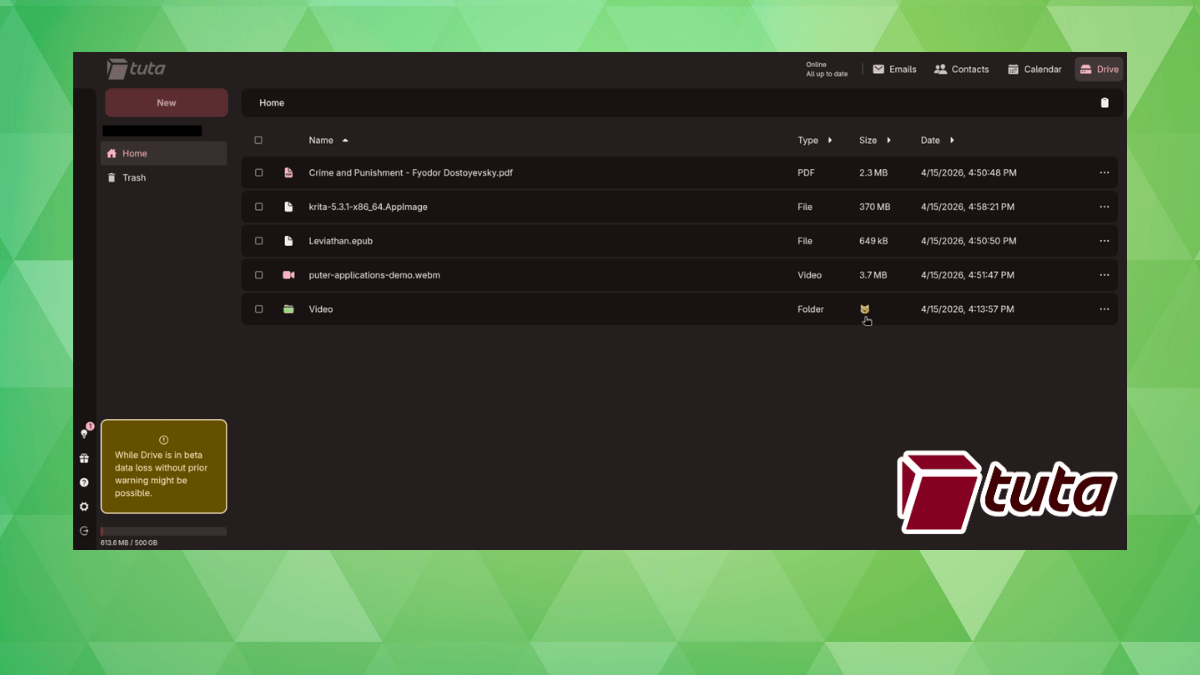
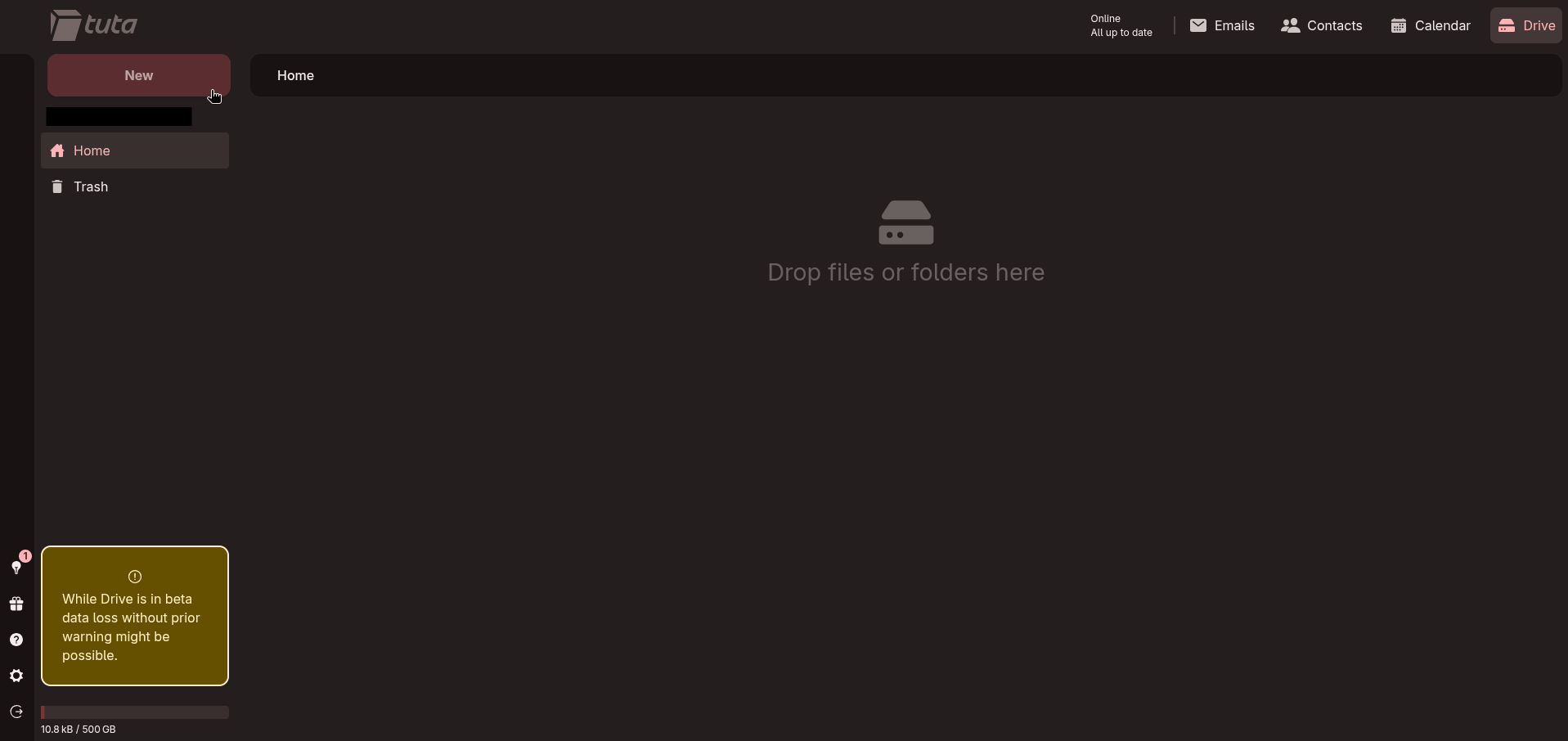
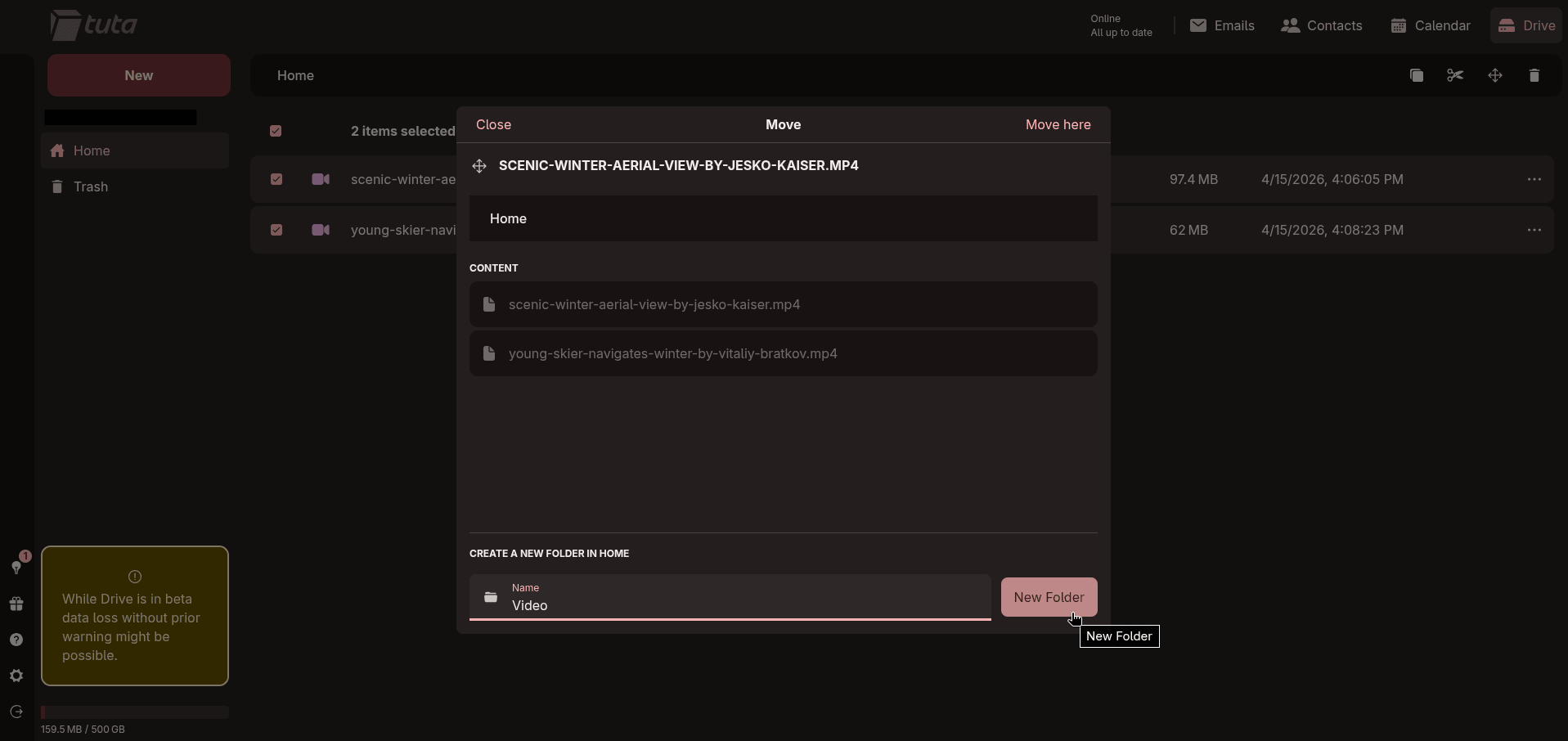
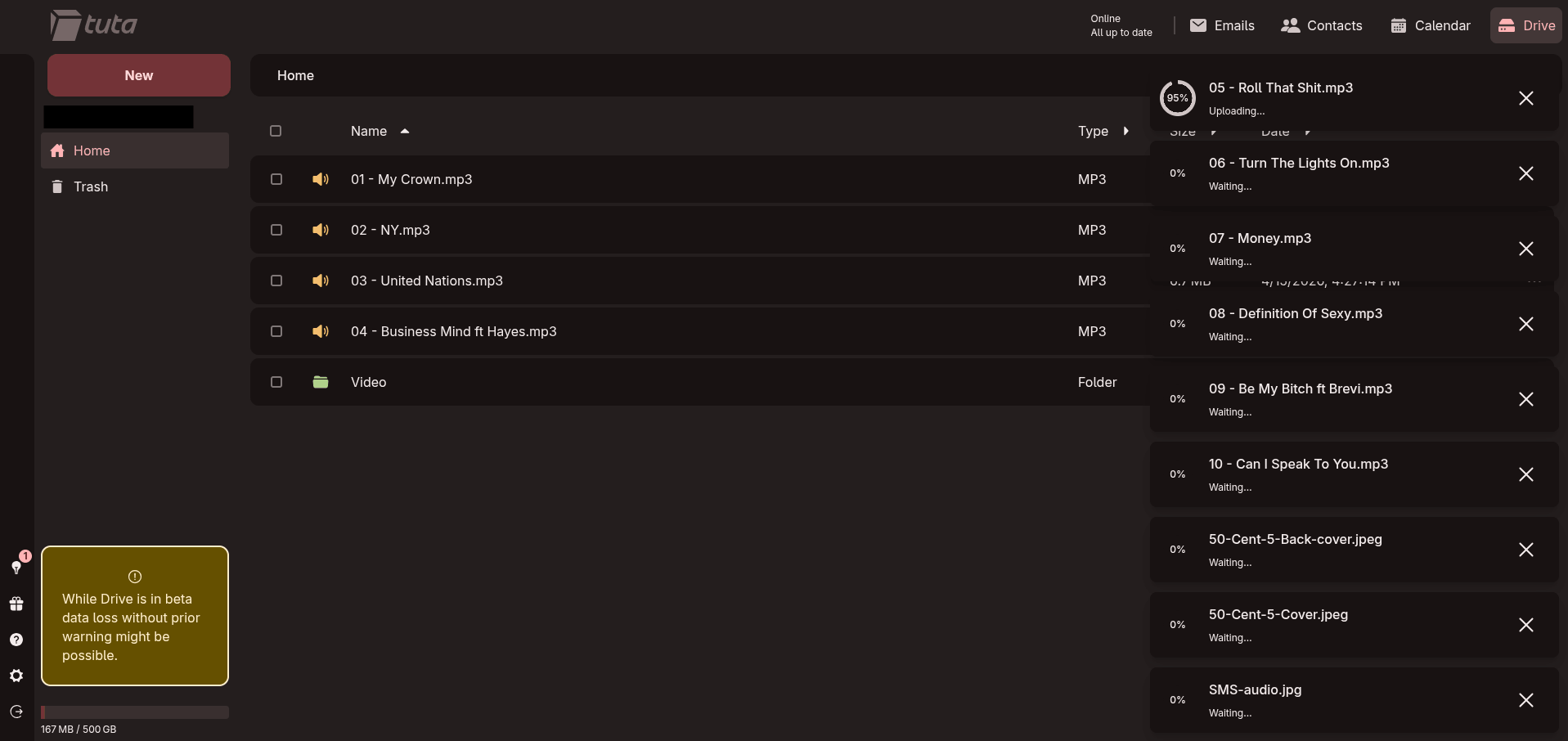
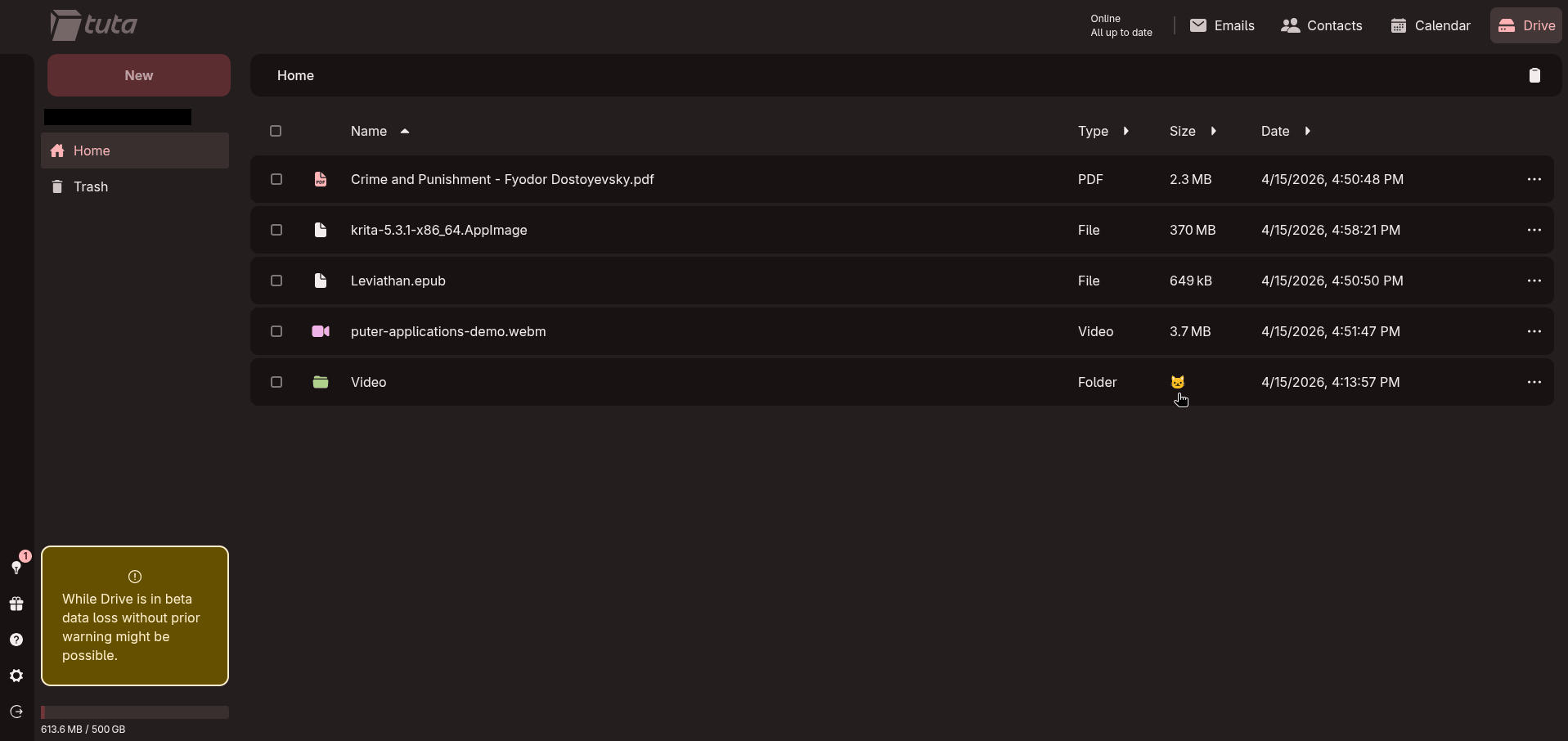
The transition into the closed beta phase allows Tuta to gather critical performance data and user feedback from a controlled group of participants. Early evaluations of the beta version indicate a focus on a "minimalist and functional" user experience. The interface is integrated into the existing Tuta web and desktop applications, featuring a sidebar and top navigation bar that allows users to switch seamlessly between Mail, Contacts, Calendar, and the new Drive component.
Initial testing of the beta reveals the following operational characteristics:
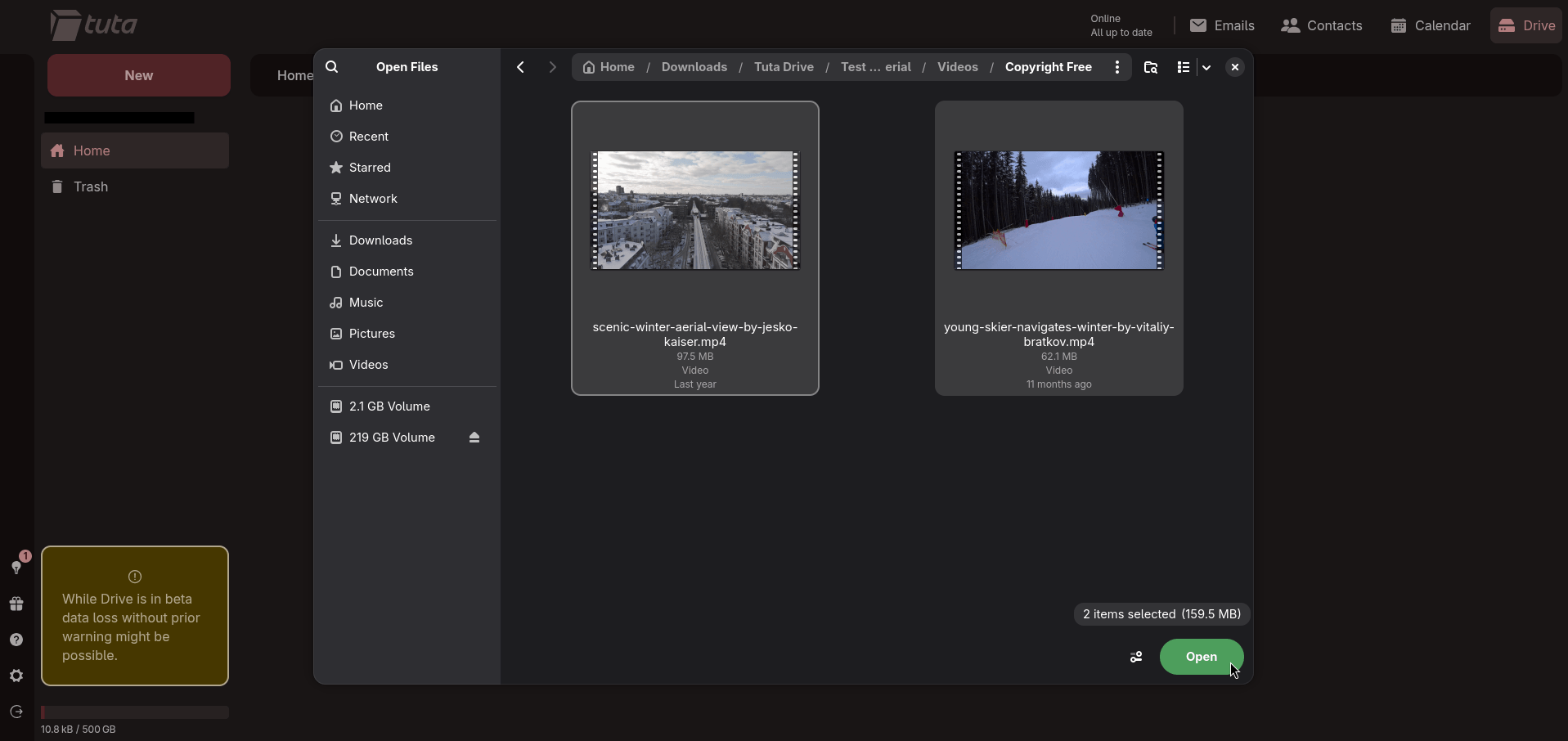
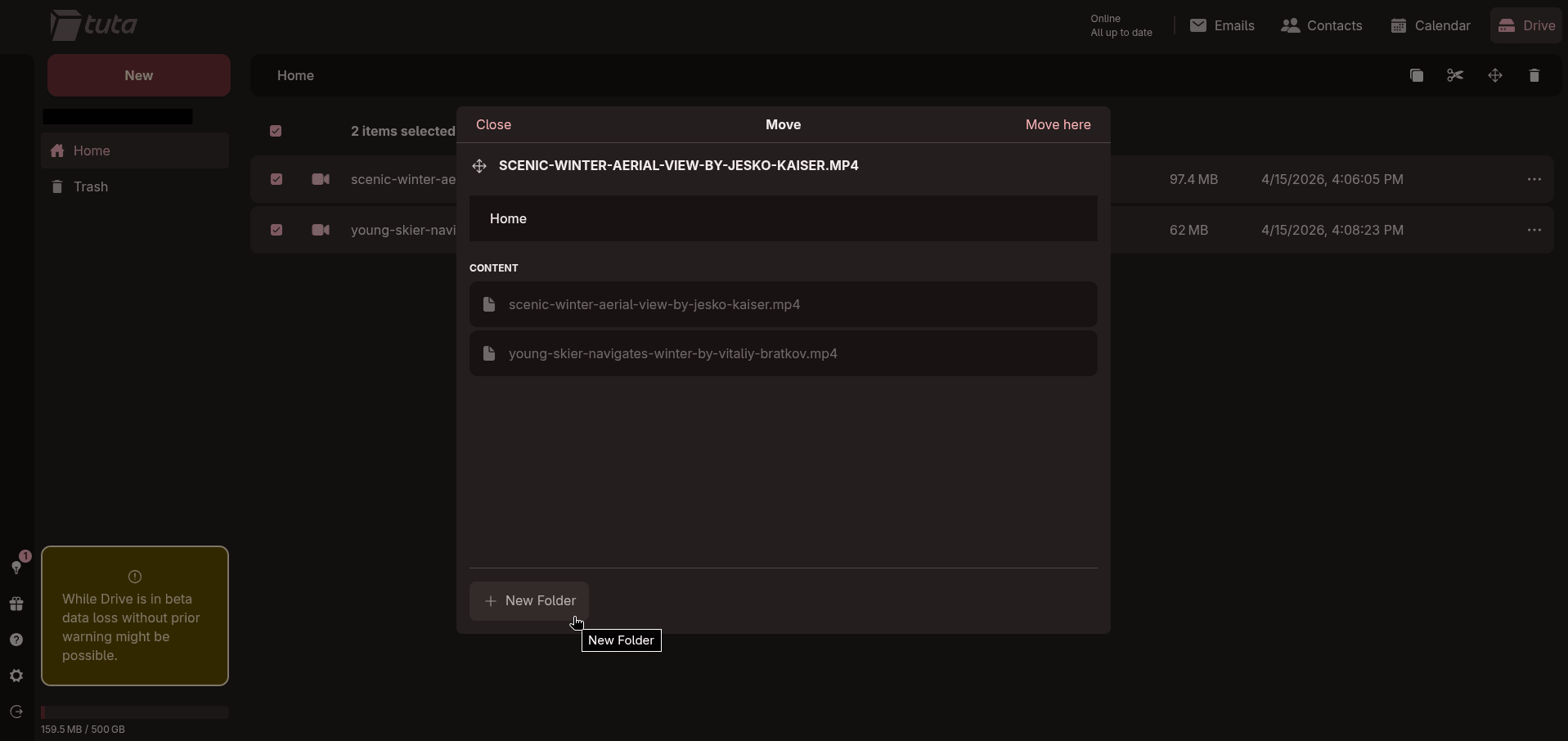
- File Management: Users can upload, move, and delete files using a standard right-click context menu or drag-and-drop functionality. A "Trash" feature allows for the recovery of accidentally deleted files or their permanent removal from the servers.
- Visual Identification: The system assigns specific icons to different file types, such as images, videos, and audio files. Current iterations use placeholders (such as emojis) for folder size information, indicating that the metadata display is still under refinement.
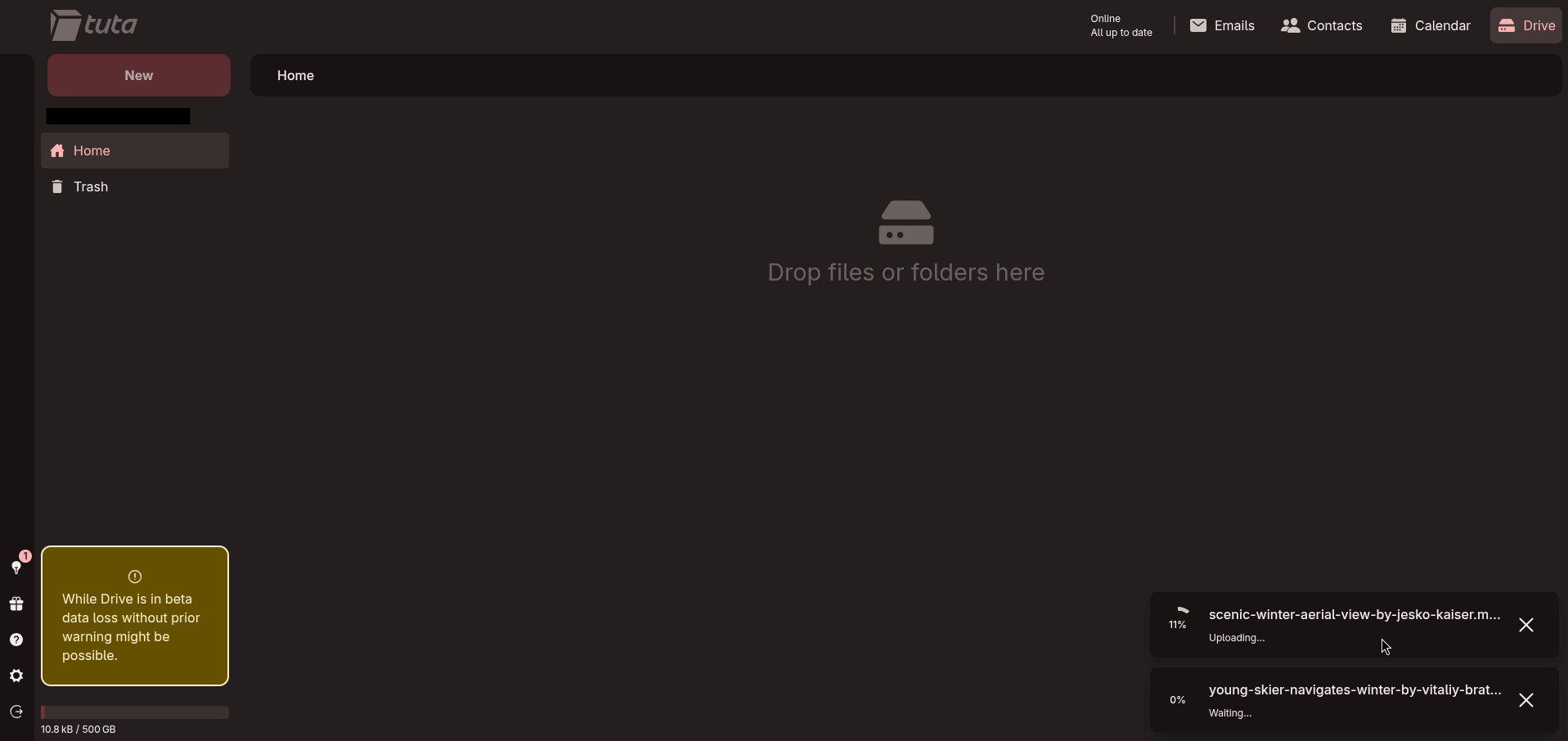
- Upload Performance: Testing suggests that while file transfers are rapid under standard connection conditions, users operating behind a Virtual Private Network (VPN) may experience slower speeds—a common trade-off in highly secure, routed environments.
- Batch Processing: The interface includes a progress list for multiple simultaneous uploads, though early testers have noted that the current version lacks the ability to scroll through the list to monitor specific file statuses in real-time.
Despite these foundational features, the beta version currently lacks several high-level utilities expected in a mature cloud service. For instance, folder-level uploads are not yet supported, requiring users to upload files individually or in groups. Additionally, search functionality within the Drive is currently absent, and standard keyboard shortcuts (such as Ctrl+A for selecting all items) have yet to be implemented. Tuta has indicated that these features are on the development roadmap and will be refined based on user input during the beta period.
Official Response and Strategic Vision
Arne Möhle, CEO of Tuta, emphasized that the launch of Drive is a critical milestone in the company’s evolution from an email provider to a full-service privacy ecosystem. In a statement regarding the beta launch, Möhle noted that the expansion is a direct response to the needs of Tuta’s existing user base.
"With Tuta Drive, we are taking the next step towards offering a full private digital workspace," Möhle stated. "Today, more than ten million citizens and businesses, including journalists, whistleblowers, and activists, use Tuta Mail as an alternative to insecure email offered by mainstream providers. Adding an encrypted cloud storage to Tuta will enable them to also store their files securely."
This sentiment reflects a broader trend in the privacy sector where companies are seeking to create "sticky" ecosystems. By offering a suite of interconnected tools—email, calendar, and storage—Tuta aims to reduce the friction users face when trying to leave data-harvesting platforms like Google Workspace or Microsoft 365.
Broader Impact and Industry Implications
The entry of Tuta Drive into the market intensifies the competition among encrypted service providers, most notably Proton (the makers of Proton Drive). As these companies expand their offerings, the "privacy-first" sector is beginning to mirror the convenience and integration of mainstream Big Tech suites, but without the associated surveillance risks.
The focus on post-quantum cryptography is particularly significant. As the National Institute of Standards and Technology (NIST) in the United States and similar bodies in Europe move toward finalizing post-quantum standards, Tuta’s early adoption positions them as a first-mover in the "quantum-ready" storage market. This is likely to appeal to enterprise clients and government entities that manage data with long-term sensitivity, such as medical records or legal archives, which must remain secure for decades.
Moreover, the successful development of Tuta Drive through the KMU-innovativ program serves as a case study for how public-private partnerships can foster innovation in cybersecurity. By providing the financial runway for SMEs to conduct fundamental cryptographic research, the German government is actively participating in the creation of a more resilient digital infrastructure.
As Tuta Drive progresses through its closed beta, the focus will shift toward optimizing performance and expanding the feature set to include file sharing and mobile integration. For the 10 million users currently within the Tuta ecosystem, the public release of Drive will represent the final piece of a sovereign digital environment, allowing for the complete migration of personal and professional data into an encrypted, post-quantum-secured space. The timeline for public release remains dependent on the results of the beta phase, but the company’s trajectory suggests a significant shift in the competitive landscape of secure cloud storage by late 2026.
Related posts: