The Comprehensive Expansion of Enterprise Cloud Infrastructure Suites Redefines Modern Digital Transformation Strategies


The landscape of enterprise technology continues to undergo a rapid and fundamental transformation, driven primarily by the escalating demands of artificial intelligence integration, scalable computing architectures, and sophisticated cybersecurity requirements. In response to these shifting paradigms, leading cloud service providers are systematically overhauling and expanding their comprehensive product ecosystems. This strategic evolution focuses on delivering an integrated suite of resources encompassing high-performance compute capabilities, secure container management, fully managed database engines, advanced development and management tools, resilient networking protocols, multi-layered security frameworks, and infinitely scalable cloud storage solutions. As organizations across virtually every industry sector accelerate their digital transformation roadmaps, the availability of modular, robust, and secure cloud infrastructure has transitioned from a competitive advantage to an operational necessity.
Background Context of Cloud Ecosystem Evolution
To fully understand the current trajectory of cloud infrastructure development, one must examine the historical progression of enterprise IT. Over the past two decades, organizations have migrated from maintaining costly on-premises data centers to adopting flexible cloud-based architectures. Initially, this migration focused on basic infrastructure-as-a-service (IaaS) models, where virtual machines and rudimentary storage units replaced physical servers. However, as data volumes expanded exponentially and application architectures shifted from monolithic designs to microservices, the limitations of basic cloud provisioning became apparent.
The proliferation of artificial intelligence and machine learning workloads over the last five years served as a major catalyst for change. AI applications demand unprecedented computational throughput, ultra-low-latency networking, and specialized databases capable of handling unstructured data sets at scale. Consequently, modern cloud providers have had to evolve beyond simple resource rental. Today’s ecosystem requires deeply integrated suites that allow software engineering teams to build, deploy, scale, and secure complex applications within a unified operational dashboard. This holistic approach minimizes friction, reduces administrative overhead, and accelerates time-to-market for digital products and services.
Chronology of Infrastructure Modernization
The maturation of cloud-native ecosystems did not occur overnight; it followed a distinct developmental timeline shaped by emerging technological needs and enterprise demands.
Phase One: The Foundation of Compute and Storage (2010–2015)
During the early years of widespread cloud adoption, providers concentrated on establishing reliable, elastic compute resources and scalable object storage. The primary objective was convincing risk-averse enterprise CTOs that data could be stored safely off-premises without sacrificing availability. During this period, basic networking and security configurations were largely manual, requiring specialized systems administrators to configure virtual private clouds and firewalls.
Phase Two: The Containerization and Microservices Boom (2016–2020)
As software development practices shifted toward containerization technologies like Docker and orchestration platforms like Kubernetes, cloud providers adapted by introducing managed container services and image registries. This era also marked the rise of managed databases, freeing developers from the administrative burdens of database patching, replication, and scaling. Management tools began to incorporate basic monitoring and logging capabilities, providing early visibility into cloud expenditure and resource utilization.
Phase Three: The AI and Security Integration Era (2021–Present)
The current phase of cloud evolution is defined by the convergence of high-performance computing, advanced artificial intelligence capabilities, and zero-trust security architectures. Modern cloud platforms now feature specialized accelerators designed specifically for machine learning model training and inference. Concurrently, security has been embedded into every layer of the cloud stack, utilizing automated threat detection, identity and access management (IAM), and encryption protocols to protect sensitive enterprise assets against increasingly sophisticated cyber threats.
Core Pillars of Modern Cloud Architecture
The modern enterprise cloud ecosystem relies on several foundational pillars, each addressing specific operational requirements within the software development lifecycle.
Compute Resources for Scalable Workloads
At the heart of any comprehensive cloud strategy lies the compute layer. Enterprises require the flexibility to provision processing power dynamically based on fluctuating demand. Modern compute offerings range from general-purpose virtual instances to memory-optimized and compute-optimized nodes tailored for intensive data processing. Furthermore, serverless computing models have gained significant traction, allowing developers to execute code in response to events without provisioning or managing underlying servers, thereby optimizing cost efficiency.
Containers and Image Management
The shift toward microservices architecture has made containerization an industry standard. Managing containerized applications at scale necessitates robust repositories and orchestration tools that ensure safe storage, version control, and seamless deployment of container images. These systems incorporate automated vulnerability scanning to identify security flaws in container layers before they reach production environments, ensuring that software supply chains remain secure.
Managed Databases and Data Persistence
Data is widely regarded as the most valuable asset of the modern enterprise. However, maintaining high availability, disaster recovery, and consistent performance for relational and non-relational database engines requires specialized expertise. Managed database services alleviate this burden by automating routine maintenance tasks such as backups, software updates, and scaling operations. This enables database administrators and software engineers to focus on schema optimization and data analytics rather than hardware maintenance.
Management, Development, and Observability Tools
As cloud environments grow in complexity, gaining comprehensive visibility across distributed infrastructure becomes paramount. Management and development tools provide the necessary telemetry, logging, and tracing capabilities to diagnose performance bottlenecks and system anomalies in real time. Infrastructure-as-code (IaC) integration allows engineering teams to define and provision cloud resources declaratively, ensuring consistency across development, staging, and production environments.
Networking and Traffic Control
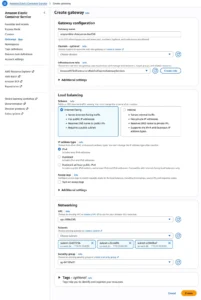
Secure and efficient data transmission is critical for distributed applications. Modern cloud networking solutions encompass virtual private clouds, load balancers, content delivery networks (CDNs), and advanced routing policies. These tools ensure that incoming traffic is distributed reliably across application instances while protecting backend services from volumetric denial-of-service (DoS) attacks and unauthorized access attempts.
Security and Compliance Frameworks
With cyber threats evolving in sophistication and frequency, security can no longer be treated as an afterthought. Comprehensive cloud security frameworks integrate identity governance, fine-grained access controls, threat intelligence, and compliance monitoring into a cohesive architecture. These features help organizations adhere to stringent regulatory standards—such as GDPR, HIPAA, and SOC 2—while safeguarding proprietary data and customer privacy.
Storage Reliability and Availability
Enterprise applications demand storage solutions that offer high durability, low latency, and infinite scalability. Modern cloud storage portfolios typically span block storage for high-performance databases, file storage for shared access across instances, and object storage for archival data and unstructured content. Redundancy mechanisms ensure that data remains accessible even in the event of hardware failures or regional outages.
Supporting Data and Market Dynamics
The expansion of cloud product portfolios aligns closely with broader macroeconomic trends within the global technology sector. According to recent market analysis from leading research firms, worldwide spending on public cloud services continues to experience double-digit growth, driven largely by enterprise migration initiatives and artificial intelligence deployments.
Industry data indicates that organizations leveraging fully managed cloud services report significant reductions in infrastructure downtime and accelerated deployment velocity. For instance, enterprises that transition from self-hosted databases to managed database engines experience an average reduction in administrative labor costs of over 30%, while simultaneously improving query performance and uptime reliability. Furthermore, the adoption of integrated security and container management tools has been shown to decrease vulnerability remediation times from weeks to mere hours, substantially strengthening the overall security posture of adopting organizations.
Industry Reactions and Strategic Implications
Technology analysts and enterprise executives have widely acknowledged the strategic necessity of comprehensive cloud portfolios. Industry observers note that organizations are increasingly seeking single-vendor or tightly integrated multi-vendor ecosystems to avoid the complexities associated with managing disparate point solutions.
In recent commentary, enterprise technology strategists emphasized that the ability to rapidly provision and scale specialized compute and storage resources directly influences an organization’s capacity for innovation. Companies that rely on fragmented legacy infrastructure often find themselves constrained by long procurement cycles and high maintenance overhead, placing them at a distinct disadvantage compared to cloud-native competitors.
From an economic perspective, the bundling of compute, storage, networking, security, and developer tools into cohesive platforms offers distinct advantages in cost predictability and resource optimization. Enterprise finance departments benefit from granular usage analytics and centralized billing, which facilitate more accurate forecasting and budget allocation. Moreover, the integration of automated management tools helps curtail unnecessary cloud expenditure—commonly referred to as cloud waste—by identifying idle resources and recommending right-sizing adjustments.
Broader Impact and Future Outlook
The continuous evolution of cloud infrastructure suites carries profound implications for the future of enterprise computing. As artificial intelligence models become more pervasive and data volumes continue to surge, the demand for high-performance, secure, and easily manageable cloud resources will only intensify.
Looking ahead, industry experts anticipate several key trends shaping the next generation of cloud services:
- Increased automation powered by machine learning algorithms designed to self-heal infrastructure and optimize resource allocation in real time.
- Deeper integration of edge computing capabilities, enabling ultra-low-latency processing for Internet of Things (IoT) devices and distributed applications.
- Enhanced cross-platform interoperability, allowing enterprises to seamlessly manage workloads across hybrid and multi-cloud environments without vendor lock-in.
- Advanced quantum-resistant security measures designed to protect sensitive data against future cryptographic threats.
In conclusion, the systematic enrichment and expansion of cloud infrastructure products represent a critical response to the complex demands of modern digital enterprises. By providing scalable compute, robust container management, reliable storage, managed databases, sophisticated networking, and multi-layered security within unified ecosystems, cloud providers are equipping organizations with the foundational tools necessary to navigate an increasingly data-driven and competitive global economy. As these technologies mature, their role as the primary engine of enterprise innovation and operational resilience will remain undisputed.
Related posts: