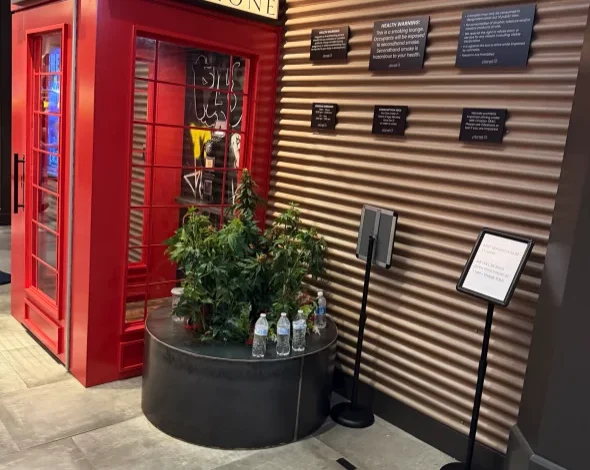
The emergence of a sophisticated identity theft marketplace known as Nexus has sent shockwaves through the cybersecurity community and federal law enforcement agencies. This week, a repository containing digital scans of more than 153 million driver’s licenses, government-issued IDs, and medical documents from the United States and Canada appeared on a prominent Russian-language cybercrime forum. The breach appears to originate from a systemic compromise of idscan.net, a Louisiana-based identity verification provider that services a vast network of Fortune 500 corporations, major retailers, and government facilities. The scope of the exposure is unprecedented, encompassing not only standard driver’s licenses but also specialized credentials, including marijuana dispensary access cards and, potentially, sensitive government-issued Common Access Cards (CACs).
The Genesis of the Nexus Marketplace
The discovery of the Nexus portal was first reported on August 31, when security researchers identified a user on the Exploit forum marketing the massive dataset. The repository is not merely a static collection of stolen files; it is an active, searchable database. Preliminary analysis suggests the platform is capable of hosting multi-modal scans, including standard digital images, infrared, and ultraviolet captures of identity documents.
The sheer volume of records is staggering. A search of the platform’s index reveals approximately 11.5 million result pages, each containing roughly 15 entries. While the data includes over 1.1 million Canadian records—with the highest concentration originating from Ontario—the overwhelming majority of the compromised data belongs to citizens of the United States. The service operates with a level of technical maturity rarely seen in dark web operations, allowing users to preview redacted records before purchase, a tactic designed to entice high-volume buyers. The database is also dynamic; reports indicate that the number of available license records increased by nearly 400,000 within a 24-hour window, suggesting that the exfiltration mechanism—or the ingestion of new data—remained active until the portal’s sudden disappearance following public exposure.

Chronology of an Investigation
The investigation into the breach began when security researchers noticed their own identification documents being used as "free samples" in the marketplace’s introductory thread. By cross-referencing metadata, such as date-stamped image files, researchers were able to correlate the theft of their data with specific physical movements.
For instance, several individuals whose data was found on the site were able to pinpoint the exact moment their licenses were scanned. In many cases, the timestamps corresponded to interactions with rental car agencies, such as Hertz, or specific point-of-sale verification systems at marijuana dispensaries. The inclusion of high-ranking U.S. government officials, including U.S. Defense Secretary Pete Hegseth, in the marketplace’s listings underscores the depth of the breach.
By September 1, the Federal Bureau of Investigation (FBI) had taken notice. The agency’s New Orleans field office, which oversees the jurisdiction where idscan.net is headquartered, launched an official inquiry. By September 2, FBI cyber division leadership had initiated high-level briefings with security researchers to understand the technical architecture of the breach. Shortly after the gravity of the situation became public, the Nexus portal abruptly shut down, leaving behind a brief, cryptic message claiming the service was no longer available.
The Role of Third-Party Verification Providers
The center of the controversy is idscan.net, a company that facilitates over 21 million identity verifications monthly across 20,000 global locations. The company’s technology is deeply embedded in the consumer experience, often operating in the background at hotels, corporate security desks, and retail environments.

The company’s "trust" profile lists an array of high-profile clients, including FedEx, Motorola Solutions, and Jack Henry. However, the ecosystem is fraught with complexity. Following the public disclosure, a spokesperson for Caesars Entertainment clarified that the company had ceased its relationship with idscan.net in February 2025 and that no active data retention agreements were in place at the time of the incident. This discrepancy highlights the risks inherent in third-party data management: even when a business terminates a contract, the security of historical data remains a critical vulnerability.
Jillian Kossman, an operations leader at idscan.net, confirmed that the company is investigating the "unauthorized third-party" access. On September 8, the company issued a formal notice confirming that names, driver’s license numbers, and potentially other government identification data had been accessed or copied.
Broader Security Implications and Risks
The compromise of 153 million driver’s licenses is not merely a privacy issue; it represents a fundamental threat to the integrity of identity authentication in North America. Driver’s licenses serve as the "gold standard" for identity proofing when opening bank accounts, securing loans, or verifying age for regulated purchases. With infrared and ultraviolet scans now in the hands of illicit actors, the ability of financial institutions to distinguish between a legitimate customer and a sophisticated fraudster is severely degraded.
The implications for vulnerable populations are particularly dire. Security researchers have pointed out that individuals in witness protection programs, victims of domestic violence, and those who have legally changed their identities for safety reasons may find their efforts to remain hidden nullified by AI-driven image matching tools. Because an individual cannot easily change their facial features or, in some cases, their government-issued identity credentials, this breach creates a permanent security deficit.

Analysis of Systemic Fragility
The Nexus breach serves as a case study in the risks of the "identity-as-a-service" model. As more organizations—from cannabis dispensaries to transit hubs—outsource identity verification to third-party vendors, they create massive, centralized honey pots of sensitive information.
"This episode should further strengthen the resolve for people who are fighting back against online ID schemes," noted Zach Edwards, a privacy researcher. "We are forcing people to hand over their most sensitive credentials to third-party vendors, yet we lack the regulatory oversight to ensure those vendors are treating that data with the necessary level of care."
The incident also exposes the limitations of existing authentication standards. As the TSA and other agencies move toward "Real ID" compliance, the reliance on digital document verification systems increases. If the infrastructure supporting these systems is compromised at the vendor level, the security gains intended by these upgrades are effectively erased.
Moving Forward: Accountability and Remediation
While the Nexus portal has been taken offline, the damage is already done. The data is likely circulating in private channels within the cybercrime underground, and the potential for long-term fraud is significant.

For the victims, the remediation process is complex. Unlike a password, which can be changed, a driver’s license number is a semi-permanent identifier. Regulatory bodies and lawmakers are expected to face mounting pressure to implement stricter standards for data retention by identity verification firms. The current "collect everything" approach—where vendors scan and store high-resolution images of IDs long after the initial verification is complete—is being identified as a primary failure point.
The investigation by the FBI continues, with a focus on determining how the exfiltration remained undetected for over a year. As the dust settles, the event will likely serve as a turning point in the debate over the digital economy’s dependence on the pervasive, insecure collection of biometric and government-issued identification data. For now, millions of citizens remain at heightened risk of identity theft, forced to navigate a financial and digital landscape where their primary proof of identity has been effectively weaponized against them.