LG Electronics USA to Suspend Smart TV Apps Utilizing Residential Proxy Software Development Kits

In a decisive move to bolster consumer privacy and platform security, LG Electronics USA announced this week that it will begin a systematic suspension of applications on its webOS smart TV platform that function as always-on residential proxy nodes. This policy shift follows a high-profile security investigation by the firm Spur, which revealed that a significant portion of the LG app ecosystem was being utilized to route third-party internet traffic through unsuspecting users’ home networks.
The practice of transforming consumer electronics—specifically smart TVs—into proxy nodes has emerged as a controversial monetization strategy for app developers. By integrating specialized Software Development Kits (SDKs), developers can effectively rent out a user’s bandwidth to external entities. While these proxy networks are often marketed as tools for legitimate web scraping, market research, and content verification, their presence on household devices has raised significant alarm among cybersecurity experts regarding data privacy, network security, and the potential for misuse.
The Scope of the Problem: A Data-Driven Analysis
The impetus for LG’s intervention stems from a July 2, 2026, research report published by Spur, a security firm specializing in IP intelligence and network integrity. The researchers conducted an exhaustive audit of the application storefronts for two of the world’s leading smart TV manufacturers: LG (webOS) and Samsung (Tizen OS).
The findings were stark. According to the Spur analysis, more than 42 percent of the applications available for download on LG’s webOS platform contained SDKs designed to convert the television into a residential proxy node. The report further indicated that the phenomenon was not isolated to LG, noting that approximately 25 percent of applications developed for Samsung’s Tizen operating system utilized similar proxy-based components.
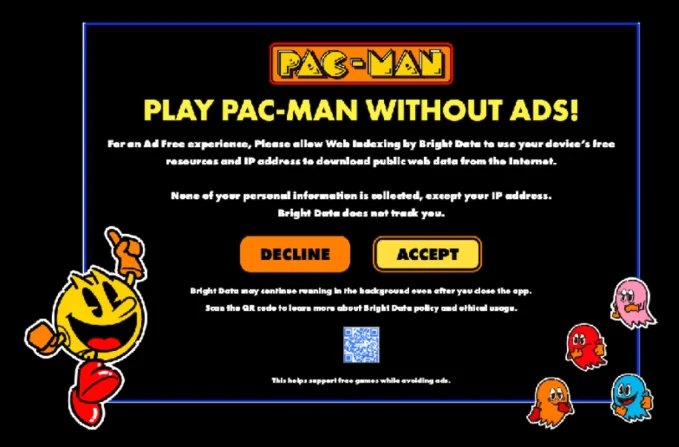
These SDKs, once active, allow the device to act as an exit node for traffic generated by the proxy provider’s clients. This means that a user’s home IP address could be used to facilitate activity ranging from benign data aggregation to more malicious operations, potentially implicating the home user in traffic that violates terms of service or, in extreme cases, involves illicit activity. The apps found to contain these SDKs were varied, ranging from simple entertainment software like classic arcade games to utility-based applications such as screensavers and file managers.
Chronology of the Regulatory Response
The path toward this policy change accelerated rapidly throughout July 2026. The sequence of events highlights a growing tension between the monetization desires of third-party developers and the platform governance responsibilities of hardware manufacturers.
- Early July 2026: Spur releases its comprehensive report detailing the high prevalence of proxy SDKs in the smart TV market, sparking immediate industry debate.
- July 2, 2026: KrebsOnSecurity highlights the findings, drawing significant public attention to the issue and questioning the lack of transparency in app store vetting processes.
- Mid-July 2026: LG Electronics begins a internal review of its application ecosystem to identify non-compliant software.
- Late July 2026: LG officially communicates its intent to purge these apps from the webOS store, setting a firm deadline for developers to remove the offending code or face total removal from the platform.
Corporate Perspectives and Industry Defense
The response from stakeholders involved in the proxy ecosystem has been characterized by a defense of the technology’s utility, balanced by a commitment to regulatory compliance. Bright Data, one of the primary providers of residential proxy services identified in the Spur report, issued a statement emphasizing that its operations are built upon a foundation of user consent and rigorous auditing.
"Every peer opts in through a dedicated screen and receives value in return; every customer is vetted, and our practices have now undergone a second independent audit by PwC," a representative for Bright Data noted. The company further asserted that its network serves as a critical infrastructure for legitimate businesses, researchers, and academic institutions that require access to public-domain data to function effectively in a globalized digital economy.

However, John Taylor, Senior Vice President of LG Electronics, countered this narrative by clarifying that the residential proxy model does not align with the intended function of an LG smart TV. "A residential proxy network is not an intended use for LG smart TVs," Taylor stated in an email to KrebsOnSecurity. He confirmed that the company is currently in the process of auditing its entire library of developer-submitted apps. Developers who refuse to strip their applications of proxy SDKs will have their software suspended indefinitely from the webOS platform.
Technical Risks and Consumer Vulnerability
The debate centers on the concept of "meaningful consent." While proxy providers argue that users agree to the terms via a prompt, critics like Trevor Sutter of Spur point out the inherent flaws in this model when applied to household appliances.
"A one-time consent prompt buried in a TV app is not a substitute for meaningful transparency, ongoing control, and platform oversight," Sutter noted. He highlighted that smart TVs are communal devices often used by individuals who may not be technically literate or who may not be the primary owner of the device, such as children or elderly family members. When these individuals interact with a prompt, they may inadvertently agree to terms that have long-term consequences for the security of the entire household network.
Furthermore, there is a legitimate concern regarding the potential for "lateral movement." While proxy providers implement countermeasures intended to prevent their clients from accessing other devices on a user’s local network, the risk remains that a compromised or misconfigured proxy node could be exploited to map local network topologies or launch internal attacks against other connected devices, such as laptops, smartphones, or smart home controllers.
Broader Implications for the IoT Ecosystem
The decision by LG to take a hard line against residential proxy SDKs may signal a broader shift in the Internet of Things (IoT) industry. As smart devices become increasingly ubiquitous, manufacturers are facing mounting pressure to move away from the "wild west" approach to application vetting.
Industry analysts suggest that this event could lead to more stringent app store guidelines across the board, potentially mandating that developers provide detailed disclosures regarding any third-party code libraries integrated into their software. The incident has also highlighted the tension between "free-to-play" monetization models—where users pay with their data or bandwidth instead of cash—and the fundamental expectation of privacy within the home.
The move also comes at a sensitive time for LG’s reputation regarding software management. Concurrent with the proxy controversy, the company faced backlash following reports from the tech journalism outlet Gamers Nexus. The report detailed that certain high-end LG LCD monitors were automatically installing software through Windows Update that promoted paid McAfee antivirus subscriptions without explicit user intervention. This incident, while distinct from the smart TV proxy issue, has contributed to a public narrative centered on the lack of transparency regarding what software is running on consumer hardware.
Future Outlook and Regulatory Pressure
As the industry moves forward, it is likely that hardware manufacturers will face increased scrutiny from privacy regulators, particularly in jurisdictions like the European Union under the General Data Protection Regulation (GDPR) and the California Consumer Privacy Act (CCPA). These frameworks place a high premium on the necessity of explicit, informed, and granular consent for the processing of user data—a requirement that is often at odds with the "blanket" consent models frequently used by proxy providers.
For the consumer, the takeaway is clear: the era of the "dumb" smart device is over. As televisions become powerful, internet-connected computers, they require the same level of security awareness as a primary workstation. While LG’s commitment to purging proxy SDKs is a significant step toward consumer protection, it also serves as a reminder that transparency in the digital age remains a work in progress. Moving forward, the industry will need to strike a balance between allowing developers to innovate and ensuring that the household remains a secure, private environment, free from the exploitation of shared residential bandwidth.