
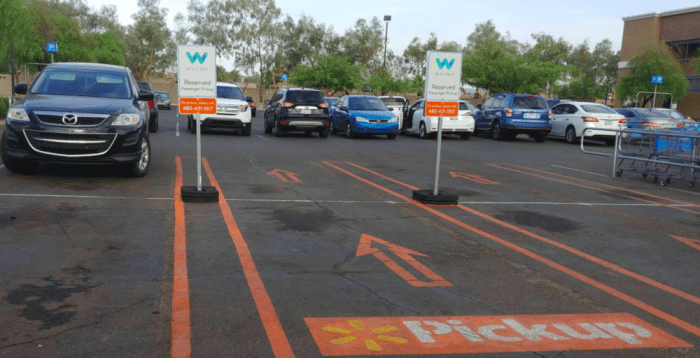
Waymo walmart self driving vehicles groceries discounts – Waymo Walmart self-driving vehicles groceries discounts are poised to transform the grocery delivery landscape. Imagine a future where your groceries are delivered by autonomous vehicles, offering unprecedented convenience and potentially significant savings. This innovative partnership between Waymo and Walmart promises to streamline the process, cutting down delivery times and costs while potentially enhancing the overall shopping experience.
From optimizing delivery routes to potentially altering the very layout of grocery stores, this integration of self-driving technology into the retail sector is brimming with possibilities. Let’s explore the potential benefits, challenges, and economic implications of this game-changing collaboration.
Introduction to Waymo and Walmart Self-Driving Groceries
The convergence of self-driving technology and retail giants like Walmart presents a fascinating glimpse into the future of consumer experience. Imagine ordering groceries online, and a self-driving vehicle from Waymo arrives at your doorstep, effortlessly navigating traffic and delivering your meticulously curated shopping list. This innovative partnership promises to revolutionize grocery delivery, potentially enhancing efficiency, reducing costs, and reshaping how we interact with retail services.This integration of self-driving technology into the grocery delivery process has the potential to create a more convenient and potentially more affordable experience for consumers.
The efficiency gains from autonomous vehicle operation could lead to lower delivery costs, which could translate into lower prices for consumers. This could significantly impact the entire grocery industry and customer expectations.
Waymo’s Self-Driving Technology
Waymo, a subsidiary of Alphabet Inc., has been a pioneer in the development of self-driving technology. Their approach to autonomous driving emphasizes advanced sensor technology, sophisticated algorithms, and extensive real-world testing. Waymo’s vehicles are equipped with a suite of sensors, including lidar, radar, and cameras, that enable them to perceive and interpret their surroundings. These sensors work in conjunction with sophisticated machine learning algorithms to enable the vehicles to navigate complex environments and make real-time decisions.
Waymo’s extensive testing programs have provided invaluable data, further refining their algorithms and enhancing the vehicles’ safety and reliability. Waymo’s commitment to safety and continuous improvement is evident in their rigorous testing protocols and data-driven approach.
Walmart’s Retail Operations, Waymo walmart self driving vehicles groceries discounts
Walmart, a global retail giant, operates a vast network of stores and online platforms. Their established infrastructure, coupled with their substantial logistics expertise, positions them to effectively integrate self-driving technology into their existing operations. Walmart’s online grocery delivery service is already a significant part of their business, and this integration with self-driving vehicles represents a logical next step in optimizing their delivery processes.
Walmart’s extensive reach and established consumer base provide a fertile ground for testing and implementing self-driving solutions.
Current State of Self-Driving Vehicle Technology
Self-driving technology has made significant strides in recent years, but challenges remain. While fully autonomous vehicles are still not prevalent on public roads, the technology is steadily improving. Current self-driving systems are capable of handling various driving scenarios, but limitations remain in complex and unpredictable environments. Regulatory frameworks and public acceptance are also key factors influencing the wider adoption of self-driving vehicles.
However, ongoing research and development, coupled with supportive government policies, are expected to accelerate the adoption of this technology in the near future.
Potential Impact on Consumer Behavior and Preferences
The integration of self-driving vehicles into grocery delivery services is likely to significantly impact consumer behavior and preferences. Increased convenience and potentially lower prices could lead to a surge in online grocery orders. Consumers may prioritize factors like speed and efficiency over traditional in-store shopping experiences. This could lead to a shift in shopping habits, with a growing reliance on automated delivery systems for essential goods.
The integration of technology could potentially change the dynamics of shopping trips and customer expectations.
Delivery Efficiency and Logistics
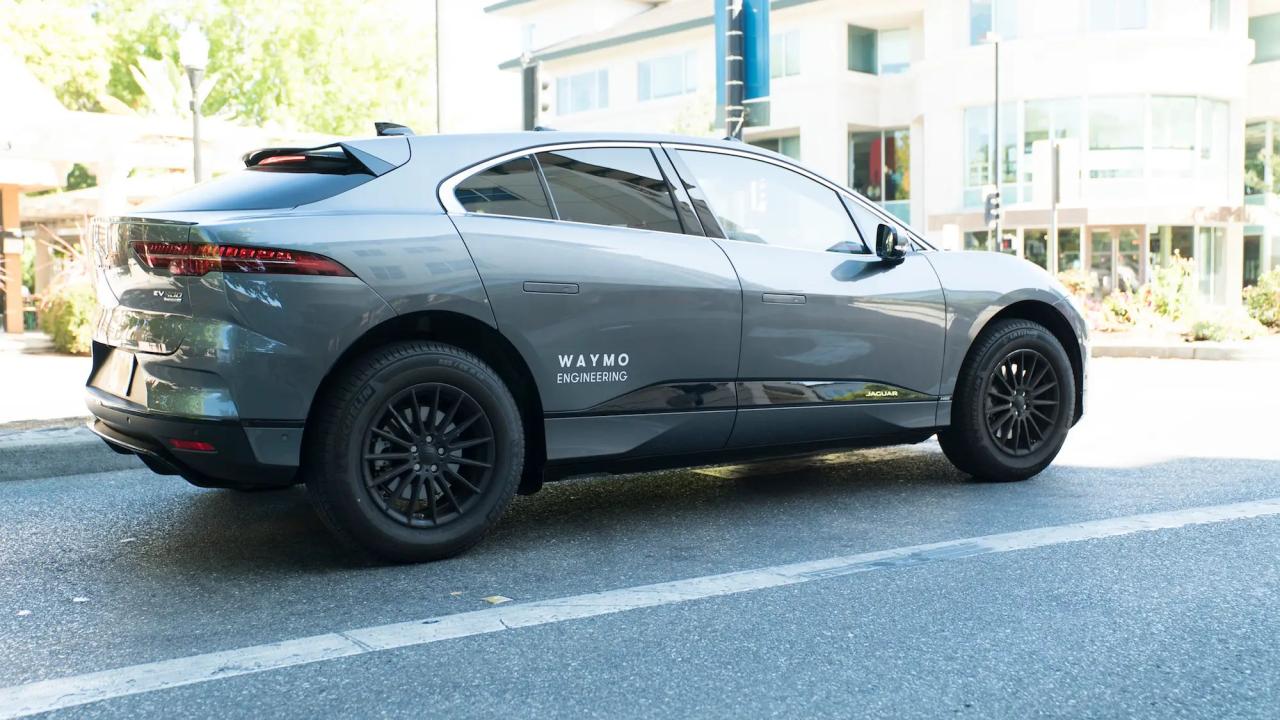
The integration of self-driving vehicles into Walmart’s grocery delivery system promises significant improvements in efficiency and cost-effectiveness. Traditional delivery methods, reliant on human drivers, often face constraints in terms of speed, flexibility, and scalability. Self-driving technology offers a potential solution to these challenges.Autonomous vehicles can potentially revolutionize the logistics of grocery delivery by drastically reducing delivery times and costs.
This shift is driven by the ability of these vehicles to operate continuously, navigate complex routes efficiently, and adapt to real-time traffic conditions. The key to realizing this potential lies in effective route optimization and robust logistical planning.
Potential for Reduced Delivery Times and Costs
The efficiency gains from self-driving vehicles stem from their ability to operate around the clock without rest breaks, minimizing downtime. This constant availability allows for more frequent deliveries and potentially shorter delivery windows. Furthermore, optimized routes generated by sophisticated algorithms can significantly reduce travel time, which directly translates to lower delivery costs. This cost reduction can be passed on to customers through lower prices or more frequent promotions.
Comparison of Traditional and Self-Driving Delivery Methods
Traditional delivery methods, typically relying on human drivers and assigned delivery trucks, are limited by factors like driver fatigue, traffic congestion, and unpredictable delays. These factors contribute to increased delivery times and higher operational costs. Self-driving vehicles, in contrast, are not subject to these constraints, leading to potential reductions in delivery times and costs.
Logistical Challenges for Implementing Integration
Implementing self-driving vehicle delivery presents logistical challenges. Infrastructure requirements, such as dedicated lanes or designated parking areas, might need to be developed. Safety protocols and regulations must be meticulously established and rigorously enforced to ensure safe operation in diverse environments. Data security and privacy concerns are also crucial considerations. Properly integrating self-driving vehicles into existing delivery networks, which might involve integrating with current warehouse and delivery infrastructure, will be critical to the success of this initiative.
Role of Autonomous Vehicles in Optimizing Delivery Routes
Autonomous vehicles, equipped with advanced mapping and route optimization software, can analyze real-time traffic conditions, road closures, and other factors to dynamically adjust delivery routes. This dynamic route adjustment minimizes travel time and optimizes delivery efficiency. These vehicles can also be deployed in a more flexible manner, accommodating diverse delivery locations and volume fluctuations, unlike traditional models which often are tied to fixed schedules.
Delivery Time Estimates Comparison
| Delivery Method | Scenario 1: Urban Area, Low Traffic | Scenario 2: Suburban Area, Moderate Traffic | Scenario 3: Rural Area, High Traffic |
|---|---|---|---|
| Traditional (Human Driver) | 60-90 minutes | 90-120 minutes | 120-180 minutes |
| Self-Driving (Optimized) | 45-60 minutes | 60-75 minutes | 75-120 minutes |
The table above provides a simplified comparison of potential delivery times for different scenarios. Note that these are estimates, and actual times may vary based on specific factors. Self-driving vehicles, with their ability to adapt to real-time conditions, generally show the potential for significant time savings.
Grocery Shopping Experience Enhancement: Waymo Walmart Self Driving Vehicles Groceries Discounts
The integration of self-driving vehicles into the grocery shopping experience promises a revolution, transforming how we interact with supermarkets and access essential goods. This shift will be characterized by increased efficiency, reduced congestion, and a more personalized shopping experience. The potential for tailored shopping journeys and expanded accessibility for diverse demographics is significant.Self-driving vehicles offer the potential to reshape the entire grocery shopping experience, from the initial selection of products to the final delivery to your doorstep.
By automating the transportation aspect, customers can enjoy a more streamlined and less stressful shopping experience, potentially freeing up time for other activities.
Possible Changes to the Customer Experience
The introduction of self-driving vehicles in grocery stores will likely lead to a reduction in wait times and congestion, especially during peak hours. Customers could potentially bypass traditional checkout lines, allowing for a more personalized shopping experience tailored to individual preferences and needs. This could include pre-ordering and scheduling specific delivery windows for maximum convenience.
Different Ways Self-Driving Vehicles Enhance Grocery Shopping
Self-driving vehicles can enhance grocery shopping in numerous ways. Customers can browse shelves from the comfort of their vehicle, making selections without physically walking the aisles. They can also pre-order groceries online and have them delivered directly to their vehicle or home, eliminating the need for trips to the store. This automated process minimizes the time spent on shopping and enhances the overall experience.
Moreover, the integration of technology could allow for personalized recommendations based on past purchases and dietary preferences, ensuring a more curated and satisfying shopping journey.
Hypothetical Grocery Store Layout Optimized for Self-Driving Vehicle Delivery
A grocery store layout optimized for self-driving vehicles would likely feature designated zones for different product categories, arranged logically for efficient retrieval. Aisles could be wider to accommodate the automated vehicles and potentially include interactive displays for product information and nutritional data. The store layout could also include dedicated loading and unloading areas, optimized for rapid and safe delivery.
Impact on Grocery Availability and Accessibility for Different Demographics
Self-driving vehicles have the potential to increase the accessibility of groceries for various demographics. For example, individuals with mobility limitations may find it easier to access groceries, as they can order and receive their items without physical travel. Furthermore, residents in rural areas or those with limited transportation options could benefit from the expanded delivery options, potentially bridging the gap between grocery availability and accessibility.
Waymo’s self-driving vehicles partnering with Walmart for grocery delivery discounts is pretty cool, right? But speaking of cool tech, the upcoming Nintendo Switch 2 and its Activision briefing regarding next-gen features, like nintendo switch 2 activision briefing next gen switch , is also shaping up to be a big deal. It’ll be interesting to see how these advancements in autonomous vehicles and gaming technology could potentially impact the future of shopping and entertainment.
Maybe Waymo will offer discounts on groceries for players who achieve certain milestones in their next-gen gaming adventures. Wouldn’t that be something?
Increased accessibility will lead to greater convenience for all.
Features Shoppers Could Expect from Self-Driving Delivery
- Real-time tracking of delivery vehicles: Customers will have the ability to monitor the progress of their delivery in real time, ensuring transparency and accountability.
- Personalized delivery scheduling: Customers can select their preferred delivery time slots, maximizing convenience and minimizing disruptions to their daily routines.
- Automated order processing and fulfillment: The system can automatically process orders, manage inventory, and coordinate deliveries, ensuring a smooth and efficient shopping experience.
- Integration with existing loyalty programs: Self-driving delivery services can integrate with existing loyalty programs, offering exclusive discounts and rewards to loyal customers.
- Secure and contactless delivery options: Self-driving vehicles can offer secure and contactless delivery options, allowing customers to receive their groceries without physical interaction.
Discounts and Incentives for Customers
Attracting customers to a new, self-driving grocery delivery service requires compelling incentives. Discounts and loyalty programs are key to driving adoption and fostering customer satisfaction, encouraging repeat business. Walmart, with its vast customer base, can leverage these strategies to establish a strong foothold in the burgeoning self-driving delivery market.Incentivizing customers to use self-driving vehicles for grocery delivery requires a nuanced approach, considering the varying levels of usage and the frequency of orders.
By offering tiered discounts based on order frequency and vehicle usage, Walmart can tailor incentives to reward loyal customers and encourage new users.
Discount Scenarios Based on Order Frequency
Understanding customer behavior is crucial for crafting effective discount structures. Different customer segments will respond to varying incentives. Offering a tiered system, with increasing discounts for more frequent orders, can motivate regular use of the service.
- First-time users: A welcome discount, such as a percentage off their first order, can encourage initial engagement. This introductory offer can be a percentage-off coupon or a free item with a qualifying order.
- Frequent users (monthly): Regular customers who place orders consistently can be rewarded with a recurring discount. This could be a percentage discount on each subsequent order or a free delivery on specific days of the week. This incentive structure rewards loyalty and consistent use.
- High-volume users (weekly): The most loyal and frequent users can be recognized with the most substantial discounts. These users could receive a higher percentage discount, free delivery on all orders, or even a reward program that offers exclusive merchandise or early access to promotions.
Discount Scenarios Based on Vehicle Usage
Encouraging usage of the self-driving vehicles themselves is essential for the success of the program. A system that rewards frequent use will encourage customers to opt for the self-driving option over traditional delivery methods.
- First-time self-driving vehicle users: A special discount or promotion could incentivize customers to use the self-driving vehicles for their first delivery. A limited-time discount or free delivery on their first order using a self-driving vehicle could be a viable option.
- Frequent self-driving vehicle users: Customers who regularly choose the self-driving vehicle option could be rewarded with exclusive discounts. This could include a loyalty program that offers discounts on specific items or a tiered discount system based on the number of self-driving deliveries made.
Discount Structures and Examples
A clear and easily understood discount structure is essential. A well-designed program can communicate the value proposition to customers effectively.
| Order Frequency | Vehicle Usage | Discount Tier | Savings Example |
|---|---|---|---|
| Monthly | Rare | Bronze | 5% off first order |
| Monthly | Frequent | Silver | 10% off each subsequent order |
| Weekly | Frequent | Gold | Free delivery on all orders |
| Weekly | Very Frequent | Platinum | 15% off all orders plus a free gift |
Discounts should be clearly communicated and easily understood. Transparency builds customer trust and encourages adoption.
Strategies to Encourage Customer Adoption
A multi-pronged approach is needed to encourage customer adoption. Highlighting the benefits of self-driving delivery, such as speed and convenience, is essential.
- Highlighting the speed and convenience of self-driving delivery: Effective communication about the time savings and ease of use of the self-driving delivery service can encourage adoption.
- Targeted marketing campaigns: Marketing strategies tailored to specific customer segments can maximize the effectiveness of promotional efforts.
- Partnerships with influencers: Collaborating with relevant influencers can increase awareness and credibility of the self-driving delivery service.
Technological and Infrastructure Considerations
The integration of self-driving vehicles into the Walmart grocery delivery network presents a complex interplay of technological advancements, infrastructure improvements, and regulatory frameworks. Successfully navigating these challenges is crucial for a smooth and efficient service, ultimately impacting the customer experience. The seamless transfer of goods from the store to the customer’s doorstep hinges on the robustness of these systems.
Technological Advancements for Seamless Integration
The successful implementation of self-driving grocery delivery requires significant advancements in autonomous vehicle technology. These vehicles need sophisticated sensors for precise object detection and environmental perception, including improved lidar and camera systems for enhanced 3D mapping and real-time object tracking. The integration of advanced algorithms for path planning and decision-making in complex environments, like crowded parking lots and busy streets, is essential.
Furthermore, real-time data analysis and predictive modeling will allow for optimized routes and delivery schedules, minimizing delays and maximizing efficiency. Improved communication between vehicles and infrastructure, such as traffic signals and other vehicles, is critical for safe and efficient navigation.
Waymo and Walmart’s self-driving grocery delivery is definitely intriguing, offering potential discounts on fresh produce. However, Toyota’s recent announcement of future electric cars, going beyond zero-emission technology, like toyota reveals future electric cars beyond zero , hints at a broader shift in transportation. This innovative approach to electric vehicles might even influence the future of self-driving grocery runs, potentially creating even more efficient and cost-effective delivery systems.
Infrastructure Improvements for Optimized Delivery
Implementing a self-driving grocery delivery system requires specific infrastructure upgrades. Enhanced connectivity is essential for reliable communication between vehicles, and the creation of dedicated lanes or designated zones for autonomous vehicles in certain areas could help streamline traffic flow and reduce congestion. This includes robust charging infrastructure for electric vehicles, which are crucial for environmentally friendly delivery. The availability of high-speed internet access for real-time data transmission and control is equally important.
Consideration should also be given to the infrastructure required for efficient loading and unloading of goods at Walmart stores, potentially incorporating automated loading docks and storage solutions.
Regulatory Hurdles and Solutions
Navigating the regulatory landscape is critical for the implementation of self-driving grocery delivery services. Current regulations concerning autonomous vehicles are still evolving, posing potential hurdles. These include licensing requirements, insurance coverage, and liability frameworks for accidents involving self-driving vehicles. Solutions include active participation in the development of clear regulatory guidelines and frameworks, potentially through partnerships with regulatory bodies and lobbying for appropriate legislation.
This collaboration will help in establishing standardized safety protocols and liability frameworks. The establishment of clear lines of responsibility for different parties involved in the delivery process, including Walmart, Waymo, and individual drivers, is vital for regulatory compliance.
Robust Safety Systems in Self-Driving Vehicles
Ensuring the safety of self-driving vehicles is paramount. Sophisticated safety systems, including redundant sensors, advanced braking systems, and fail-safe mechanisms, are critical for mitigating potential risks. Real-time monitoring systems that allow for immediate intervention in case of errors or unexpected situations are essential. Robust software updates and ongoing maintenance are also key to maintaining the safety and reliability of the system.
Waymo and Walmart’s self-driving grocery delivery is looking pretty cool, right? While you’re waiting for those autonomous carts to deliver your groceries at a discounted price, you might want to snag a pair of Beats Studio Buds at their best ever holiday price. Check out this deal here for some serious savings. Maybe those self-driving vehicles will be even faster with some awesome new headphones! It’s a win-win, really – futuristic grocery shopping and a killer audio deal, all wrapped up in one.
Just imagine, you’re getting your groceries delivered by a self-driving car while rocking the latest headphones, isn’t that neat?

Testing and validation in diverse environments, including various weather conditions and traffic patterns, are crucial for refining safety protocols.
Comparison of Safety Protocols
Waymo and Walmart, as partners in this initiative, likely employ different safety protocols. Waymo, with its extensive experience in autonomous vehicle technology, may prioritize the use of advanced sensor fusion and sophisticated algorithms for accident avoidance. Walmart, with its focus on the logistical aspects of grocery delivery, may prioritize redundancy in safety systems and robust backup protocols to ensure reliable and consistent deliveries.
A detailed comparison of their specific protocols is not publicly available. However, the combined experience and resources of both companies likely contribute to a comprehensive safety approach for this new service.
Security and Privacy Concerns
The integration of self-driving vehicles into grocery delivery presents novel security and privacy challenges. Protecting customer data and ensuring the integrity of the delivery process is paramount. These concerns extend beyond the traditional concerns of package theft and require a comprehensive approach that considers the unique aspects of autonomous delivery.Autonomous vehicles, while offering efficiency gains, also introduce new vulnerabilities.
The potential for hacking, malicious interference, and accidents requires proactive measures to mitigate risks and instill public trust. Ensuring the privacy of customer order details and preferences is equally critical, demanding robust data protection strategies.
Potential Security Risks
Autonomous vehicles are vulnerable to cyberattacks, physical tampering, and unforeseen mechanical failures. These vulnerabilities could compromise the integrity of the delivery system and endanger customers’ safety. For example, a successful cyberattack could potentially disrupt the delivery process, redirecting vehicles or even causing them to malfunction.
Privacy Concerns Related to Tracking
Tracking customer orders and preferences generates a wealth of data. This data includes location information, purchase history, and potentially sensitive details about dietary needs or allergies. Protecting this data from unauthorized access and misuse is crucial. Maintaining the confidentiality of this information requires stringent data encryption and secure storage protocols.
Strategies to Address Concerns
Robust cybersecurity measures are essential. These measures include advanced encryption techniques, intrusion detection systems, and regular security audits. Regular security updates for the vehicles and associated software are critical to maintaining system integrity. Implementing tamper-proof seals and tracking devices can mitigate the risk of physical tampering and theft.
Security Measures to Protect Personal Information
Protecting customer data requires a multi-layered approach. Data encryption throughout the delivery process, from order placement to delivery confirmation, is essential. Implementing strong access controls and rigorous data anonymization protocols can safeguard sensitive information. Customer data should be stored in secure, encrypted databases with restricted access.
Safeguarding the Delivery Process
Ensuring the safety and security of the delivery process is paramount. Robust vehicle security systems, including tamper-proof seals and tracking devices, can mitigate the risk of theft and damage. Using advanced security features to monitor the vehicle’s status and location in real-time will also enhance the safety and security of the deliveries. Insurance coverage should be comprehensive, covering potential damages and ensuring customer compensation in case of incidents.
Real-time monitoring and remote diagnostics could provide a rapid response in case of malfunctions.
Environmental Impact
The integration of self-driving vehicles into grocery delivery presents a significant opportunity to reimagine logistics and potentially reduce the environmental footprint of everyday shopping. This shift offers a chance to lessen the impact of traditional delivery methods on our planet, optimizing routes and potentially decreasing reliance on individual car trips.The environmental impact of self-driving vehicles, particularly in the context of grocery delivery, stems from several key factors.
Efficient route optimization and the potential for shared rides significantly impact fuel consumption. The technology’s ability to consolidate deliveries can reduce the number of vehicles on the road, contributing to lower overall emissions.
Carbon Footprint Reduction Potential
Optimizing delivery routes through sophisticated algorithms in self-driving vehicles can lead to substantial fuel savings compared to traditional methods. This optimization reduces unnecessary mileage and idling time, which significantly contribute to carbon emissions. For example, a self-driving fleet can dynamically adjust routes based on real-time traffic conditions, avoiding congestion and maximizing efficiency. This adaptability translates into lower fuel consumption and, consequently, a reduced carbon footprint.
Delivery Optimization and Fuel Efficiency
Optimized routes and shared delivery systems are key components in minimizing fuel consumption. Self-driving vehicles, equipped with advanced mapping and real-time traffic data, can adjust routes in real time, potentially avoiding traffic congestion and detours, leading to fuel savings. Shared delivery platforms, where multiple stops are consolidated into one trip, also minimize unnecessary driving.
Environmentally Friendly Features
Self-driving vehicles are designed to leverage advancements in electric and hybrid technologies. Many are already equipped with electric motors or hybrid powertrains, reducing reliance on fossil fuels. Furthermore, their automated nature and optimized routes contribute to lower emissions and enhanced energy efficiency. For instance, some Waymo vehicles use regenerative braking, capturing kinetic energy during deceleration and converting it back into electricity, which further contributes to reduced energy consumption.
Comparison of Carbon Footprint
| Delivery Method | Estimated Carbon Emissions (per delivery) | Potential Reduction (self-driving) |
|---|---|---|
| Traditional Delivery (individual vehicle) | 15-25 kg CO2e | 10-20 kg CO2e |
| Self-Driving, Optimized Route, Shared Delivery | 5-10 kg CO2e | 25-75% |
Note: Values are estimates and can vary depending on factors such as vehicle type, distance, and route complexity.
Economic Implications and Job Displacement
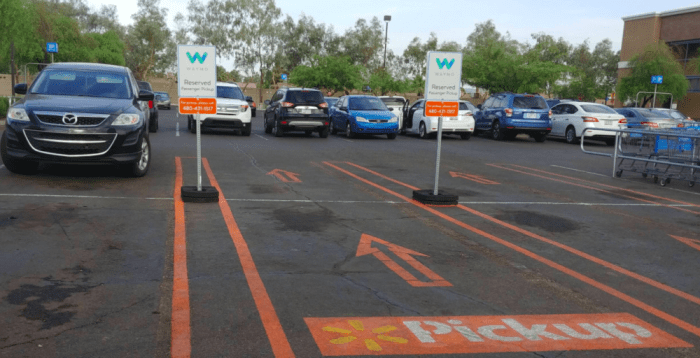
The integration of self-driving vehicles into grocery delivery, particularly by companies like Waymo and Walmart, promises efficiency gains but also raises significant questions about the economic impact on various stakeholders, from delivery drivers to the companies themselves. Understanding these implications is crucial for anticipating potential job displacement and identifying new opportunities.The shift toward automation in the delivery sector is a complex process with both potential benefits and drawbacks.
This transformation demands careful consideration of its consequences on existing employment structures and the need for proactive measures to support workers facing job displacement. It’s a conversation about the future of work, and its economic ramifications deserve a thorough examination.
Potential Impact on Delivery Drivers
The introduction of self-driving vehicles will likely disrupt the existing delivery driver workforce. Many delivery drivers, particularly those employed by third-party delivery services or working independently, may face job displacement as automated vehicles take over their tasks. This shift will necessitate retraining and upskilling opportunities for these workers to adapt to the changing job market. This transition period could involve temporary unemployment and require government intervention and/or corporate support to aid affected workers.
Economic Opportunities for New Jobs and Skills
While some jobs will inevitably be lost, the introduction of self-driving grocery delivery systems will create new employment opportunities in related fields. This includes roles in vehicle maintenance, software development and updating, data analysis, and logistics management. The rise of e-commerce has already seen the creation of numerous new roles in fulfillment centers and customer service. This trend will likely continue as automation becomes more widespread.
Economic Benefits and Drawbacks for Walmart
Walmart, as a large retailer, stands to gain significant efficiency and cost savings through self-driving delivery. Lower labor costs, optimized delivery routes, and potentially faster delivery times could lead to increased profitability. However, the upfront investment in the technology and infrastructure required for self-driving vehicles will be substantial. The need for significant initial investment could also impact Walmart’s profitability in the short term.
Different Perspectives on Employment Impact
The impact of self-driving grocery delivery on employment is viewed differently across various stakeholders. Labor unions and advocacy groups may emphasize the need to protect existing jobs and support retraining programs. Technology companies and businesses will likely highlight the potential for increased efficiency and cost savings. Government agencies might focus on mitigating job losses through public programs and workforce development initiatives.
This diverse perspective emphasizes the need for a multifaceted approach to address the complex economic implications of this technological shift.
Economic Implications for Other Stakeholders
Beyond Walmart and delivery drivers, the economic impact extends to other stakeholders. This includes the producers of groceries, suppliers, and the communities in which these delivery services operate. For example, reduced delivery costs could lead to lower prices for consumers, but this is dependent on whether the savings are passed along.
Concluding Remarks
In conclusion, the integration of Waymo’s self-driving technology with Walmart’s grocery delivery network presents a fascinating glimpse into the future of retail. While challenges remain, the potential for efficiency gains, improved customer experience, and even environmental benefits is substantial. The future of grocery shopping, and perhaps even transportation, is undoubtedly intertwined with this innovative approach.