
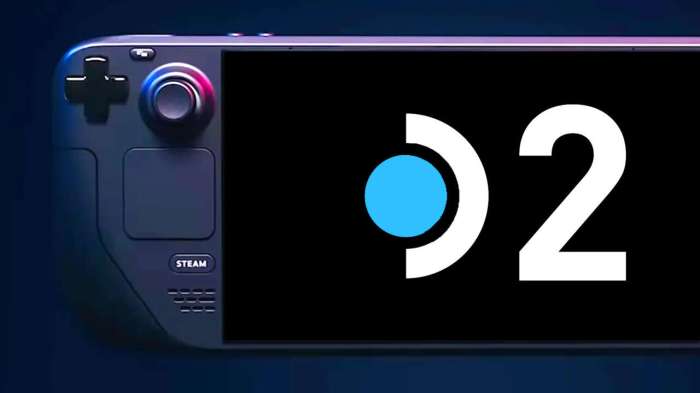
Valve confirms steam deck will be multi generational – Valve confirms Steam Deck will be multi-generational, opening exciting possibilities for the handheld gaming device’s future. This means the Steam Deck is designed to support not only current games but also games developed for older platforms, ensuring a robust library of compatible titles for years to come. This multi-generational approach promises a longer lifespan for the Steam Deck, potentially providing significant value to users and a competitive edge for Valve in the market.
It’s a fascinating strategy that suggests a commitment to supporting the Steam Deck community well into the future, but what does this mean for performance and maintenance?
The announcement signals a smart move by Valve, anticipating the evolving landscape of gaming technology. This proactive design will likely require ongoing software updates to maintain compatibility and performance. The key technical details behind this multi-generational design are crucial to understanding how Valve will achieve this feat. We’ll explore the technical aspects, impact on the gaming community, and future maintenance plans.
Valve’s Statement on Steam Deck’s Future
Valve’s recent confirmation of the Steam Deck’s multi-generational design signals a significant shift in how portable gaming platforms are envisioned. This strategy, rather than a single, short-lived product, positions the Steam Deck for a potentially long and evolving lifespan, adapting to changing hardware and software demands. This approach is not unprecedented, but it’s an important acknowledgement of the evolving nature of the gaming industry.
Official Statement Summary
Valve’s statement, while not overly verbose, clearly indicates a commitment to updating the Steam Deck’s hardware over time. This includes not only processing power and graphics capabilities, but also likely the addition of new features and functionality. The approach is not a radical departure but rather a proactive plan to keep the device relevant in the face of evolving gaming demands.
The details on the exact timelines and nature of future hardware upgrades remain somewhat vague, but the implication is clear: the Steam Deck is not a one-off device, but a platform built to endure.
Key Aspects Highlighting Multi-Generational Design, Valve confirms steam deck will be multi generational
The key aspect of the multi-generational approach is the explicit acknowledgement of future hardware upgrades. Valve is positioning the Steam Deck as a platform capable of receiving substantial hardware updates, not simply as a product with a limited lifespan. This implies a willingness to support the device for a longer period, offering a more substantial investment for users. This is critical to consider when evaluating the long-term value of the Steam Deck.
Potential Implications for Steam Deck Lifespan
The multi-generational design has significant implications for the Steam Deck’s lifespan. It suggests a device that will continue to receive performance and feature enhancements, potentially exceeding the lifespan of similar devices that only focus on initial hardware release. This approach implies Valve intends to support the Steam Deck for a considerable period, keeping it relevant and competitive in the evolving gaming market.
Think of smartphones, where continuous updates and new models are a crucial part of the product’s lifecycle.
Potential Benefits and Drawbacks for Valve and Users
- Benefits for Valve: A multi-generational approach allows Valve to maintain user interest and engagement over a longer time frame. This sustained interest can translate into increased sales, as well as encourage continued development of games optimized for the platform. Furthermore, Valve can leverage user feedback and market trends to refine the device and optimize its functionality over time.
Think of how the PlayStation and Xbox series have evolved over time, attracting new generations of users.
- Benefits for Users: Users gain access to a platform that adapts to evolving gaming demands. This means they’ll likely experience more powerful performance, expanded game libraries, and improved functionality as technology advances. They can look forward to sustained support and potentially lower entry prices for upgraded versions in the future. This echoes the long-term value proposition of many popular consumer electronics.
- Drawbacks for Valve: A significant investment in research and development (R&D) is required for sustained upgrades. There’s a risk of not meeting user expectations regarding performance and feature enhancements. Maintaining a consistent software ecosystem across generations of hardware is also a challenge. The ongoing support and maintenance can be quite demanding.
- Drawbacks for Users: Users might need to consider the potential cost of upgrades, especially if they are significant and frequent. The need to keep up with software updates can also be a factor for some users. However, this long-term commitment to the device could be attractive to those looking for a reliable gaming platform that will last.
Technical Aspects of Multi-Generational Support: Valve Confirms Steam Deck Will Be Multi Generational
Valve’s announcement of Steam Deck’s multi-generational support signals a significant leap in the handheld gaming experience. This capability hinges on a sophisticated approach to software and hardware, allowing users to enjoy a wide range of games, from older titles to future releases. The key to this success lies in a combination of architectural design choices and strategic component selection.The Steam Deck’s architecture is built on a foundation of modularity and flexibility.
This approach allows for the adaptation of various game technologies without requiring a complete overhaul of the system. Crucially, this design permits the system to support a broader range of game development tools and technologies.
Steam Deck’s Architecture for Backward Compatibility
The Steam Deck leverages a powerful and versatile processor, enabling it to run older games with relative ease. The architecture’s key strength lies in its ability to emulate older hardware architectures through software. This approach ensures a smooth experience for players while maintaining a degree of performance optimization. The system also employs dynamic scaling techniques to adjust performance based on the specific game requirements.
Technical Features Facilitating Backward Compatibility
A critical component of multi-generational support is the ability to translate instructions from older game consoles to the Steam Deck’s architecture. This is achieved through a combination of specialized emulation libraries and hardware-level optimizations. The Steam Deck also incorporates a comprehensive set of software tools for developers to optimize their games for the platform, enabling the support of a wider range of game engines and technologies.
This flexibility is crucial for backward compatibility with older games, ensuring their smooth and optimized performance.
Challenges in Supporting Multiple Generations
Maintaining performance across various generations of games and hardware poses significant challenges. The complexity of different game engines and technologies, and the variations in optimization techniques employed across different eras, demand robust solutions. Ensuring that games maintain a consistent quality across the range of supported generations requires continuous refinement and optimization. This is often a process of continuous improvement and refinement, demanding significant development resources.
Component Upgrades for Future Generations
The Steam Deck’s components, including the CPU, GPU, and memory, can be upgraded or replaced in the future to accommodate the demands of newer generations of games and technologies. The modular design of the Steam Deck facilitates these upgrades, enabling users to keep their devices current with the latest hardware advancements. Such upgrades would maintain a competitive edge against newer, more powerful gaming platforms.
Comparison of Technical Specifications
| Specification | Steam Deck | Previous Generation (e.g., PS3) | Next Generation (e.g., PS5) |
|---|---|---|---|
| CPU | Custom Arm-based processor | Various architectures (e.g., Cell processor) | Custom architectures (e.g., AMD Zen 2) |
| GPU | Custom graphics processing unit | Dedicated graphics processors | High-performance dedicated GPUs |
| RAM | 8GB or 16GB LPDDR5 | Various RAM capacities and types | High-capacity GDDR6 or GDDR6X memory |
| Storage | Internal SSD | Various storage types | High-speed SSDs or NVMe drives |
Impact on Gaming Community and Industry

Valve’s announcement of Steam Deck’s multi-generational support signifies a significant shift in the gaming hardware landscape. This proactive approach acknowledges the evolving technological landscape and promises a longer lifespan for the device, directly impacting consumer expectations and industry trends. The community now anticipates sustained performance updates, potentially extending the device’s relevance well beyond its initial release cycle.The announcement positions the Steam Deck as a compelling example of forward-thinking hardware design.
This strategy could inspire other companies to adopt similar models, potentially leading to a more dynamic and adaptable hardware market. This could be a game-changer for hardware longevity, influencing future product cycles and encouraging more frequent updates. Ultimately, this approach directly impacts consumer value perception, potentially increasing return on investment for consumers who buy into this concept.
Impact on Gaming Community Expectations
The gaming community’s expectations for Steam Deck performance have shifted from a singular launch-day experience to a sustained evolution. Users now anticipate consistent performance improvements via software updates, mirroring the model of PC gaming. This proactive strategy allows users to leverage the hardware for longer, potentially extending the product’s life cycle and encouraging continued engagement with the platform.
This expectation will likely be met with a more sustained interest in the platform’s capabilities.
Potential Impact on the Gaming Industry
The Steam Deck’s multi-generational approach could influence other companies to adopt similar strategies. This approach, by prioritizing software updates and compatibility over immediate hardware upgrades, may encourage a greater focus on software and compatibility, potentially leading to more innovative and future-proof gaming hardware. The model offers a compelling alternative to the traditional hardware refresh cycle, encouraging a shift towards long-term device viability.
Such a change may encourage the production of more adaptable gaming hardware, with less emphasis on frequent, costly upgrades.
Implications for the Longevity of Gaming Hardware
The multi-generational strategy directly influences the longevity of gaming hardware. By incorporating frequent software updates, the Steam Deck is likely to extend the usability of the device well beyond its initial release cycle. This shift could encourage a paradigm shift in how companies design and support gaming hardware, potentially leading to a more sustainable approach. This model, prioritizing software updates, could potentially reduce the frequency of hardware upgrades, aligning more with consumer needs and creating more sustainable long-term use.
Impact on Consumer Value Perception
The multi-generational approach affects the perception of value for consumers. A longer-lasting device, continuously updated and improved, represents a more significant return on investment. Consumers will likely appreciate the potential for extended use and performance upgrades without the need for a complete hardware replacement. This value proposition, aligning with the model of PC gaming, could become a significant selling point for the Steam Deck.
Valve’s confirmation that the Steam Deck will support multiple generations of games is exciting news. It’s great to see a focus on longevity, especially considering the recent Vivo IQOO 9 Pro India launch, which has some seriously impressive specs and pricing. Checking out the full details on the vivo iqoo 9 pro india launch specs price will show you just how much power is packed into this phone, but ultimately, the Steam Deck’s multi-generational support is a smart move, ensuring its appeal for years to come.
The device will likely retain its value over a longer period due to these ongoing improvements.
Potential Advantages and Disadvantages for Different User Groups
| User Group | Potential Advantages | Potential Disadvantages |
|---|---|---|
| Casual Gamers | Extended lifespan of the device, more affordable upgrades, and easier access to new titles. | Potential for learning curves in software updates, or difficulties in keeping up with new features. |
| Hardcore Gamers | Consistent performance improvements, ability to keep pace with the latest games, and more software-based options. | Potential concerns about the consistency and reliability of software updates, or the long-term support for older games. |
| Students/Educators | Affordability, long-term viability, and easy access to educational and entertainment software. | Potential concerns about the long-term support of educational programs, or difficulties with software updates. |
| Professionals | Cost-effective solution for work and play, long-term device usability, and adaptability to new technologies. | Potential challenges in adapting to new software updates and software-based learning curves. |
Future Updates and Maintenance
The Steam Deck’s multi-generational design necessitates a robust strategy for ongoing updates and maintenance to ensure its relevance and performance across evolving hardware generations. Valve’s commitment to supporting the device for an extended period requires a clear maintenance schedule, and the approach will significantly impact the overall user experience. This is crucial to keep the Steam Deck competitive in the rapidly evolving gaming market.
Potential Future Software Updates
The Steam Deck’s software will require continuous updates to optimize performance and compatibility with newer games and hardware. These updates will be crucial for ensuring a smooth user experience. Valve has demonstrated a commitment to ongoing software development for its products, and this will likely be a key element of maintaining the Steam Deck’s appeal.
- Operating System Enhancements: Improvements to the SteamOS operating system will be necessary to address performance bottlenecks and provide a more seamless gaming experience. These updates will address compatibility issues with newer games, improve battery life, and enhance overall responsiveness. For example, recent operating system updates on mobile devices have significantly improved battery life and overall performance.
- Driver Updates: New or updated drivers for various hardware components, such as the graphics card, will be essential to ensure compatibility with new games and technologies. These updates will enhance the device’s graphical capabilities and overall performance, enabling support for newer game technologies.
- Game Compatibility Enhancements: Maintaining compatibility with a vast library of games across different generations is crucial. Software updates will focus on optimizing game performance on the Steam Deck and ensuring that new games are playable. This could involve adding support for specific game features or new graphical settings. The PlayStation 5 and Xbox Series X/S have had to adapt to various games with similar updates.
- Performance Tuning: Ongoing performance optimization will be vital to maintain the Steam Deck’s responsiveness and minimize lag. This could include optimizing resource allocation, improving the overall system architecture, and fine-tuning hardware drivers.
Hardware Maintenance and Future Updates
The Steam Deck’s longevity depends on how well Valve manages its hardware support and the possibility of hardware upgrades. Hardware maintenance might involve releasing optional accessories or updates to specific components.
- Optional Accessories: Valve could introduce new accessories, such as improved cooling solutions or external storage options, to enhance the device’s functionality and performance. The potential for new accessories is a key element in keeping the device relevant.
- Component Upgrades: Future updates might focus on component upgrades, such as memory or storage, through the introduction of newer models. This strategy would allow for an expansion of the Steam Deck’s capabilities.
Maintenance Schedule and Multi-Generational Impact
Valve’s multi-generational approach to the Steam Deck implies a prolonged support period. The maintenance schedule will likely involve a combination of regular software updates and, potentially, the release of new hardware models or accessories.
Valve’s confirmation that the Steam Deck will be multi-generational is pretty exciting, isn’t it? It opens up a whole new world of possibilities for gaming. Speaking of exciting new gaming experiences, I recently checked out the Marvel Powers United VR Oculus Rift Disney preview – hands on, and it was seriously impressive! marvel powers united vr oculus rift disney preview hands on That experience definitely makes me even more eager for the Steam Deck’s future iterations.
It’s going to be a great way to play the next-gen games, even the ones still in development!
- Regular Software Updates: Software updates will be critical for addressing bugs, optimizing performance, and adding new features. A frequent update schedule will maintain the device’s competitiveness.
- Hardware Updates (optional): The timing of hardware updates depends on the technological advancements and the needs of the Steam Deck’s user base. Potential hardware updates might be in response to the evolving gaming landscape and the Steam Deck’s user needs.
Comparison to Other Multi-Generational Devices
The Steam Deck’s commitment to multi-generational support presents a fascinating case study in the evolution of portable gaming. Its approach differs significantly from other devices, particularly in the breadth of its intended compatibility. This comparison explores how the Steam Deck’s strategy aligns and contrasts with other successful multi-generational platforms, revealing potential advantages and challenges for both developers and users.
Steam Deck’s Unique Approach
The Steam Deck’s multi-generational support is not merely about backward compatibility. It’s designed to seamlessly integrate older games with the current generation’s performance, utilizing the hardware to achieve a smooth, consistent experience across different game releases. This differs from a simple “run it if it fits” approach seen in some emulators or older devices. Instead, Valve aims to leverage the platform’s advanced architecture to optimize performance and provide a standardized gaming experience.
This suggests a long-term strategy to maintain the Steam Deck’s relevance across various game releases.
Comparison with Other Multi-Generational Devices
Multi-generational support isn’t a new concept. Several devices have attempted to bridge the gap between past and present game experiences, but the Steam Deck’s approach is distinctive. For instance, the Nintendo Switch has achieved success by offering a hybrid approach combining handheld and home console capabilities, while focusing on a more limited range of older games. Similarly, some mobile platforms have managed to provide a degree of backward compatibility through emulators and virtualized environments.
These approaches, however, often prioritize specific, popular game titles, rather than the broad library of games the Steam Deck seeks to support.
Examples of Successful Multi-Generational Devices
The Nintendo Switch’s success highlights the power of providing a consistent gaming experience across various generations, even if it’s not the most extensive backward compatibility. The platform’s focus on a curated selection of games and its commitment to quality control played a vital role. Another example is the PlayStation 5, which offers backward compatibility with a significant portion of the PlayStation 4 library.
This demonstrates the feasibility of supporting older games on a new platform, but usually with the caveat of lower performance than native games. The crucial difference with the Steam Deck is its broader approach to compatibility across a massive library.
Differences and Similarities in Strategies
A key difference lies in the breadth of the game library supported. The Steam Deck aims to support a significantly wider range of games than competitors, relying on its advanced hardware and software. However, all multi-generational devices face the challenge of balancing performance for both older and newer games. Similarities exist in the need to provide a consistent user experience, a necessary component of any successful multi-generational device.
The strategies often involve optimizing older games for modern hardware, which is a complex engineering process.
Comparison Chart of Multi-Generational Gaming Devices
| Device | Backward Compatibility Approach | Game Library Coverage | Performance Considerations | Target Audience |
|---|---|---|---|---|
| Nintendo Switch | Hybrid approach, focusing on specific titles | Limited, curated library | Performance generally satisfactory | Casual and hardcore gamers |
| PlayStation 5 | Backward compatibility with a portion of PS4 library | Significant portion of PS4 library | Performance can vary based on game | Existing PlayStation users |
| Steam Deck | Broad-based, supporting a massive library | Vast Steam library | Performance optimization through hardware and software | PC gamers seeking a portable solution |
Potential Implications for Game Development
The Steam Deck’s multi-generational design presents a significant challenge and opportunity for game developers. Successfully catering to a wide range of hardware capabilities requires careful consideration of optimization strategies, development processes, and pricing models. This new paradigm necessitates a shift from the traditional approach of developing for a single platform to a more flexible, adaptable model.Game development for the Steam Deck, a device aiming to bridge the gap between high-end PCs and handheld consoles, requires a thoughtful approach to optimization.

Developers need to understand how to balance performance across a spectrum of hardware capabilities, from older processors to newer ones, ensuring a consistent and enjoyable gaming experience. The potential impact on the overall gaming experience is considerable, potentially impacting both the market and the developers themselves.
Adapting to Diverse Hardware
Game developers must now consider a wider range of hardware capabilities, from older CPUs and GPUs to newer, more powerful systems. This requires sophisticated optimization techniques to ensure a smooth experience across the board. For example, some games might need to adjust graphical settings dynamically based on the Steam Deck’s detected hardware. This dynamic adjustment would allow the game to run optimally without compromising the user experience.
This includes adjusting frame rates, resolution, and graphical details to maintain a consistent and enjoyable gameplay experience on various hardware profiles.
Optimizing Game Performance Across Generations
Game optimization strategies will need to adapt to the wide range of hardware. This involves creating multiple versions of the game’s engine or specific assets, such as textures, optimized for varying performance levels. For instance, a game might have a high-resolution texture set for newer hardware and a lower-resolution alternative for older hardware, while maintaining similar visual quality.
This multi-level approach will be crucial for a consistent experience. The key is to achieve a balance between performance and visual fidelity, a task demanding a high level of technical expertise.
Adjusting Game Development Processes
Developers will likely need to implement new workflows to accommodate the diverse hardware landscape. This may include dedicated testing and debugging processes across different hardware configurations, ensuring that the game runs smoothly on a wide range of Steam Decks. This necessitates thorough testing on multiple generations of hardware and software configurations. This also implies a shift towards more modular development practices, allowing developers to create different components of the game optimized for specific hardware types.
Impact on Game Pricing and Distribution Strategies
The multi-generational approach might lead to different pricing strategies for the same game. A developer might offer a tiered system, providing a basic version of the game optimized for older hardware and a premium version with enhanced graphics and features for newer hardware. This could also lead to a more diverse distribution model, where the game is optimized for different hardware profiles.
The game could then be sold in different configurations to cater to various needs and preferences.
Valve’s confirmation that the Steam Deck will be multi-generational is super exciting. It opens up a whole new world of possibilities for gaming, and honestly, makes me wonder what other cool features might be added. This reminds me of how cool it was to see Fallout 4 cars in Forza 6 on Xbox One fallout 4 cars in forza 6 xbox one.
Hopefully, the Steam Deck will offer similar compatibility across different game generations, allowing us to play older favorites on a new, portable platform. It’s definitely a positive step for the future of gaming.
Developer Perspective on Multi-Generational Game Development
“The multi-generational approach necessitates a fundamental shift in our development philosophy. We’re no longer focusing on a single target platform but rather on a range of devices. This means meticulous optimization, a more robust development process, and a potential need for different pricing tiers. While challenging, the opportunity to reach a broader audience with a consistent experience makes this an exciting evolution for the industry.”
[Hypothetical Developer Statement]
Illustrative Scenarios for Steam Deck’s Future
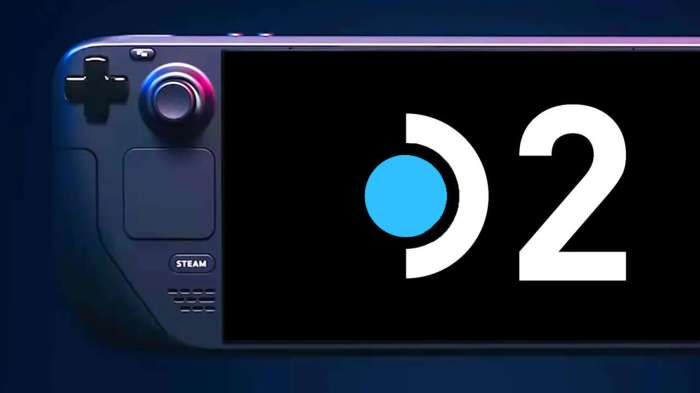
The Steam Deck’s multi-generational design promises a long lifespan of gaming enjoyment. This longevity necessitates considering how the device will adapt to the ever-evolving gaming landscape. This section presents illustrative scenarios to visualize the Steam Deck’s potential future, encompassing diverse gaming experiences and technological advancements.The Steam Deck’s multi-generational capabilities allow it to serve as a versatile platform for gamers across different stages of the gaming industry.
These scenarios showcase its potential to be a cornerstone in the home and portable gaming world.
Steam Deck in a Casual Gamer’s Hands
The Steam Deck, initially used for casual gaming, can evolve with the user. As gaming technology advances, the Steam Deck’s software and hardware will adapt to new titles and user expectations.
- Early Adoption: Initially, the Steam Deck will be used for retro gaming and casual titles like puzzle games and indie adventures, benefiting from the Deck’s portable nature. Players will appreciate its portability and easy access to a wide library of games.
- Mid-Generation Transition: As the Steam Deck ages, the console’s capabilities will allow players to experience more demanding casual games. Updated drivers and improved hardware will allow the Steam Deck to smoothly handle these titles. New games will incorporate touch controls and intuitive interfaces, further enhancing the casual gaming experience.
- Late-Generation Evolution: The Steam Deck’s potential to handle AAA titles may unlock an exciting new dimension for casual gamers, allowing them to experience the same level of graphical fidelity as on more powerful platforms. This will happen alongside the Steam Deck’s ability to run titles with high fidelity. This will provide casual gamers with a gateway to the world of AAA gaming.
A Specific Game’s Performance Across Generations
Consider the game “Pixel Pioneers,” a procedurally generated exploration game.
- Initial Release: The game’s initial release on the Steam Deck will likely focus on core mechanics and a relatively low-resolution display. Players will enjoy the portability and ease of access.
- Mid-Cycle Enhancement: As the Steam Deck updates, the game will likely receive performance improvements, allowing for higher resolution, more detailed visuals, and potentially improved frame rates. This will happen alongside the Steam Deck’s upgraded hardware. These improvements will further enhance the player experience.
- Long-Term Adaptation: As technology advances, the game could adapt to use new features, including advanced lighting, or even incorporate elements from VR technology to create immersive experiences, showing the Steam Deck’s ability to keep pace with evolving gaming technology. The Steam Deck will likely be compatible with new updates.
Steam Deck’s Adaptability to Evolving Gaming Technology
The Steam Deck’s architecture allows it to leverage new technologies without a complete overhaul. This flexibility is critical for its long-term success.
- Hardware Updates: Future Steam Deck models can include updated processors and graphics cards to match the evolving gaming industry, allowing the console to continue performing at a high level. This will enable the Steam Deck to stay competitive against the market.
- Software Enhancements: The Steam Deck’s open-source approach to software allows for seamless integration with new technologies, enabling features like improved input methods or better support for emerging game types. This flexibility allows the Steam Deck to keep up with new technologies and game types.
- Ecosystem Expansion: The Steam Deck’s reliance on Steam means that its software ecosystem can evolve as new features and functionalities are added. This ecosystem expansion will keep the Steam Deck’s appeal high.
Illustrative Visuals of Long-Term Performance
Imagine a series of screenshots showcasing “Pixel Pioneers” at different stages of the Steam Deck’s lifespan.
- Initial Screenshot: The first screenshot shows a low-resolution, blocky display of the game’s world. The interface is clean and simple. This demonstrates the game’s compatibility with the initial Steam Deck.
- Mid-Cycle Screenshot: This screenshot depicts an improved resolution, more detailed landscapes, and smoother animation. This illustrates the performance improvements following hardware and software updates.
- Long-Term Screenshot: The final screenshot shows the game’s world with higher resolution, enhanced textures, and dynamic lighting. This represents the long-term adaptability of the Steam Deck to advanced gaming technology. This showcases the Steam Deck’s continued compatibility with the most advanced gaming technology.
Closing Summary
Valve’s decision to make the Steam Deck multi-generational is a bold one, promising a long-term commitment to the device. This approach impacts both users and developers, and the technical challenges are considerable. However, the potential for continued support and a vast library of games across generations makes this a compelling proposition. Ultimately, the success of this strategy hinges on Valve’s ability to provide consistent updates and maintain the Steam Deck’s performance as gaming technology advances.
This comprehensive exploration provides a thorough overview of the implications for users, developers, and the industry as a whole.