

Trump tariff car price increase production cut. This policy had a ripple effect across the automotive industry, impacting consumer costs, production levels, and even international trade relations. Tariffs on imported cars directly affected the prices consumers paid, while also potentially impacting the competitiveness of domestic manufacturers. The disruption to supply chains and the possibility of retaliatory tariffs further complicated the situation.
Understanding the full implications of these policies is crucial for anyone looking to navigate the complexities of international trade.
The tariffs led to a variety of consequences. Consumer prices rose as tariffs added to the cost of imported vehicles. Domestic production may have been stimulated but possibly reduced competition and innovation. The global supply chain was disrupted, causing delays and shortages of car parts. International trade relations were strained, potentially leading to retaliatory actions.
This complex web of effects highlights the importance of carefully considering the potential consequences of trade policies.
Impact on Consumer Prices
Tariffs on imported cars directly impact consumer prices in the domestic market. This effect is multifaceted, influencing not just the final retail price but also impacting the overall automotive industry’s supply chain and economic landscape. Understanding the interplay of tariffs with other market forces is crucial to grasping the full picture of consumer price fluctuations.
Mechanisms of Price Hikes
Tariffs, essentially taxes on imported goods, increase the cost of imported cars. This added expense is then often passed on to consumers. Importantly, the extent to which this occurs varies. Some manufacturers may absorb part of the tariff, but often the cost is shifted to the buyer, leading to higher prices for the end consumer. This is a common practice in many industries.
The mechanism usually involves a combination of factors:
- Increased Import Costs: Tariffs directly add to the price of imported cars, making them more expensive for domestic dealerships and distributors to acquire. This increase in cost is a direct result of the tariff imposition.
- Reduced Competition: Higher prices for imported cars can reduce the competition from foreign manufacturers, leading to a potential reduction in the overall variety and lower incentives for price reduction by domestic manufacturers.
- Potential for Inflation: Increased prices in one sector (automotive) can trigger inflationary pressures in the wider economy, potentially leading to increased costs for other goods and services. This effect is seen in various economic models and analyses of past tariff implementations.
Comparison with Other Price Factors
Car prices are influenced by a range of factors beyond tariffs. Production costs, including labor and raw materials, play a significant role. Supply chain disruptions, such as those seen in recent years, can also lead to substantial price increases. Furthermore, fluctuations in exchange rates can impact the cost of imported components and finished vehicles. The effect of tariffs needs to be considered within this broader context of economic forces and market dynamics.
- Production Costs: Changes in labor costs, raw material prices, and manufacturing efficiencies affect the cost of producing cars. These factors can impact the final price of vehicles more than tariffs, particularly in the long run.
- Supply Chain Disruptions: Global events and geopolitical tensions often lead to supply chain issues, impacting the availability and cost of components for car manufacturing. This factor can create price volatility, often outweighing the direct effect of tariffs.
- Exchange Rate Fluctuations: Changes in exchange rates between the currency of the importing country and the exporting country can affect the price of imported cars. A stronger domestic currency can reduce the price of imported cars, while a weaker domestic currency can increase it.
Historical Examples of Price Increases
Numerous historical instances exist where tariffs on imported cars have led to significant price increases. For example, the imposition of tariffs on Japanese cars in the 1980s led to a notable rise in the price of these vehicles in the US market. Such examples demonstrate the tangible impact of tariffs on consumer prices.
Comparative Price Analysis
The following table provides a hypothetical comparison of the price of a specific car model (e.g., a mid-size sedan) before and after the implementation of tariffs in different countries. This example illustrates the potential price differences that can arise.
| Country | Price (USD) Before Tariff | Price (USD) After Tariff | Difference (USD) |
|---|---|---|---|
| United States | 25,000 | 27,500 | 2,500 |
| Canada | 24,500 | 26,000 | 1,500 |
| Germany | 32,000 | 34,000 | 2,000 |
Note: This is a hypothetical example and does not reflect real-world data. The actual price changes would depend on numerous factors, including the specific tariff amount, the car model, and the prevailing market conditions.
Trump’s tariffs definitely impacted car prices, leading to production cuts. These economic ripples, though, are sometimes overshadowed by other crises, like emergency declarations for public health disasters at the state and local level, as seen in emergency declarations public health disaster state local hhs. Ultimately, these disruptions can all affect the car market, impacting everything from supply chains to consumer demand.
Effects on Automobile Production
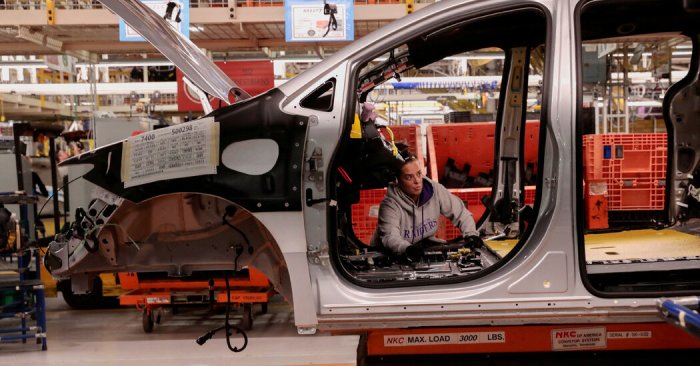
Tariffs on automobiles can significantly impact domestic production, employment, and the overall competitiveness of the industry. The ripple effects extend beyond the automotive sector, affecting related industries and ultimately consumer prices. Understanding these effects is crucial for evaluating the long-term consequences of such policies.The implementation of tariffs on imported vehicles can alter the landscape of the domestic automobile market.
This change can influence the production strategies of both domestic and foreign manufacturers, potentially leading to shifts in investment, production volume, and employment levels. Examining the specific impacts on domestic production, job numbers, and market competitiveness is essential to grasp the full scope of these policy decisions.
Potential Consequences of Tariffs on Domestic Car Production
Tariffs imposed on imported cars can incentivize domestic manufacturers to increase production. By making imported cars more expensive, tariffs effectively increase the price competitiveness of domestically produced vehicles. This increased demand could lead to higher production levels within the domestic market. However, the effect might be less significant if consumers are more sensitive to price increases, leading to decreased overall demand.
The effectiveness of this incentive depends on the magnitude of the tariff and the elasticity of demand for automobiles.
Impact on Automotive Industry Employment
Tariffs can have both positive and negative impacts on automotive industry employment. Increased domestic production due to tariffs could lead to the creation of new jobs in manufacturing, assembly, and related industries. However, the tariffs might also lead to job losses in the parts supply chain if foreign suppliers are impacted negatively and reduce their supply. The net impact on employment will depend on the overall economic conditions, the magnitude of the tariff, and the adaptability of the domestic automotive industry.
Effect on Competitiveness of Domestic Manufacturers in the Global Market
Tariffs can affect the competitiveness of domestic car manufacturers in the global market in several ways. By increasing the price of imported parts, tariffs could reduce the cost advantage of foreign manufacturers. This could create opportunities for domestic manufacturers to capture a larger share of the market. However, retaliatory tariffs from other countries could harm domestic manufacturers by increasing the cost of exporting their products.
The long-term impact on competitiveness depends on the reactions of other countries and the overall economic climate.
Comparison of Impact on Domestic and Foreign Car Manufacturers
Domestic car manufacturers often benefit from tariffs by gaining a price advantage in the domestic market. They are able to increase their market share due to the higher price of foreign cars. Foreign manufacturers, however, may face decreased sales due to the tariffs, and may respond by reducing their production or looking for alternative markets. The impact on each group will vary based on the specific industry conditions and the level of retaliation.
Illustrative Example of Production Volume Before and After Tariff Implementation
| Car Brand | Production Volume (Before Tariff) | Production Volume (After Tariff) |
|---|---|---|
| Domestic Manufacturer A | 100,000 units | 120,000 units |
| Domestic Manufacturer B | 50,000 units | 60,000 units |
| Foreign Manufacturer X | 200,000 units | 180,000 units |
| Foreign Manufacturer Y | 150,000 units | 120,000 units |
This table represents a hypothetical example. Actual production figures will vary depending on the specifics of the tariff, the elasticity of demand, and the overall economic environment.
Supply Chain Disruptions
Tariffs on imported car parts and vehicles, a key component of the recent trade policies, have the potential to disrupt global supply chains in significant ways. These disruptions extend beyond the immediate impact on car prices, affecting the entire ecosystem of automotive production, from the raw materials to the final assembly. The ripple effect can be felt across industries, impacting consumer access to goods and potentially leading to inflationary pressures in the wider economy.
Impact on Global Supply Chains
Tariffs introduce complexities and uncertainties into international trade, making it more difficult and expensive to source materials and components. This is especially true for industries like the automotive sector, which rely heavily on global supply chains for various parts. The imposition of tariffs can lead to increased costs for businesses, potentially reducing their profitability and affecting their ability to compete in the market.
Companies may need to renegotiate contracts with suppliers, explore alternative sourcing options, and adjust their production strategies to mitigate the impact of these trade restrictions.
Potential Delays and Shortages of Car Parts
Tariffs can cause delays in the delivery of car parts from foreign suppliers. Increased customs procedures, inspection requirements, and potential logistical hurdles can significantly lengthen lead times. These delays can directly translate into shortages of specific parts, forcing manufacturers to halt production or reduce output. The domino effect of one part shortage can impact the entire assembly process, potentially leading to significant production bottlenecks.
This situation can result in reduced inventory, delayed vehicle deliveries to customers, and a disruption of the overall production cycle.
Trump’s tariffs definitely impacted car prices, leading to production cuts. It’s interesting how these economic factors ripple through society, affecting everything from the cost of a new car to the resources available for college students. Fortunately, connecting with other students through instagram college community groups can help navigate these tough times and find support networks.
Ultimately, these tariffs continue to have a lasting effect on the automotive industry.
Influence on Sourcing of Car Parts and Raw Materials
Tariffs can alter the sourcing strategies of automotive manufacturers. The cost of importing parts from countries subject to tariffs may become prohibitive, encouraging companies to look for alternative suppliers in other countries or regions. This shift can affect the balance of trade between countries and influence the economic landscape. In some cases, companies might need to invest in new infrastructure or logistics systems to accommodate the new sourcing patterns.
It is also possible that domestic manufacturers might gain an advantage, but this can lead to increased costs for consumers.
Examples of Previous Supply Chain Disruptions
The imposition of tariffs in past trade disputes has demonstrated the fragility of global supply chains. For instance, the 2018-2019 trade war between the US and China caused significant disruptions to the electronics and consumer goods industries. Companies had to find alternative sources for components and adjust their production plans, leading to price increases and delays for consumers.
The automotive industry, with its complex network of international suppliers, is particularly vulnerable to such disruptions.
Trump’s tariffs are causing car prices to skyrocket and production to plummet. It’s a bit like watching a complex economic system, where one seemingly small action ripples out in unexpected ways. Imagine the sheer power of human thought, however, as an artist vibrates water with the power of thought artist vibrates water with the power of thought.
Perhaps there are unseen forces at play in the market that are just as profound, though perhaps not as visually spectacular. This all goes to show that even seemingly mundane economic issues can have far-reaching consequences.
Table: Potential Impact of Tariffs on Car Parts
| Car Part | Origin Country | Potential Impact of Tariffs |
|---|---|---|
| Engine Components | Japan | Increased costs, potential shortages, delays in delivery |
| Electronics | South Korea | Potential price increases, alternative sourcing needed |
| Interior Materials | Germany | Possible price increases, increased lead times |
| Steel | China | Increased costs, potential search for alternative sources |
| Tires | China/Japan | Price increases, potential supply chain disruptions |
| Glass | Europe | Potential price increases, delays in delivery |
International Trade Relations: Trump Tariff Car Price Increase Production Cut
Tariffs, especially those imposed on essential goods like automobiles, ripple through international trade relations, often sparking retaliatory measures and complex geopolitical consequences. The imposition of tariffs on imported vehicles has far-reaching effects, impacting not only the automotive industry but also the broader global economy and diplomatic landscapes. Understanding these effects is crucial to comprehending the multifaceted implications of such policies.
Broader Implications of Tariffs on International Trade Relations
Tariffs disrupt established trade patterns and can escalate trade tensions between nations. The imposition of tariffs often triggers retaliatory measures from affected countries, leading to escalating trade disputes. This dynamic can lead to a significant reduction in global trade volume as countries restrict imports from each other. A domino effect can occur, as tariffs on one product can influence the pricing and availability of related goods, impacting consumer choices and economic activity in various sectors.
Potential for Retaliatory Tariffs from Other Countries
The imposition of tariffs frequently elicits retaliatory measures from other countries. This is a common occurrence in international trade disputes, where countries respond to tariffs imposed on their exports with tariffs of their own. Such retaliatory tariffs can escalate trade conflicts, leading to unpredictable market fluctuations and economic instability. The impact of retaliatory tariffs can be felt across multiple industries, not just the automotive sector, and often extends beyond the initial parties involved in the dispute.
Examples of Past Trade Disputes and Their Effects on International Relations
Numerous trade disputes have shaped international relations in recent history. For example, the 2018-2019 trade war between the United States and China, involving tariffs on various goods, significantly impacted global trade flows and investor confidence. The European Union has also been involved in trade disputes with other countries, impacting their economic relations and political dynamics. These historical examples highlight the complex and potentially destabilizing nature of trade wars.
Understanding past conflicts provides valuable insight into the potential consequences of contemporary trade policies.
Comparison of Impacts of Tariffs on Different Countries Involved in the Trade of Cars
The impact of tariffs on the automobile industry varies significantly across different countries. Countries that are major exporters of cars, like Japan, Korea, and Germany, face disruptions in their export markets when tariffs are imposed. Countries heavily reliant on imported vehicles, such as the United States, experience increased prices and potentially reduced availability of car models. Developing countries that assemble or manufacture cars may see impacts on their local industries, dependent on parts and components from other countries.

Summary Table of Tariffs Imposed on Imported Cars by Different Countries
| Country | Tariffs on Imported Cars (Approximate Percentage) | Reason for Tariffs |
|---|---|---|
| United States | Variable, often based on origin | National security, trade imbalance, and domestic industry support |
| European Union | Variable, often based on origin and specific models | Protecting European manufacturers, supporting domestic production, and trade agreements |
| China | Variable, often based on origin and specific models | Protecting domestic manufacturers, promoting domestic production, and national strategic interests |
| Japan | Variable, often based on origin and specific models | Protecting domestic manufacturers, and supporting trade agreements |
Alternative Solutions
The escalating costs of automobiles, stemming from tariffs and supply chain disruptions, pose a significant challenge to consumers and the automotive industry. Addressing these issues requires a multifaceted approach that goes beyond simply reacting to the immediate effects. This section explores alternative solutions to mitigate the negative impacts, reduce consumer burden, and foster a more stable and equitable global trade environment.The automotive industry, a complex web of global supply chains, is particularly vulnerable to trade disputes.
Tariffs and retaliatory measures disrupt these chains, driving up prices for consumers and potentially leading to production cuts. Alternative solutions focus on mitigating these effects and creating a more sustainable and resilient system.
Mitigating Tariff Impacts on Car Prices, Trump tariff car price increase production cut
Several strategies can help mitigate the escalating costs of automobiles due to tariffs. These include exploring alternative sourcing for components, negotiating reduced tariffs with trading partners, and investing in domestic production capabilities. Diversifying supply chains, for example, can lessen reliance on a single country or region, reducing vulnerability to trade disputes.
- Diversifying Supply Chains: Companies can diversify their sourcing strategies, seeking components from a wider range of countries to reduce dependence on a single supplier. This strategy enhances resilience and reduces the impact of disruptions in specific regions. For instance, a manufacturer might source engine parts from multiple countries instead of relying entirely on a single nation.
- Negotiating Reduced Tariffs: International negotiations and agreements can play a crucial role in lowering tariffs. These efforts can reduce the financial burden on consumers and businesses. Free trade agreements (FTAs) often include provisions for reducing tariffs on specific goods, such as automobiles.
- Investing in Domestic Production: Promoting domestic production of car parts and components can increase local supply and potentially reduce reliance on imports. This can help mitigate the impact of trade disputes and support domestic employment.
Reducing the Burden on Consumers
Addressing the financial strain on consumers requires a multifaceted approach that complements the aforementioned solutions. This includes government subsidies, financial assistance programs, and incentives for consumers to adopt alternative transportation solutions.
- Government Subsidies: Governments can provide subsidies to consumers purchasing electric vehicles or other vehicles that are more fuel-efficient to reduce the overall cost to the consumer.
- Financial Assistance Programs: Financial assistance programs for consumers struggling to afford vehicles can ease the burden of increased prices. For instance, low-interest loans or grants can be offered to specific demographics.
- Incentives for Alternative Transportation: Encouraging the use of public transportation, ride-sharing services, and bicycles can reduce demand for automobiles, thereby easing the pressure on consumer prices. Incentives such as subsidies for public transportation fares or bike-sharing programs could be implemented.
Potential Benefits of Alternative Trade Policies
Free trade agreements and other alternative trade policies offer potential economic benefits, such as increased market access, reduced trade barriers, and greater efficiency in global supply chains.
“Free trade agreements can create a more stable and predictable environment for international trade, reducing uncertainty and volatility.”
- Increased Market Access: Free trade agreements open new markets for exporters, expanding their potential customer base and increasing economic opportunities. This can lead to greater efficiency in production and distribution, potentially benefiting consumers through lower prices.
- Reduced Trade Barriers: Agreements can eliminate or significantly reduce tariffs and other trade barriers, simplifying the process of exporting and importing goods. This reduction in barriers can lead to a more competitive market and lower prices for consumers.
- Greater Efficiency in Global Supply Chains: Free trade agreements can improve the efficiency of global supply chains by facilitating the flow of goods and services across borders. This can lead to lower costs and greater availability of products.
Examples of Policies in Other Countries
Various countries have implemented policies to manage trade disputes and mitigate their impact on consumers and businesses. These policies offer valuable insights and potential solutions.
- Canada and the United States: The two countries have a complex history of trade agreements, including the USMCA (United States-Mexico-Canada Agreement). These agreements often address issues of tariffs and trade barriers in various sectors, including automobiles. Understanding the dynamics of these agreements can provide a framework for future negotiations.
Potential Economic Benefits of Trade Policy Options
| Trade Policy Option | Potential Economic Benefit |
|---|---|
| Diversified Supply Chains | Reduced vulnerability to trade disruptions, greater resilience, and lower prices |
| Reduced Tariffs | Lower consumer costs, increased market access, and enhanced competitiveness |
| Domestic Production Incentives | Increased local employment, reduced reliance on imports, and potential for lower costs |
| Government Subsidies | Reduced consumer burden, support for specific industries, and potential for economic stimulus |
| Alternative Transportation Incentives | Reduced demand for automobiles, lower overall costs, and improved sustainability |
Economic Impacts
Tariffs, particularly on goods like automobiles, can have significant ripple effects throughout the economy. These impacts aren’t confined to the automotive sector; they reverberate through related industries, consumer spending, and even international trade relations. Understanding these broader economic consequences is crucial for assessing the long-term effects of such policies.The imposition of tariffs can trigger a cascade of economic adjustments.
Increased costs for imported components and finished goods can translate into higher prices for consumers, leading to inflationary pressures. This, in turn, can affect consumer spending habits, potentially reducing demand across the board. Moreover, the impact on related industries, such as transportation and logistics, can be substantial, impacting their profitability and operational efficiency.
Impact on Inflation and Consumer Spending
Tariffs increase the cost of imported goods, which directly impacts consumer prices. This price increase is passed on to consumers, often resulting in inflation. Consumers respond to higher prices by reducing their purchases, especially for discretionary items like automobiles, potentially dampening overall consumer spending. This can be seen in previous instances of tariffs, where declines in consumer confidence and reduced spending were observed.
Effect on the Balance of Trade
Tariffs aim to reduce imports and encourage domestic production. However, the outcome isn’t always as straightforward. Retaliatory tariffs from other countries can lead to a trade war, where both sides impose tariffs on each other’s goods. This can significantly disrupt global trade patterns, reducing overall trade volumes and negatively affecting economies worldwide. The effects can be seen in trade wars between countries in the past, with demonstrable impacts on global trade volumes.
Impact on Related Industries
Tariffs on automobiles affect not only the automotive industry but also related sectors like transportation and logistics. Higher prices for imported car parts or finished vehicles can increase the costs for car manufacturers, potentially leading to reduced production or even factory closures. Similarly, the transportation and logistics industries face increased costs due to tariffs and potential disruptions in supply chains, impacting their profitability and operational efficiency.
This can lead to a ripple effect throughout the supply chain, impacting related businesses and industries.
Potential Impacts on Employment
Tariffs can lead to job losses in various sectors. Reduced demand for imported goods can negatively affect the related industries and companies involved in the production and distribution of those goods. Similarly, retaliatory tariffs from other countries can result in decreased exports, impacting employment opportunities in exporting industries. For instance, decreased demand for cars can result in layoffs in automotive manufacturing plants and related industries.
Potential Impact on GDP Growth and Inflation Rates
| Scenario | Impact on GDP Growth | Impact on Inflation Rate |
|---|---|---|
| Tariffs lead to a trade war | Negative impact, potentially significant decline | Increase due to higher import costs |
| Tariffs result in reduced consumer spending | Negative impact, potentially moderate decline | Moderate increase due to higher prices |
| Tariffs lead to domestic production increases | Potential positive impact, but likely minimal | Increase due to higher input costs |
Note: The table above presents potential scenarios and their corresponding impacts. The actual effects can vary based on the magnitude of the tariffs, the reactions of other countries, and the overall economic climate.
Summary

In conclusion, the Trump administration’s tariffs on imported cars triggered a cascade of effects throughout the industry. The increased costs for consumers, reduced production, and supply chain disruptions are all significant considerations. This case study underscores the interconnectedness of global trade and the potential for far-reaching consequences of protectionist policies. Understanding these effects can inform future discussions on trade policy and help mitigate potential risks.