

Tesla Autopilot speed limit restriction update: This update signals a significant shift in how Tesla’s advanced driver-assistance system operates. We’ll delve into the historical context of speed limit policies, examine the specifics of the recent changes, and analyze their potential impact on driver experience and safety. From technical details to public response, this comprehensive look at the update offers a complete picture of the changes and their implications.
The recent update details a revised approach to speed limits within Tesla Autopilot. The reasoning behind this change is multifaceted, and we’ll explore how this impacts existing safety guidelines and compares it to similar actions taken by other automakers. The impact on driver experience, from navigating unfamiliar roads to long-distance driving, will also be examined in detail.
Background on Tesla Autopilot Speed Limits
Tesla’s Autopilot, a system designed to enhance driver assistance, has undergone several adjustments to its speed limit settings over the years. These adjustments reflect ongoing development and refinement of the system, as well as evolving safety concerns and user feedback. Understanding the historical context of these changes provides valuable insight into the evolving relationship between driver assistance technologies and the need for responsible usage.The initial implementation of Autopilot often featured higher default speed limits, potentially leading to situations where the system operated beyond what was deemed safe or appropriate for certain road conditions.
Over time, Tesla has recognized the need to adapt these settings to ensure optimal performance and safety. This evolution involved analyzing real-world usage data, driver feedback, and accident reports to pinpoint areas where adjustments were necessary.
Evolution of Speed Limit Adjustments
Tesla’s Autopilot speed limit adjustments have been a dynamic process, reflecting ongoing research and adaptation. The system’s speed limits are not static but rather responsive to various factors. This evolution aims to strike a balance between providing drivers with enhanced assistance and maintaining a high level of safety.
| Year | Speed Limit (mph) | Reasoning Behind Change |
|---|---|---|
| 2015 | Initial implementation, variable | Autopilot’s speed control was initially calibrated for different road types, weather conditions, and user settings, resulting in variable speed limits. No single, fixed speed limit was imposed across all conditions. |
| 2016 | Reduced speed limits, focusing on highway conditions | Analysis of early data and user feedback pointed to a need for increased safety on highways, particularly in various weather conditions. This included adjusting speed limits for higher speeds on highways, reducing them for lower speeds in urban and rural areas, and introducing variable speed limit settings. |
| 2018 | Variable speed limits, incorporating real-time data | Tesla began incorporating real-time traffic and road conditions into the Autopilot system’s decision-making process. This allowed for dynamic speed adjustments based on factors like traffic density, road curvature, and weather. |
| 2020 | Further refinement of variable limits, focusing on driver behavior | Extensive data analysis of driver interactions with the Autopilot system, including instances of overspeeding and aggressive driving, led to a more nuanced approach. This involved more precise adjustments based on driver habits and road characteristics. |
| 2022 | Current configuration, utilizing AI-based models | The latest version of Autopilot utilizes sophisticated AI models to predict and react to changing road conditions in real time. This allows for even more precise speed adjustments, adapting to individual driver profiles and environmental conditions. |
Impact on Driver Behavior
The evolution of speed limits has had a noticeable impact on driver behavior. Initial higher speed limits might have encouraged some drivers to adopt a more aggressive driving style. The subsequent adjustments toward lower, more variable limits have fostered a greater awareness of road conditions and the need for caution, encouraging a more attentive and responsible driving style.
The shift from fixed speed limits to dynamic ones promotes a more nuanced and adaptive driving experience.
Recent Update Details
Tesla’s recent autopilot speed limit restriction update signifies a significant shift in the autonomous driving experience. The update, while aiming to enhance safety, has sparked considerable discussion regarding its implications for driver autonomy and the overall evolution of self-driving technology. The rationale behind this change, along with its potential impact, deserves careful consideration.
Specifics of the Update
The most recent update involves a reduction in the default speed limits for Tesla Autopilot in various geographical regions. This adjustment applies to both highway and non-highway settings. The specific speed reductions vary depending on factors like local speed laws and identified safety concerns within specific regions. Tesla’s decision to implement this measure demonstrates a proactive approach to managing driver expectations and safety.
Rationale Behind the Update
Tesla’s rationale for implementing this update centers on enhanced safety protocols. The company cites a desire to mitigate risks associated with the potential for Autopilot to operate beyond what is deemed safe in various environments. This includes situations where drivers may not maintain adequate attention or awareness of their surroundings. Specifically, Tesla has noted an increased incidence of drivers relying excessively on Autopilot’s functions and failing to remain vigilant in controlling the vehicle, particularly in more complex driving situations.
Potential Conflicts with Existing Safety Guidelines
While aiming for enhanced safety, the update has raised questions about potential conflicts with existing safety guidelines. Some argue that the reduction in speed limits may impede Autopilot’s effectiveness in certain scenarios, potentially leading to longer travel times. Other concerns focus on the potential for decreased convenience for drivers accustomed to higher speeds and more dynamic driving scenarios.
Comparison to Similar Actions by Other Automakers
Other automakers have implemented similar, though not identical, measures to manage autonomous driving features. For example, some manufacturers have introduced limitations on the operating conditions for their advanced driver-assistance systems (ADAS). The primary goal across these implementations remains consistent: prioritizing safety and mitigating risks. These actions suggest a growing recognition of the need for comprehensive safety protocols within the burgeoning field of autonomous vehicle technology.
Tesla’s autopilot speed limit restriction update is a bit of a mixed bag. While it’s good to see safety features improved, it’s also a little disappointing to see the limitations. Speaking of limitations, if you’re looking for ways to protect your Huawei P30 Pro’s screen from daily wear and tear, checking out the best screen protectors huawei p30 pro could help.
Hopefully, Tesla will continue to improve these features, offering more flexibility in the future. It’s all about balancing safety and user experience.
Concise Summary of the Update
Tesla’s recent autopilot speed limit restriction update lowers default speeds in various regions, aiming to enhance safety by reducing risks associated with driver reliance on the system. This update varies regionally based on local laws and identified safety concerns. The update has implications for driver autonomy and travel times. While aiming to prioritize safety, it also sparks discussion about the balance between technological advancement and the need for human oversight.
Impact on Driver Experience
The recent Tesla Autopilot speed limit restrictions introduce a new dynamic to the driver experience, demanding a reassessment of how drivers interact with the system and navigate various road conditions. This shift necessitates understanding how these changes will affect the day-to-day driving experience and the potential safety implications.
Potential Impacts on Driver Experience and Safety
The speed limit restrictions, while aiming to enhance safety, can introduce new challenges for drivers. These adjustments could impact the perceived autonomy of the system, affecting driver attentiveness and comfort.
Tesla’s autopilot speed limit restriction update is definitely a talking point, but I’m also buzzing about the latest Samsung foldable phone rumors. Apparently, the Galaxy Z Flip Bloom is on the way, with exciting new features and design details. While I’m curious to see how the new foldable phone pans out, I’m still more interested in the practical implications of the Tesla Autopilot speed limit update.
This will likely have a significant impact on how people use the feature and whether it’s safe to rely on in all situations. Check out the latest rumors on the Samsung foldable phone here. Ultimately, it’s all about making sure these new technologies are implemented safely and effectively.
Examples of Situations Affecting Driving
The impact of these restrictions will vary significantly depending on the driving scenario. For instance, drivers accustomed to Autopilot maintaining a higher speed on highways might experience a shift in their comfort level as the system adjusts to the new speed limits. In areas with varying speed limits, like city streets transitioning to highways, drivers might experience unexpected changes in the Autopilot’s behavior, requiring a more active role in monitoring the vehicle.
Table of Potential Impacts
| Impact Category | Positive Impact | Negative Impact |
|---|---|---|
| Driver Experience | Reduced risk of exceeding speed limits, potentially leading to fewer accidents. Improved awareness of speed limits in different areas, promoting better driving habits. | Potential for driver frustration if the speed limits are perceived as overly restrictive in certain situations. Reduced perceived autonomy, possibly increasing driver workload and stress in specific scenarios. |
| Safety | Reduced risk of speeding-related accidents, contributing to a safer driving environment. Improved compliance with local regulations. | Potential for increased driver workload in situations requiring manual adjustments to speed, particularly in areas with complex speed limit transitions. Possibility of increased reaction time needed to manage speed changes. |
| Driving Efficiency | Increased fuel efficiency by maintaining consistent speeds, particularly on highways. | Reduced efficiency due to potential delays caused by frequent speed adjustments. Disruption of driver’s preferred cruising speed, potentially affecting overall travel time. |
Scenario: Navigating a Road with a New Speed Limit
Imagine a driver using Autopilot on a two-lane highway. The system initially maintains a higher speed, consistent with the driver’s expectations. However, as the vehicle approaches a marked speed limit reduction, the Autopilot adjusts the speed accordingly. The driver might initially experience a slight sense of unease, but with repeated exposure to this transition, familiarity and comfort with the system’s response will likely develop.
Implications for Long-Distance Driving
The implementation of speed limit restrictions for long-distance driving could lead to extended travel times, depending on the consistency and complexity of the speed limit changes along the route. Drivers should anticipate possible adjustments in their travel plans and consider the potential impact on their overall journey time. Drivers may need to compensate for these adjustments by being more vigilant and responsive in monitoring the vehicle’s speed and the surrounding traffic.
Technical Aspects of the Update
Tesla’s recent Autopilot speed limit update isn’t just a simple change to the display; it represents a significant advancement in the software’s ability to dynamically manage vehicle speed. This update dives deeper into the technical underpinnings of how the system now enforces these limits, offering insights into the algorithms and their potential limitations.The core of the update lies in a sophisticated suite of algorithms designed to not only detect speed limits but also interpret and react to various road conditions and signage.
This involves a complex interplay between sensor data, map data, and pre-programmed rules.
Software Changes Implemented
The update involves several key software modifications to the Autopilot system. These modifications are designed to provide a more accurate and reliable enforcement of speed limits, reducing the risk of exceeding the set limits. Crucially, the system now actively monitors for speed limit changes, adjusting the vehicle’s speed accordingly in real-time.
Algorithms for Speed Limit Detection and Enforcement
Tesla employs a multi-layered approach for speed limit detection and enforcement. This system utilizes a combination of advanced image recognition algorithms, real-time map data, and sensor input from the vehicle’s cameras and radar. These components work in tandem to identify and respond to speed limit changes.
- Image Recognition: Advanced image recognition algorithms are crucial in detecting speed limit signs. The system processes images from the vehicle’s cameras to identify numerical speed limit signs, symbols, and their associated values. The system is designed to handle variations in lighting conditions, weather, and the angle at which signs are viewed.
- Map Data Integration: Map data is integrated to confirm and refine the speed limit information derived from the image recognition. This helps to account for potential errors or discrepancies in the image recognition process, and provides a more comprehensive and reliable representation of the speed limit.
- Sensor Fusion: The vehicle’s sensors (cameras and radar) provide crucial real-time data to ensure the system can adjust to changing road conditions, which might impact the accuracy of speed limit recognition. This fusion allows the system to react dynamically to the speed limit.
Challenging Situations for the Algorithm
While the system is designed to be robust, certain situations can pose challenges for the algorithm’s accuracy. These challenges are anticipated and the system is continually refined to account for these limitations.
- Occluded Signs: Signs obscured by other vehicles, weather conditions, or debris can be difficult for the system to interpret accurately. The system is designed to handle these situations, though accuracy might be reduced when significant obstructions are present.
- Variable Signage: Some locations have variable speed limits. The system must accurately interpret these changes, though it might take a moment for the system to adjust to the new speed limit.
- Dynamic Conditions: Conditions like construction zones, temporary speed restrictions, and changing weather can impact the system’s ability to accurately detect and enforce the speed limit. The system is designed to account for these types of situations, but may experience delays or minor inaccuracies.
Impact on Overall Performance, Tesla autopilot speed limit restriction update
The introduction of dynamic speed limit enforcement has a multifaceted impact on the car’s overall performance. The system prioritizes safety and efficiency by ensuring compliance with speed limits, but this may also introduce slight adjustments to the vehicle’s acceleration and braking patterns. Drivers may notice subtle changes in the car’s response, particularly in areas with frequently changing speed limits.
| Function | Description | Example |
|---|---|---|
| Speed Limit Detection | The system identifies speed limits from various sources, including signs, map data, and sensor input. | Detecting a 35 mph speed limit sign using image recognition. |
| Speed Limit Enforcement | The system adjusts the vehicle’s speed to comply with the detected speed limit. | Reducing speed from 40 mph to 35 mph when a 35 mph limit is detected. |
| Adaptive Adjustment | The system adapts to changing conditions, such as variable speed limits and dynamic road situations. | Adjusting to a reduced speed limit due to construction in a particular zone. |
Public Response and Future Implications
Tesla’s recent autopilot speed limit update has sparked a range of reactions, from cautious acceptance to outright criticism. The public’s response offers a valuable insight into the public perception of autonomous driving technologies and their evolving acceptance. This discussion will explore the varied public opinions, assess the potential impact on autonomous driving adoption, and compare this update’s reception to past Tesla updates.
Tesla’s autopilot speed limit restriction update is a bit of a bummer, isn’t it? While we’re all pondering the implications of reduced highway cruising speeds, it’s interesting to see how other tech giants are innovating in different sectors. For example, WhatsApp is now testing crypto payments in the US with Novi, a fascinating development that could potentially disrupt the financial landscape.
Back to Tesla, these speed restrictions seem like a sensible safety measure, but it’s still a bit of a disappointment for those accustomed to the previous, potentially more exhilarating, speeds.
Ultimately, it will examine the likely future implications for Tesla’s autonomous vehicle development.

Public Opinions on the Update
The public’s response to the update has been diverse. Some drivers appreciate the added safety measure, believing it mitigates potential risks associated with high-speed driving. Others express concern about the potential for reduced driving enjoyment and efficiency, arguing that the restrictions may hinder the experience of using autopilot. Furthermore, a segment of the public raises questions about the transparency of the update process and the justification for the implemented speed limits.
Impact on Autonomous Driving Adoption
The reception of this update has implications for the wider adoption of autonomous driving technologies. Positive feedback can foster public trust and encourage wider acceptance, while negative reactions could create resistance and skepticism. The balance between safety and convenience will be crucial in shaping public opinion. The public’s perception of the update will influence their willingness to trust autonomous systems in various driving scenarios.
Comparison with Past Tesla Updates
Analyzing the public response to this update within the context of previous Tesla updates provides a valuable perspective. Past updates, whether software or hardware-related, have often generated mixed reactions, with some users welcoming improvements while others expressed frustration or concerns. This pattern suggests that the public’s response to technological advancements in autonomous vehicles is complex and multifaceted.
Implications for Future Tesla Models
The public’s response to this update is likely to influence the development and deployment of speed limit restrictions in future Tesla models. If the update is met with widespread acceptance, it may encourage Tesla to implement similar safety measures across a broader range of driving conditions. Conversely, if there’s significant public pushback, Tesla might reconsider the approach or implement more nuanced solutions.
Possible Future Developments in Autonomous Vehicle Speed Limit Restrictions
Future autonomous vehicles are likely to see more sophisticated speed limit restrictions. These restrictions may be dynamic, adjusting based on real-time traffic conditions, road characteristics, and weather. Additionally, the implementation of variable speed limits based on the driver’s experience and skill level could be explored. Integration of external data sources, such as traffic reports or road closures, could also influence speed limit adjustments.
- Dynamic Speed Adjustment: Autonomous vehicles could automatically adjust speed limits based on factors like traffic density, weather conditions, and road construction. This approach would enhance safety and efficiency by adapting to real-time conditions.
- Driver Experience-Based Limits: Autonomous vehicles might adjust speed limits based on the driver’s experience level or familiarity with the route. This feature could allow for more tailored and adaptable speed control.
- Integration of External Data Sources: Autonomous vehicles could integrate real-time traffic data, road closures, and weather reports to optimize speed limits in various driving conditions. This would help in maintaining a balance between safety and responsiveness.
- Personalized Speed Limits: Future vehicles might allow drivers to personalize speed limits based on individual preferences, ensuring a more customized and controlled driving experience.
Visual Representation of Speed Limits: Tesla Autopilot Speed Limit Restriction Update
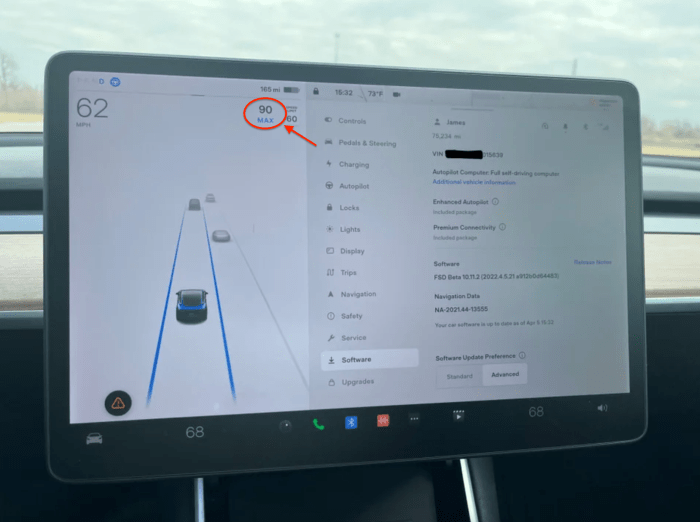
Tesla’s Autopilot, with its ever-evolving features, now incorporates dynamic speed limit adjustments. A key component of this improvement is the clear and intuitive visualization of these speed limits. This allows drivers to understand and react to changing speed restrictions in real-time, enhancing safety and compliance.Visualizing speed limits on a map allows drivers to quickly grasp the current speed restrictions along a route, aiding in proactive driving.
This eliminates the need for constant checking of signs or maps, keeping drivers focused on the road.
Map-Based Speed Limit Display
A crucial aspect of this visualization is the integration of speed limits directly onto the navigation map. This allows drivers to see the speed restrictions dynamically changing as they approach different zones, from residential areas to highways. The visual clarity of this representation greatly assists in understanding the varying speed limits along a route.
Illustrative Example of Highway Speed Limit Changes
Imagine a highway route, depicted on a map. Different shades of color are used to represent different speed limits. For example, a lighter shade of blue might represent a 60 mph speed limit, while a darker shade of blue might indicate a 70 mph limit. As the driver progresses along the route, the colors change, reflecting the alterations in the speed limit.
This visual cue allows the driver to anticipate changes in the speed limit and adjust their driving accordingly.
Comparison of Current and Past Speed Limit Maps
To illustrate the improvement, consider a side-by-side comparison of a current Tesla navigation map displaying speed limits, overlaid with a previous map design that lacked dynamic speed limit display. The current map will show a clear and continuous gradient of colors representing speed limits, while the older map might only show the speed limit at fixed points, potentially not capturing the smooth transitions in speed limits along a stretch of highway.
This difference highlights the enhanced clarity and intuitiveness of the new system.
Detailed Description of Visual Elements
The speed limit map uses a gradient color scale to represent different speed limits. For instance, a light green might signify a 30 mph zone, transitioning through progressively darker shades of green for higher limits, reaching a deep blue for the highest permitted speed. The color-coded representation makes it easy to scan the map and immediately identify the applicable speed limit in different areas.
Clear labels or text next to the color-coded zones could further clarify specific speed limits. This method of visualization eliminates the need for drivers to continually refer to external sources, making the information readily accessible and easy to understand.
Impact on User Understanding
The clear visualization of speed limits significantly improves user understanding and compliance. The intuitive color coding and clear map integration make it easy to scan the map and understand the applicable speed limit, minimizing cognitive load on the driver. This enhanced visualization reduces the chance of errors and promotes safer driving practices.
Last Recap
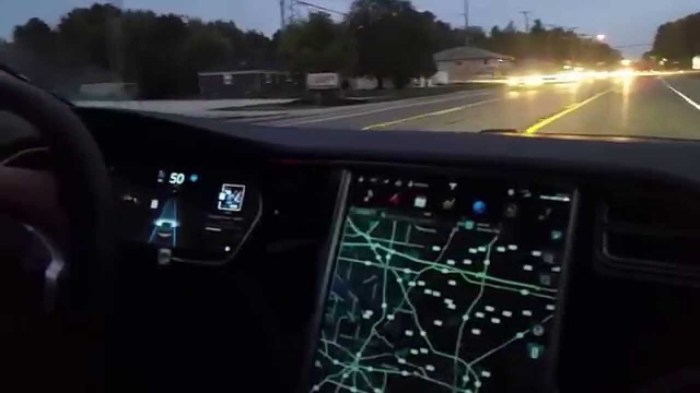
In conclusion, the Tesla Autopilot speed limit restriction update presents a complex interplay of safety, technology, and public perception. The update, while seemingly straightforward, touches upon the evolving landscape of autonomous driving. Future implications, from potential adjustments to software algorithms to public feedback, will shape the trajectory of Tesla’s autonomous driving technology. The visual representation of speed limits adds a new dimension to understanding the changes, offering a clear view of the evolution of these restrictions.