
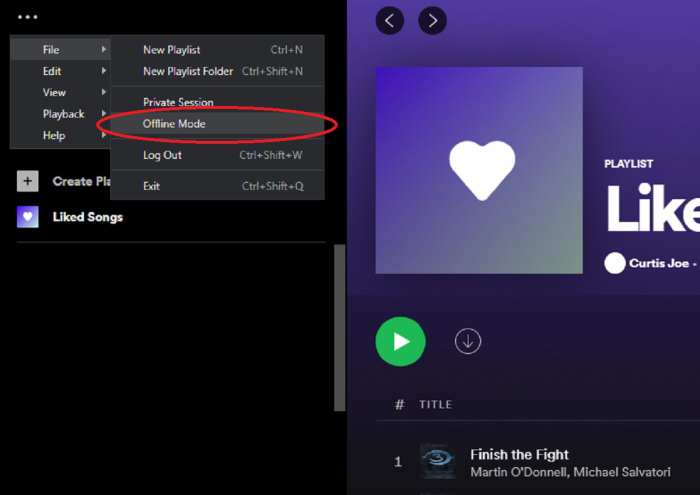
Spotify offline back up cache music rollout is upon us, and it’s poised to significantly reshape how we listen to music offline. This rollout promises a deeper dive into the technical intricacies of offline music caching, exploring everything from the historical evolution of the feature to the potential impact on user experience and Spotify’s overall strategy. We’ll delve into the different user tiers, subscription levels, and how the rollout will affect them.
This in-depth look at the rollout will also touch upon user interface, device compatibility, cache management, and potential issues, offering a comprehensive overview of the entire process.
From the initial background of Spotify’s offline feature to the complex technical aspects of the rollout, we’ll cover it all. Understanding the potential impact on user data usage and platform engagement is key. We’ll also discuss the potential ramifications on Spotify’s revenue and the competitive landscape.
Background on Spotify Offline Feature

Spotify’s offline music caching feature has significantly evolved since its initial implementation. Initially a niche perk, it’s now a core component of the user experience, catering to diverse needs and technological advancements. This evolution reflects Spotify’s commitment to providing a seamless and convenient music listening experience, regardless of connectivity.Spotify’s offline music functionality has been a key driver in its popularity, especially for users in areas with spotty or unreliable internet access.
The feature has transformed from a basic download option to a more robust and intelligent system.
Historical Overview of Offline Music Caching
The early iterations of Spotify’s offline music caching focused primarily on downloading individual songs or playlists for later playback. This allowed users to listen to music without an active internet connection. The initial implementation was straightforward, providing a simple download option.
Evolution of Offline Functionality
Over time, Spotify enhanced its offline feature to include more sophisticated functionalities. These enhancements focused on improving the user experience and accommodating new user needs. This includes allowing users to download entire albums or curated playlists at once, further empowering users to listen to music offline.
Technical Aspects of Offline Music Caching
Spotify’s offline music caching leverages a combination of client-side and server-side technologies. On the server-side, metadata and audio streams are prepared for download. On the client-side, applications handle the downloading and management of cached files. This involves managing storage space and prioritizing downloads based on user preferences.
Methods for Accessing Offline Music
Users can access their downloaded music in various ways, depending on the device they are using. For example, users can access their downloaded music from the Spotify app across different platforms like smartphones, tablets, and computers. The app usually provides a dedicated section for offline content, making it readily available.
Subscription Tiers and Offline Music Access
Spotify offers different tiers of subscriptions, each with varying features, including access to offline music. The free tier usually has limited offline functionality. Premium users, however, can download and listen to music offline without any restrictions.
Different Subscription Levels and Offline Access
| Subscription Tier | Offline Access |
|---|---|
| Free | Limited offline access, typically a few songs or playlists. |
| Premium | Unlimited offline downloads of songs, albums, or playlists. |
| Student | Similar offline capabilities to Premium. |
Understanding the “Rollout” Concept
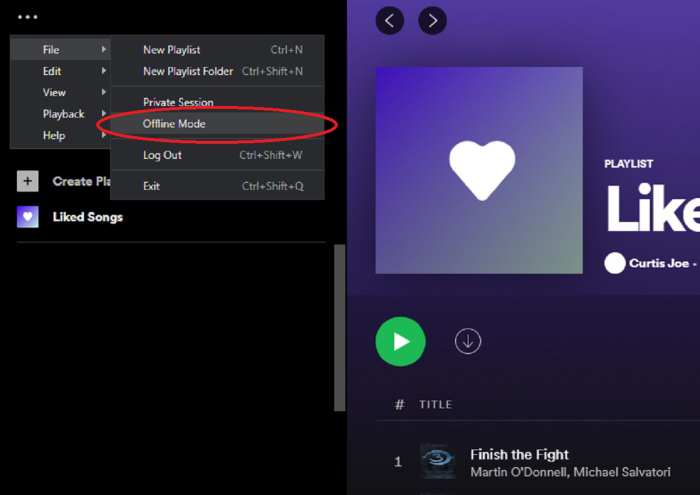
The Spotify offline music caching feature update, once finalized, needs a carefully orchestrated rollout to ensure a smooth transition and minimize disruption to users. A successful rollout strategy involves careful planning, testing, and monitoring to manage potential issues. This approach ensures the feature reaches the maximum number of users with minimal impact and feedback collection.A software feature rollout is the phased release of a new or updated feature to a software product’s user base.
This process is critical for managing risks and maximizing user adoption. It involves multiple stages, from initial testing to a complete release. Spotify, as a large-scale platform, needs a robust rollout strategy to accommodate its massive user base.
Spotify’s Rollout Strategies for Offline Music Caching
Spotify could use various strategies for releasing the offline music caching feature update. One approach is a gradual rollout, where the feature is initially made available to a small subset of users. This allows Spotify to identify and fix potential issues before the update is made available to a wider audience.
Different Rollout Strategies
- Phased Rollout: This strategy involves releasing the update in stages to different user segments or regions. For instance, Spotify might start with a specific geographic region, then expand to other regions gradually. This allows them to monitor the performance and address any unforeseen issues in a controlled environment.
- A/B Testing: Spotify could compare the performance of the new feature with the existing version using A/B testing. This method involves exposing different groups of users to different versions of the feature and evaluating user interactions and feedback.
- Canary Release: This approach involves deploying the update to a small group of users, called “canaries.” Any bugs or issues encountered by the canaries are addressed before the update is released to a larger user base. This ensures a more stable and reliable rollout.
Potential Challenges and Issues
- Server Capacity: A large-scale rollout can strain Spotify’s servers, especially if a large number of users try to download music simultaneously. Spotify needs to ensure sufficient server capacity and infrastructure to handle the increased demand. This could involve load balancing strategies and proactive scaling.
- Compatibility Issues: The new offline caching feature might not be compatible with all devices or operating systems. Thorough testing across various platforms and devices is necessary to identify and resolve any compatibility issues.
- User Feedback: Users might encounter unexpected behavior or bugs in the new feature. Spotify needs to establish channels for users to provide feedback, enabling quick issue resolution and improvements.
Impact on User Groups and Regions
- Data Usage: Users in regions with limited data allowances might be impacted by the increased data usage required for offline music caching. Spotify could offer data-saving options or promotions for users in such regions.
- User Experience: The rollout might affect different user groups differently, based on their usage patterns and device preferences. Spotify should monitor and address any disparities in user experience.
- Geographic Considerations: Different regions might have varying internet speeds and bandwidth limitations. Spotify should tailor the rollout to account for these regional differences.
Rollout Stages
- Testing and Development: This stage involves thorough testing of the offline music caching feature in a controlled environment. This includes unit testing, integration testing, and user acceptance testing (UAT). Thorough testing identifies potential bugs or glitches, ensuring the feature functions as expected.
- Pilot Testing: A small group of users is selected for pilot testing. This group provides early feedback and allows for the identification of potential issues before a broader rollout.
- Controlled Rollout: The feature is gradually released to a larger user base. This phased approach allows for close monitoring of user feedback and adjustments to address any identified issues.
- Full Release: The feature is released to all users once it has been thoroughly tested and refined. Continual monitoring of user feedback and performance metrics ensures ongoing improvements.
Offline Music Cache Management
Spotify’s offline music cache allows users to enjoy their favorite tunes without an internet connection. Proper management of this cache is crucial for optimal user experience and preventing issues. This section delves into the practical aspects of managing the offline music cache, from storage requirements to troubleshooting potential problems.
Storage Space Requirements
Understanding the storage space consumed by various music formats is essential for planning and managing your offline music library. Different audio qualities and file types will impact the amount of space needed.
| Music Type | Audio Quality (Bitrate) | Approximate Storage Space (per minute) |
|---|---|---|
| MP3 | 128 kbps | ~1.5 MB |
| MP3 | 320 kbps | ~4 MB |
| AAC | 128 kbps | ~1.5 MB |
| AAC | 256 kbps | ~3 MB |
| Lossless (e.g., FLAC) | Variable | ~10-20 MB+ |
Note that these are estimates; actual storage needs can vary depending on the specific audio content. Genre doesn’t directly affect storage requirements, but the length of songs and the chosen audio quality will.
User-Managed Cache Methods
Spotify offers various ways to manage the offline music cache, allowing users to tailor the experience to their needs.
- Manual Selection: Users can choose specific songs or albums to download for offline playback. This provides granular control over the cache contents.
- Playlist Download: Users can download entire playlists for convenient offline listening. This method is excellent for extended listening sessions or when internet connectivity is unpredictable.
- Automatic Download: Spotify can automatically download music for offline listening based on user preferences. This option is ideal for users who want to preload content for future use without actively selecting songs.
Each method caters to different listening habits and preferences, allowing users to fine-tune their offline music access.
Impact of Cache Size on User Experience
The size of the offline music cache directly impacts the user experience. Larger caches allow for more listening without internet connectivity but consume more storage space. Smaller caches may limit listening options but free up storage.
| Cache Size | Potential Impact on User Experience |
|---|---|
| Small | Limited offline listening options, but less storage consumed. |
| Medium | Good balance between offline listening options and storage use. |
| Large | Extensive offline listening possibilities, but potential storage issues. |
Users should carefully consider their storage capacity and listening habits to choose an appropriate cache size.
Spotify’s offline music cache rollout is finally here, making those long commutes or flights a lot more enjoyable. While we’re on the topic of retro gaming, have you checked out the amazing Sega Genesis/Mega Drive mods available on Steam? sega genesis mega drive mods steam offer a whole new level of nostalgia and gameplay, but hey, back to Spotify – I’m already downloading my favorite playlists for the weekend!
Potential Issues in Cache Management
Several issues can arise with offline music cache management.
- Storage Limitations: If the user’s storage capacity is insufficient to accommodate the desired cache size, the system will prevent further downloads or prompt a warning.
- Corrupted Files: Occasionally, downloaded files might become corrupted, leading to playback issues. Spotify usually handles this internally, but in some cases, users may need to manually refresh or clear the cache.
These issues can be avoided by regularly checking storage capacity and by understanding the process for clearing corrupted files.
Clearing or Refreshing the Offline Music Cache
Spotify provides various methods for clearing or refreshing the offline music cache, allowing users to resolve issues and manage their storage.
- Manual Removal: Users can manually remove specific songs, albums, or playlists from the offline cache.
- Clearing the Entire Cache: Spotify allows users to clear the entire offline cache, deleting all downloaded music. This is a drastic measure, but it can be helpful for freeing up significant storage space.
- Refreshing the Cache: Spotify may automatically refresh the cache to address potential corruption or ensure data integrity. This process often occurs in the background.
These methods ensure the offline music cache remains functional and efficient.
User Experience with Offline Music: Spotify Offline Back Up Cache Music Rollout
Spotify’s offline music feature is a crucial component of its user experience, enabling listeners to enjoy their favorite tracks without an internet connection. This feature, alongside efficient cache management, significantly enhances the platform’s accessibility and convenience. The user experience surrounding this feature is multifaceted, encompassing how users interact with the offline library across various devices and the feedback they provide regarding cache management.The user interface for managing offline music plays a pivotal role in how easily and effectively users can utilize this feature.
A well-designed interface should make it intuitive for users to download, manage, and access their offline music collection. Clear visual cues and streamlined navigation are essential for an enjoyable user experience.
So, Spotify’s finally rolling out that offline music backup cache! It’s been a long wait, but finally, we can download our favorite tunes for listening on the go. While we’re on the topic of great deals, did you know Prime Day is happening? Check out amazing beauty deals on Nuria Beauty Replenix and more at prime day beauty deals save on nuria beauty replenix and more.
This is a fantastic chance to stock up on your skincare essentials while you have that downloaded Spotify playlist ready to go!
User Interface for Managing Offline Music
The Spotify interface for offline music management is generally well-structured and easy to navigate. A dedicated section for offline content is usually present, often accessible from the main navigation bar or a dedicated tab. This dedicated section typically displays a list of downloaded songs, albums, or playlists, categorized for easy identification. Users can quickly see the size of the downloaded files and the remaining storage space on their device.
The interface usually incorporates filtering options, allowing users to sort their offline music by artist, album, or playlist. Users can also select specific tracks or entire playlists to download, and the interface should provide clear confirmation messages or progress indicators during the download process. This visual feedback enhances the user’s understanding of the download status.
Different Ways Users Interact with Offline Music Library
Users interact with their offline music library in various ways, reflecting their listening preferences and habits. Users often download entire playlists for extended listening sessions, while others prioritize individual tracks or albums. Furthermore, some users utilize the shuffle feature extensively while in offline mode, generating a diverse listening experience. The ability to create custom offline playlists further caters to users’ specific tastes and preferences.
Offline Music Experience Across Devices
The offline music experience is generally consistent across Spotify’s supported devices. On smartphones and tablets, the interface typically mirrors the desktop experience, providing similar functionality and ease of navigation. The download process and access to the offline library remain consistent. On computers, users can manage their offline music library using the desktop application. The experience is similar, providing the same functionalities, but may differ slightly in terms of presentation and interface elements due to the different screen sizes.
User Feedback Related to Offline Music and Cache Management
User feedback on Spotify’s offline music feature generally centers on its effectiveness, download speed, and cache management. Common feedback includes requests for more robust cache management options, allowing users to prioritize which content gets downloaded. There have also been requests for enhanced offline playback controls, including better integration with playback history and recently played songs.
User Experience Flow for Downloading and Accessing Offline Music
The typical user experience flow for downloading and accessing offline music begins with selecting the desired music content (e.g., playlist, album, or individual tracks). Once selected, the user initiates the download. The interface displays a download progress bar, allowing users to monitor the progress. Upon completion, the downloaded content is available for playback without an internet connection.
Users can access their offline music through a dedicated section in the app. The interface clearly indicates which content is downloaded and ready for offline listening.
Technical Aspects of Rollout
Spotify’s offline music feature relies on a robust technical infrastructure to seamlessly deliver music to users. This rollout demands careful planning and execution, considering scalability, user experience, and potential challenges. The technical considerations extend beyond the initial implementation, encompassing ongoing maintenance and updates to ensure the feature remains functional and reliable.

Technical Infrastructure
The infrastructure supporting offline music caching involves several key components. A distributed database system is crucial for storing and retrieving metadata and song files. Efficient caching mechanisms are essential for quick access to downloaded content. The system needs to accommodate high volumes of simultaneous requests for downloads and playback, necessitating a scalable architecture. Furthermore, secure communication channels are vital for data transmission and access control.
This architecture must support high availability and fault tolerance, to minimize downtime and ensure smooth operation.
Scaling the Offline Music Feature
Scaling the offline music feature requires a multi-pronged approach. The database system must be horizontally scalable to handle growing data volumes and user base. Load balancing across servers is essential to distribute user requests and prevent overload on individual servers. The caching mechanism should be optimized to minimize latency and maximize efficiency. This includes strategies like content delivery networks (CDNs) to deliver cached content closer to users.
Furthermore, the system should be designed to anticipate future growth and accommodate potential increases in user traffic and song downloads.
Spotify’s offline music cache rollout is finally here, meaning you can download your favorite tunes for listening on the go. This is great news for those of us who don’t want to rely on a constant data connection. Checking out the specs of the new Motorola Moto G Stylus 5G and Moto G 5G, particularly the battery life and screen size, here might help you decide if you need a new phone to support your offline Spotify listening.
Now that we’ve got that sorted, I’m excited to dive deeper into the Spotify offline features and find out how they’ll affect my listening habits.
Potential Challenges and Mitigation Strategies
Rollouts can encounter various challenges. One potential issue is uneven network conditions across different user locations. This can lead to inconsistent download speeds and quality. Spotify can mitigate this by utilizing a content delivery network (CDN) to distribute cached content geographically. Another challenge is managing the storage space for the offline music cache.
A proper quota system, with clear communication to users, is necessary. Spotify should employ robust error handling to gracefully manage issues like network interruptions or server failures during downloads.
Handling Updates to Offline Music Caching
Updates to the offline music caching feature require careful planning and execution. Spotify likely employs a phased rollout approach to minimize disruption to users. The update process should be designed to minimize downtime and ensure seamless transitions. Version control and testing are crucial in this process to identify and address potential issues. Users will be provided clear notifications and guidance on how to update their cached content.
The update process should include comprehensive testing to ensure the new version functions as expected and that existing functionality remains intact.
Testing Procedures
Thorough testing is essential for a successful offline music rollout. A series of rigorous tests should be performed to verify the functionality, stability, and performance of the system. These tests include stress tests to assess the system’s ability to handle high user loads and volume. Performance tests measure download speeds and latency under various network conditions. Usability testing validates the user experience, ensuring a smooth and intuitive interaction.
Security testing is vital to identify potential vulnerabilities and weaknesses in the system. The tests should be conducted with a diverse range of devices and network conditions to ensure broad compatibility.
Impact of the Rollout
The Spotify offline music cache rollout represents a significant shift in how users interact with the platform and how Spotify manages its resources. This change has implications for server load, user data usage, engagement, revenue, and even the strategies of Spotify’s competitors. Understanding these impacts is crucial for both Spotify’s continued success and for evaluating the broader implications of this feature.
Server Load Impact
The rollout of the offline music cache will likely lead to a temporary increase in Spotify’s server load, particularly during peak usage times. This is because the platform needs to handle the requests for downloading and managing the offline music files. However, the optimized caching and streaming infrastructure should help mitigate this. The increase in server load will likely be proportional to the number of users downloading offline content.
For example, a surge in downloads during a promotional period or a trending music release could cause noticeable server load spikes. Properly designed and implemented caching mechanisms will distribute the load effectively.
User Data Usage Impact
The offline music cache will increase the amount of data used by users, as they are downloading music files for playback without a constant internet connection. This increased data usage can potentially impact users with limited data plans. A clear communication about the potential increase in data usage is essential. Spotify could provide options for users to manage their offline downloads, perhaps with tiered download options or the ability to prioritize the downloading of certain music.
User Engagement Impact
The ability to listen to music offline could significantly increase user engagement. Users can now enjoy their favorite music in any location, without worrying about internet connectivity. This flexibility may encourage users to spend more time on the platform, leading to more listening hours and potential subscriptions. The potential for increased user engagement can be observed in various streaming services where offline capabilities are offered.
Revenue Impact, Spotify offline back up cache music rollout
The introduction of offline music cache may potentially impact Spotify’s revenue streams in several ways. Increased user engagement can lead to more subscriptions, while data usage may encourage users to upgrade their data plans, impacting revenue from mobile data. The introduction of a premium tier for users who want larger offline caches or faster downloads may further increase revenue.
Competitive Strategy Impact
Spotify’s offline music cache rollout will likely influence the strategies of its competitors. Competitors may need to enhance their own offline features to maintain user loyalty and market share. They might introduce similar features or focus on other areas of their platforms to maintain competitiveness. For instance, competitors might offer incentives for users to choose their service over Spotify’s.
The success of this rollout will set a precedent for the future of offline music streaming, pushing the entire industry to innovate in similar directions.
Ending Remarks
In conclusion, Spotify’s offline back up cache music rollout is a significant undertaking with multifaceted implications. From the technical challenges of scaling the feature to the user experience implications, this rollout is poised to redefine how we access and manage our offline music libraries. The rollout’s success hinges on effective cache management, addressing user concerns, and mitigating potential issues like storage limitations.
The impact on user engagement, revenue, and the competitive landscape remains to be seen, but this rollout is sure to be a pivotal moment in the streaming music landscape.