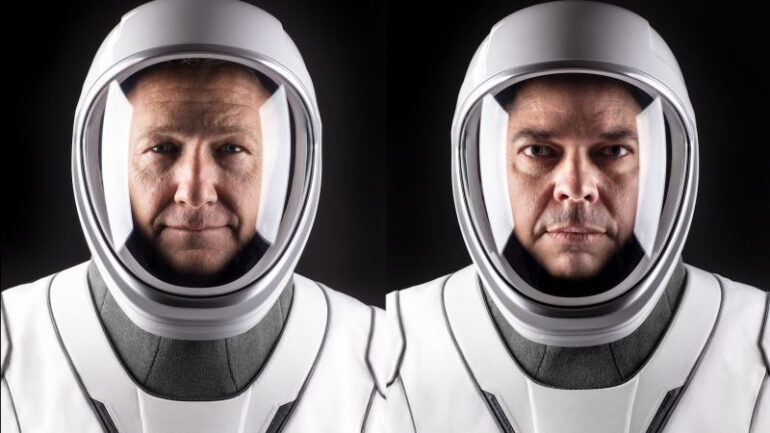
Spacex nasa astronauts human crew commercial space iss tourism bob behnken doug hurley – SpaceX NASA astronauts human crew commercial space ISS tourism Bob Behnken and Doug Hurley represent a new era of human spaceflight. Their missions mark a significant step towards making space accessible, not just for research and exploration, but also for commercial ventures and potential tourism. This journey delves into the collaboration between SpaceX and NASA, highlighting the missions, the astronauts, and the potential of commercial space tourism.
The partnership between SpaceX and NASA has revolutionized space travel. From designing reusable rockets to successfully launching astronauts into orbit, SpaceX has demonstrated innovative approaches. NASA’s role in providing crucial research and oversight complements SpaceX’s engineering prowess. This collaboration has not only enabled remarkable achievements but also paved the way for future ventures, potentially opening space to the general public through commercial space tourism.
SpaceX and NASA Collaboration
The partnership between SpaceX and NASA marks a significant turning point in human spaceflight, pushing the boundaries of exploration and commercialization. This collaboration leverages the strengths of a private space company with the vast resources and established infrastructure of a national space agency. This innovative approach has resulted in groundbreaking achievements and holds the promise of even more remarkable advancements in the future.This joint venture goes beyond a simple agreement; it represents a paradigm shift in how space exploration is conducted.
It showcases a synergistic approach, blending the agility and innovation of SpaceX with NASA’s scientific rigor and mission-critical expertise. The outcome is a more efficient and cost-effective pathway to achieve ambitious space objectives.
Key Milestones and Projects
The partnership between SpaceX and NASA has yielded several key milestones, including the successful development and deployment of reusable rockets, the creation of a reliable commercial cargo and crew transportation system, and the ongoing exploration of the International Space Station (ISS). The Commercial Crew Program, a significant achievement, demonstrates the successful collaboration between private and public sectors in achieving space goals.
Roles and Responsibilities, Spacex nasa astronauts human crew commercial space iss tourism bob behnken doug hurley
SpaceX’s role in the partnership is primarily focused on the development, manufacturing, and operation of spacecraft, including rockets and capsules. Their expertise lies in innovative engineering and cost-effective solutions. NASA, on the other hand, provides the scientific direction, mission planning, and the crucial oversight required for successful human spaceflight missions. The division of labor ensures a synergistic blend of capabilities, bringing the best of both worlds to bear on the challenges of space exploration.
Approaches to Space Exploration
SpaceX emphasizes rapid prototyping, innovative technology, and a focus on cost reduction. Their approach is characterized by a strong emphasis on reusability and a drive for efficiency. NASA, while recognizing the importance of innovation, maintains a strong focus on scientific rigor, mission safety, and the long-term sustainability of space exploration. The combination of these distinct approaches has led to remarkable advancements.
Impact on Human Spaceflight
This collaboration has significantly reduced the cost of human spaceflight, paving the way for more frequent and affordable missions. It has also fostered a new era of commercial space activity, opening up possibilities for private sector participation in space exploration. The resulting impact on human spaceflight is multifaceted, including increased accessibility, enhanced capabilities, and a broadened range of exploration opportunities.
Mission Details
This table Artikels several missions, highlighting the astronauts, launch dates, and objectives of the joint ventures.
| Mission Name | Astronauts | Launch Date | Purpose |
|---|---|---|---|
| Demo-2 | Bob Behnken and Doug Hurley | May 30, 2020 | First crewed commercial flight to the ISS |
| Crew-1 | Raja Chari, Tom Marshburn, Kayla Barron, and Matthias Maurer | November 16, 2020 | Resupply mission to the ISS and a 6-month stay in space |
| Crew-2 | Shane Kimbrough, Megan McArthur, Akihiko Hoshide, and Thomas Pesquet | August 2, 2021 | Resupply mission to the ISS |
| Crew-3 | Frank Rubio, Reid Wiseman, Jeremy Hansen, and Samantha Cristoforetti | March 27, 2022 | Resupply mission to the ISS |
Human Spaceflight Missions
SpaceX and NASA’s collaboration has significantly advanced human spaceflight, pushing the boundaries of exploration and opening new avenues for scientific discovery. These missions, leveraging advanced spacecraft technologies, have demonstrated the potential for sustainable human presence in space, including the International Space Station (ISS) and beyond. The rigorous training and selection processes ensure that astronauts are equipped with the skills and resilience needed to undertake these challenging endeavors.The development and utilization of reusable spacecraft, like the Crew Dragon, have reduced the cost and complexity of space missions, making them more accessible and potentially more frequent.
These missions are not just about reaching space; they are about learning about the human experience in a unique environment, pushing the boundaries of scientific understanding, and laying the groundwork for future endeavors like lunar and Mars missions.
SpaceX Crew Missions
The SpaceX Crew Dragon program represents a paradigm shift in human spaceflight, characterized by its focus on reusability and commercial partnerships. This program has facilitated numerous successful missions to the International Space Station (ISS), demonstrating the reliability and efficiency of the Crew Dragon spacecraft. These missions have carried NASA astronauts, along with other individuals involved in scientific and commercial endeavors.
SpaceX and NASA’s human spaceflights with astronauts like Bob Behnken and Doug Hurley, opening up commercial space travel to the ISS, are definitely cool. But imagine adding a touch of futuristic fun, like riding a robotic goat, as seen in the latest Kawasaki creation, saddle up sci fi cowboys kawasaki has a rideable robotic goat.
That definitely makes the future of space travel a bit more exciting, and potentially even more accessible! This still leaves me pondering how space tourism will continue to evolve.
Spacecraft Characteristics
The Crew Dragon spacecraft, designed for human spaceflight, features a pressurized cabin capable of accommodating a crew of seven astronauts. Crucially, its design emphasizes reusability, enabling significant cost savings compared to traditional expendable spacecraft. The spacecraft’s advanced systems, including life support and navigation, contribute to the safety and success of each mission. Its modular design allows for future modifications and upgrades, reflecting a commitment to adapting to evolving needs.
SpaceX, NASA, and astronauts like Bob Behnken and Doug Hurley are making human space travel more accessible, opening the door to commercial space tourism and ISS visits. This kind of groundbreaking work in space exploration is incredible, but honestly, this Prime Day deal finally makes the Kindle Scribe this prime day deal finally makes the kindle scribe worth buying a must-have for anyone who wants to document their own space adventures, whether they’re journaling about their trip to the International Space Station or just keeping notes about their daily life back on Earth.
It’s a fantastic tool for anyone fascinated by the future of space travel and exploration.
Astronaut Training and Selection
NASA’s rigorous astronaut selection process is designed to identify individuals with exceptional physical and mental fortitude, coupled with technical expertise. Extensive training programs encompass diverse areas, including spacewalks, emergency procedures, and spacecraft operation. The training also prepares astronauts for the psychological challenges of prolonged space missions and isolation. Candidates are evaluated for adaptability, problem-solving abilities, and team-oriented skills, ensuring the astronauts are well-suited for the demands of the mission.
SpaceX, NASA, and human crews are making incredible strides in commercial space travel, with the ISS seeing a surge in tourism. Bob Behnken and Doug Hurley’s historic flight was just a start. But have you ever had buyers remorse about your Android phone? Maybe you’re now wishing you’d gone for an iPhone, or a different Android model entirely, reflecting the sometimes-complex decisions in the commercial space industry, as well as personal tech choices.
Thankfully, space travel is more straightforward, with companies like SpaceX leading the way, opening up new possibilities for humanity’s future in space exploration. have you ever had buyers remorse your android phone Hopefully, future space tourists won’t experience the same kind of uncertainty.
Challenges Faced During Missions
Space missions, though meticulously planned, are inherently challenging. Potential risks include equipment malfunctions, unexpected environmental conditions, and the psychological strain of prolonged isolation and confinement. Mission control teams and the astronauts themselves must be prepared for a variety of contingencies and demonstrate remarkable resilience to overcome these challenges. The ability to adapt and make critical decisions under pressure is crucial to mission success.
Astronaut Contributions
| Astronaut Name | Missions | Roles | Accomplishments |
|---|---|---|---|
| Bob Behnken | Demo-2, Crew-3 | Pilot, Commander | Successfully piloted the first commercial human spaceflight mission to the ISS. |
| Doug Hurley | Demo-2, Crew-3 | Commander, Pilot | Pioneered the first commercial human spaceflight mission to the ISS, establishing a new era of space exploration. |
Commercial Space Tourism
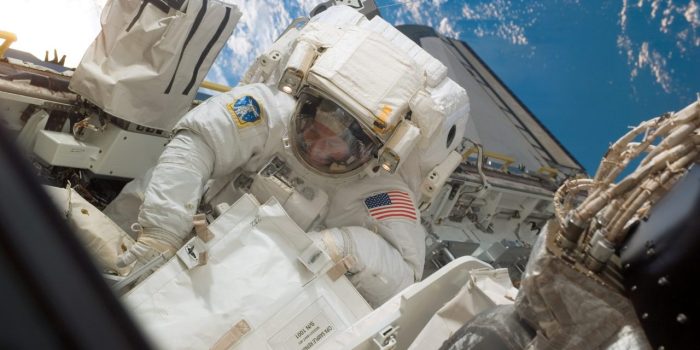
The allure of space travel has captivated humanity for decades. From science fiction dreams to nascent reality, commercial space tourism is rapidly emerging as a viable option for the adventurous and wealthy. This burgeoning industry promises a unique experience, offering glimpses into the cosmos and pushing the boundaries of human exploration. The accessibility and affordability of these experiences are still developing, but the potential for widespread participation is undeniable.
Key Companies in Commercial Space Tourism
Several companies are vying for a share of the commercial space tourism market, each with its own approach and capabilities. SpaceX, a prominent player in the industry, is actively developing its own reusable spacecraft, like the Dragon, for both cargo and human spaceflight missions. Other prominent companies include Virgin Galactic, Blue Origin, and even smaller ventures focused on suborbital or orbital tourism.
Each company offers varying degrees of service, pricing, and experience. SpaceX’s focus on reusable spacecraft and its history of successful missions positions it as a serious contender for the future of space tourism.
Current Status and Future Prospects of Commercial Space Tourism
The current status of commercial space tourism is marked by gradual development and increasing investment. Early flights have occurred, providing valuable data and experiences. However, the industry is still in its nascent stage, with significant challenges to overcome, including high costs and safety regulations. Future prospects indicate a promising trajectory, with continued innovation in spacecraft technology and potential cost reductions.
The potential for increased demand, driven by growing public interest and technological advancements, could propel the industry to new heights in the coming years.
Costs and Accessibility of Space Tourism Experiences
Space tourism experiences currently remain highly exclusive due to the significant financial investment required. The price tag for a suborbital flight, for example, can easily exceed hundreds of thousands of dollars, and orbital flights are even more expensive. Accessibility is currently limited to a select demographic with substantial disposable income. However, potential cost reductions through advancements in reusable spacecraft and increased competition could make space tourism more accessible in the future.
The ongoing development of reusable launch systems by companies like SpaceX could lead to more affordable options, opening up space travel to a wider audience.
Comparison of Space Tourism Offerings
| Company | Service | Price | Features |
|---|---|---|---|
| SpaceX (Conceptual) | Orbital Tourism | $1,000,000+ (Estimate) | Potential for longer stays, panoramic views of Earth, spacewalk opportunities (if available). |
| Virgin Galactic | Suborbital Flights | $250,000+ (Estimate) | Experience of weightlessness, breathtaking views of Earth’s curvature, shorter flight duration. |
| Blue Origin | Suborbital Flights | $200,000+ (Estimate) | Similar experience to Virgin Galactic, focused on a more personal spaceflight experience. |
Potential Benefits and Drawbacks of Commercial Space Tourism
The potential benefits of commercial space tourism are numerous, including advancements in space technology, economic growth in the space industry, and a deeper understanding of our universe. However, drawbacks include the potential for environmental impact from rocket launches, ethical considerations surrounding access and affordability, and the risk of accidents. A critical factor to consider is the potential for overcrowding and the long-term effects on the space environment.
The careful management of these potential challenges is crucial for the responsible development of this exciting new frontier.
Final Summary: Spacex Nasa Astronauts Human Crew Commercial Space Iss Tourism Bob Behnken Doug Hurley
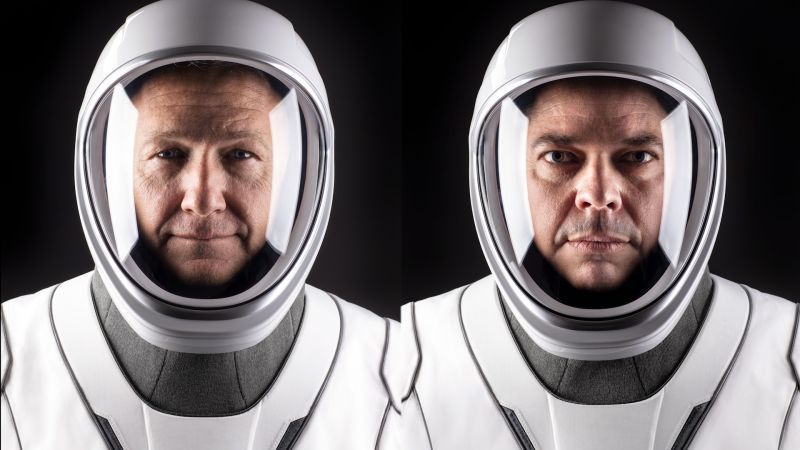
In conclusion, the SpaceX and NASA collaboration, epitomized by missions like the one with Bob Behnken and Doug Hurley, is a powerful testament to human ingenuity and the potential for expanding our presence beyond Earth. The future of space tourism is brimming with possibilities, offering unprecedented opportunities for exploration and commercialization. The challenges and rewards of venturing into the cosmos remain captivating, prompting further innovation and collaboration.