

Net metering in California with solar is a complex yet crucial topic for understanding renewable energy adoption. It’s a system where homeowners and businesses with solar panels can feed excess energy back into the grid, offsetting their consumption. This intricate system has a rich history, unique benefits, and inherent challenges. This post will explore the ins and outs of California’s net metering programs, examining everything from financial incentives to the potential impact on the grid.
From the historical evolution of net metering policies to the various types of solar installations eligible, this comprehensive guide will dissect the key components of the program. We’ll also look at the different programs for residential, commercial, and industrial solar, highlighting the eligibility criteria, benefits, and limitations of each.
Overview of Net Metering in California
Net metering in California has been a cornerstone of the state’s ambitious renewable energy goals. It’s a crucial mechanism allowing homeowners and businesses to generate their own electricity using solar panels and sell any excess back to the grid. This system, while beneficial, has also faced challenges and undergone adjustments over time. Understanding its evolution and components is essential for comprehending its impact on California’s energy landscape.The program’s historical context is deeply intertwined with California’s pioneering efforts to promote renewable energy.
Early adoption of net metering policies reflected a growing commitment to sustainability and environmental protection. Over the years, these policies have evolved to balance the interests of solar energy producers with the needs of the broader energy grid. This evolution reflects the constant need to adapt to technological advancements and changing market conditions.
Historical Context and Evolution of Net Metering
California’s net metering policies have been a significant driver in the state’s transition to renewable energy. Initially, net metering fostered rapid solar panel adoption by providing a clear pathway for homeowners and businesses to generate their own power. This early success led to further refinements in policies to better address the evolving energy landscape.
Key Components of the Net Metering Program
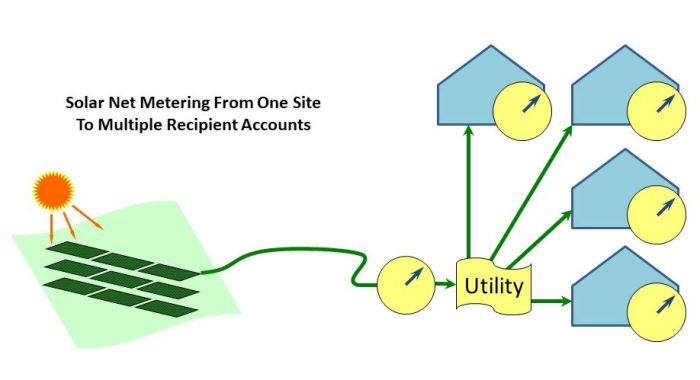
The core of California’s net metering program rests on the principle of crediting solar energy producers for excess electricity fed into the grid. This credit is then applied to their electricity bills. Furthermore, the program usually includes a clear mechanism for calculating the credit based on the amount of electricity generated and consumed. The program often includes provisions for time-of-use rates and demand charges, impacting the overall profitability of solar installations.
Types of Solar Installations Participating in Net Metering
A wide range of solar installations can participate in California’s net metering program. These include residential rooftop systems, commercial installations on buildings, and industrial-scale solar farms. Each type of installation faces unique considerations, including permitting and grid connection requirements. The diverse applications reflect the broad-based commitment to renewable energy across the state.
California Net Metering Programs for Solar Installations
| Program Type | Eligibility Criteria | Benefits | Limitations |
|---|---|---|---|
| Residential | Typically limited to single-family homes or small multi-family units; specific permitting and interconnection requirements. | Simplicity and affordability for individual solar energy generation; direct credits for excess energy produced. | Limited system size and potential for grid capacity constraints; often regulated for system sizes and locations. |
| Commercial | Businesses with solar installations; compliance with commercial energy codes and local regulations; may require specialized permitting procedures. | Ability to reduce energy costs significantly, and potential for substantial energy savings; enhanced brand image. | Higher initial costs compared to residential systems; regulatory requirements may be more complex; potentially more challenging interconnection. |
| Industrial | Large-scale solar farms; extensive permitting and interconnection processes; specific requirements for grid infrastructure. | Significant energy generation potential; potential for large-scale energy independence; positive impact on the environment. | High initial capital investment; complex permitting and interconnection requirements; potential for environmental concerns. |
Benefits of Net Metering for Solar Owners in California
Net metering in California empowers homeowners to generate their own electricity through solar panels and sell excess energy back to the grid. This system fosters a symbiotic relationship between solar energy production and the utility infrastructure, allowing for a more sustainable energy future. This article delves into the multifaceted benefits of net metering for solar owners, emphasizing the financial, environmental, and personal advantages.
Financial Incentives for Solar Owners
Net metering directly impacts solar owners’ financial situations. California’s net metering policies allow solar energy system owners to offset their electricity bills by selling excess energy generated to the utility company. This creates a significant financial incentive for adopting solar, potentially leading to substantial savings over the long term. The value of the credits earned from selling excess electricity can vary depending on the specific utility company, time of day, and energy prices.
Environmental Advantages of Net Metering
The environmental advantages of net metering are substantial. By reducing reliance on fossil fuels, solar energy production through net metering lowers greenhouse gas emissions. This contributes to a cleaner environment and mitigates the adverse effects of climate change. Furthermore, the use of renewable energy sources like solar helps preserve natural resources, reducing our impact on the planet.
Energy Independence and Self-Sufficiency
Net metering fosters energy independence and self-sufficiency. Solar owners can reduce their dependence on the utility grid and gain greater control over their energy consumption. This translates to resilience in times of grid instability or outages. By generating a portion or all of their electricity needs, solar owners gain independence and control over their energy costs.
Comparison to Other Renewable Energy Programs in California
California offers a variety of renewable energy programs, each with its own set of benefits and drawbacks. Net metering stands out by providing a direct and immediate financial incentive for homeowners to install solar panels. While other programs may offer incentives like tax credits or rebates, net metering directly links energy generation to bill reduction. Other programs may have specific eligibility criteria or time-limited incentives, while net metering often operates on a more consistent basis.
California’s net metering program for solar energy is a fantastic way to support renewable energy. Thinking about how technology can make life easier for everyone, the recent Google Maps update with wheelchair accessibility information for accessible places is a game-changer. This feature, detailed in google maps wheelchair accessibility accessible places feature release , will hopefully lead to more equitable access and navigation, just like net metering with solar empowers individuals to contribute to a sustainable future.
Financial Returns of Net Metering
This table illustrates the estimated financial returns of net metering for different solar system sizes in California. These figures are estimations and actual results may vary based on factors like utility rates, energy production, and system efficiency.
| System Size (kW) | Estimated Annual Savings | Estimated Return on Investment (Years) |
|---|---|---|
| 5 | $1,500 – $3,000 | 5 – 8 |
| 10 | $3,000 – $6,000 | 3 – 5 |
| 15 | $4,500 – $9,000 | 2 – 4 |
Challenges and Limitations of Net Metering in California: Net Metering In California With Solar
Net metering, while a crucial component of California’s solar energy revolution, faces certain obstacles that impact both solar owners and the broader energy grid. Understanding these challenges is vital for fostering a sustainable and equitable energy transition. These issues often involve regulatory complexities, potential grid instability, and differing perspectives between energy providers and solar installers.California’s ambitious renewable energy goals, coupled with the popularity of residential solar installations, have created a situation where the net metering system is sometimes strained.
This has led to discussions about how to best balance the benefits of solar energy with the reliability and stability of the state’s electrical grid.
Common Challenges for Solar Owners
Solar owners in California face several hurdles related to net metering. These issues often arise from the complexity of the process and the sometimes-conflicting interests of various stakeholders. Some common complaints include lengthy permitting and interconnection procedures, uncertainty about future rate structures, and issues with accurate energy billing. These hurdles can significantly impact the profitability and feasibility of solar investments.
Regulatory Hurdles and Complexities
The net metering process in California is governed by intricate regulations and procedures. These regulations aim to ensure the safe and efficient integration of solar energy into the grid. However, the complexity of these regulations can lead to delays and difficulties for solar owners. Navigating the permitting process, understanding the interconnection requirements, and complying with changing standards can be time-consuming and challenging, requiring specialized knowledge.
The California Public Utilities Commission (CPUC) plays a crucial role in setting these regulations, but the intricacies can still present a barrier for many homeowners.
Potential for Grid Instability and Reliability Issues
As more solar energy is integrated into the grid, concerns about grid stability and reliability emerge. Large-scale solar installations, while beneficial, can create challenges in managing the fluctuating energy supply. The intermittent nature of solar generation necessitates robust grid management strategies to ensure consistent power delivery. One example is the need for battery storage solutions or other backup power sources to address periods of low solar generation.
Smart grid technologies can help mitigate these issues, but their implementation can be expensive and complex.
Perspectives of Energy Providers and Solar Installers
The perspectives of energy providers and solar installers on net metering often differ. Energy providers are concerned about the impact of net metering on their revenue streams and the overall grid stability. They may argue that net metering policies need adjustments to better reflect the costs of maintaining the grid and ensuring reliability. Solar installers, conversely, typically advocate for policies that support the growth of solar energy and ensure equitable access to net metering benefits for their clients.
These differing perspectives highlight the need for a balanced approach that addresses the concerns of all stakeholders.
California’s net metering program for solar is a pretty cool system, but lately I’ve been more focused on mobile gaming. Checking out the latest League of Legends Wild Rift gameplay trailer on mobile consoles here has me hooked. Still, I’m hoping to see net metering in California with solar power continue to thrive, allowing homeowners to offset their energy costs and contribute to a greener future.
Potential Solutions to the Challenges
Addressing the challenges of net metering requires a multi-faceted approach that considers the needs of all stakeholders. Possible solutions include:
- Incentivizing grid modernization: Investing in smart grid technologies and grid infrastructure can help better integrate intermittent renewable energy sources like solar. This would improve grid stability and reliability, and address potential challenges associated with managing fluctuating energy supply.
- Exploring alternative compensation models: Developing alternative compensation models for energy providers beyond net metering, like Time-of-Use (TOU) rates, can better reflect the actual costs of maintaining the grid and the value of solar energy. This can create a more equitable energy market.
- Simplifying the permitting and interconnection process: Streamlining the permitting and interconnection process can reduce the administrative burden on solar owners and installers, accelerating the adoption of solar energy. This can involve clear guidelines, digital platforms, and a more efficient regulatory framework.
- Encouraging energy storage solutions: Providing incentives for homeowners to install battery storage systems can enhance the reliability of solar installations, mitigating the impact of solar energy’s intermittency. This would also increase grid stability by storing energy during peak solar production periods.
- Promoting open dialogue and collaboration: Facilitating communication and collaboration between energy providers, solar installers, and policymakers is crucial. This would allow for a more balanced approach that addresses the concerns of all parties involved in the energy transition.
Impact of Net Metering on the California Electricity Grid
Net metering, a critical component of California’s renewable energy push, has significantly impacted the state’s electricity grid. Its adoption, while promoting solar energy, has presented challenges and opportunities for grid management and electricity pricing. This section delves into the multifaceted impact of net metering on the California grid, from price fluctuations to the innovative strategies employed to maintain stability.California’s electricity grid, historically reliant on large centralized power plants, is now facing a fundamental shift with the increasing integration of distributed generation from residential solar installations.
This shift requires significant adaptations in grid management and pricing structures. Understanding the intricacies of this transition is crucial to ensure a reliable and sustainable energy future for the state.
Impact on Electricity Prices
Net metering, by allowing solar homeowners to feed excess energy back into the grid, often leads to a decrease in their electricity bills. However, this doesn’t necessarily translate to lower electricity prices for all consumers. In some cases, the overall cost of electricity may increase, particularly during periods of high demand, as the grid needs to accommodate fluctuating generation.
The presence of net metering, coupled with the volatility of energy production, introduces complexities into the forecasting and pricing models. This creates a dynamic environment where pricing mechanisms need to be adjusted to reflect the changing energy mix.
Role in Promoting Renewable Energy Adoption
Net metering plays a crucial role in fostering renewable energy adoption. The incentive of reduced electricity bills and the ability to offset energy consumption with self-generated solar power motivates homeowners to install solar panels. This distributed generation model has the potential to increase the overall renewable energy share in the California energy mix, driving the state’s environmental goals forward.
California’s net metering program for solar energy is a pretty cool way to incentivize homeowners to go solar. But while we’re celebrating clean energy, it’s important to also think about the broader implications for workers in the gig economy, like those on Instacart. Issues like sick pay for gig workers, especially in the context of topics like DC agricultural policy, telemedicine, and childcare access, as discussed in this article , highlight a need for broader support systems alongside our commitment to solar energy.
Ultimately, a robust net metering program needs to be paired with policies that support workers and communities in California, making clean energy truly accessible for everyone.
This trend is not unique to California; many other regions worldwide are adopting similar models to enhance their renewable energy portfolios.
Grid Management Strategies
Maintaining grid stability in the face of fluctuating solar energy production necessitates the development of sophisticated grid management strategies. These strategies encompass several key aspects, including advanced forecasting tools to anticipate energy supply and demand, real-time grid monitoring systems, and smart grid technologies to manage the flow of electricity. Furthermore, grid modernization through upgrades and reinforcements is critical to accommodate the increasing volume of distributed generation.
- Advanced Forecasting: Precise forecasting of solar energy generation, coupled with real-time demand information, is vital for grid operators. This allows them to balance the fluctuating solar output with the ever-changing energy needs of the consumers.
- Real-Time Monitoring: Continuous monitoring of the electricity flow across the grid is essential. This allows for prompt identification of potential grid instability and the implementation of necessary corrective measures.
- Smart Grid Technologies: Smart grid technologies such as smart meters and demand response programs empower consumers to adjust their energy consumption patterns based on grid needs. This flexibility helps manage peak demand and integrate distributed generation more effectively.
Comparison of Electricity Grid Structures
| Feature | Current Structure | Hypothetical Structure (Net Metering Integrated) |
|---|---|---|
| Energy Flow | Primarily unidirectional flow from centralized power plants to consumers. | Bidirectional flow, with significant energy exchange between distributed generation (solar panels) and the grid. |
| Grid Management | Centralized control, with limited integration of distributed energy resources. | Decentralized control, with sophisticated algorithms and smart grid technologies to manage the interaction between centralized and distributed generation. |
| Electricity Prices | Typically based on wholesale electricity costs and fixed tariffs. | Dynamic pricing models that reflect the real-time energy supply and demand, incorporating the value of distributed generation. |
Future of Net Metering in California
California’s pioneering net metering program has been a crucial driver of solar adoption. However, the future of this program faces evolving policy considerations, technological advancements, and the need for grid stability. The ongoing debate surrounding net metering’s role in California’s energy future highlights the complex interplay between renewable energy, consumer incentives, and grid infrastructure.
Potential Policy Changes and Regulations
California’s net metering policies have been subject to periodic reviews and adjustments. Future changes might involve modifications to the net metering rules, including adjustments to the crediting methodology for excess solar energy generation, or even potential restrictions on the application of net metering to certain customer types. These revisions could impact the financial incentives for solar installations and potentially affect the overall cost of electricity for consumers.
Potential Implications for Solar Owners and Energy Providers, Net metering in california with solar
Changes to net metering policies could significantly impact solar owners. For example, if net metering credits are reduced or eliminated, the financial attractiveness of solar installations would decrease. Conversely, energy providers could face challenges in managing the fluctuating electricity demands associated with distributed solar generation. These adjustments might also influence the investment strategies of both energy providers and solar installers.
Impact of Technological Advancements
Technological advancements in energy storage and smart grid technologies have the potential to reshape the net metering landscape. Battery storage systems, for example, can mitigate the intermittency of solar energy, thereby reducing the strain on the grid during periods of low solar generation. Smart grid technologies could optimize the integration of distributed solar generation into the grid.
Role of Government Support in Promoting Solar Adoption
Continued government support for solar adoption remains crucial. Policies like tax credits, rebates, and incentives can encourage solar installations, ensuring affordability for consumers. The ongoing funding for research and development in energy storage and smart grid technologies can significantly impact the future of net metering and solar adoption in California. For instance, incentives and subsidies have been key drivers in promoting renewable energy installations across many jurisdictions.
Key Factors Influencing the Future of Net Metering
Several key factors will influence the future of net metering in California. The state’s commitment to renewable energy goals, the evolving needs of the electricity grid, and the technological advancements in energy storage and grid management all play pivotal roles. The public’s acceptance and understanding of net metering’s role in a sustainable energy future will also be a significant consideration.
Public awareness campaigns and educational initiatives can play a critical role in shaping this understanding.Furthermore, the cost of solar energy technology, as well as the economic competitiveness of solar compared to other energy sources, will significantly influence future adoption and net metering policy. Lastly, the integration of renewable energy sources like wind and geothermal energy will affect the demand for net metering and potentially influence its future design.
Closure

In conclusion, net metering in California with solar offers a compelling pathway to renewable energy, but it’s not without its challenges. This detailed exploration of the programs, benefits, limitations, and future prospects provides a clear picture of the evolving landscape. As California continues to push for sustainability, understanding these intricacies will be key to navigating the future of solar energy adoption.
The future of net metering will depend on ongoing policy adjustments, technological advancements, and the continuing support of government entities.