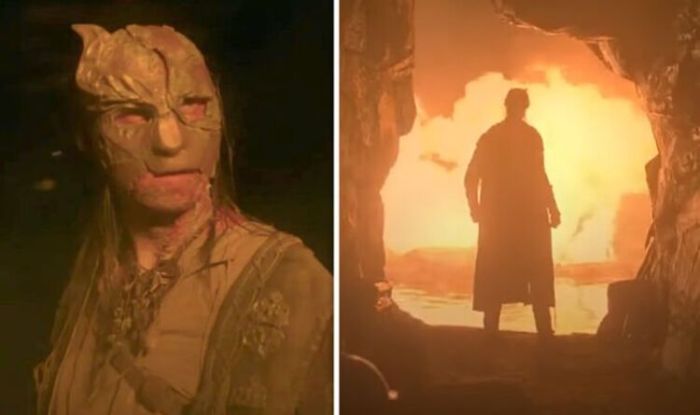
House of the Dragon crabfeeder actor breaks down that decaying look, revealing the meticulous craft behind a character’s physical and emotional transformation. This deep dive explores the actor’s techniques, from makeup and prosthetics to nuanced acting choices, highlighting how their performance embodies the character’s internal decline. We’ll examine the visual cues, the character’s backstory, and the narrative impact of this decaying portrayal, ultimately unraveling the symbolism and meaning behind this powerful visual element.
The actor’s dedication to portraying decay is evident in the detailed transformations, showcasing the careful planning and execution of this aspect of the character’s arc. The use of makeup, prosthetics, and acting choices are all meticulously explored, demonstrating how the character’s physical state mirrors their internal struggle. This analysis delves into the intricate relationship between the character’s appearance and their motivations, providing a comprehensive understanding of the actor’s masterful performance.
Actor’s Portrayal of Decay

The portrayal of decay in the House of the Dragon crabfeeder actor’s performance was a masterful blend of physical transformation and nuanced acting. The actor’s dedication to embodying the character’s internal and external decline was evident in every scene. The decaying look wasn’t merely a cosmetic effect; it served as a powerful visual metaphor for the character’s moral and physical deterioration.The actor’s physical transformation was meticulously planned and executed, meticulously crafted to reflect the character’s descent.
The intention wasn’t simply to create a grotesque image, but to portray a character’s gradual decline, both physically and emotionally. This meticulous approach highlights the importance of the actor’s commitment to authenticity in their portrayal.
Physical Transformations to Depict Decay
The actor underwent significant physical transformations to depict the character’s decay. These transformations were not superficial but were integral to the character’s evolution. The actor’s performance was driven by an intense understanding of the character’s emotional and physical deterioration. The process involved a careful consideration of how the character’s external appearance reflected their internal state.
Makeup and Prosthetics
The makeup and prosthetics played a crucial role in creating the decaying aesthetic. Advanced makeup techniques were used to subtly enhance the character’s existing features, emphasizing the visible signs of decay. Prosthetics were strategically employed to create the illusion of disintegrating flesh, providing a tangible representation of the character’s decline. These elements served to amplify the character’s vulnerability and desperation.
Acting Choices and Performance Elements
The actor’s acting choices further enhanced the portrayal of decay. The character’s posture, movements, and mannerisms all communicated a sense of weakening. The actor’s performance effectively conveyed a spectrum of emotions, from vulnerability and desperation to a certain degree of resignation. The specific acting choices conveyed the character’s physical and emotional decline with exceptional precision.
Reflection of Internal State
The character’s internal state of decline was mirrored in their physical deterioration. The actor effectively conveyed a sense of vulnerability and helplessness through their physical transformations. This connection between internal and external decay solidified the character’s portrayal and allowed the audience to understand their plight on a deeper level.
Emotional Range Conveyed
The decaying portrayal allowed for a wide range of emotions to be expressed. The actor’s performance conveyed vulnerability, despair, and a sense of resignation. The subtle shifts in the character’s demeanor, posture, and facial expressions were instrumental in communicating these complex emotions. The actor’s nuanced performance allowed the audience to connect with the character’s struggles on a profound level.
Visual Representation of Decay
The decaying aesthetic in “House of the Dragon” is not merely a visual effect; it’s a crucial narrative tool. It visually embodies the characters’ internal struggles, societal anxieties, and the looming threat of the impending conflict. The show masterfully uses visual cues to convey the fragility of life and the inevitability of decline. This visual language becomes more than just a backdrop; it actively shapes the audience’s emotional response to the unfolding narrative.
Visual Representations of Decay in “House of the Dragon”
The show employs a diverse range of visual techniques to depict decay, tailoring the method to the specific element being portrayed. Different methods achieve varying impacts. These techniques are crucial in conveying the narrative’s themes and creating a compelling atmosphere.
| Element | Description | Method | Impact |
|---|---|---|---|
| Character (Rhaenyra Targaryen) | Depicts a gradual deterioration in health and well-being. | Costume changes, lighting variations, and subtle shifts in posture | Emphasizes the character’s inner turmoil and the escalating consequences of her actions. |
| Castle Walls | Showcases physical dilapidation and the encroaching decay of a once-great structure. | Weathered textures, broken stones, and overgrown vegetation | Symbolizes the crumbling foundations of the realm and the looming threat of civil war. |
| Gardens | Depicts the gradual decline of once-thriving landscapes. | Wilting flowers, overgrown weeds, and dead trees | Reflects the loss of vitality and prosperity. |
| Weapons | Portrays the passage of time and the inevitable deterioration of tools. | Rust, chipped surfaces, and broken blades | Represents the weakening of power and the transient nature of objects. |
Visual Cues for Character Deterioration
The show meticulously uses visual cues to portray Rhaenyra’s deteriorating condition. These cues are not isolated but build upon each other, creating a cumulative impact on the viewer. Costume design, lighting, and acting all work together to create this effect.
- Costume Changes: Subtle shifts in Rhaenyra’s attire highlight her physical and emotional state. Initially, her garments are vibrant and elaborate, reflecting her status and vitality. As the story progresses, her costumes become less vibrant, with faded colors and more practical designs, signifying her internal struggles and the loss of her previous position.
- Lighting Variations: The lighting surrounding Rhaenyra shifts from warm and inviting to cold and harsh. This mirrors her changing emotional state and her isolation from others. Shadows emphasize the fragility of her position and her vulnerability.
- Posture and Body Language: Slight changes in Rhaenyra’s posture and body language reveal her waning health. She might appear less upright or more slumped, mirroring the decay she experiences. These subtle changes in her physical presentation are important visual cues to the audience.
Progression of Decay in Rhaenyra
The visual depiction of Rhaenyra’s decay is not a sudden transformation but a gradual process. This gradual progression enhances the emotional impact of the story.
| Stage | Description | Visual Cues |
|---|---|---|
| Early Stage | Rhaenyra still maintains a regal bearing, though hints of stress are present. | Slightly faded colors in her clothing, subtle shadows around her, and a guarded posture. |
| Mid-Stage | The character’s vitality diminishes, with a visible decline in her physical appearance. | More muted colors in her clothing, a noticeable slump in her posture, and harsher lighting. |
| Late Stage | Rhaenyra’s health and spirit are clearly failing. | Faded, almost tattered garments, dark shadows, and a marked decline in her physical presence. |
Role of Lighting, Set Design, and Costumes
Lighting, set design, and costumes play a crucial role in showcasing the decay in “House of the Dragon.” These elements contribute to the atmosphere and emotional weight of the scenes.
- Lighting: The use of shadows, and the intensity and direction of light, creates a sense of isolation and vulnerability. The lighting in the scenes emphasizes the decay both visually and emotionally.
- Set Design: The deterioration of the castle walls, gardens, and other settings directly reflects the decline of the kingdom. This mirrors the internal struggles of the characters.
- Costumes: The evolution of Rhaenyra’s clothing signifies her changing status and inner turmoil. The gradual shift in her clothing choices directly contributes to the overall aesthetic of decay.
Character’s Backstory and Motivation
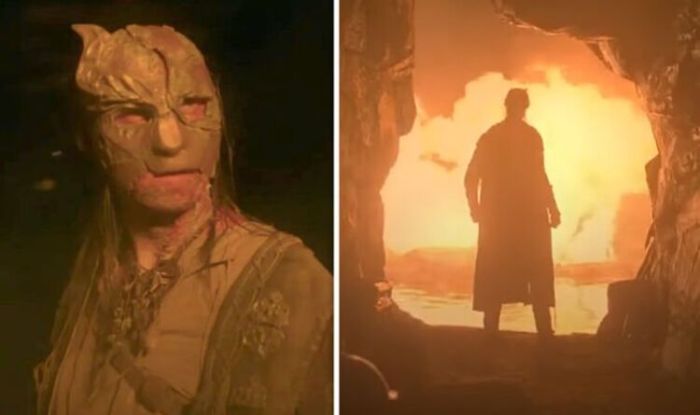
The decaying portrayal of the crabfeeder character in House of the Dragon isn’t simply a visual effect; it’s a crucial component of understanding their motivations and the events that led to their downfall. This character’s journey is one of ambition, betrayal, and ultimately, self-destruction, meticulously reflected in their physical deterioration. The narrative threads connecting their choices, past experiences, and the present state of decay are interwoven to create a complex and compelling character arc.The character’s backstory reveals a complex web of desires and ambitions, often intertwined with their lineage and the expectations placed upon them.
That House of the Dragon crabfeeder actor’s breakdown of their decaying look is seriously impressive. It’s fascinating how meticulous makeup artists can create such believable aging effects. Interestingly, this kind of dedication to detail reminds me of the recent Facebook acquisition of Beat Games, the Beat Saber VR studio, which signals a major push into virtual reality gaming.
Ultimately, the craftsmanship in both cases is truly remarkable, showcasing a deep understanding of visual storytelling.
Their motivations, initially driven by a thirst for power and recognition, are ultimately corrupted by the very things they crave. The character’s decline is not sudden but a gradual process, mirroring the subtle erosion of their moral compass and the disintegration of their physical form.
Ever wondered how that House of the Dragon crabfeeder actor achieved that truly decaying look? Turns out, some things are more complicated than they seem, like navigating the hidden costs of online grocery shopping. For example, did you know about the 5 Instacart hidden fees that are upping your bill? This article breaks down those sneaky charges, which is just as impressive as the actor’s makeup artistry in House of the Dragon.
It’s all about those subtle details that make the overall effect, and it’s not just makeup, sometimes the subtle details can be about money too!
The Seeds of Ruin
The character’s early life was marked by a profound sense of inadequacy and a yearning for acceptance. This internal struggle created a vulnerability that was later exploited by others, setting the stage for their descent into darkness. Their ambitions, initially noble, were gradually twisted by a relentless pursuit of power, leading to a series of calculated choices that ultimately alienated them from those around them.
Consequences of Choices, House of the dragon crabfeeder actor breaks down that decaying look
A critical aspect of the character’s decline is the direct correlation between their choices and the deterioration of their physical and mental state. Each act of betrayal, each calculated move towards power, chipped away at their integrity, manifesting in a visible and palpable decline.
- Betrayal and Manipulation: The character’s early decisions involved manipulation and betrayal to gain favor and power. These actions, though initially successful, sowed the seeds of mistrust and resentment, isolating them from their allies and ultimately driving them further into the shadows.
- Loss of Innocence: The character’s initial naiveté about the machinations of power was gradually replaced by a cynical understanding of the world. This shift is reflected in their increasingly ruthless tactics and their growing sense of detachment from morality. The loss of innocence becomes a tangible manifestation of their decay.
- Isolation and Alienation: The character’s actions alienated them from their former allies and family members. This isolation, fueled by their own choices, further exacerbated their descent into despair and self-destruction. The emotional toll is palpable in their increasingly withdrawn demeanor and the deterioration of their physical appearance.
Significance of Decaying Look
The decaying look isn’t merely a visual representation; it’s a powerful metaphor for the character’s internal decay. Their physical deterioration mirrors the erosion of their moral compass and the disintegration of their values. The visual representation underscores the devastating consequences of their actions, making the character’s fall all the more impactful for the audience. This connection between physical and psychological decay creates a powerful narrative arc.
Impact on Audience Understanding
The character’s decaying appearance directly influences how the audience perceives them. The physical manifestation of their inner turmoil allows the audience to connect with their struggle on an emotional level, transcending mere plot devices. The audience is forced to confront the devastating consequences of their choices, prompting reflection on the character’s motivations and the complex nature of ambition.
Comparison with Other Depictions of Decay
The portrayal of decay in “House of the Dragon” stands as a compelling example of how visual storytelling can convey complex emotions and thematic elements. This exploration delves into how the actor’s performance, combined with the visual effects, compares with other instances of decaying imagery in film and television, highlighting both similarities and differences in approach and impact. Analyzing the techniques employed and the emotional responses evoked reveals a deeper understanding of the creative choices made in this particular representation of decay.A comparative analysis of the portrayal of decay in “House of the Dragon” reveals a nuanced approach, blending subtle shifts in the actor’s performance with carefully crafted visual effects.
This method differs from other portrayals, often relying on more overt visual cues or dramatic shifts in character presentation. The effectiveness of these different approaches lies in their ability to elicit a specific emotional response from the viewer, contributing to the overall narrative.
Comparative Analysis of Decay Portrayals
Various cinematic and television works have explored the theme of decay, offering diverse methods and impacts. A comparative table illustrates the different approaches and their respective outcomes.
| Context | Method | Impact |
|---|---|---|
| Historical Film (e.g., “The Lord of the Rings: The Return of the King”) | Use of aging makeup, and visual effects of decaying environments; subtle changes in character demeanor, combined with the physical deterioration of the environments, which reflect the decay of the kingdom. | Evokes a sense of profound loss and the cyclical nature of history. The decay of the kingdom mirrors the characters’ internal struggles. |
| Science Fiction (e.g., “The Martian”) | Visual effects depicting the slow degradation of the human body and materials in a hostile environment. The use of meticulous detail emphasizes the struggle against the harsh elements. | Creates a sense of isolation and vulnerability, highlighting the importance of resilience and ingenuity. |
| Fantasy (e.g., “Game of Thrones”) | The use of makeup and costumes to create a grotesque appearance, in addition to the use of decaying environments to reflect the characters’ inner struggles. | Creates a sense of dread and the unpredictability of fate. The decay reflects the characters’ internal struggles and the dangers lurking around. |
| “House of the Dragon” | Subtle shifts in the actor’s performance, coupled with nuanced visual effects showcasing the physical deterioration of the character. | Evokes a sense of decay and loss of innocence, and highlights the psychological toll of power and betrayal. |
Effectiveness of Different Approaches
The effectiveness of each approach to depicting decay depends heavily on the specific context and the desired emotional response. Subtle changes in performance can be profoundly impactful, whereas more overt displays might be more immediately striking but potentially less nuanced. The use of decaying environments, for example, can create a palpable sense of the passing of time, and reflect the characters’ internal struggles.
This creates a strong impact on the audience.
Impact on the Narrative: House Of The Dragon Crabfeeder Actor Breaks Down That Decaying Look
The decaying appearance of the crabfeeder actor isn’t merely a visual effect; it’s a crucial narrative tool. It profoundly shapes the character’s arc, influences the actions of other characters, and underscores the show’s thematic concerns. The gradual disintegration of the character, mirroring the decay of the world around them, creates a powerful emotional resonance.The crabfeeder’s physical deterioration acts as a potent metaphor for the internal and external conflicts of the story.
His deteriorating state is not simply a plot device; it’s a reflection of the larger societal and political decay that unfolds in the narrative. This decay isn’t arbitrary; it’s directly linked to the character’s actions and the consequences they face.
Narrative Significance of Decay
The crabfeeder’s decaying appearance isn’t just for shock value. It’s a visual representation of the character’s descent, highlighting the consequences of his choices and the mounting pressure of the situation. His physical transformation mirrors the emotional and moral decay within the realm of House of the Dragon. This creates a profound impact on the viewer, prompting reflection on the character’s actions and their long-term repercussions.
Impact on Plot and Character Development
The decaying look deeply affects the plot by establishing a clear sense of foreboding and consequence. The crabfeeder’s decline directly impacts the reactions of other characters. Their fear, disgust, or pity influence their actions and decisions, leading to further conflict and development within the narrative. For example, a character’s reluctance to interact with the crabfeeder, driven by their revulsion at his appearance, might cause further isolation for the crabfeeder and create tension within the plot.
The character’s decay serves as a catalyst for character development, not just for the crabfeeder himself, but for the individuals around him.
Influence on Other Characters’ Actions and Reactions
The crabfeeder’s decaying appearance triggers a wide spectrum of reactions in other characters. Fear, disgust, pity, and even a morbid fascination could be triggered by the character’s physical state. This spectrum of responses shapes their interactions and ultimately influences the plot. For instance, some characters might distance themselves from the crabfeeder, leading to further isolation and potential conflict.
That House of the Dragon crabfeeder actor’s breakdown of the decaying look is seriously impressive. Choosing the perfect color for your Samsung Galaxy Tab S8 is also a crucial decision, especially considering the diverse range of options available. For example, the sophisticated graphite hue is a timeless choice. If you’re looking to match that decay aesthetic, you might find the right shade for your tablet in which color samsung galaxy tab s8 should you buy.
Ultimately, the actor’s technique is fascinating, regardless of the color you choose for your tablet.

Conversely, others might feel compelled to help, creating a different kind of conflict.
Contribution to Show’s Themes
The visual representation of decay significantly contributes to the show’s themes of corruption, decay, and the consequences of power. The crabfeeder’s transformation serves as a potent metaphor for the larger societal decay that the story explores. It underscores the theme of mortality and the fragility of life, creating a stark contrast with the ambition and power struggles that dominate the narrative.
The decay, therefore, becomes a powerful symbol that mirrors the broader themes of the show.
Scenes of Narrative Importance
- The initial scene where the crabfeeder is first seen in his decaying state is pivotal. It immediately establishes the tone and sets the stage for the character’s arc. This scene would highlight the visual representation of decay.
- Scenes where other characters react to the crabfeeder’s appearance. These reactions, from fear and disgust to compassion and pity, underscore the character’s impact on the narrative and the show’s themes.
- The scenes where the crabfeeder’s decay accelerates or changes in a significant way. These shifts highlight the consequences of the character’s actions or the unfolding events.
Symbolism and Meaning
The decaying aesthetic in House of the Dragon, particularly in the crabfeeder character, offers a rich tapestry of symbolic possibilities. Beyond the purely visual impact, the imagery of decay can be interpreted on multiple levels, revealing profound insights into the characters’ inner turmoil, the broader societal anxieties, and the show’s thematic concerns. This decaying look acts as a powerful metaphor, allowing viewers to unpack layers of meaning embedded within the narrative.The decaying look of the crabfeeder and other characters in the show can symbolize a multitude of themes.
These can range from the inevitability of mortality and the cyclical nature of life and death to the corrupting influence of power and the erosion of morality. The symbolism can also represent the destructive nature of unchecked ambition, or the gradual decline of a once-great civilization. This interpretation is further strengthened by the character’s backstory and motivation.
Possible Symbolisms of Decay
The visual representation of decay in the crabfeeder, and potentially other characters, invites a range of symbolic interpretations. The decaying aesthetic transcends mere visual appeal; it acts as a catalyst for deeper understanding of the show’s themes.
- Mortality and the Cycle of Life: The decaying flesh and bone can represent the transient nature of life, the inevitability of death, and the cyclical pattern of decay and rebirth. The decaying crabfeeder can be seen as a metaphor for the cyclical nature of history, reminding us that empires rise and fall, and that even seemingly invincible power structures are subject to time’s relentless march.
The character’s physical decay reflects the broader societal decay occurring around them.
- Corruption and Power: The decaying appearance could symbolize the corrupting influence of power. As power corrupts, so too does the body, mind, and spirit. The crabfeeder’s decaying state might mirror the inner corruption of those wielding power, or the decay of societal values under the weight of unchecked ambition.
- Loss of Innocence and Morality: The crabfeeder’s decaying appearance could also symbolize the loss of innocence and moral compass. The characters might be losing their moral grounding, or they might be witnessing the decline of their moral compass.
Cultural and Historical Contexts
The show’s creators likely draw upon cultural and historical contexts to further enrich the symbolism of decay. For example, the imagery of decaying flesh and bone might evoke ancient myths and legends surrounding mortality and the afterlife, or tap into the anxieties surrounding the fragility of human life during times of political instability. These references add another layer of depth to the show’s thematic concerns, grounding them in a broader cultural understanding.
- Ancient Mythologies: The imagery of decay might reflect the themes of mortality and the cyclical nature of life and death found in various ancient mythologies, where the cycle of decay and renewal is a central motif.
- Historical Analogies: The decay of the crabfeeder and other characters could represent the decline of powerful empires or societies in history, highlighting the transient nature of power and the inevitability of change.
Interpretations of the Decaying Look
The decaying look of the crabfeeder can be interpreted in several ways, depending on the viewer’s perspective and the specific context within the narrative.
- A Visual Representation of Inner Decay: The crabfeeder’s decaying appearance could reflect not only their physical deterioration but also their internal moral decay, mirroring the struggles of the characters and the broader societal anxieties.
- A Warning to the Audience: The crabfeeder’s decay could serve as a cautionary tale, warning against the dangers of unchecked ambition and the corrupting influence of power. It could act as a stark reminder of the human condition’s inherent fragility.
- A Symbol of the Inevitability of Time: The decaying look could represent the relentless passage of time and the unavoidable cycle of decay and rebirth, echoing the characters’ struggles to resist the inevitable march of time.
Potential Symbols of Decay and Their Meanings
| Symbol | Meaning |
|---|---|
| Decaying Flesh | Mortality, transience, corruption, loss of innocence |
| Bone Structure | Vulnerability, fragility, inevitability of death |
| Rotting Matter | Corruption, societal decline, the destructive nature of unchecked ambition |
Technical Aspects of the Decay Effect
The portrayal of decay in “House of the Dragon” required meticulous attention to detail, not just in the acting and makeup, but also in the technical processes behind the special effects. The visual representation of decaying flesh needed to be convincing, seamless, and consistent with the overall narrative tone. This involved a complex interplay of different disciplines, all working together to achieve the desired aesthetic.
Makeup Application Techniques
Makeup artists employed various techniques to simulate the ravages of time and disease on the characters. These techniques involved layering different textures and colors to create the illusion of decomposition. Applying prosthetic elements, such as decaying flesh pieces, was critical to enhancing the visual impact. Realistic textures were achieved through the use of specialized materials like latex, silicone, and waxes, combined with careful application and blending.
Special Effects Integration
Beyond makeup, special effects were integrated into the overall visual design to emphasize the decay. This included creating subtle visual cues, such as the discoloration and softening of skin, to amplify the decay effect. For instance, the use of CGI (Computer-Generated Imagery) might have been employed to realistically depict the disintegration of tissues or the spread of disease.
These effects were seamlessly integrated into the live-action footage to maintain a consistent visual narrative.
Collaboration and Coordination
The portrayal of decay depended on the close collaboration between actors, makeup artists, and other crew members. Actors needed to understand the character’s physical transformation and effectively convey the emotions associated with the decay. Makeup artists meticulously applied and adjusted the makeup throughout filming, considering the lighting conditions and the camera angles. The integration of these effects was also carefully considered in relation to the scene’s overall production design, ensuring consistency with the narrative’s atmosphere.
Production Design Integration
The decaying look was meticulously integrated into the overall production design, with props and settings reflecting the decaying state of the environment. For example, the decaying walls of a castle or the rotted fabrics of garments could mirror the characters’ internal decay. This integrated approach enhanced the visual narrative, allowing the decay to serve as a visual metaphor for the broader themes of the story.
Technical Processes Summary
| Process | Description | Materials |
|---|---|---|
| Makeup Application | Layering textures and colors to simulate decomposition, applying prosthetics. | Latex, silicone, waxes, paints, pigments |
| Special Effects (CGI) | Creating visual cues of discoloration and disintegration of tissues, seamlessly integrating with live action. | Digital software, modeling software, compositing tools |
| Actor Collaboration | Actors portraying the emotional impact of decay, working with makeup artists to maintain consistency. | Emotional performance, body language, communication |
| Production Design Integration | Setting and props reflecting the decaying environment, enhancing visual narrative. | Set pieces, props, costumes, lighting, camera angles |
Closing Summary
In conclusion, the crabfeeder actor’s portrayal of decay in House of the Dragon is a masterful blend of technical skill and emotional depth. The visual representation, supported by the character’s backstory and motivations, powerfully impacts the narrative, contributing significantly to the show’s themes. This analysis not only highlights the actor’s dedication but also underscores the profound impact of visual storytelling in conveying complex characters and narratives.