
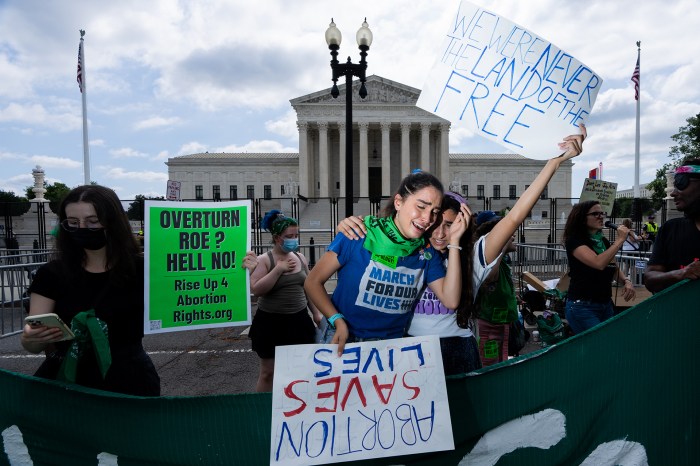
Google letter email employees roe v wade decision – Google’s letter email to employees regarding the Roe v. Wade decision sparked immediate interest and discussion. The email, detailing Google’s stance on this sensitive issue, quickly became a focal point for both employee reactions and broader public scrutiny. This exploration delves into Google’s response, employee perspectives, legal considerations, and the potential long-term impact of this crucial moment.
The email’s content, tone, and potential public reaction are all significant factors to analyze. How did Google’s communication compare to other tech companies’ responses? What were employee concerns and reactions? This analysis provides a comprehensive look at the decision’s impact.
Company Response to the Decision

Google’s email to employees regarding the Roe v. Wade decision aimed to address the significant implications of the Supreme Court’s ruling for its workforce. The email, while not explicitly taking a stance on the political issue, acknowledged the emotional impact of the decision on employees and sought to provide resources and support.
Email Content Summary
Google’s email to employees, while not directly addressing the political implications of the Roe v. Wade decision, acknowledged the potential impact on employees’ well-being and access to resources. The communication offered information about employee assistance programs and resources for those facing challenges related to reproductive healthcare decisions. It also emphasized Google’s commitment to supporting its employees.
Tone of the Communication
The tone of Google’s email was empathetic and supportive, rather than directly political. The language used was carefully chosen to avoid taking a stance on the legal or ethical aspects of the decision. Instead, the focus was on providing support and resources to employees. The email conveyed a sense of understanding and concern for the well-being of its employees, emphasizing their importance.
Google’s Stance on the Issue
Google’s email, while not explicitly stating a position on the Roe v. Wade decision, communicated a commitment to supporting its employees. The company emphasized access to resources and programs for employees facing challenges. This approach avoided taking a direct political stance, allowing the company to maintain a neutral position on the controversial topic.
Potential Impact on Google’s Public Image
Google’s response to the Roe v. Wade decision could potentially impact its public image in various ways. A perceived empathetic response to employees’ concerns might improve public perception and strengthen its reputation for employee well-being. Conversely, a perceived lack of clear response or insufficient support could be detrimental. The approach of providing resources without taking a political stance allows for a wider acceptance among different groups.
Comparison to Other Tech Companies’ Responses
| Company | Email Content Summary | Tone | Public Reaction |
|---|---|---|---|
| Acknowledged potential impact, offered resources, emphasized employee well-being. | Empathetic, supportive, neutral. | Positive, with some expressing appreciation for the company’s concern for employee well-being, but some criticism for lack of direct statement on the issue. | |
| Meta | Similar to Google’s approach, focusing on employee resources and support. | Empathetic, supportive, neutral. | Similar reaction to Google, balanced between appreciation and criticism for not taking a firm stance. |
| Apple | Emphasized employee well-being and access to resources, similar to Google’s approach. | Empathetic, supportive, neutral. | Positive, with a similar response to Google and Meta, but with slightly less public discussion. |
Employee Reactions and Perspectives
The recent Supreme Court decision on Roe v. Wade has sparked significant discussion and emotional responses across the nation, and Google employees are no exception. Understanding the potential range of reactions and internal discussions is crucial for fostering a supportive and productive work environment. This analysis delves into the anticipated employee perspectives and concerns arising from the company’s response to the landmark ruling.The email response from Google likely prompted a wide spectrum of emotions, from disappointment and anger to acceptance and resignation.
The complexity of the issue and the diverse personal values held by employees would inevitably lead to varied interpretations and reactions to the company’s stance. These responses will likely be influenced by individual beliefs, personal experiences, and perceived implications for the company’s values and future actions.
Potential Employee Reactions
Employee reactions to the email will vary significantly, ranging from support of the company’s stance to strong disapproval. Some employees may feel the email adequately addressed the issue, while others may perceive it as insufficient or even insensitive. A subset of employees may feel the email’s position doesn’t align with their personal values, leading to concerns about the company’s commitment to social justice and equality.
Google’s email to employees regarding the Roe v. Wade decision was definitely a hot topic. It’s interesting how the company is navigating these complex issues. Meanwhile, the Nissan Frontier Hardbody concept at the Chicago Auto Show nissan frontier hardbody concept chicago auto show is a fascinating design, and a welcome distraction from the ongoing discussion around the Google letter.
Ultimately, both issues highlight how companies are grappling with social and political responsibilities in the modern world, while dealing with the diverse perspectives of their workforce.
Internal Discussions
The email will likely spark extensive internal discussions amongst employees, colleagues, and even across departments. These conversations could touch upon the legal implications of the decision, its impact on women’s rights, and the potential ramifications for Google’s reputation and future policies. Different perspectives and beliefs will likely be voiced and debated, leading to varied interpretations of the company’s response and its broader implications.
Significance of Employee Sentiment
Employee sentiment regarding the issue is vital for Google to understand. Their views, concerns, and anxieties are critical factors to consider when navigating this sensitive and potentially divisive topic. Understanding these reactions will enable Google to better address employee needs and concerns while maintaining a fair and inclusive workplace culture. Understanding the range of employee responses is crucial for strategic communication and navigating potential conflicts.
Potential Employee Concerns or Anxieties
- Concerns about the company’s position on social issues: Employees might question whether Google’s response reflects their values and commitment to social justice. For example, a strong stance against abortion restrictions could be seen as supporting social equality and inclusivity, while a more neutral position could raise concerns about the company’s commitment to its employees.
- Impact on employee well-being: The decision’s impact on employees’ personal lives and emotional well-being could lead to anxiety and stress. For instance, the increased social and political polarization surrounding the issue may affect employees’ ability to focus and work productively.
- Potential for discrimination or bias: Employees might worry about potential discrimination or bias based on their personal views regarding the issue. This could lead to concerns about a lack of inclusivity or equity in the workplace.
- Concerns about future company policies: Employees may be concerned about the potential impact of the decision on future company policies and initiatives, particularly concerning reproductive rights and related benefits. For example, potential adjustments to parental leave policies or other workplace benefits.
Employee Perspectives
“As a woman, this decision deeply affects my personal life and work-life balance. I’m concerned about the future implications for Google’s policies and how this will impact our community.””I believe the company should have taken a stronger stance against the Supreme Court’s decision. Their response feels insufficient, and it raises concerns about their commitment to social justice.””I respect the diverse opinions on this issue. However, I hope the company continues to prioritize an inclusive and supportive work environment for all employees.”
Google’s email to employees about the Roe v. Wade decision got me thinking. While that’s a serious issue, it’s nice to look ahead to the exciting possibilities in gaming, like the first click PlayStation VR and first click PlayStation VR and 3 14 other reasons to be excited about. Ultimately, though, the Google letter still highlights the need for companies to address important social issues in a thoughtful way.
Legal and Ethical Considerations
The recent Roe v. Wade decision has profound implications for companies like Google, impacting both their legal obligations and ethical responsibilities. Navigating these complexities requires a careful consideration of employee rights, potential legal challenges, and the evolving social landscape. Google must now carefully weigh the legal implications of this decision alongside its commitment to a diverse and inclusive workforce.
Legal Implications for Google
The reversal of Roe v. Wade significantly alters the legal landscape, particularly regarding employee access to reproductive healthcare. Companies now face potential legal challenges related to employee benefits, travel policies, and workplace accommodations. For example, if Google offers travel reimbursements for medical procedures, it needs to consider the implications of travel restrictions for employees seeking reproductive healthcare in states with restrictive laws.
Google’s letter to employees about the Roe v. Wade decision got me thinking about how companies are handling these sensitive social issues. It’s fascinating to see how this impacts workplace culture, isn’t it? Meanwhile, the Genesis G80 electrified luxury EV reveal genesis g80 electrified luxury ev reveal is a great example of how companies are pushing innovation and exploring new markets.
Ultimately, Google’s response to the Roe v. Wade decision will be a significant part of the conversation surrounding employee engagement and corporate social responsibility.
Employee Rights and Protections
The decision necessitates a careful examination of employee rights and protections. Employees seeking reproductive healthcare may face challenges in accessing necessary services, potentially impacting their well-being and productivity. Legal considerations include:
- Travel Costs: Google must review its policies to ensure they do not inadvertently hinder employees’ access to healthcare. This includes considering travel costs and potential accommodations for employees needing to travel to states with more accessible services.
- Healthcare Benefits: Companies must ensure their healthcare benefits adequately cover reproductive healthcare services in all relevant jurisdictions. A lack of clarity or consistent coverage across states could lead to legal challenges and employee dissatisfaction.
- Accommodation Requests: Google needs to review its policies to accommodate requests for time off for reproductive healthcare, ensuring that these requests are handled fairly and equitably.
Ethical Dimensions of Google’s Response
Google’s response to the Roe v. Wade decision carries significant ethical weight. Maintaining a supportive and inclusive work environment for all employees is paramount. A company’s stance on these issues can impact its reputation and public image. Ethical considerations include:
- Transparency and Communication: Open and honest communication with employees about the company’s response to the decision is crucial. This transparency builds trust and demonstrates the company’s commitment to its employees.
- Equity and Inclusivity: Google’s policies must not discriminate against employees based on their gender or reproductive choices. Any policy should promote equal access to healthcare and well-being for all employees.
- Employee Well-being: Addressing the emotional and practical concerns of employees impacted by this decision is essential. This includes providing resources and support for those facing challenges in accessing healthcare.
Influence on Google’s Future Policies and Practices
The Roe v. Wade decision will undoubtedly influence Google’s future policies and practices. Companies will likely face increased scrutiny regarding their stance on reproductive rights. This includes:
- Expanded Benefits Packages: Companies may expand their benefits packages to better support employees seeking reproductive healthcare, encompassing wider coverage and potential travel reimbursements.
- Employee Advocacy: Companies may consider supporting employee advocacy initiatives focused on reproductive rights and access to healthcare.
- Policy Review: Companies will likely conduct a comprehensive review of their existing policies related to healthcare benefits and employee accommodations, adjusting them to address the new legal and ethical realities.
Table of Legal and Ethical Considerations
| Legal Consideration | Explanation | Ethical Dimension |
|---|---|---|
| Employee Access to Healthcare | Ensuring employees can access necessary healthcare services, including reproductive healthcare, without legal impediments. | Maintaining a supportive and inclusive work environment, respecting employee well-being. |
| Travel Reimbursements | Reviewing policies to accommodate employees needing to travel for healthcare services in other states. | Demonstrating commitment to employee well-being and fair treatment. |
| Healthcare Benefit Coverage | Ensuring that healthcare benefits adequately cover reproductive healthcare in all relevant jurisdictions. | Promoting equal access to healthcare for all employees. |
| Accommodation Requests | Creating clear policies for handling employee requests for time off for reproductive healthcare. | Maintaining a supportive work environment and avoiding discrimination. |
Public Perception and Impact

Google’s email regarding the Roe v. Wade decision is poised to generate a diverse range of public reactions. The company’s stance, while likely intended to be empathetic and inclusive, may inadvertently alienate certain segments of its user base, particularly those holding strongly opposing viewpoints. Navigating this delicate balance between corporate responsibility and maintaining a broad appeal will be crucial for Google’s reputation management.The email’s reception will depend significantly on how it aligns with the broader public discourse surrounding the decision.
If the email resonates with the values and concerns of the majority, Google may experience a positive shift in public perception. Conversely, if it appears to take a partisan stance, it could potentially lead to negative publicity and erode trust among those who disagree with the company’s position. Understanding these potential outcomes is essential for managing the potential impact on Google’s brand.
Potential Public Reaction to Google’s Email
Google’s email, addressing the sensitive topic of the Roe v. Wade decision, is likely to evoke a variety of responses from its diverse audience. Some employees and users may feel acknowledged and supported by the company’s message, while others might feel alienated or disrespected by the chosen tone or language. The email’s impact will also depend on its clarity and neutrality in presenting the complexities of the issue.
Comparison with Broader Public Discourse
Google’s response must be viewed within the context of the wider public discourse surrounding the Roe v. Wade decision. The email’s tone and message should avoid mirroring the often-polarized rhetoric prevalent in media discussions. Instead, a measured, empathetic approach is likely to be more effective in bridging the divide and demonstrating a commitment to inclusivity. Public figures and institutions often take a similar measured approach to complex social issues.
Long-Term Impact on Google’s Brand and Reputation
The long-term impact of the email on Google’s brand and reputation will depend largely on its reception by the public. A measured and empathetic response, devoid of partisan rhetoric, can strengthen Google’s image as a socially responsible organization. Conversely, a perceived partisan stance or an insensitive message could damage Google’s reputation and erode public trust. History provides examples of companies facing reputational damage due to inappropriate responses to social issues.
Potential Changes in Public Opinion Regarding Google
The email’s reception may lead to shifts in public opinion regarding Google. A thoughtful and respectful approach could strengthen Google’s reputation as a company that values diversity of opinion and respects its employees. Conversely, a perceived lack of sensitivity or impartiality could cause a negative shift in public perception.
Examples of Similar Corporate Responses to Societal Issues
Various corporations have addressed societal issues, demonstrating different approaches to communication. Some companies have taken a more cautious and measured tone, focusing on providing resources and support to employees, while others have adopted a more explicit stance, often aligning themselves with specific viewpoints. Analysis of these responses reveals that authenticity and sensitivity in addressing societal issues can lead to positive public perception.
Future Implications for Google
The Roe v. Wade decision has undeniably sparked a crucial conversation about societal values and the role of large corporations in addressing these issues. Google, as a prominent tech giant, is now facing the prospect of navigating complex ethical and legal considerations in the wake of this landmark ruling. How Google responds to this and similar challenges will shape its future reputation and its relationship with employees and the public.The impact of this decision on Google’s future policies and initiatives is profound.
Companies are increasingly expected to articulate and act upon their values, particularly on social issues. This includes not only legal compliance but also the development of employee-centric policies that demonstrate genuine engagement with societal concerns.
Potential Future Actions, Google letter email employees roe v wade decision
Google’s response to the Roe v. Wade decision, and future similar events, will likely involve a multifaceted approach. This may include enhanced support for employees facing travel restrictions related to reproductive healthcare, possibly through financial assistance or expanded benefits. They may also bolster their commitment to diversity and inclusion initiatives, recognizing the need to address the impact of policy changes on various demographics.
Furthermore, Google might proactively engage in advocacy efforts to support reproductive rights. Such actions would signal a commitment to employee well-being and social responsibility.
Influence on Future Policies and Initiatives
The decision will likely influence Google’s future policies and initiatives in several significant ways. This could manifest in the expansion of existing employee benefits, such as expanded parental leave policies, and a clear emphasis on providing support for employees navigating the complex implications of legal and societal changes. Google might also reassess existing policies to ensure equitable treatment and address potential disparities related to the ruling.
Implications for Employee and Public Relations
Google’s actions in response to this decision will significantly impact its relationship with employees and the public. A strong response, demonstrating genuine care for employees’ well-being and alignment with societal values, could foster a positive reputation and increased employee loyalty. Conversely, a perceived lack of action or a response perceived as insufficient could damage the company’s reputation and erode trust.
A nuanced approach that balances legal compliance with genuine support for employees is crucial for maintaining a positive image.
Potential Future Considerations
- Legal Compliance: Google must ensure compliance with all relevant laws and regulations, while simultaneously addressing the ethical implications of the decision. This includes a careful review of existing policies and the development of clear guidelines for navigating similar situations in the future.
- Employee Support: Google should provide comprehensive support for employees affected by the decision, including resources and guidance for navigating legal and logistical challenges related to reproductive healthcare. This could involve a detailed and updated FAQ for employees regarding travel policies, insurance, and financial assistance.
- Public Communication: Transparency and clear communication are vital. Google should clearly articulate its stance on social issues, and how this translates into action. This includes a comprehensive statement that Artikels their commitment to supporting employees and promoting societal well-being.
- Diversity and Inclusion: Google should reinforce its commitment to diversity and inclusion, recognizing that policies and societal changes can disproportionately affect various demographics. This includes actively listening to and addressing the concerns of diverse employee groups.
Contextual Background: Google Letter Email Employees Roe V Wade Decision
The Roe v. Wade decision, a landmark 1973 Supreme Court ruling, granted women the constitutional right to an abortion. This decision fundamentally reshaped the landscape of reproductive rights in the United States, triggering decades of legal, political, and social debate. The recent overturning of Roe v. Wade has reignited this debate, highlighting the complex interplay of legal precedent, societal values, and political ideologies.The decision has profound implications for women’s health, autonomy, and equality.
It’s crucial to understand the historical context of this ruling to comprehend its significance and its potential impact on future policy and societal norms.
Historical Context of Roe v. Wade
The Roe v. Wade decision was a culmination of decades of activism and legal challenges regarding abortion access. Prior to 1973, abortion laws varied significantly across states, with many restricting or prohibiting the procedure. These restrictions often disproportionately impacted marginalized communities and women without financial or social resources. The legal arguments in Roe v.
Wade focused on the right to privacy, arguing that the right to control one’s reproductive health was a fundamental aspect of personal liberty protected by the Fourteenth Amendment.
Significance in the Broader Social and Political Landscape
The Roe v. Wade decision’s significance extended beyond the legal sphere. It sparked a profound and enduring social and political divide. Pro-choice advocates emphasized the importance of bodily autonomy and reproductive freedom, while pro-life advocates argued for the sanctity of life and the protection of the unborn. This polarization continues to shape political discourse and policy debates, impacting elections and legislation at both state and federal levels.
Legal and Historical Factors Related to the Issue
The legal framework surrounding abortion rights is rooted in historical precedents, constitutional interpretations, and evolving societal values. The concept of privacy, a key element in the Roe v. Wade decision, has been a subject of ongoing judicial and public discourse. The Fourteenth Amendment’s Due Process Clause, which guarantees protection against arbitrary deprivation of life, liberty, or property, played a central role in the legal arguments of the case.
The legal factors are complex and intertwined with social and political narratives.
Influence on Future Political Discussions
The overturning of Roe v. Wade is likely to intensify existing political divisions and influence future legislative efforts. Pro-choice and pro-life groups will likely engage in continued activism and advocacy, shaping the political agenda and influencing election outcomes. The future of abortion access in the United States will likely depend on the outcome of legal challenges, legislative actions, and ongoing public discourse.
The Supreme Court’s decision, while a significant development, will not definitively resolve the issue, but rather, will continue to be a point of contention in the political and social landscape. The potential for future legal challenges and legislative initiatives aimed at regulating abortion access will likely shape the political debate in the coming years. Examples of past political debates about similar social issues offer insights into how this issue might evolve in the future.
Summary
Google’s email regarding the Roe v. Wade decision serves as a case study in corporate communication and societal response. The discussion highlights the complexities of navigating sensitive issues within a company, considering employee perspectives, and the potential long-term consequences for a brand’s public image. Google’s approach and its public reception offer insights into how companies are handling increasingly polarized social issues.